CNC milling and CNC turning are two essential processes in the realm of precision machining, each serving distinct purposes in manufacturing. The introduction of double spindle machines, such as the double spindle CNC machine, has revolutionized these processes, enabling manufacturers to achieve enhanced efficiency and accuracy. Understanding the differences between CNC milling and CNC turning, alongside the capabilities of double spindle machines, is crucial for businesses aiming to optimize their production operations.
The Distinct Functions of CNC Milling and CNC Turning
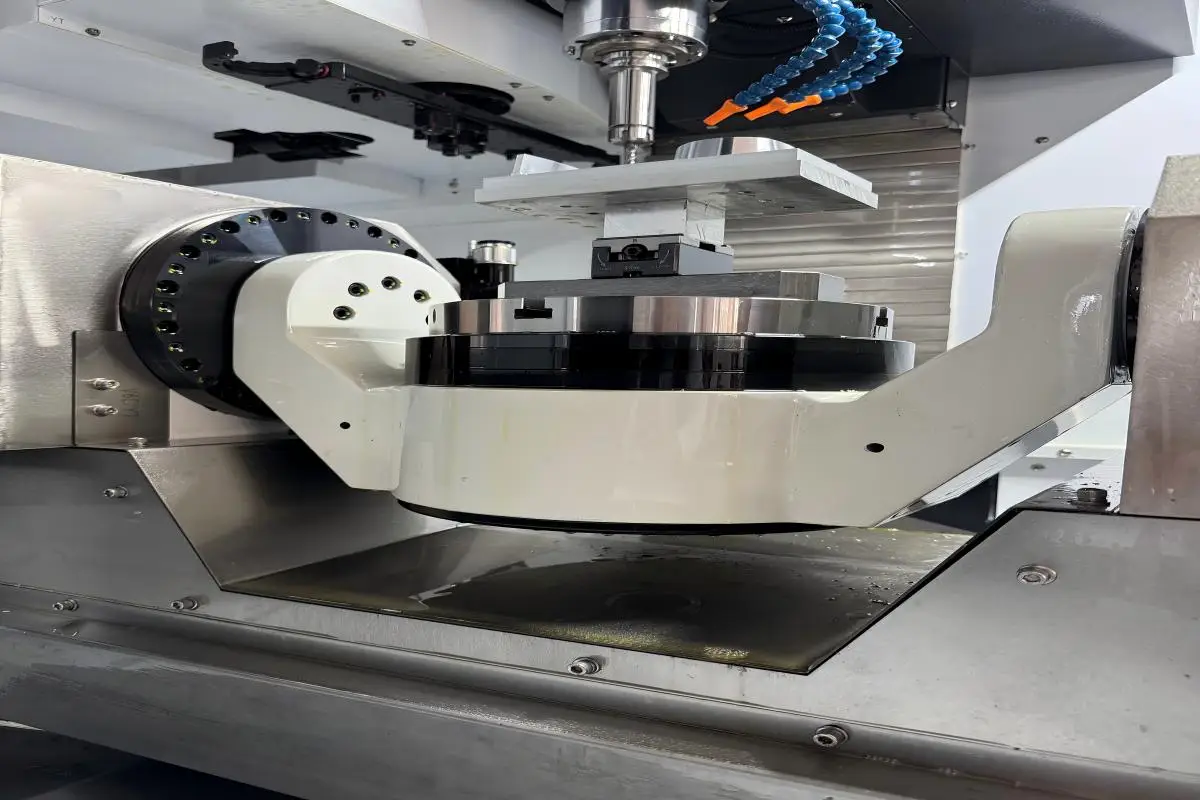
CNC milling involves the removal of material from a workpiece using rotating cutting tools, allowing for complex shapes and features to be machined with high precision. The process is particularly effective for flat surfaces, intricate geometries, and three-dimensional contours. In contrast, CNC turning is focused on rotating a workpiece against a cutting tool, primarily producing cylindrical shapes and features. This method excels in creating parts with symmetry and uniformity.
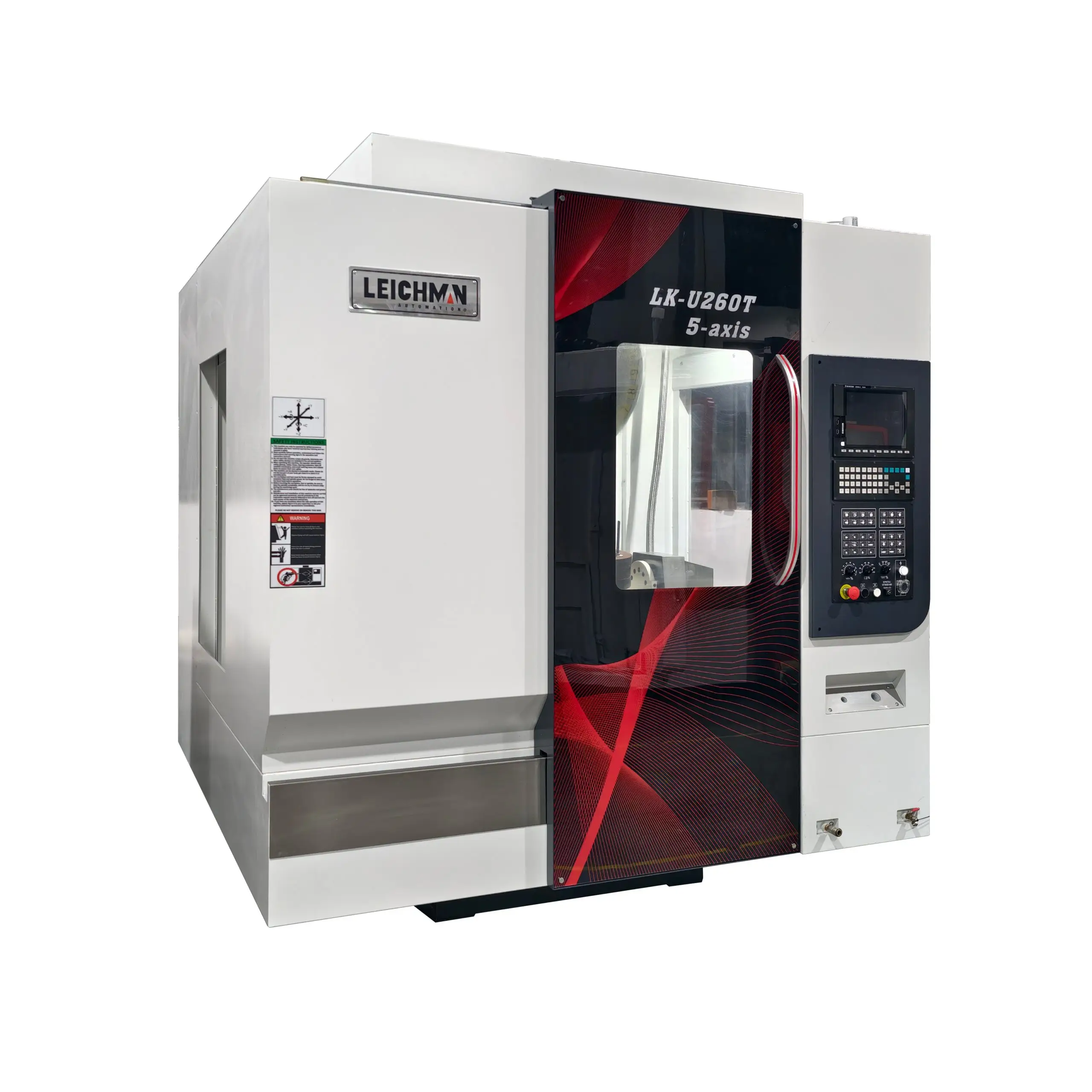
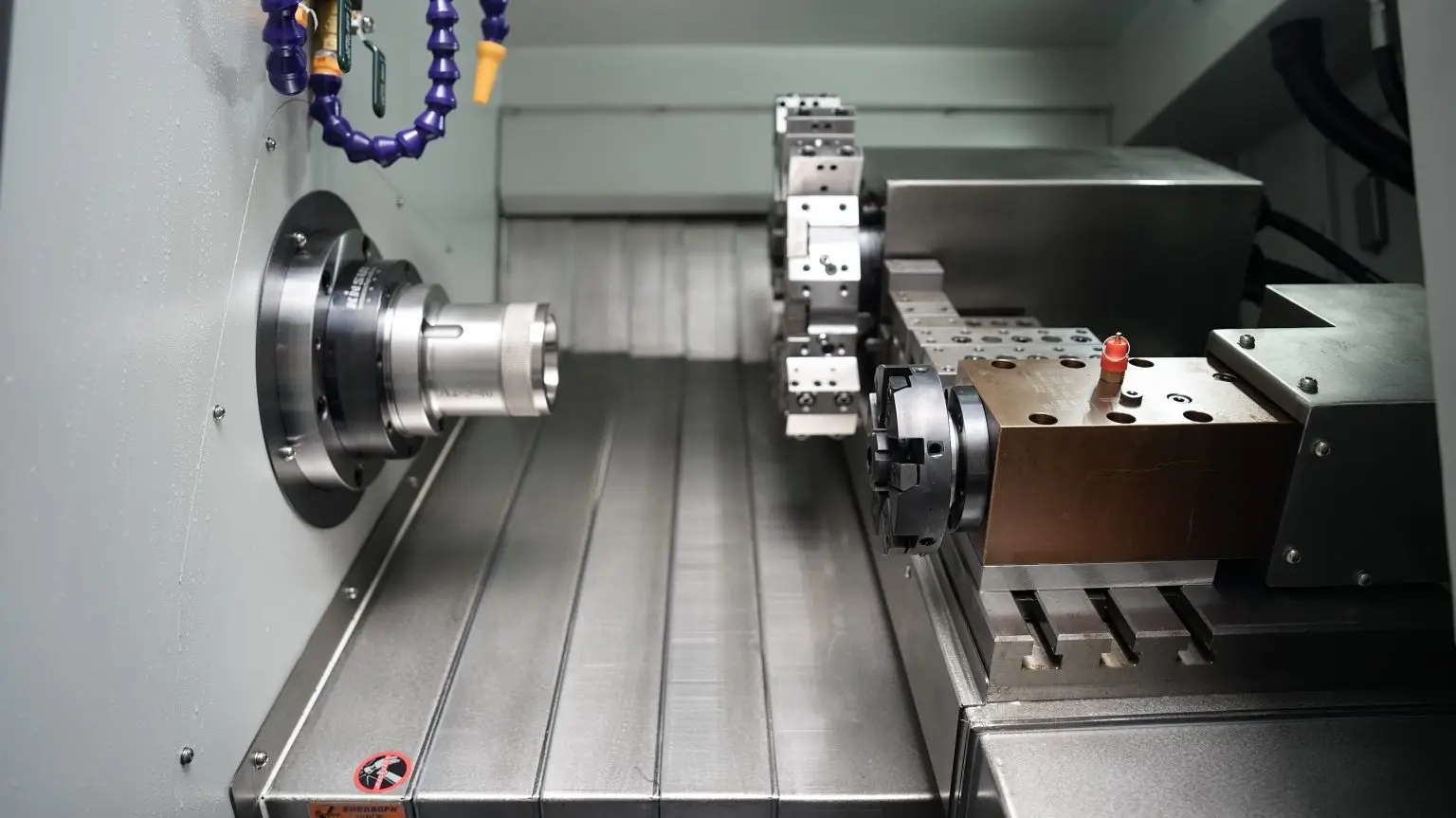
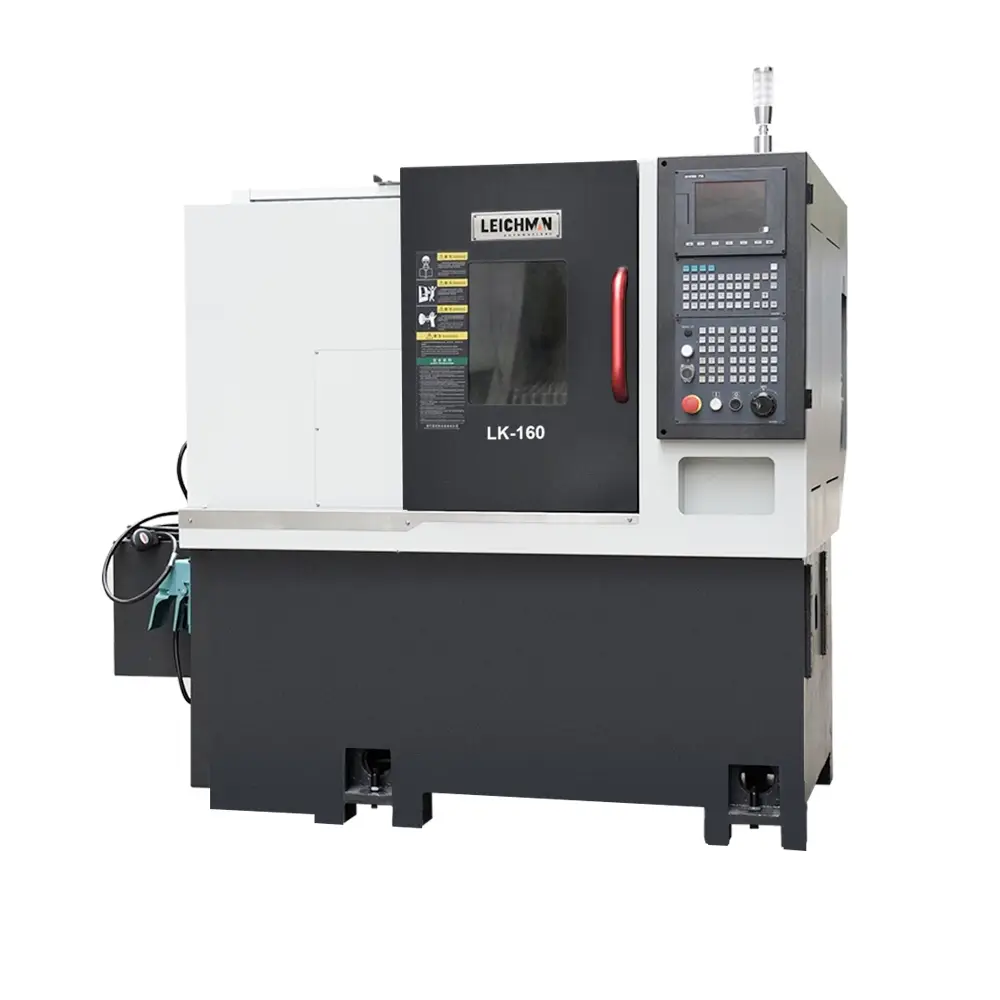
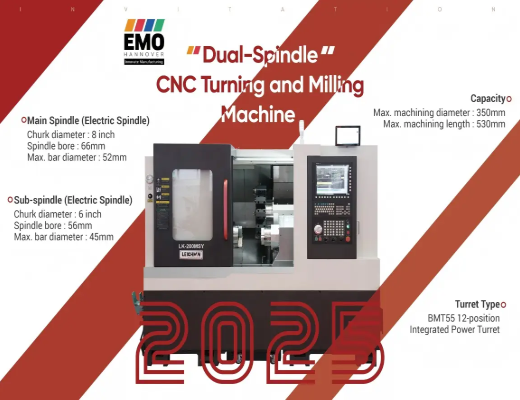
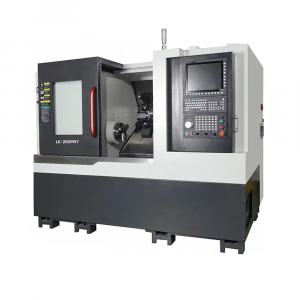
Double spindle CNC machines, like the Leichman LK-200MSY, combine the advantages of both milling and turning processes within a single setup. By employing a twin spindle lathe structure, these machines facilitate automatic machining on both ends of the workpiece, significantly boosting productivity and reducing cycle times. This dual capability allows manufacturers to perform multiple operations in one pass, minimizing the need for part transfers between machines and enhancing overall workflow efficiency.
Advantages of Double Spindle CNC Machines
The utilization of double spindle CNC machines offers several notable advantages for CNC turning manufacturers. First and foremost, they enable high-efficiency machining of small to medium precision parts, making them ideal for various industries, including automotive and aerospace. With the 12-station BT55 servo-powered turret and servo motor indexing present in models like the LK-200MSY, CNC turning manufacturers can execute diverse machining tasks with remarkable precision and speed.
Additionally, the high-performance capabilities of double spindle machines translate into significant reductions in production lead times. Continuous production from both the forward and reverse ends means that parts can be processed seamlessly without interruption, enhancing throughput and allowing for quick responses to market demands. This efficiency is paramount for CNC turning manufacturers looking to maintain a competitive edge in today’s fast-paced manufacturing landscape.
Embracing Modern Machining Solutions
Understanding the role of double spindle machines in the context of CNC milling and turning is vital for any business seeking to innovate and improve production methodologies. The flexibility and efficiency that double spindle CNC machines provide can transform operational capabilities, leading to greater output and improved product quality.
At Leichman, we are dedicated to providing cutting-edge solutions tailored to our clients’ specific needs. Our LK-200MSY double spindle CNC turning and milling lathe exemplifies our commitment to high-performance machinery that enhances productivity and precision. By choosing Leichman, businesses gain access to advanced technology that empowers them to excel in competitive markets. Together, we can shape the future of manufacturing, focusing on efficiency, accuracy, and continuous improvement.