Understanding the differences between vertical and horizontal lathes is crucial for selecting the right equipment for heavy-duty turning applications. Each design offers unique advantages that can significantly impact efficiency, accuracy, and product quality. This article explores these distinctions, focusing on CNC turret lathes and vertical lathes for sale.
Design and Configuration
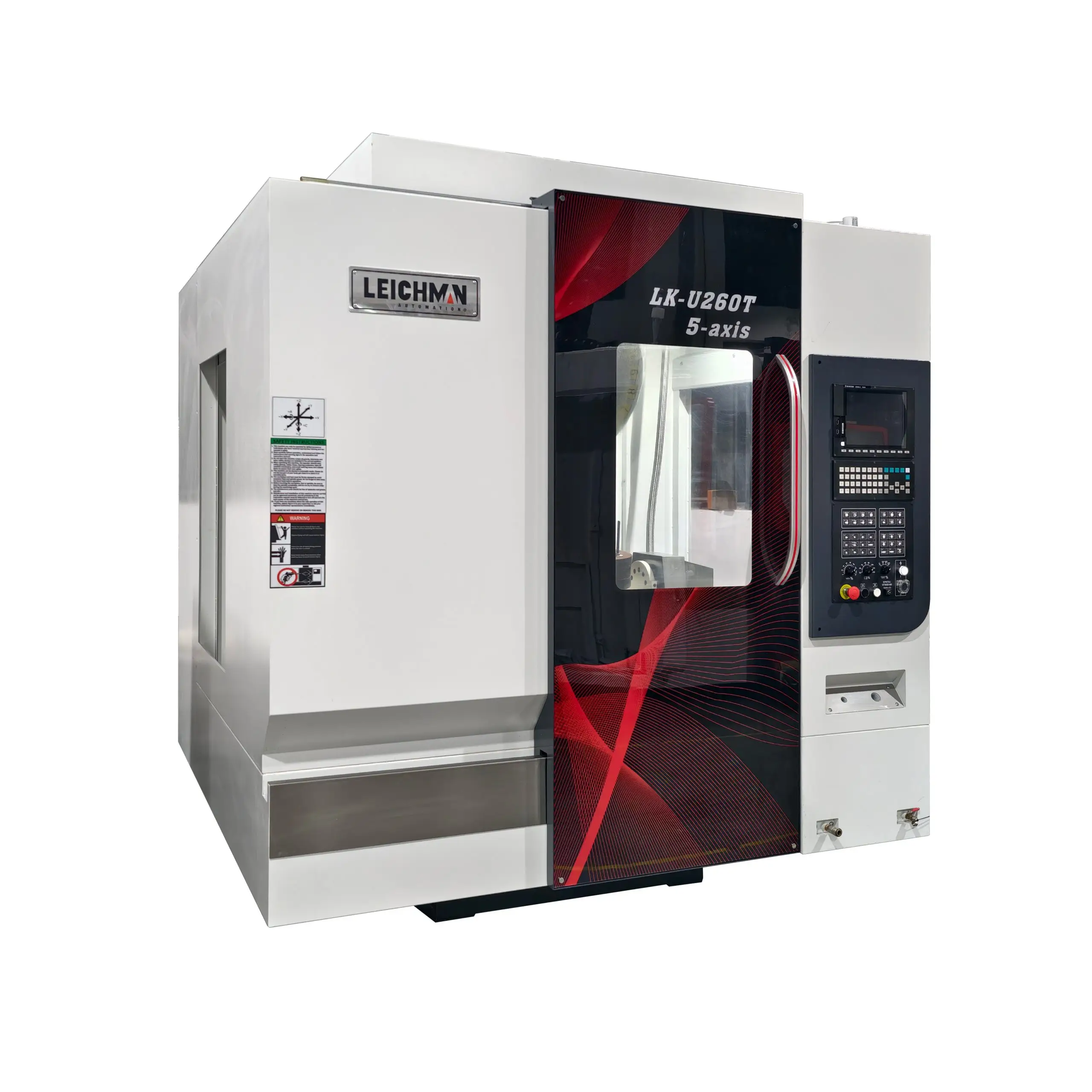
The primary difference between vertical and horizontal lathes lies in their configurations. Vertical lathes are designed with the spindle oriented vertically, allowing the workpiece to be clamped from the top. This design excels in handling large, heavy parts, such as those found in oil, gas, and aerospace industries. The vertical orientation minimizes the risk of workpiece deformation, providing superior stability during machining operations.
On the other hand, horizontal lathes feature a horizontal spindle layout, which is more suitable for smaller workpieces and allows easy access for operators. While horizontal lathes are versatile and widely used, they may not achieve the same level of stability for heavier components as vertical lathes do.
Efficiency in Heavy-Duty Applications
For heavy-duty turning applications, a vertical lathe is often preferred due to its ability to accommodate substantial loads and perform demanding machining tasks. The vertical design naturally supports gravity, which aids in the stability of the workpiece, reducing vibrations during cutting operations. This results in smoother finishes, which is critical for industries where precision is paramount.
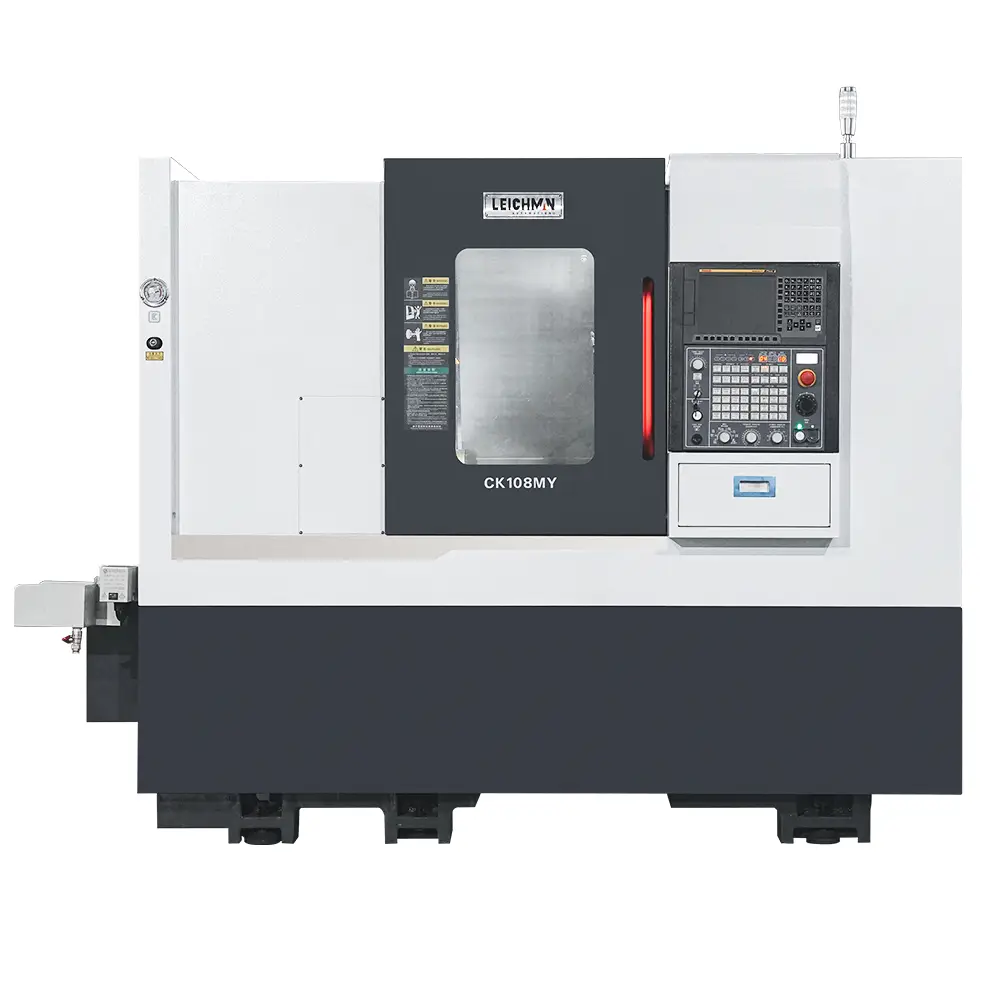
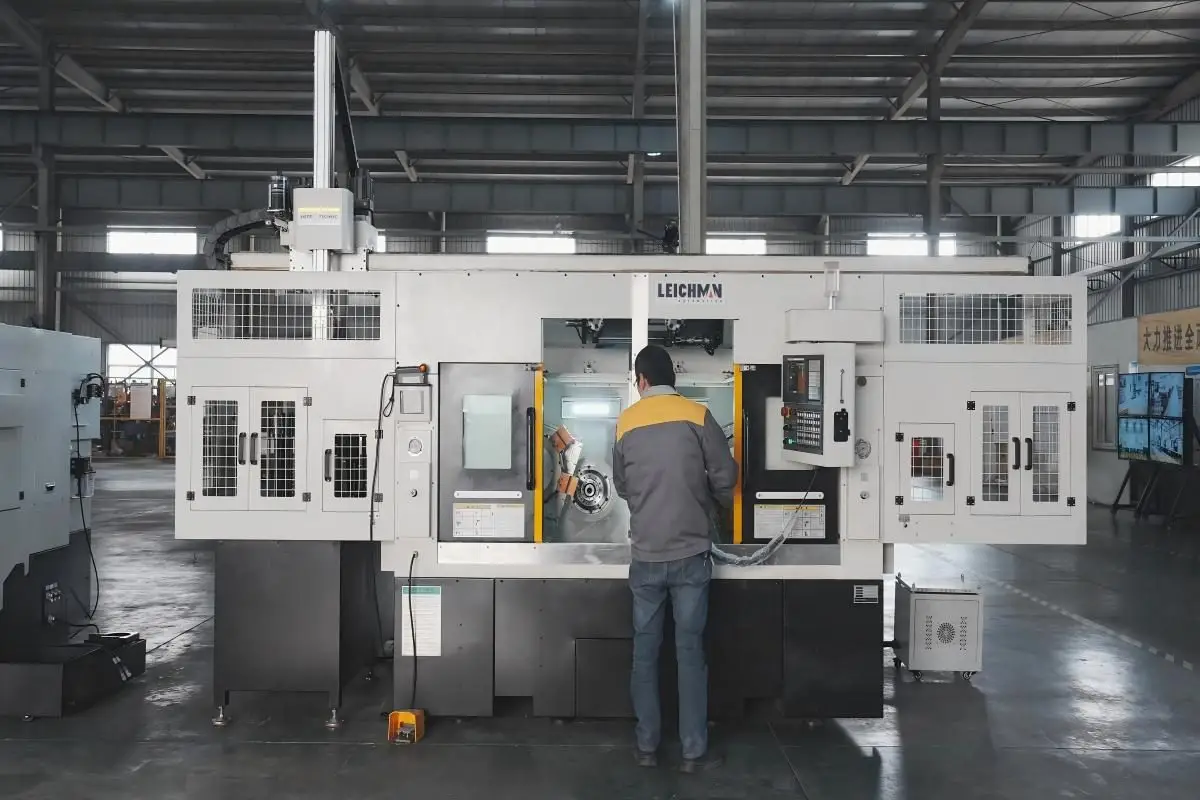
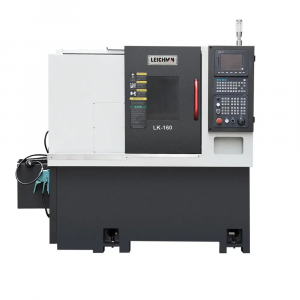
CNC turret lathes, such as the Leichman LK-160, enhance this efficiency by incorporating high-speed and high-precision features. With a 30° slant bed and a high-rigidity structure, the LK-160 allows rapid tool changes and stable cutting capabilities, making it an excellent choice for versatile machining needs. While vertical lathes are excellent for heavy components, CNC turret lathes offer adaptability for a range of applications, bridging the gap between precision and heavy-duty requirements.
The Right Choice for Your Needs
Selecting between a vertical lathe and a horizontal lathe ultimately depends on your specific production demands. Vertical lathes are usually ideal for large, heavy parts requiring heavy-duty performance, while CNC turret lathes can handle a broad spectrum of machining tasks. The flexibility of CNC technology allows for enhanced productivity, enabling manufacturers to optimize their workflows effectively.
If you frequently work with varying sizes and types of components, a CNC turret lathe may provide the versatility you need. However, for operations focused primarily on heavy-duty turning, investing in a vertical lathe for sale may prove most beneficial.
Maximizing Production with Leichman
Identifying the right lathe for heavy-duty turning can transform your manufacturing capabilities. At Leichman, we specialize in high-performance CNC turret lathes like the LK-160, designed for high-speed, high-precision applications. Our commitment to quality ensures that you receive a machine capable of maximizing efficiency and production output.
By partnering with Leichman, you gain access to advanced technologies tailored to meet the challenges of modern manufacturing. Together, we can enhance your operational prowess and ensure that your business thrives in a competitive landscape.