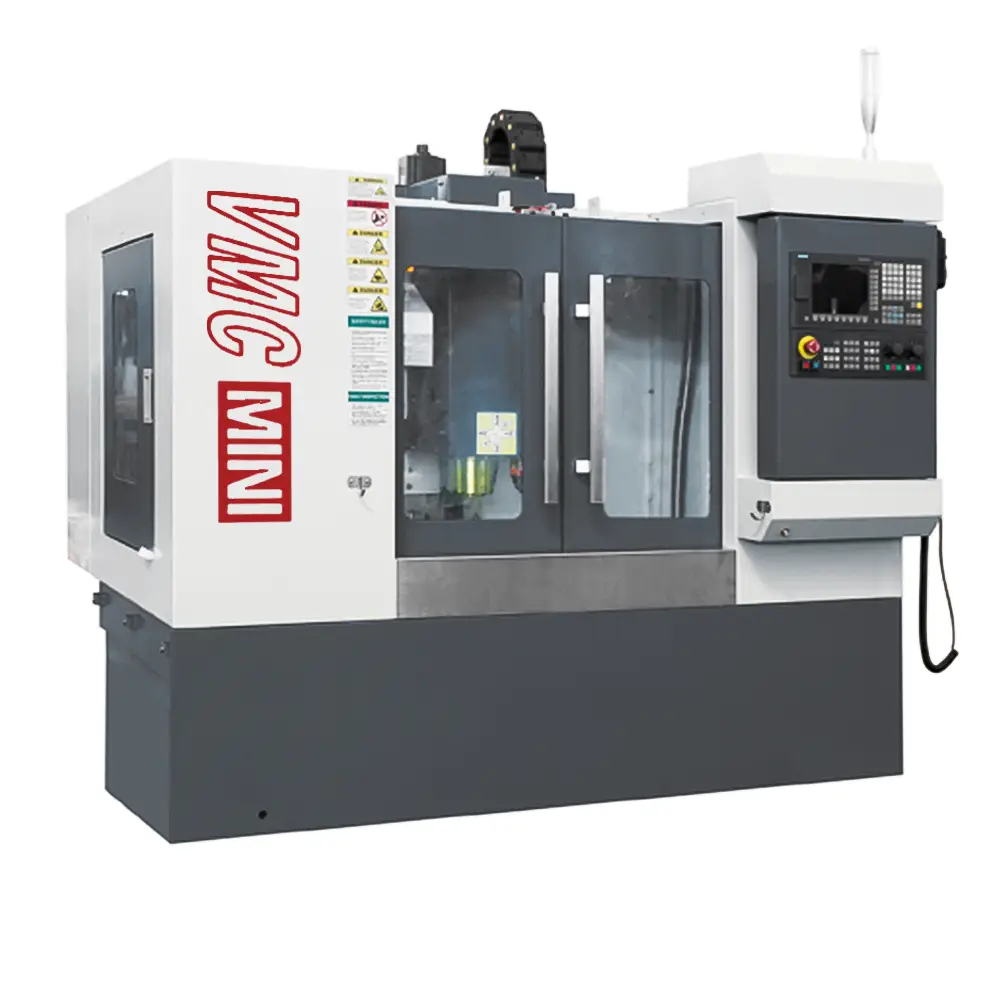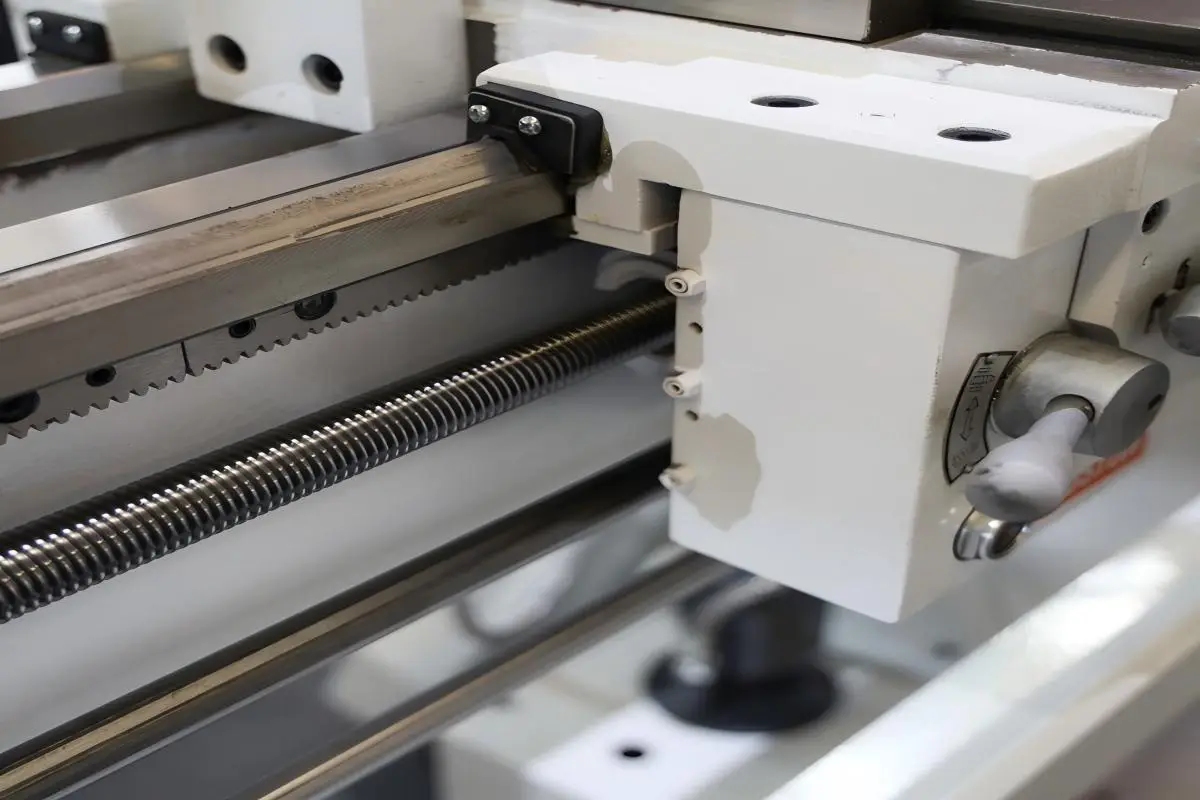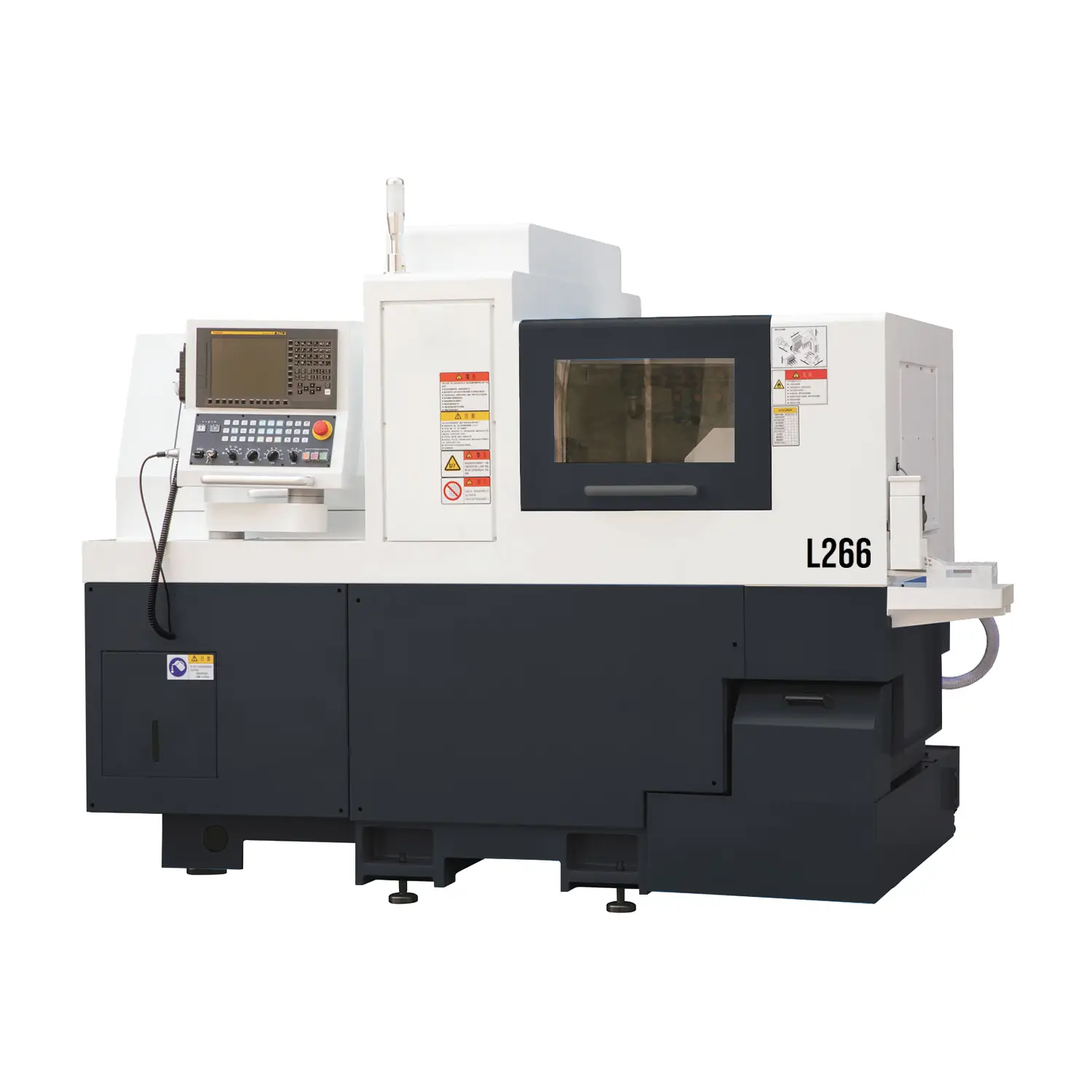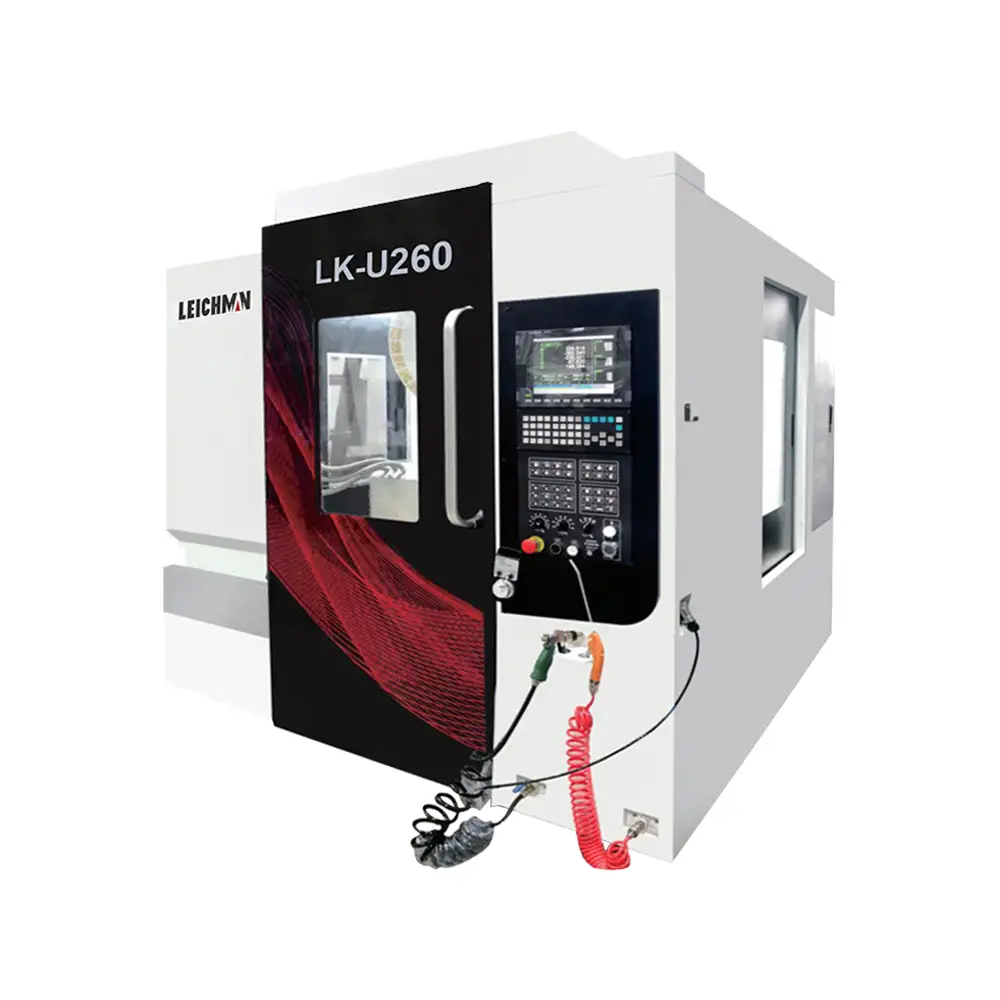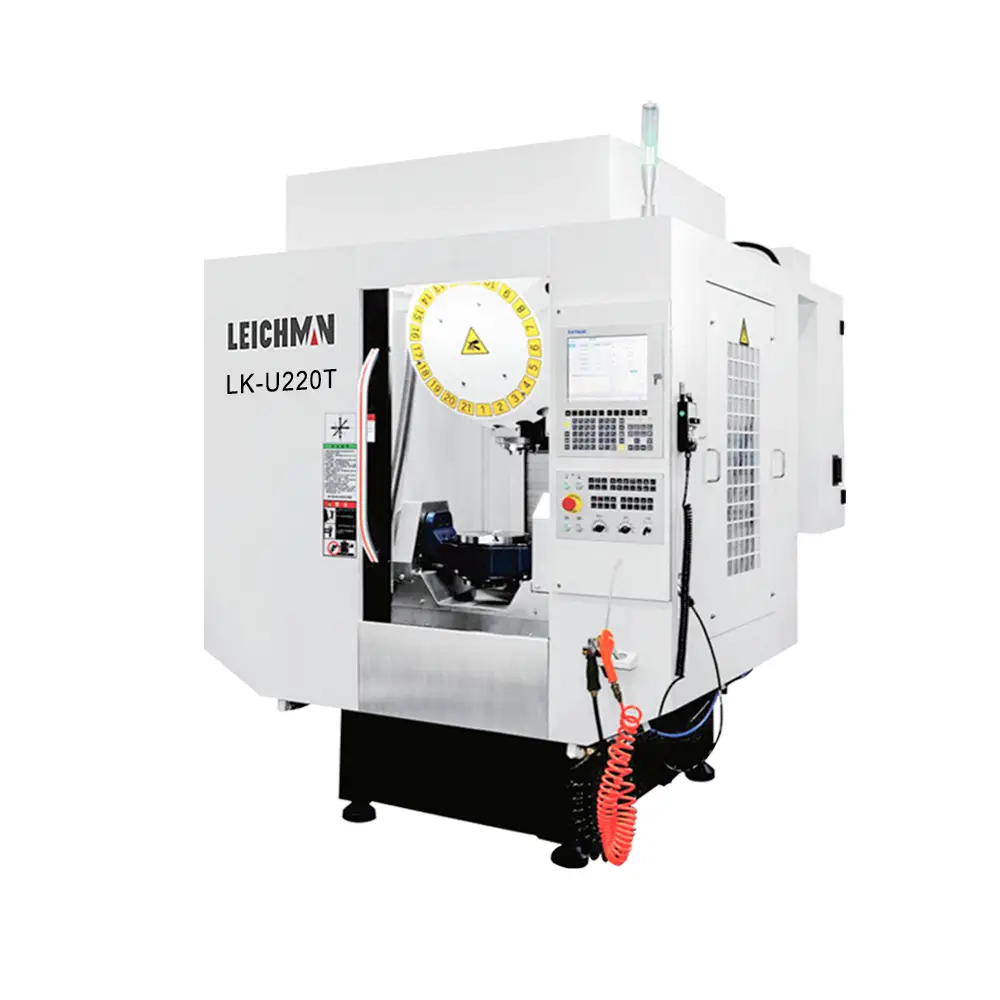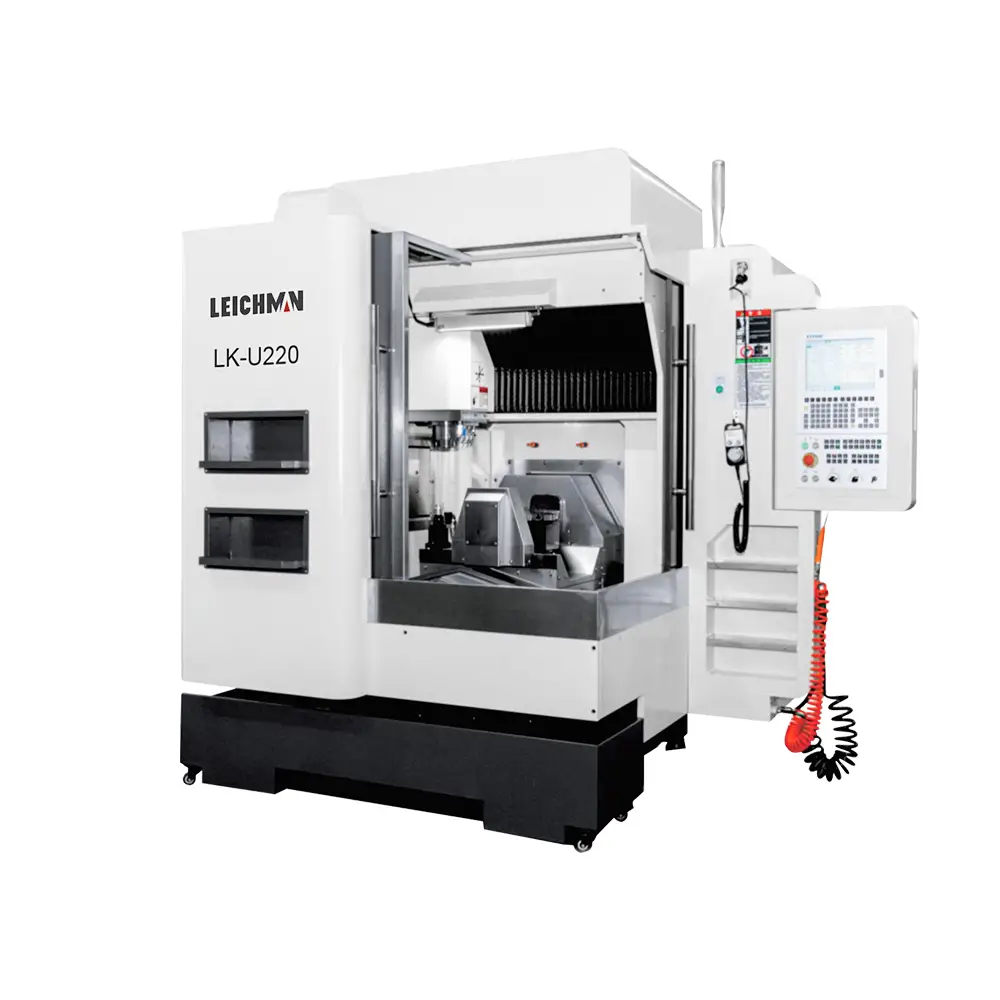
As a technology-oriented manufacturer within the metalworking sector, we often discuss how CNC milling and turning centers contribute to practical processing workflows for factories, EPC contractors, and international distributors. At Leichman, we design our solutions to fit the working environments of teams that manage diverse machining tasks and require steady performance. Many buyers ask what these systems are mainly used for, and we explain that they support turning, drilling, and milling operations within one setup, reducing the need for multiple machines and helping streamline B2B production planning.
Applications Addressed by Integrated Machining
Across our daily work with procurement teams and industrial agents, CNC milling and turning centers are frequently applied in the production of precision housings, shaft components, flanges, tool parts, and custom fittings used in automation equipment. Because these machines combine several operations, they help reduce repositioning, allowing us to maintain stable tolerance control during extended machining cycles. When customers handle parts with intersecting features, they often rely on multi-tasking CNC machine tools, which enable coordinated tool movements and simplified fixture layouts. These capabilities support small-batch customization as well as structured batch production, providing flexibility for companies balancing mixed orders and varying deadlines.
How Our Configurations Support Customer Workflows
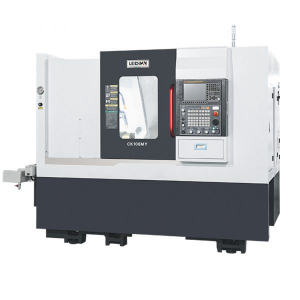
In our product line, the CK108MY CNC Turning and Milling Lathe demonstrates how CNC milling and turning centers function in practical industrial settings. This model includes a Y-axis servo power turret, a 30° slant bed, THK ball screws, and a tailstock that supports shafts up to 550 mm. The SYNTEC 22TB system and Yaskawa bus control, offer a balanced structure suited for users who need consistent output without excessive programming complexity. Many distributors choose multi-tasking CNC machine tools like CK108MY because integrated movement reduces handling errors and shortens preparation time. By aligning these features with real production demands, we ensure that our equipment supports the operational goals of customers working across metal fabrication and component assembly sectors.
Conclusion: Value Across Industrial Operations
When summarizing what multi–tasking CNCcnc machine tools and combined turning-milling systems are used for, we highlight their role in creating efficient workflows and stable part quality for our global partners. We design our solutions under the Leichman brand to support machining versatility, simplify setups, and provide practical advantages for factories, agents, and industrial buyers. As we apply CNC milling and turning centers in various projects, we continue refining our configurations so customers can operate with predictable results and adaptable processing capacity.