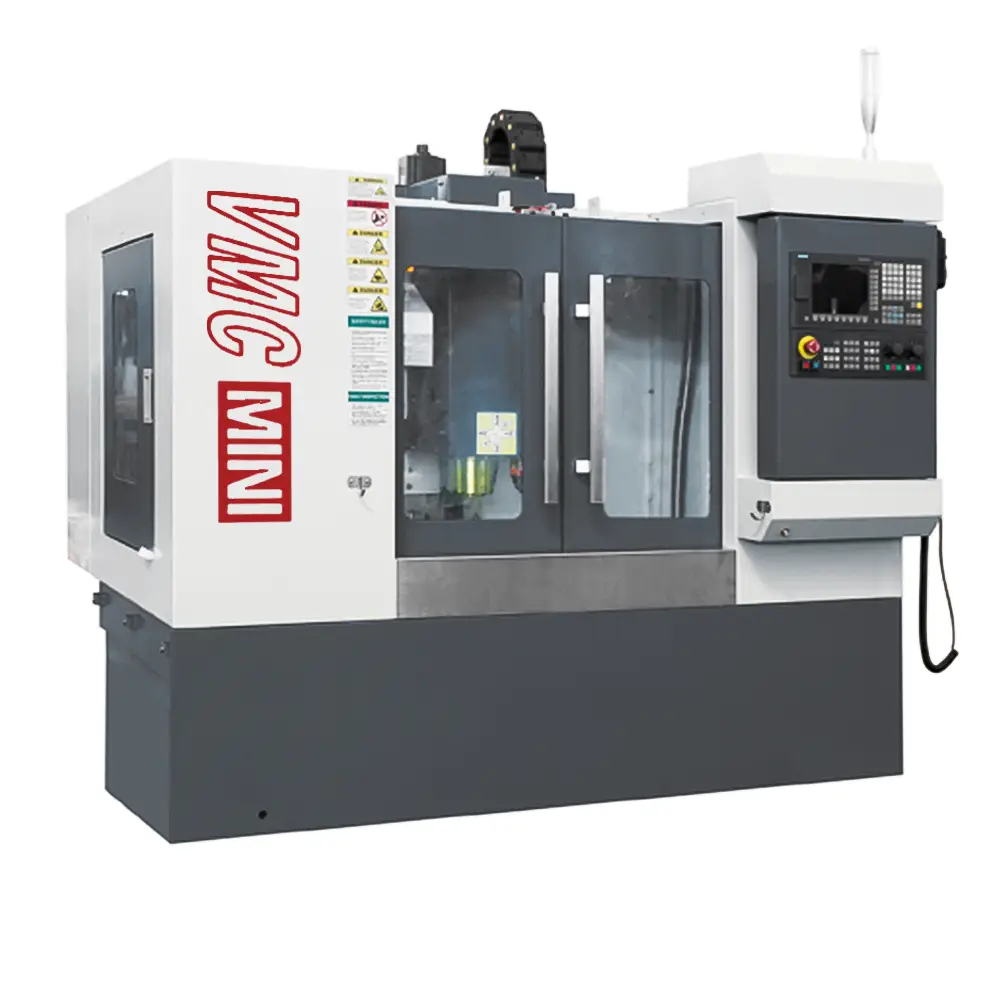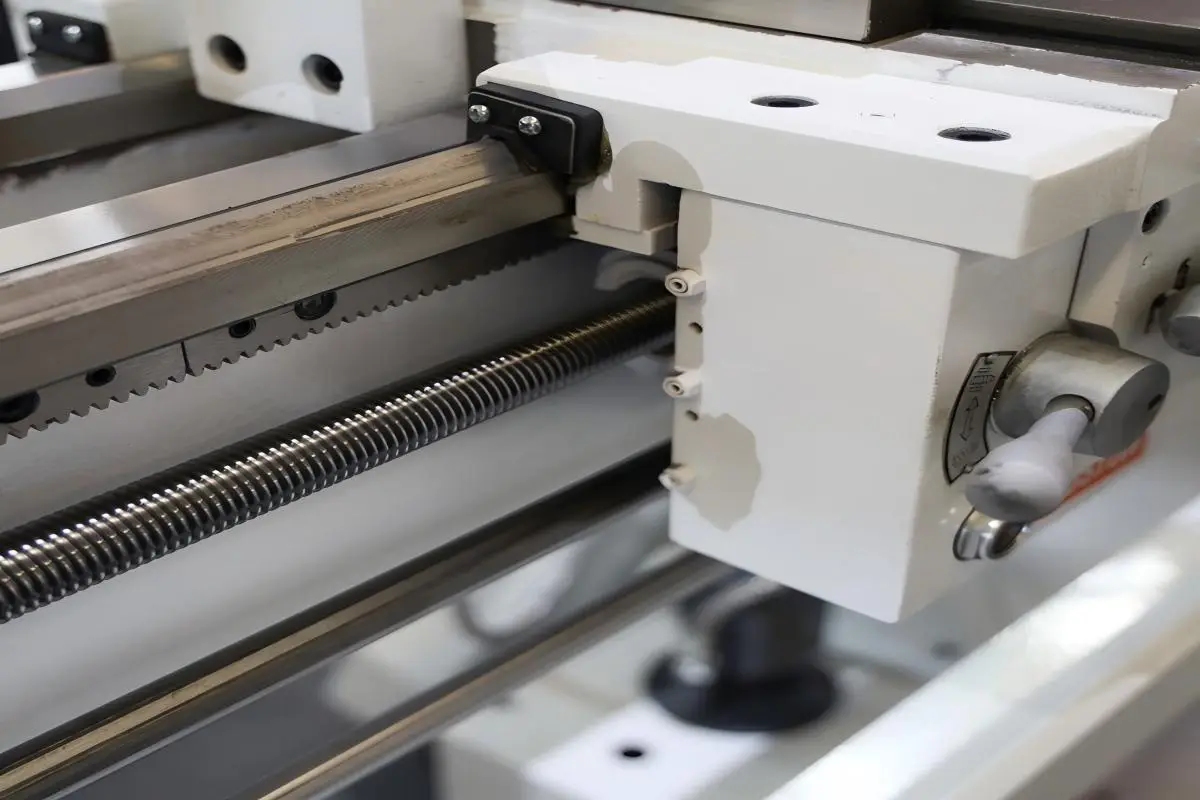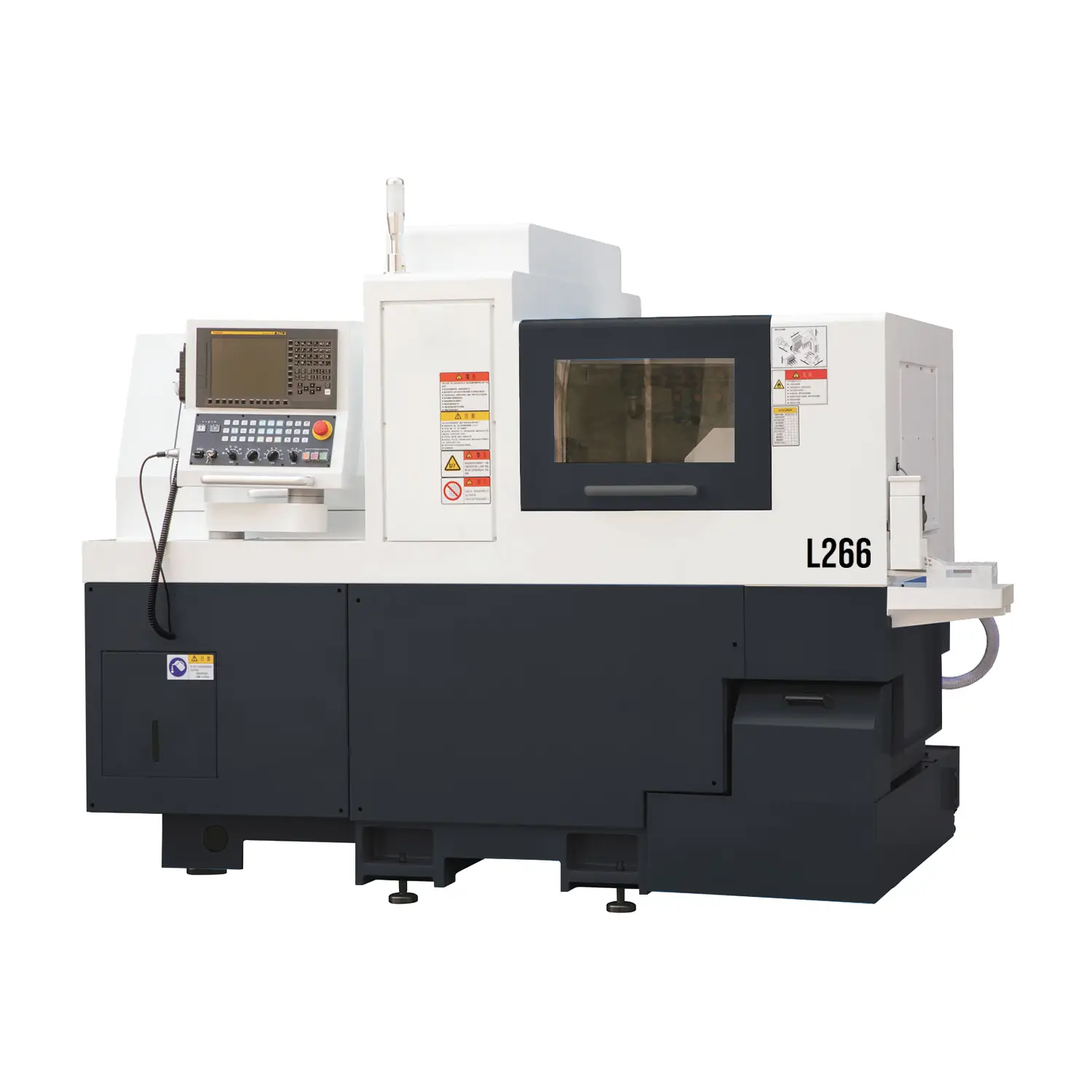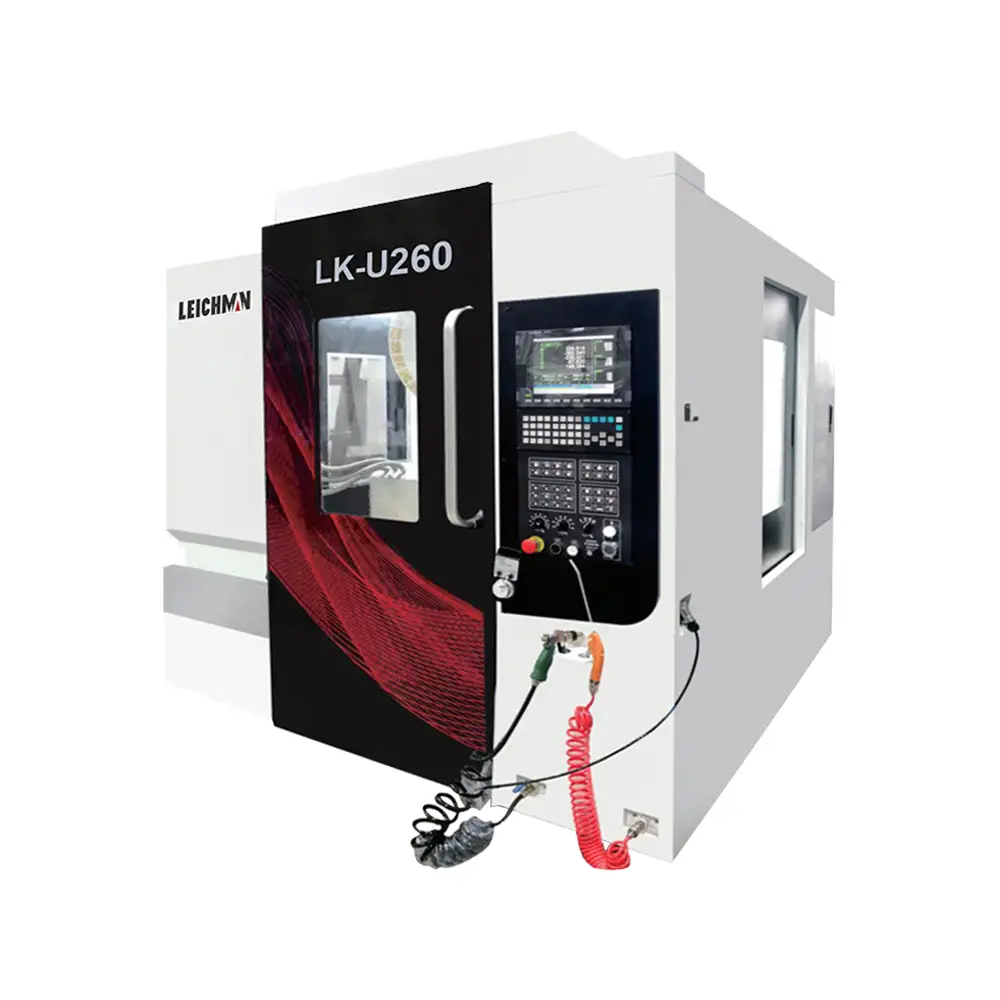
Working closely with global buyers, EPC teams, and industrial distributors, we at Leichman, a sub-brand under HOSTON, often receive questions about how milling and turning relate to each other within practical production environments. Since we integrate both the CNC turning and milling machine approach and the CNC milling and turning workflow into our equipment portfolio, we have a clear view of where these two processes align. Understanding their shared foundations helps us communicate more effectively with customers who plan to streamline machining operations.
Shared Material-Removal Principles
Although milling and turning differ in motion paths, both approaches rely on controlled tool engagement to remove material efficiently. In our daily work, we observe that customers using a CNC turning and milling machine often evaluate the process in terms of chip formation, tool stability, and repeatable accuracy. These same concerns apply to CNC milling and turning, especially when consistent tolerances and predictable tool wear are required. By focusing on stable cutting parameters and clear workflow planning, we help users maintain steady output quality across both processes. For this reason, we pay attention to spindle capability, tool rigidity, and cooling control, as these affect both operations in similar ways.
Overlapping Workflow Goals and Programming Logic
From a production-planning standpoint, milling and turning share comparable workflow goals: maintaining predictable cycle times, reducing manual intervention, and improving consistency between batches. When clients ask us how both processes align, we often highlight that the programming logic for a CNC turning and milling machine follows many of the same steps used in CNC milling and turning, including toolpath definition, feed-rate adjustment, and safety checks within the control interface. This overlap allows operators to transition between different tasks with minimal retraining. To support this, our company pays special attention to control-system compatibility and intuitive interfaces so that teams can manage both operations with greater confidence.
Integrated Capability in One Platform
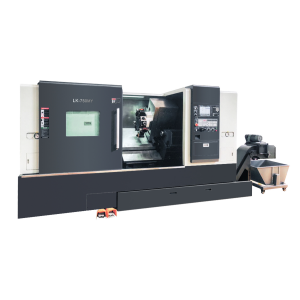
Many industrial buyers prefer equipment capable of combining these processes because their similarities make integration practical. Our Leichman LK-750MY model reflects this design trend by offering turning, milling, and Y-axis machining within one structure. While we do not emphasize the model repeatedly in the same paragraph, the machine demonstrates how the shared characteristics of milling and turning enable efficient multi-tasking. Customers in metalworking, EPC projects, and industrial supply chains often rely on unified platforms because they reduce handling steps and simplify scheduling. Whether they are analyzing the benefits of a CNC turning and milling machine or planning work that involves CNC milling and turning, the consistent principles behind both operations support reliable workflow consolidation.
Conclusion
Understanding these similarities helps us communicate more clearly with partners across procurement, distribution, and manufacturing. By recognizing how milling and turning share material-removal logic, workflow objectives, and operational programming, we can recommend appropriate configurations with greater accuracy. This knowledge also guides us when developing solutions that combine both capabilities. In our ongoing work with clients, we continue to apply these shared principles to ensure stable performance across every CNC turning and milling machine project and to support applications where CNC milling and turning are required.