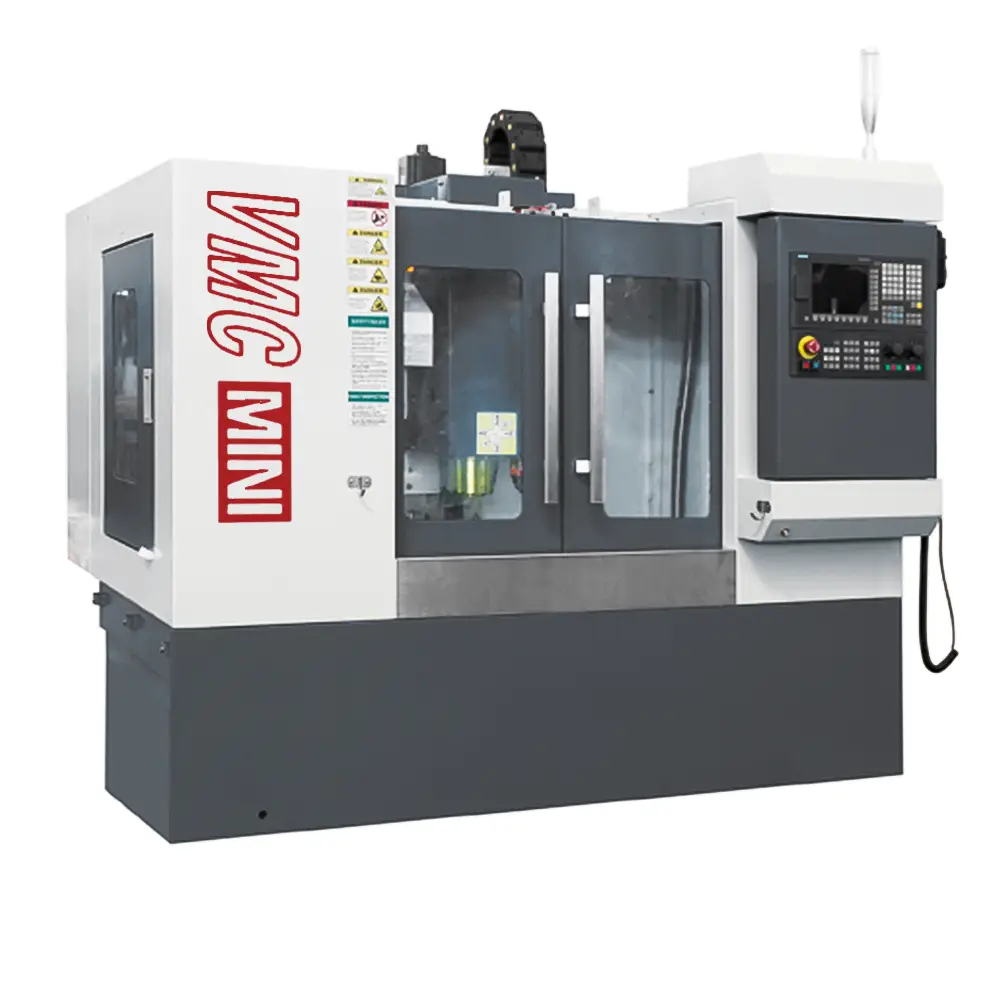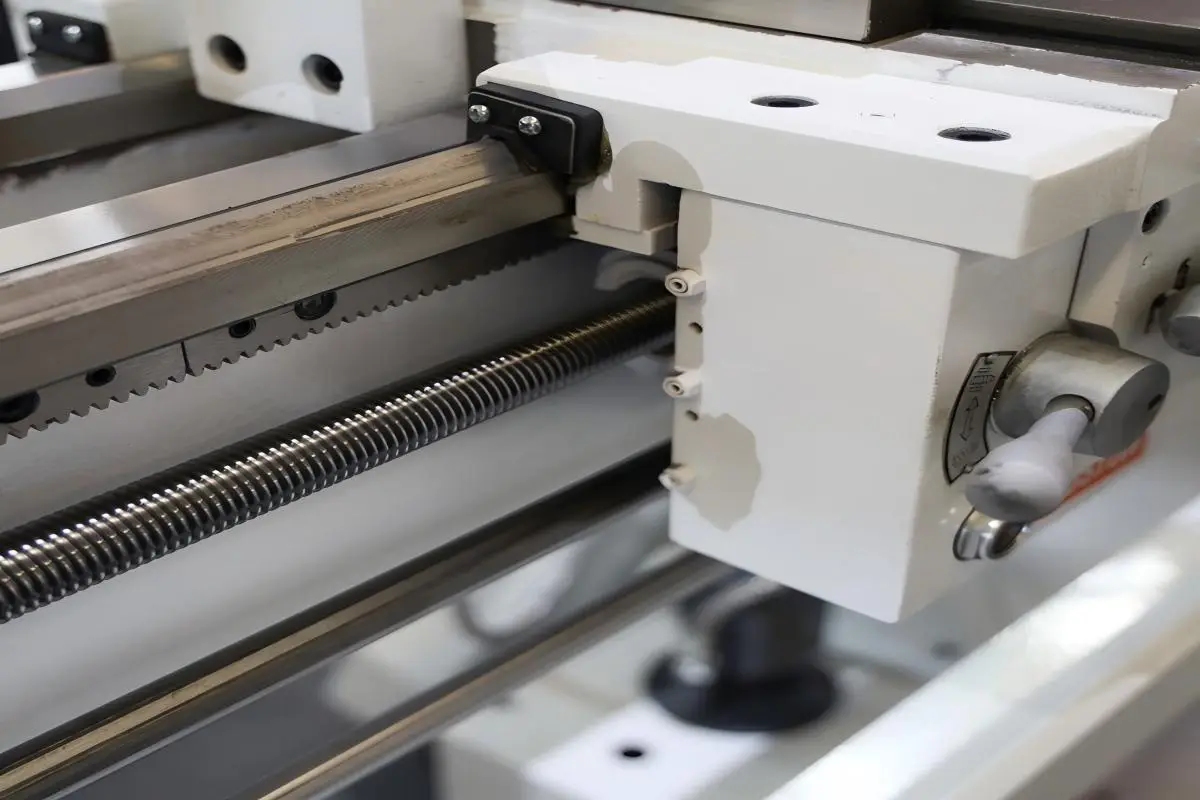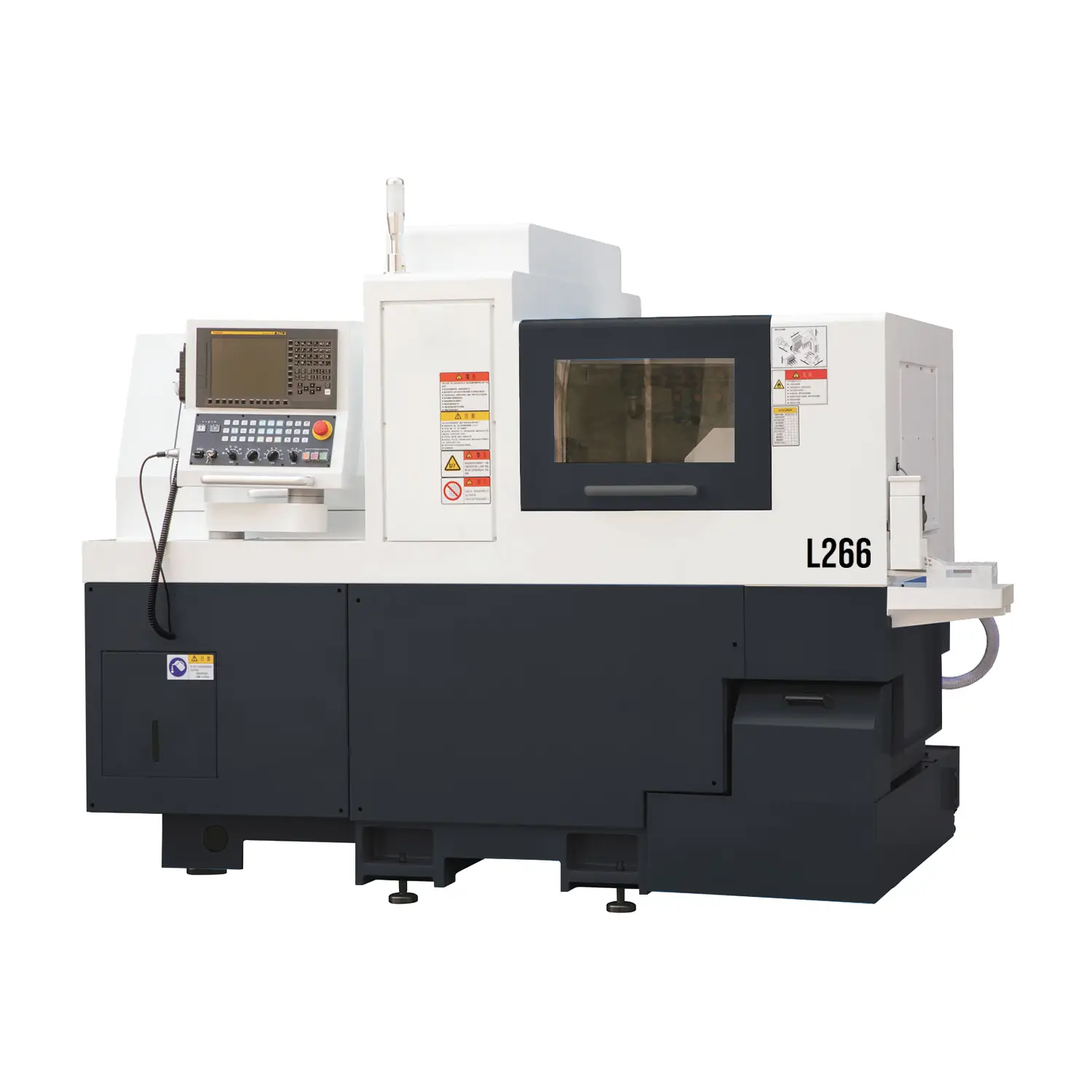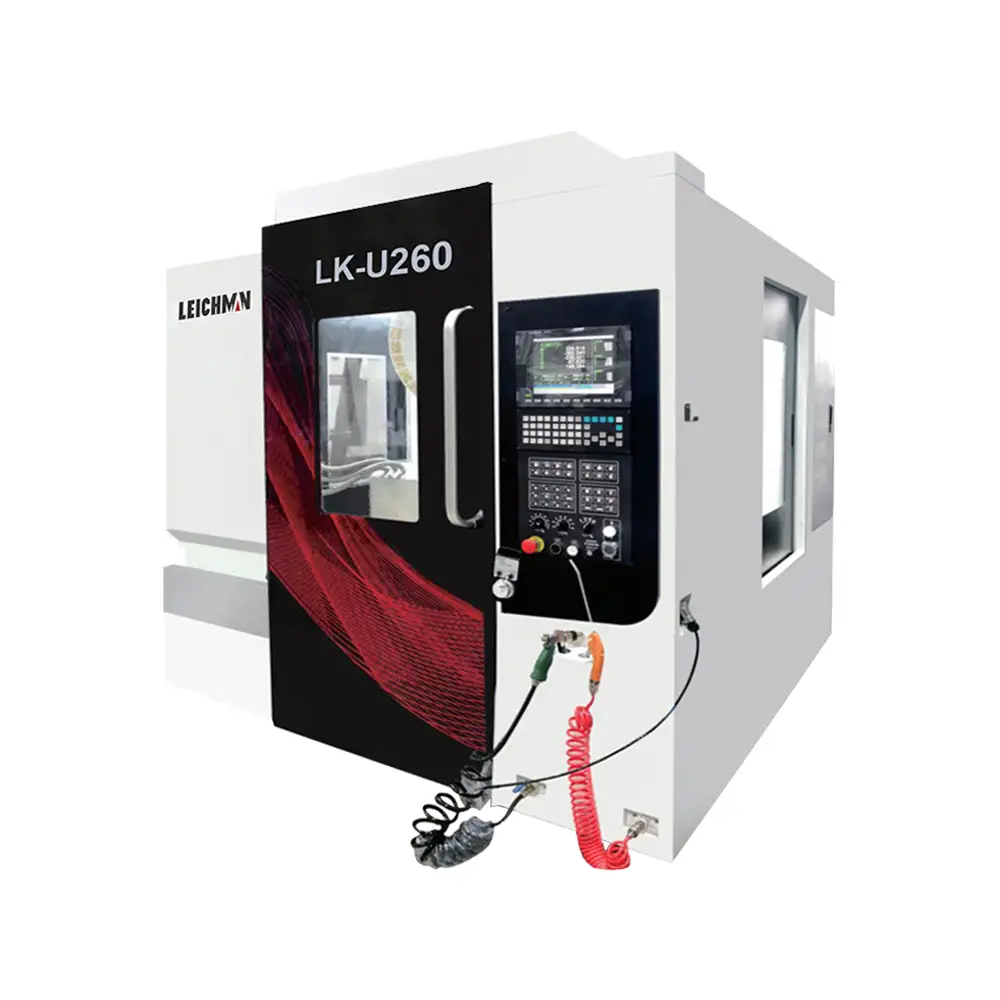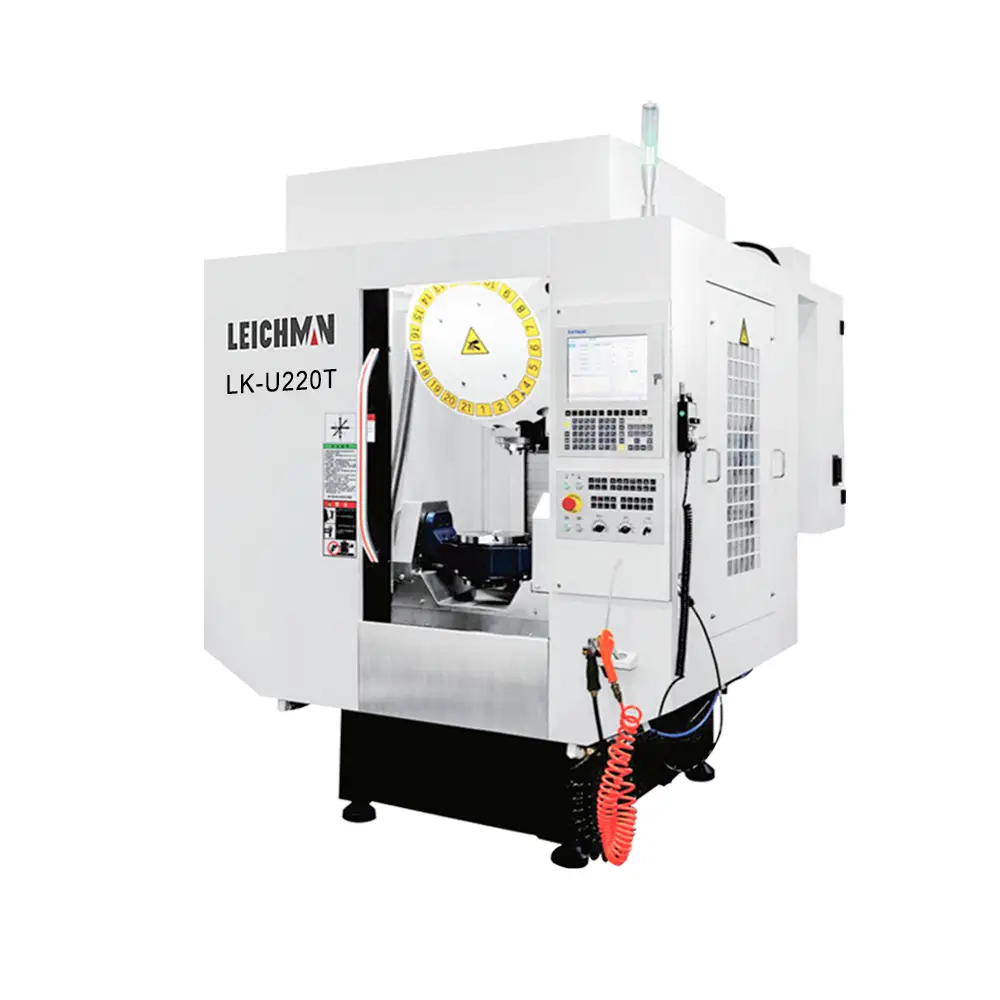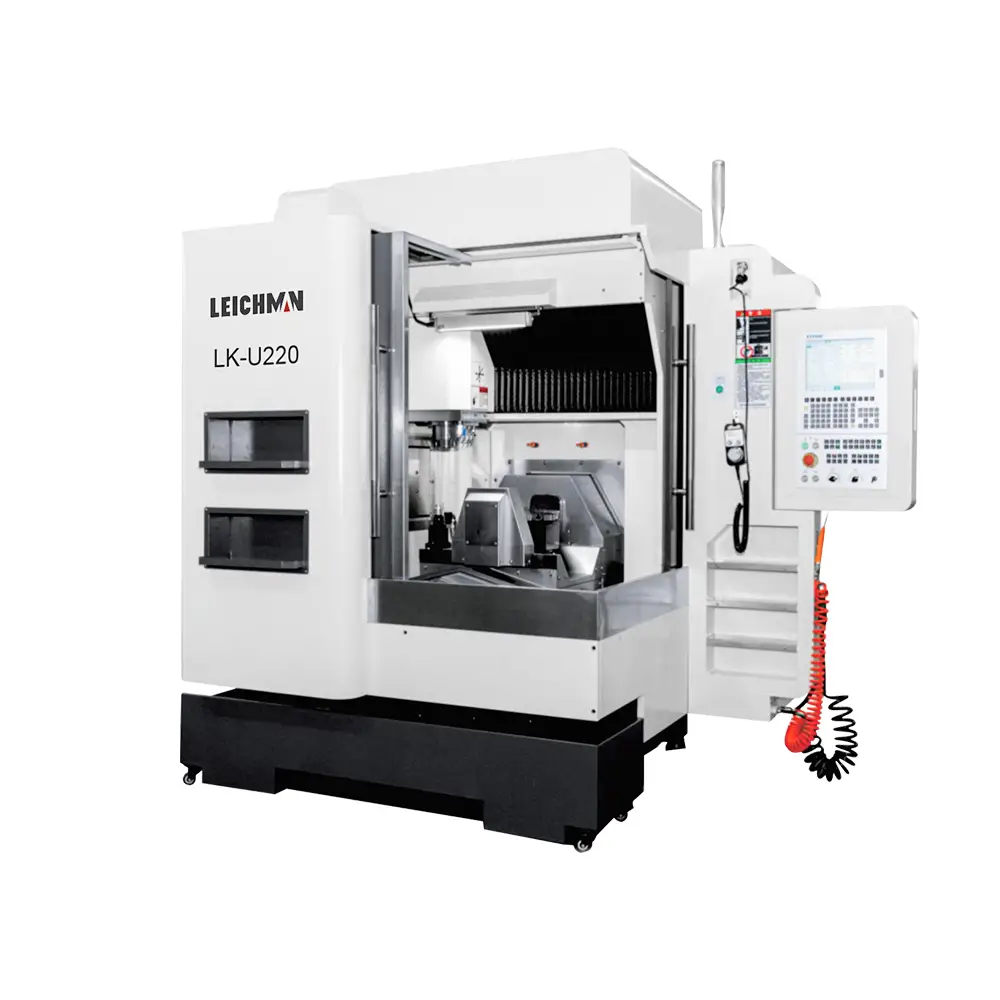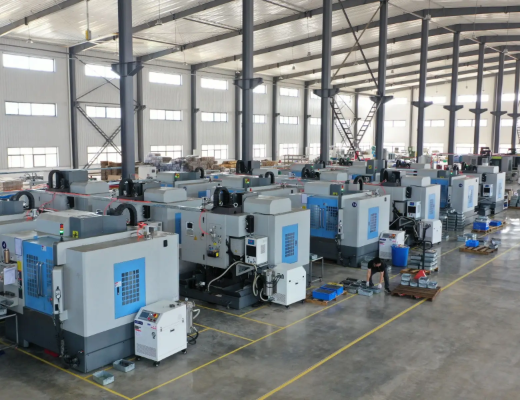
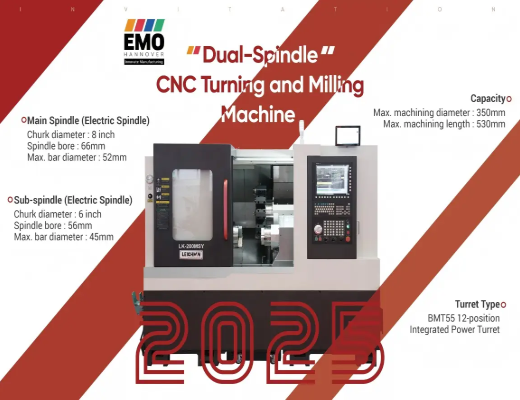
As Leichman, we focus on delivering high-performance CNC machining solutions and CNC manufacturing solutions that support the evolving needs of metalworking industries. When customers ask what types of manufacturing processes a hybrid CNC can perform, we look at this question through our daily work with global buyers, EPC teams, industrial distributors, and metal-processing factories. A hybrid platform enables us to combine multiple machining methods into one system, improving flexibility for complex components while maintaining tight accuracy standards. This capability is especially important when producing medical-grade parts such as stainless bone screws and dental components where ±0.001 mm repeatability is required. Our goal is to help customers streamline production while keeping processes stable and predictable.
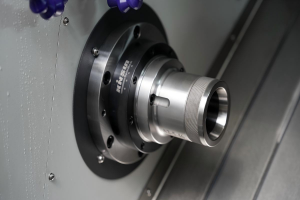
Multi-Process Integration in a Single Platform
In our operation, hybrid CNC equipment allows us to merge turning, milling, drilling, and threading into one workflow. With CNC machining solutions, we can handle both prismatic and cylindrical features without secondary setups, reducing cumulative error and lowering fixture costs for B-end clients. The flexibility of CNC manufacturing solutions also supports non-standard production tasks often requested by international traders and equipment distributors. As a HOSTON sub-brand, we rely on mature mechanical structures and stable control systems to ensure that each process shift—whether from milling to drilling or from roughing to finishing—remains consistent. This integrated approach is particularly valuable in medical-part machining, where surface transitions must stay smooth to maintain functional integrity.
Precision Support for Complex Materials
When dealing with stainless steel, titanium alloys, or high-strength engineering plastics, we use hybrid CNC systems to combine high-speed milling for contour shaping with controlled-torque turning for threaded or rotational features. These methods allow us to maintain ±0.001 mm accuracy for medical parts throughout the machining cycle. The capabilities embedded in our CNC machining solutions help stabilize thermal loads and reduce vibration during tool changes, while CNC manufacturing solutions give us the flexibility to adjust spindle parameters and cutting paths based on material response. For procurement teams and factory engineers, this means they can rely on stable repeatability even when requirements shift from standard components to specialized orders.
Enhancing Workflow Efficiency for Global Clients
We apply hybrid CNC technology to shorten production cycles, especially for customers who manage cross-border projects or face tight delivery schedules. With our Leichman CNC machining solutions, complex parts can be completed in fewer setups, improving consistency across batches while supporting traceable process control. At the same time, CNC manufacturing solutions allow us to adapt machine configurations for custom travel lengths, control systems, or part dimensions. This flexibility aligns with the needs of metal-processing plants, industrial wholesalers, and mechanical-equipment agents who require reliable yet adaptable machining capacity. By consolidating high-precision functions, our hybrid CNC approach supports smoother procurement, reduced downtime, and more predictable manufacturing performance.
Conclusion
In summary, a hybrid CNC enables us at Leichman to combine turning, milling, drilling, threading, and fine-finishing into one coordinated workflow. This supports both standard production and demanding applications such as ±0.001 mm repeatability medical parts. By integrating these capabilities into our CNC machining solutions and CNC manufacturing solutions, we help global B-end customers achieve flexible, stable, and efficient manufacturing outcomes.