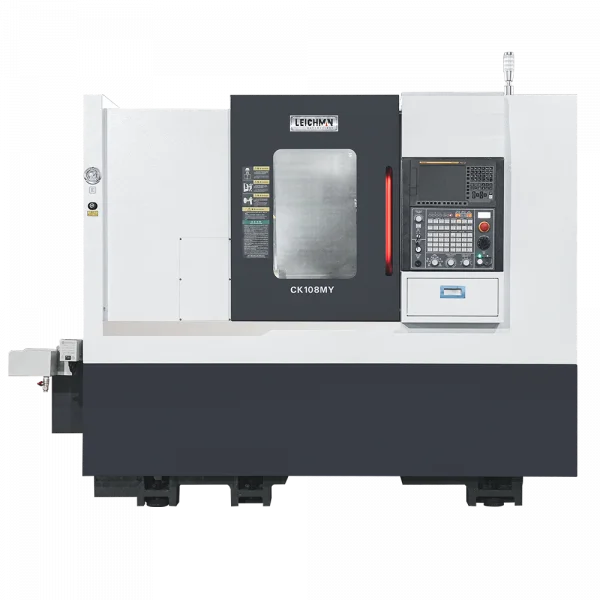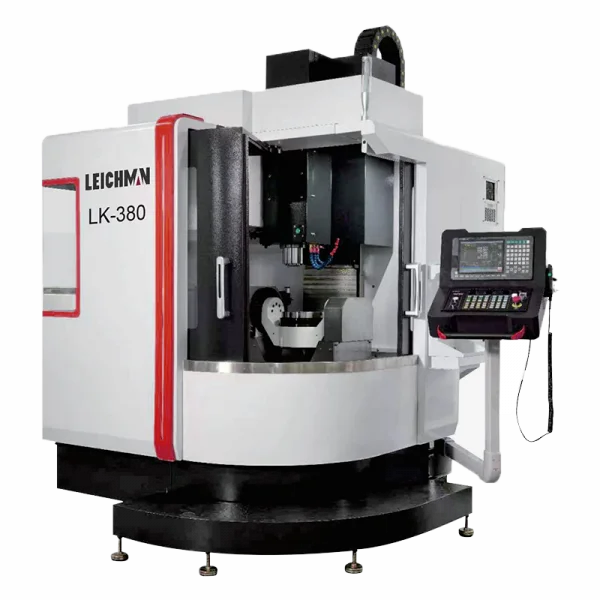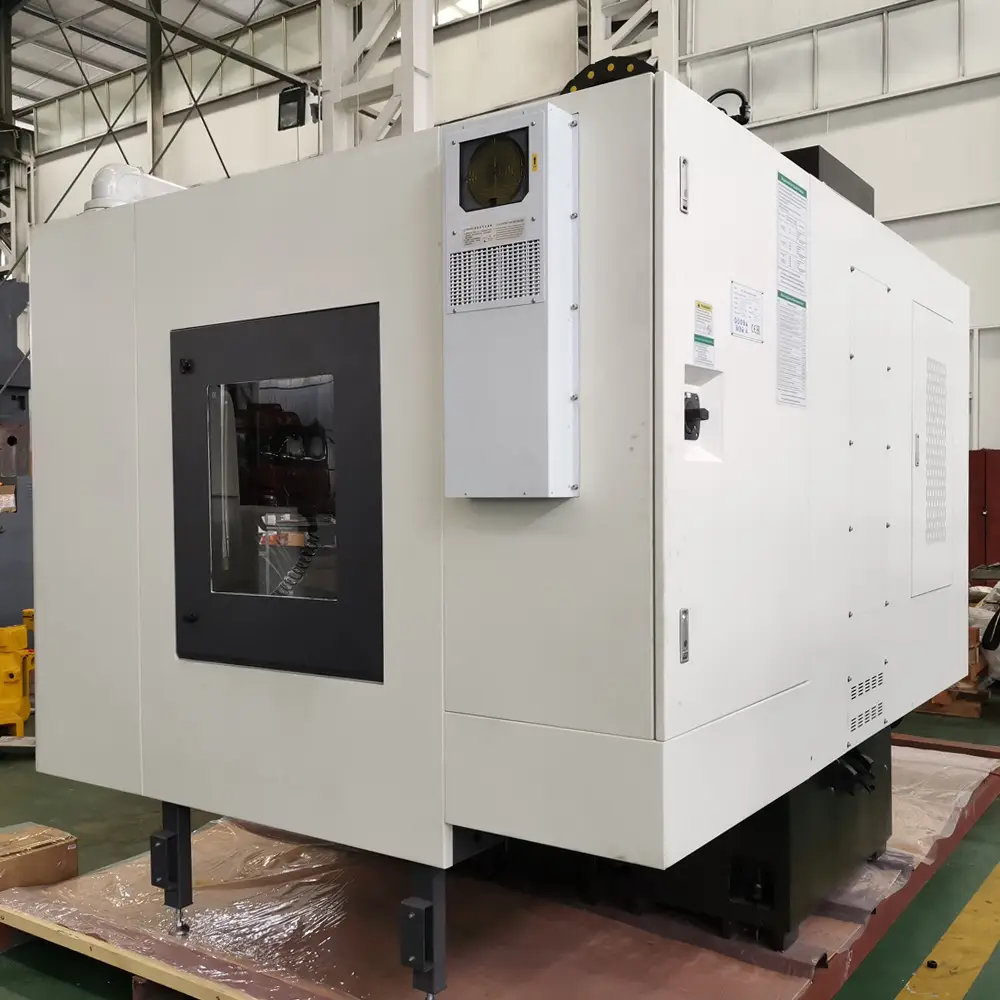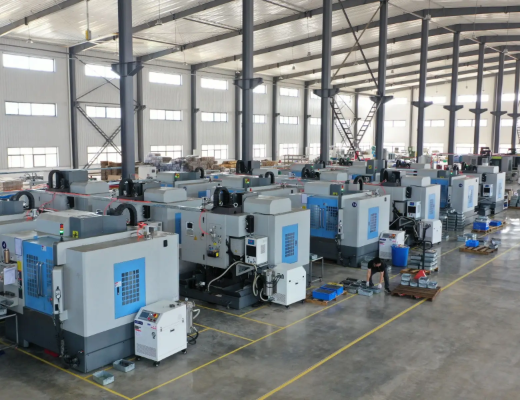
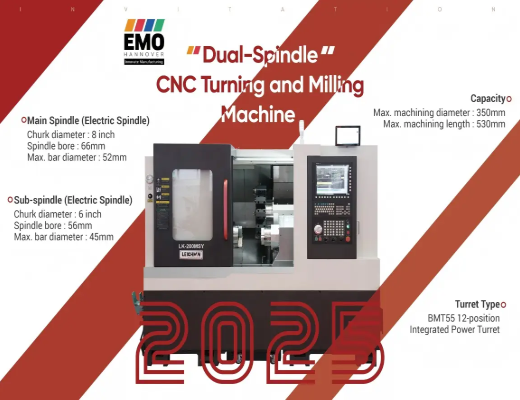
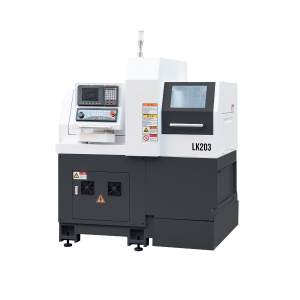
When we at Leichman discuss modern machining solutions, we often encounter questions about the differences between CNC lathe machines and traditional lathes. As a brand under HOSTON, our company specializes in high-precision CNC solutions, serving clients in metalworking, manufacturing, and industrial equipment sectors worldwide. As one of the reliable CNC lathe manufacturers, we ensure that our systems deliver consistent accuracy and productivity. One of our models, the Leichman LK203 Swiss-type CNC Lathe, represents our approach to advanced machining, combining precision, automation, and reliability. By understanding how CNC technology differs from conventional lathes, our customers can make informed decisions for upgrading their production processes.
Precision and Automation in CNC Systems
Unlike traditional lathes that require constant manual adjustments, a CNC lathe machine operates under programmed control, which allows for consistent precision across multiple parts. We design our systems to perform complex operations that would otherwise require significant manual effort, reducing error rates and optimizing production schedules. The Leichman LK203 Swiss-type CNC Lathe incorporates high-quality components such as linear guides and precision spindles, ensuring smooth, repeatable performance. For clients in industries such as metal processing, mechanical assembly, and industrial manufacturing, this automation translates directly into higher productivity and lower operational risk. As one of the leading CNC lathe manufacturers, we focus on integrating precision components to maintain consistent quality across all units.
Flexibility and Customization
Flexibility is another major advantage of CNC systems. Traditional lathes require setup adjustments for each new task, which can consume time and labor. In contrast, CNC lathe machines can switch between programs and configurations quickly, accommodating varying part geometries, sizes, and materials. We provide full customization options for our clients, including control system preferences, processing strokes, and even machine aesthetics such as color and branding. Our solutions are designed to integrate seamlessly into existing production lines, allowing EPCs, international distributors, and industrial equipment partners to adopt tailored workflows without extensive downtime. Partnering with a trusted CNC lathe manufacturer like us ensures that each solution meets the specific needs of diverse industrial applications.
Efficiency and Industrial Integration
Efficiency remains a critical consideration for our B2B clients. A CNC lathe machine can run continuously with minimal supervision, executing programmed sequences that traditional lathes cannot replicate. At Leichman, we pair our equipment with comprehensive support services, including 24-hour technical consultation, proactive maintenance guidance, and full order tracking. Our systems are compatible with diverse production environments, and we support both standard and non-standard projects across the metalworking supply chain. These capabilities help reduce procurement cycles, optimize inventory, and improve overall operational efficiency for factories and distributors.
Conclusion
In summary, a CNC lathe machine such as the Leichman LK203 Swiss-type CNC Lathe offers clear differences from traditional lathes in automation, precision, flexibility, and industrial integration. We at Leichman are dedicated to providing reliable CNC solutions that help our clients streamline manufacturing, adapt to customized production needs, and maintain consistent performance. As experienced CNC lathe manufacturers, we combine advanced technology, tailored configurations, and ongoing support to help international trade partners, metal processing companies, and industrial distributors achieve practical, efficient, and adaptable machining workflows.