In the competitive landscape of modern manufacturing, precision is not just a requirement for the finished part—it is a requirement for the entire business model. At Jiangsu Leichman Automation Technology Co., Ltd., we recognize that for B2B enterprises, time is the most valuable resource material. As a dedicated sub-brand of Hoston, a name synonymous with more than 30 years of engineering excellence, Leichman focuses on delivering high-end CNC solutions that empower global clients to scale with confidence. Whether you are managing a high-volume production line or a specialized custom project, accurately estimating CNC machining time accurately is the cornerstone of profitable quoting and lean manufacturing.
The Fundamental Formula for CNC Machining Time
To provide an accurate quote or schedule a production run, we must first break down the physics of the cut. The basic mathematical premise for machining time is the relationship between the distance the tool travels and the speed at which it moves. For standard milling operations, we utilize the following primary formula:
Machining Time (T) = [Length of Cut (L) × Number of Passes] / [Feed Rate (F) × Spindle Speed (N)]
Where:
Length of Cut (L): This includes the job length plus the tool approach and over-travel distances to ensure a clean entry and exit.
Feed Rate (F): Measured in inches per revolution (IPR).
Spindle Speed (N): The RPM determined by the material’s surface speed and tool diameter.
While these formulas provide the “theoretical” time, real-world efficiency depends heavily on the stability of your CNC machining equipment. A machine that vibrates or loses steps under high feed rates will force operators to reduce speeds, instantly inflating your cycle times.
Factors Beyond the Cut: Calculating Total Cycle Time
In a B2B environment, calculating only the “tool-in-metal” time is a common pitfall. We advise our clients to look at the Total Cycle Time, which encompasses the entire window from “green button” to “part removal.” This is where the engineering quality of your CNC equipment manufacturers becomes apparent. Total cycle time is the sum of:
Actual Cutting Time: The duration calculated by the formulas above.
Rapid Traverse Time: The time the tool spends moving at high speed between features (air-cutting).
Tool Change Time: Depending on the part’s complexity, this can add significant seconds.
Loading and Unloading: The ergonomics of the machine’s workspace.
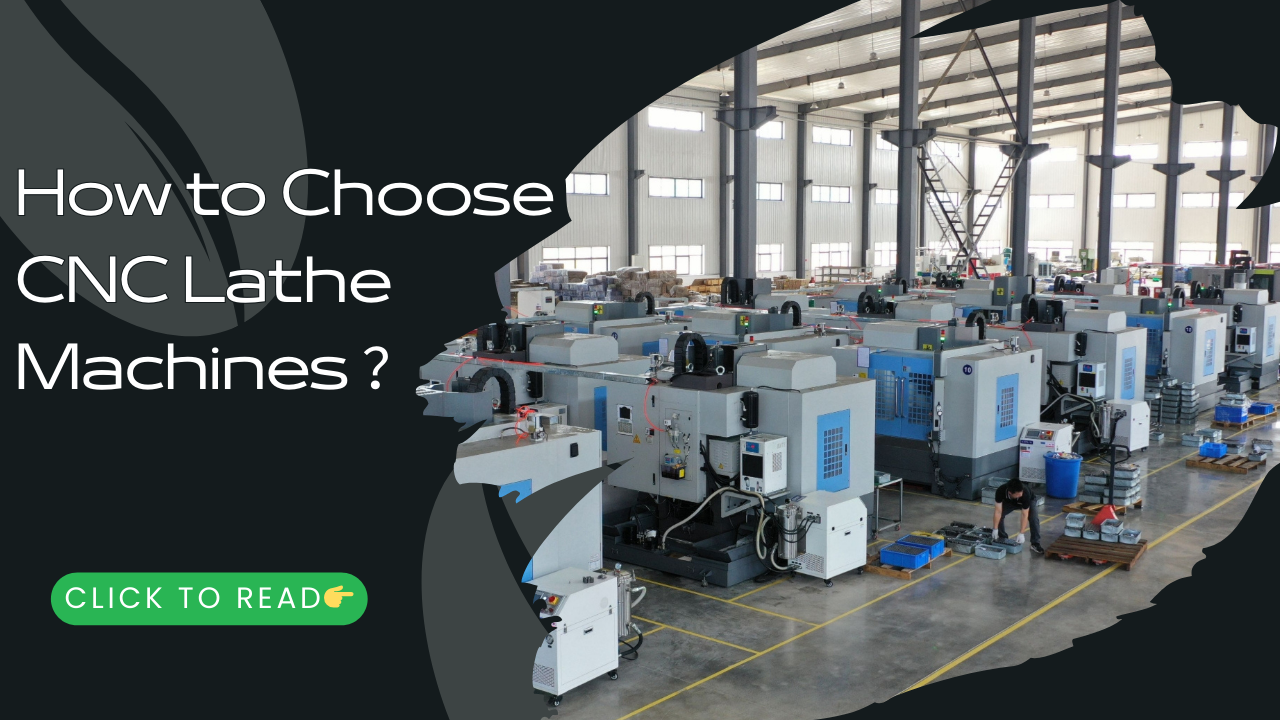
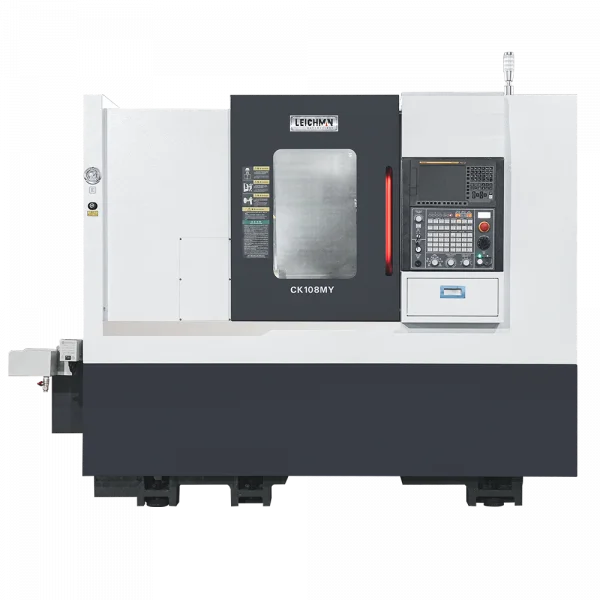
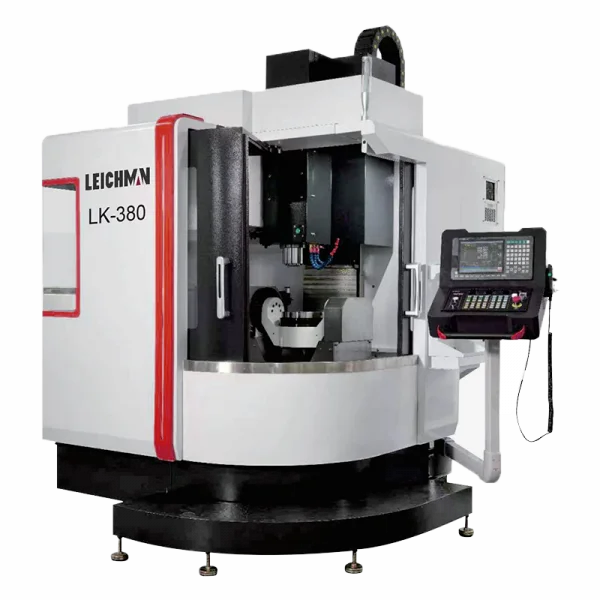
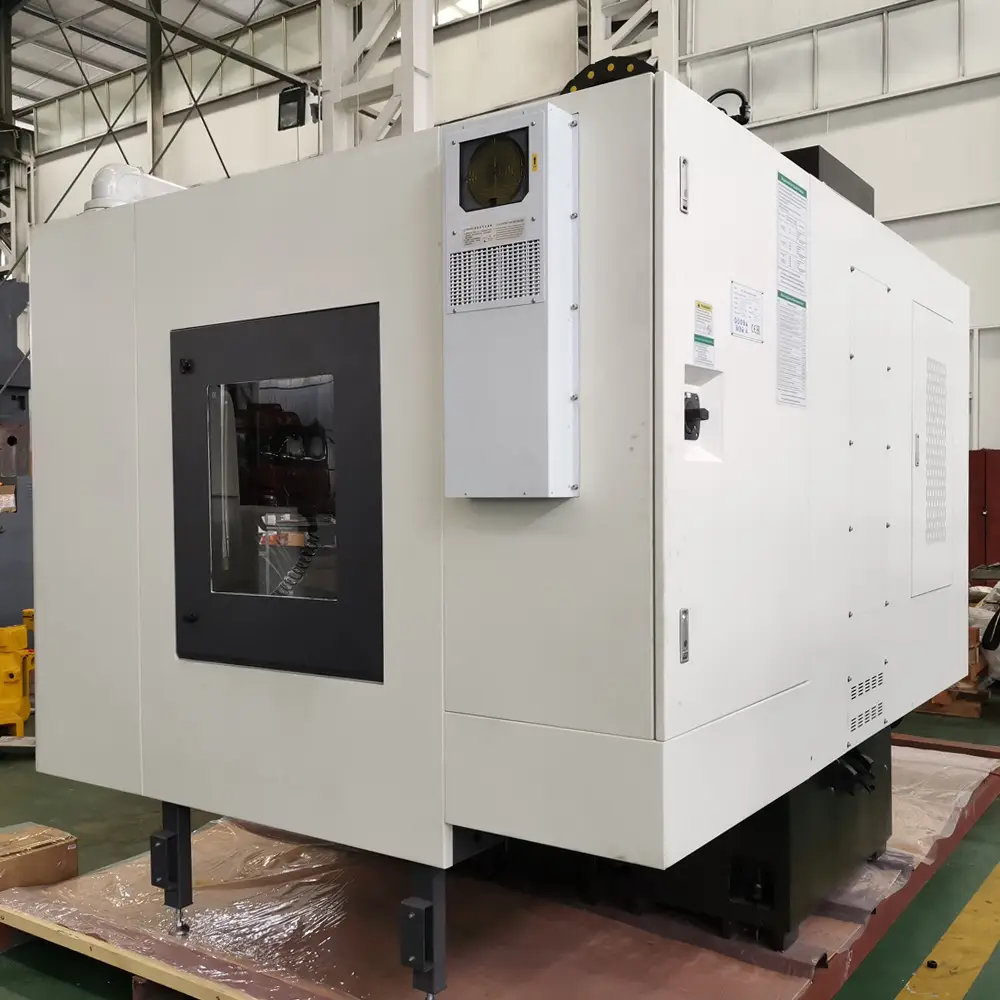
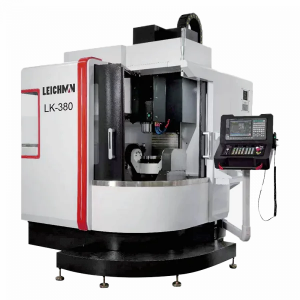
Our Leichman CNC systems are engineered with a compact, industrial-grade structure and a clear operating area. This design is not merely aesthetic; it is a functional choice that minimizes part-handling time and provides operators with the visibility needed to execute rapid changeovers safely.
Why Machine Stability Matters for Precision Estimation
Predictability is the friend of the estimator. If a machine’s performance is inconsistent, your time estimates are essentially guesswork. This is why we prioritize high-end core components from internationally renowned brands. By integrating Syntec controllers and Japanese THK guide rails, our equipment ensures that the feed rates you program in your CAM software are the feed rates achieved on the factory floor.
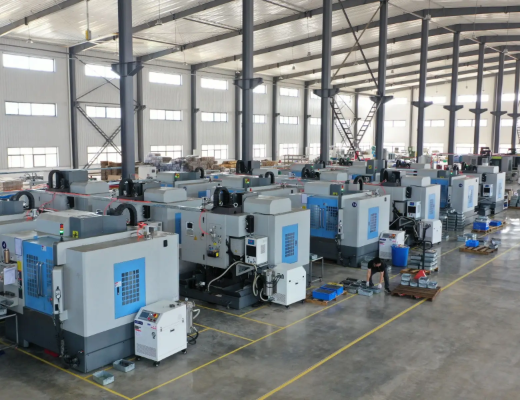
Every machine we manufacture undergoes rigorous, continuous operational testing before leaving the factory. This ensures that the stability and high efficiency we promise are backed by data. For SMEs undergoing transformation, this reliability means you can quote jobs with tighter margins and higher confidence, knowing your “estimated vs. actual” time variance will remain exceptionally low.
Leveraging Leichman for Your Growth Strategy
We recognize that the leap into high-end CNC automation can be daunting for growing businesses. As a direct-supply factory, we eliminate the “middleman markup” often found with imported brands. This allows us to offer world-class technology at a value point that supports the upgrading needs of SMEs without compromising on the quality of the CNC machining equipment.
Customization and Low MOQ Support
In today’s market, flexibility is a competitive advantage. We support single-unit orders to help our clients test new markets or take on small-batch customized projects. Whether you need a specific control system, a unique processing schedule, or your own brand’s color and logo, our customization support ensures the equipment fits your specific industrial identity.
Professional Consultation and Global Support
Estimating machining time accurately often requires a deep understanding of material behavior and toolpath optimization. We don’t just sell machines; we provide solutions. Our professional foreign trade team offers free one-on-one consultation services.
When you partner with us, you are gaining more than a supplier; you are gaining the collective expertise of the Hoston Group and the specialized innovation of the Leichman brand. Our goal is to ensure that your factory’s image is enhanced not only by the sleek, industrial design of our machines but by the efficiency and profitability of your production output.
Conclusion
Mastering the art of estimating CNC machining time is a balance of physics, mathematics, and equipment reliability. By choosing CNC equipment manufacturers who prioritize component quality and factory-direct support, you remove the variables that lead to production delays and lost revenue.
If you are ready to upgrade your facility with equipment that delivers consistent, high-efficiency performance, we invite you to explore our latest range. From high-speed centers to heavy-duty machining solutions, we are here to support your journey toward manufacturing excellence. Contact our technical team today for a one-on-one consultation and let us help you optimize your next production cycle.