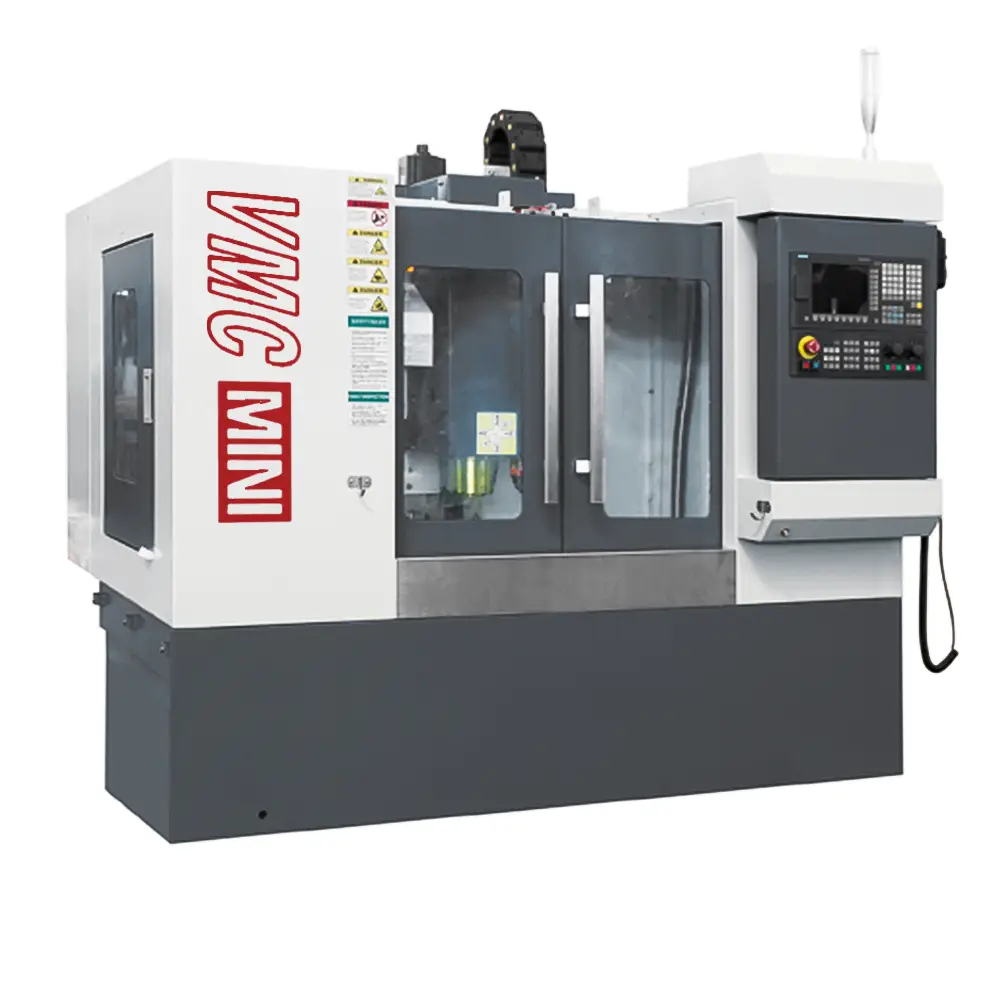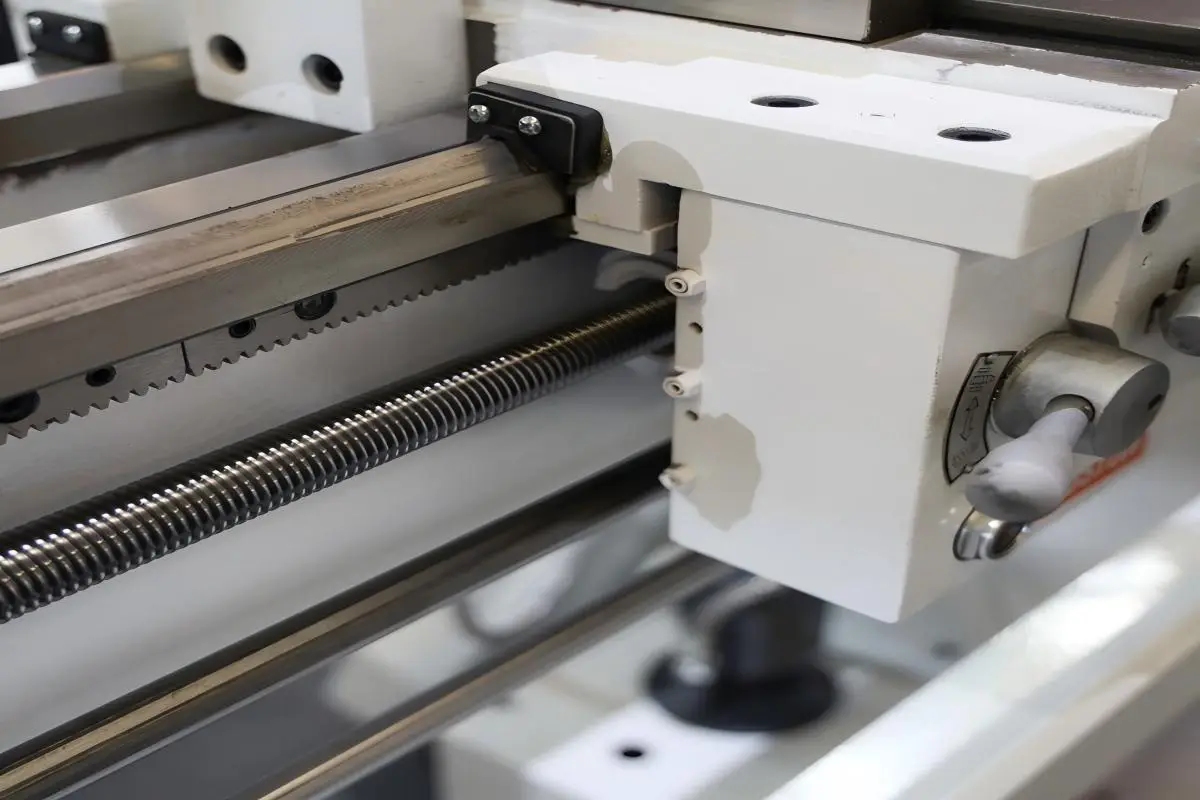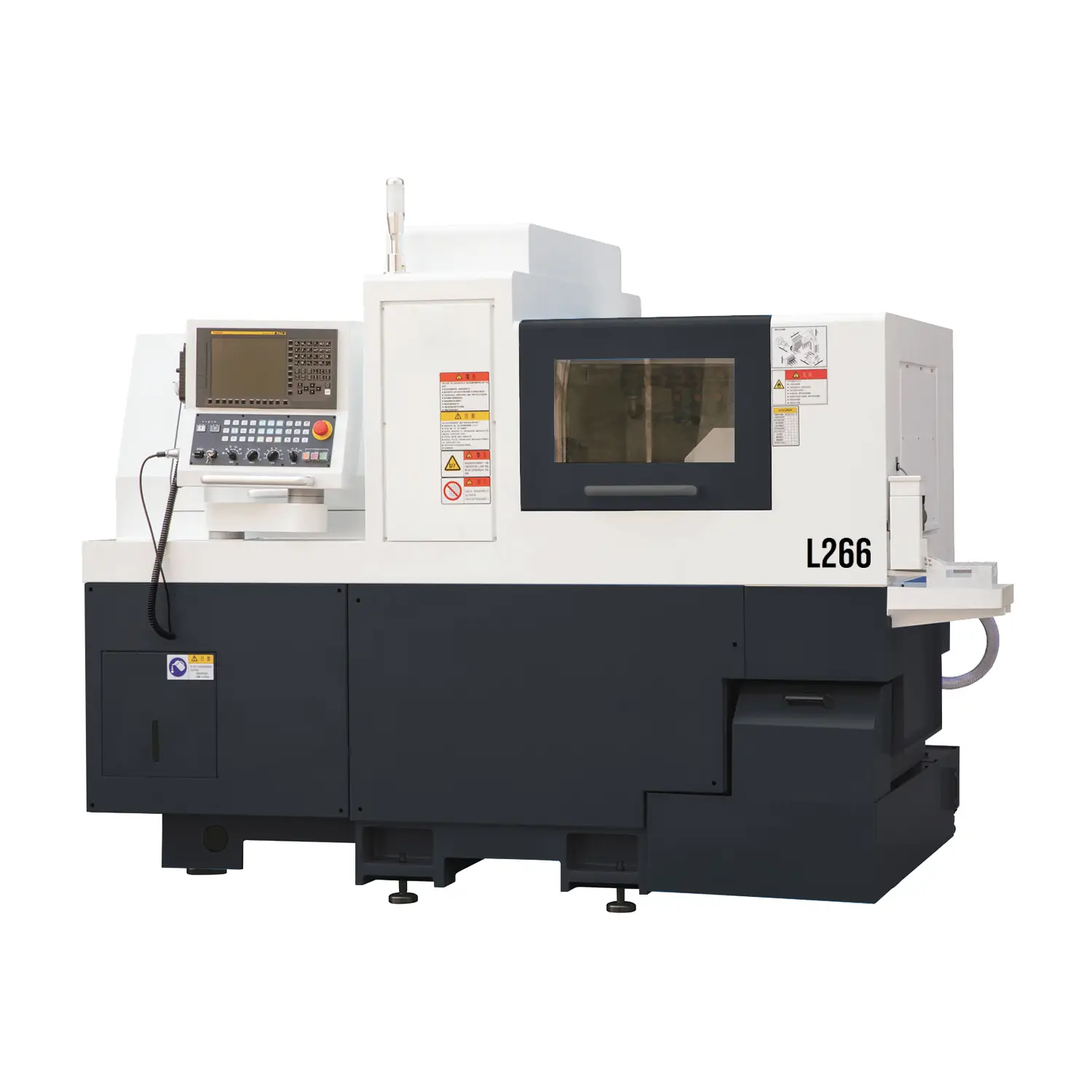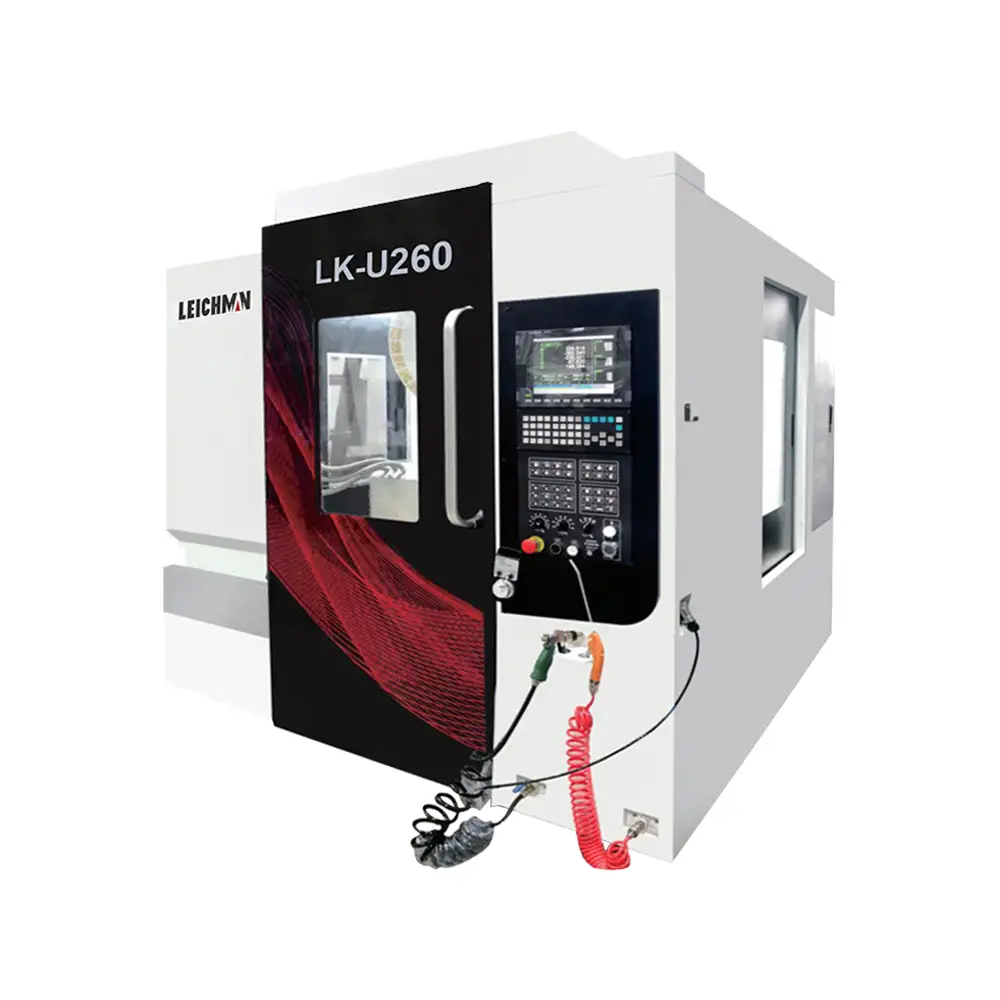
In our daily cooperation with global industrial clients, we often encounter machining tasks that involve different metals or composite materials within one workflow. As a sub-brand of HOSTON, Leichman focuses on providing solutions that help customers manage these challenges effectively. When working with any CNC turning and milling machine, variations in hardness, thermal behavior, and chip formation can lead to material compatibility issues. The same applies to integrated CNC milling and turning processes, where turning and milling need to stay balanced within a single setup. Over time, we have developed structured methods to identify and resolve these conflicts to support stable and predictable production.
Understanding Compatibility Risks
Among procurement teams, EPC projects, and metal-processing factories, we often discuss how various materials behave once placed in a CNC turning and milling machine. Differences in thermal expansion or chip discharge between stainless steel, aluminum, and alloy steels can affect tool wear or surface quality. Because CNC milling and turning operations combine multiple machining actions, problems usually appear when one material requires heavy cutting while another needs lighter feeds or controlled temperatures. To avoid uneven results or inconsistent surface conditions, we evaluate conductivity, hardness, and potential reactions before defining the process plan. At Leichman, this step helps us build a stable foundation for each machining task.
Process Adjustments and Tooling Strategies
After identifying the cause of incompatibility, we modify the machining strategy rather than applying a fixed template. On a CNC turning and milling machine, we adjust spindle speeds, coolant flow, and tool-path segments according to the dominant material in the component. Our CNC milling and turning workflow also includes selecting inserts and coatings that reduce friction for specific metals while maintaining consistent tool performance. When operating our LK-750MY model, we separate roughing and finishing paths to prevent cross-material residue and to maintain reliable accuracy. With core components sourced from trusted suppliers, Leichman ensures stable motion and consistent repeatability during these fine adjustments.
Equipment Design and Custom Support
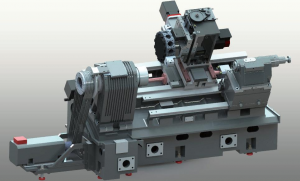
To help customers address material conflicts more efficiently, our LK-750MY center offers flexible configuration options. The CNC turning and milling machine supports multi-axis coordination, allowing operators to manage delicate materials or mixed-batch production without frequent setups. Our CNC milling and turning system can be customized with coolant controls, measurement units, and travel options suited for specialized requirements. At Leichman, we provide consultation, full-order tracking, and non-standard customization so international traders, distributors, and industrial buyers can manage procurement tasks with reduced risk.
Conclusion
Ultimately, resolving material compatibility issues requires clear evaluation, adaptable cutting parameters, and a capable machining platform. With a well-configured CNC turning and milling machine and a carefully structured CNC milling and turning workflow, manufacturers can minimize material conflicts and maintain consistent results. Through Leichman solutions, our clients achieve stable performance and dependable outcomes across a wide range of machining tasks.