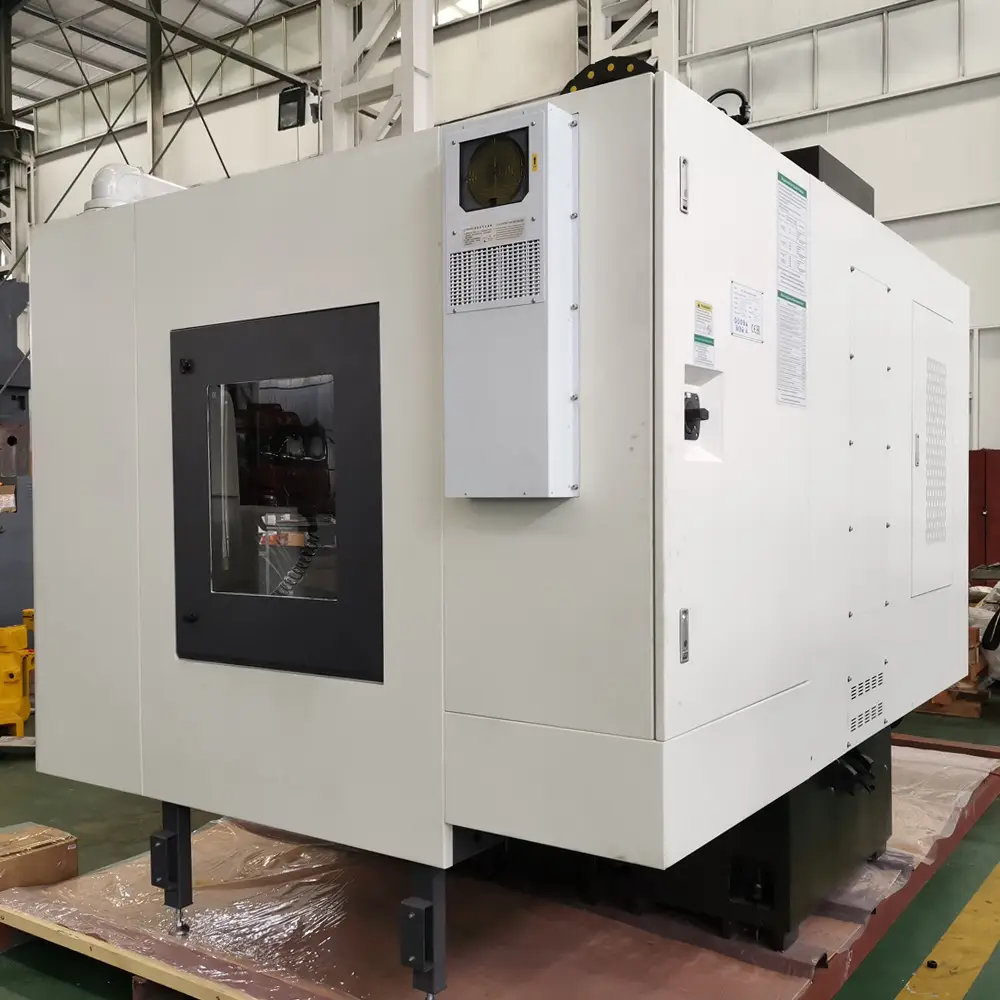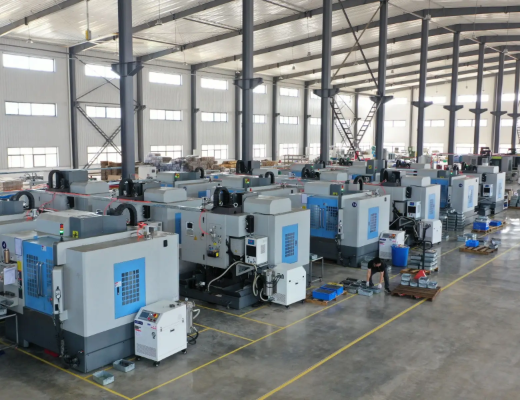
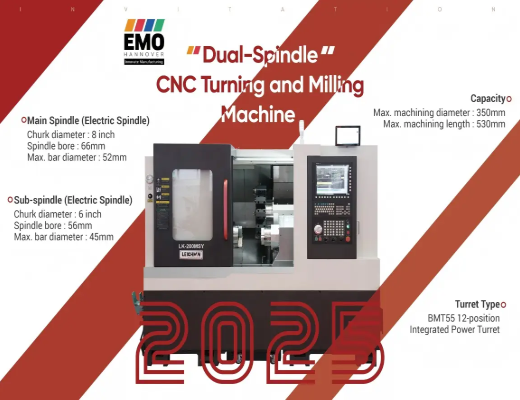
In the current manufacturing landscape, the significance of optimizing machining processes cannot be underestimated. Specialized techniques and innovative machinery are vital to ensuring that manufacturers can produce high-quality components without compromising structural integrity. At Leichman, a trusted name among CNC milling and turning manufacturers, we understand the challenges faced in sequential milling and turning on CNC milling and turning centers. This article explores effective strategies for minimizing residual stress build-up during operations.
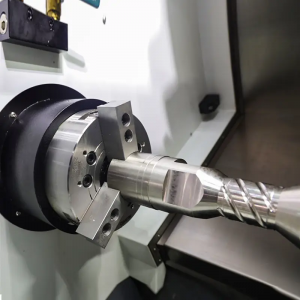
Understanding Residual Stress and Its Impact
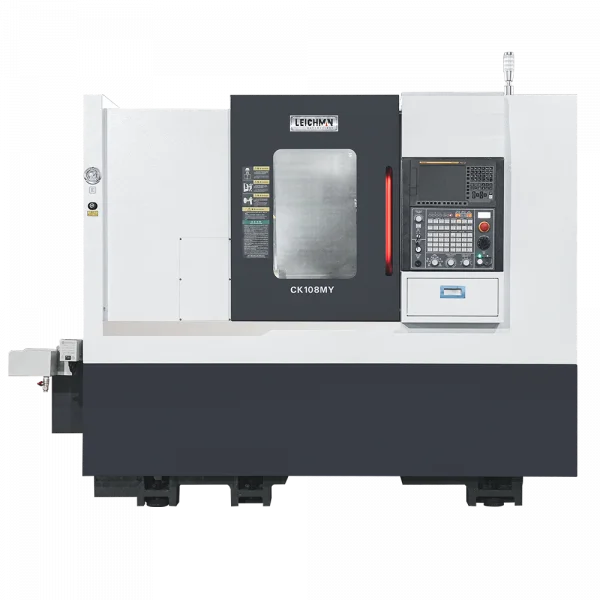
Residual stress can often go unnoticed but can significantly affect the performance and longevity of the final product. When machining, especially with hybrid centers like the Leichman CK108MY CNC turning and milling lathe, stress can develop due to thermal variations and material removal. Addressing these stresses is crucial to avoid issues such as warping and dimensional inaccuracies in the components. To mitigate these effects, manufacturers must first understand the origins of residual stress and how it disrupts the machining process.
Effective Machining Techniques
Implementing specific machining strategies can dramatically reduce residual stress. One approach we adopt at Leichman involves optimizing the cutting parameters, including feed rates and spindle speeds. For instance, using the SYNTEC 22TB system on our CK108MY lathe allows for precise control over these parameters. Additionally, employing adaptive machining techniques helps alter the process based on real-time feedback, effectively minimizing stress onset. By continuously monitoring the machining environment, we can ensure that the components maintain their structural integrity throughout the operation.
Tool Selection and Material Considerations
Another essential factor in combating residual stress is selecting the right tools and materials. The Y-axis servo power turret on the CK108MY enables us to utilize various cutting tools suited for multiple materials. Understanding the material properties is paramount; materials with high thermal conductivity might dissipate heat better and reduce stress accumulation. At Leichman, our engineers conduct thorough research on the materials we work with, allowing for tailor-suited solutions for each project. The selection of tools, coupled with appropriate material choices, leads to reduced stress levels during machining.
Post-Machining Treatments
Lastly, post-machining treatments play a critical role in managing residual stress. Techniques such as stress relieving through annealing or controlled cooling can help mitigate any stresses that remain after machining. At Leichman, we believe that integrating post-processing techniques complements our advanced CNC milling and turning capabilities. This holistic approach ensures that our clients receive components ready for immediate use in their applications.
Conclusion
In addressing the complexities of residual stress during sequential milling and turning, it becomes evident that a multifaceted approach is necessary. Through optimized machining techniques, careful tool and material selection, and effective post-machining treatments, manufacturers can significantly minimize stress accumulation. As part of CNC milling and turning manufacturers, Leichman is committed to advancing these methodologies, empowering businesses with reliable CNC milling and turning centers like the CK108MY and contributing to the overall efficiency of the manufacturing process. Together, we can achieve unparalleled precision and quality.