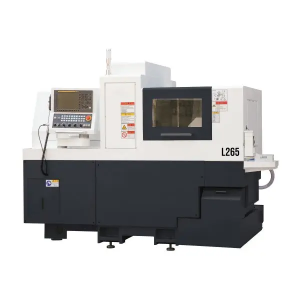
When embarking on a new machining project, understanding the capabilities of your equipment plays a crucial role in ensuring the success of operations. As a part of the HOSTON family, Leichman brings to the table their advanced L265 Swiss-type CNC Lathe, designed for precision and versatility. With features that cater to various industrial needs, it’s essential to dig deeper into the concept of bar capacity and how it impacts the efficiency of CNC lathes.
Importance of Bar Capacity in CNC Operations
Bar capacity in CNC lathes refers to the maximum diameter of the raw material that can fit into the machine. For instance, the Leichman L265 has a maximum bar diameter of 26 mm, which translates to its versatility in handling a range of materials. This bar capacity not only influences the types of projects that can be undertaken but also affects the speed and efficiency of processing. As manufacturers and suppliers, we know that a suitable bar capacity can minimize material waste while maximizing output.
How Leichman’s Design Enhances Machining Efficiency
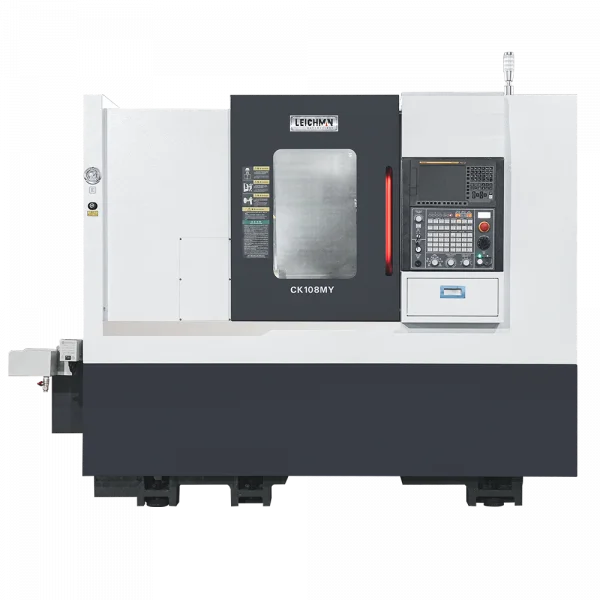
Drawing on our commitment to quality, Leichman’s L265 model features state-of-the-art technology, such as a dual-channel control system and a high-precision oil-cooled electro-spindle. The horizontal linear tool layout enhances accessibility during operations. With a spindle bore diameter of 30 mm and a machining length of up to 2.5D (maximum 50 mm without guide bush), the efficiency of this CNC lathe is aligned to meet the demanding needs of various industries, making it a preferred choice among CNC lathe suppliers.
Comparing Bar Capacity with Other Specifications
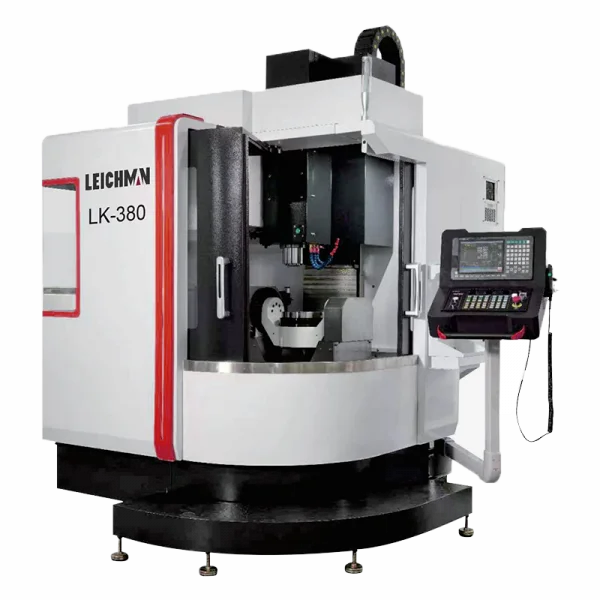
Bar capacity is just one aspect of the overall specifications that define a CNC lathe. As CNC lathe manufacturers, we also emphasize the significance of quick guide mode changes and the functionality of a five-axis CNC lathe. These features work together to offer a robust machining capability. By understanding the relationship between bar capacity and these specifications, prospective buyers can make informed decisions that align with their operational requirements and project goals.
Choosing the Right CNC Lathe Manufacturer
When selecting a CNC lathe manufacturer, the importance of analyzing bar capacity alongside other technical specifications cannot be understated. A well-designed machine, like the Leichman L265, ensures that you benefit from high performance and dependability in production runs. We strive to provide our clients with machines that not only meet their current needs but also allow for future growth and adaptability in a rapidly evolving industrial landscape.
Conclusion
In the ever-competitive market of CNC machining, understanding bar capacity and its implications can significantly affect project outcomes. With the Leichman L265, businesses can leverage high-level specifications and features designed to enhance productivity. As part of the HOSTON brand, we remain committed to offering comprehensive support to our clients, ensuring that they recognize the full potential of their CNC lathe investments. In choosing us as your CNC lathe manufacturers and CNC lathe suppliers, you gain a partner dedicated to fostering your success.