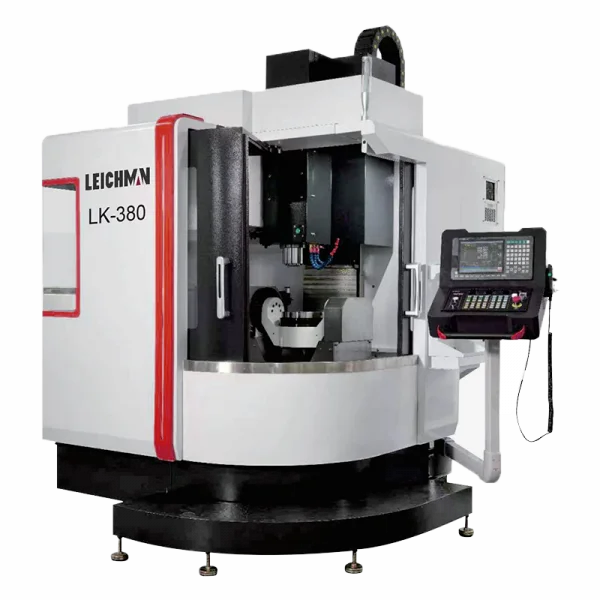
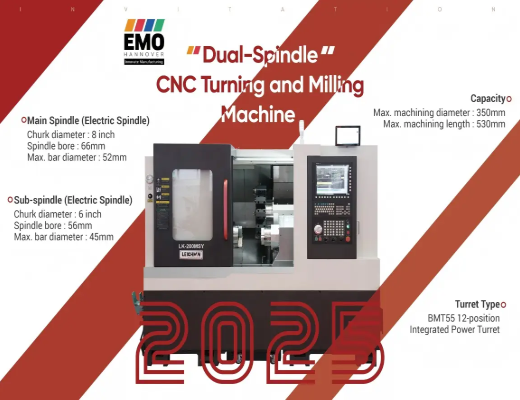
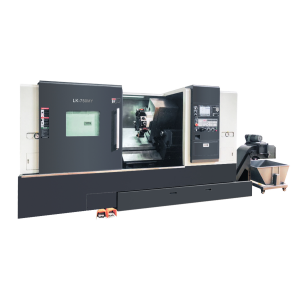
In modern metalworking, we at Leichman recognize that both milling and turning processes play a pivotal role in precision manufacturing. Our CNC turning and milling machine solutions, such as the Leichman LK-750MY, are engineered to deliver versatility across multiple operations. While milling typically involves removing material using rotating cutters, and turning shapes in a workpiece on a spindle, both methods share a commitment to accuracy, repeatability, and efficiency. For clients involved in industrial equipment distribution, EPC projects, or international trade, understanding these shared characteristics is crucial when selecting the right machinery for diverse production scenarios.
Precision and Control in Operations
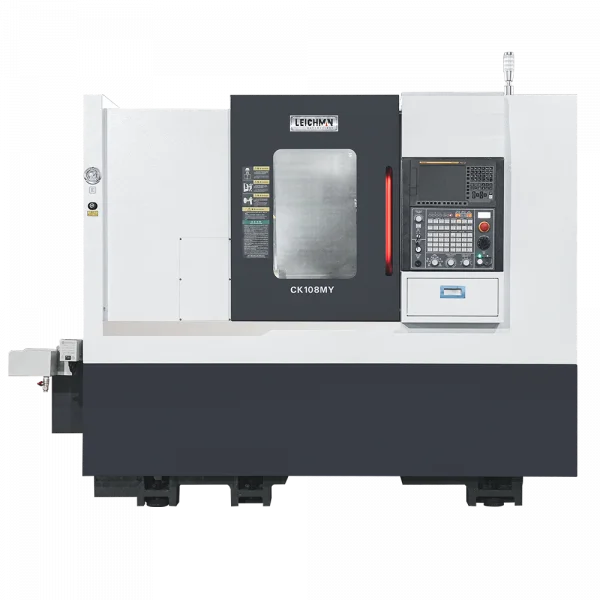
A key similarity between milling and turning is the emphasis on precise control over material removal. Using our CNC milling and turning systems, we ensure that every axis movement is meticulously managed, delivering tolerances down to 0.003mm. Both processes rely on high-quality spindle motors and advanced tool holders to maintain consistent performance. With the Leichman LK-750MY CNC turning and milling lathe, we provide integrated servo turrets and Y-axis capabilities that support both axial and radial milling, as well as turning operations. This allows our industrial clients to streamline workflows while maintaining high product quality standards, regardless of whether the task involves complex contours or standard cylindrical components.
Flexibility and Efficiency Across Applications
We understand that B2B customers demand adaptable solutions. Both milling and turning share a capacity for flexible material handling and tool adaptability. Our CNC turning and milling machine can switch between milling and turning modes quickly, minimizing downtime and optimizing productivity. By offering tailored setups and full-process support, our company ensures that international distributors, metal processing plants, and mechanical equipment agents can handle non-standard parts efficiently. The robust design of the Leichman LK-750MY supports a variety of operations from small batch production to large-scale manufacturing, demonstrating the versatility shared by milling and turning processes.
Supporting Industrial Needs with Expertise
At Leichman, part of HOSTON, we complement our advanced machinery with proactive maintenance and 24-hour technical support. Both milling and turning benefit from optimized spindle control, precise tool positioning, and systematic workflow integration—capabilities built into our CNC milling and turning solutions. Our full-chain support from order management to after-sales ensures that clients in international trade and industrial equipment sectors experience reduced inventory pressure and shortened procurement cycles. We emphasize reliable, durable equipment that aligns with the high standards of our customers’ operations.
Conclusion
In summary, while milling and turning differ in tool orientation and material engagement, they converge in their reliance on precision, flexibility, and efficiency. Through our CNC turning and milling machine offerings, particularly the Leichman LK-750MY, we enable industrial clients to leverage these shared strengths effectively. By integrating adaptable technology, customized configurations, and dedicated support, our company ensures that metalworking operations achieve consistent, high-quality results across both milling and turning applications.