FAQ
- What is a turn mill centerand how does it work?
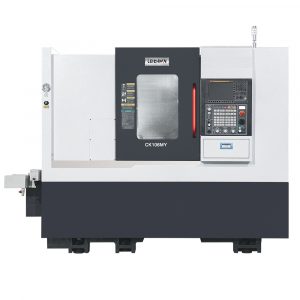
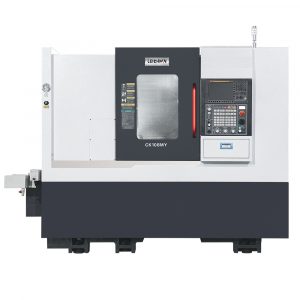
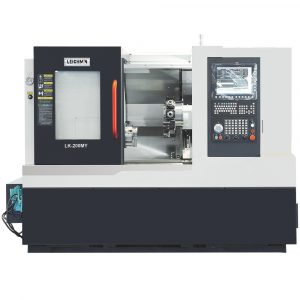
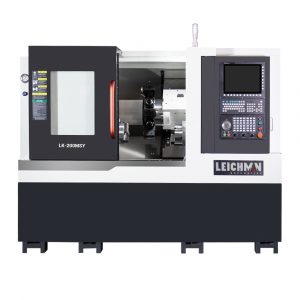
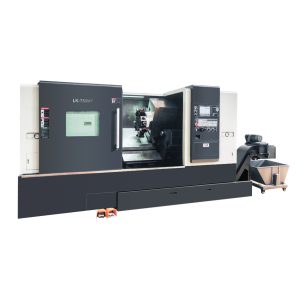
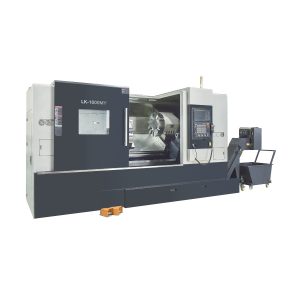
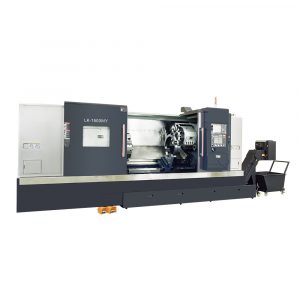
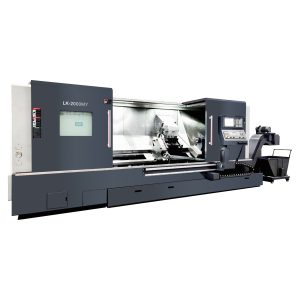
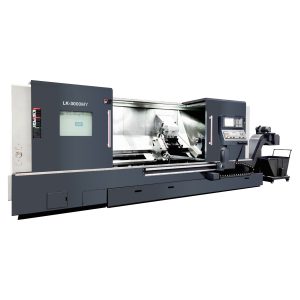
A turn mill center integrates both turning and milling capabilities into one machine, allowing users to complete multi-process machining in a single setup.
- What are the advantages of using a CNC turning and milling center?
A CNC turning and milling center improves accuracy, reduces clamping errors, and significantly shortens production time for complex components.
- What is the difference between CNC lathe and CNC turning Centre?
The difference between CNC lathes and CNC turn mill centers lies in their functionality within a CNC Turning Center. While CNC lathes are simpler and operate primarily on two axes, CNC turn mill centers offer a wider range of capabilities, including the ability to operate on multiple axes for complex machining tasks.
- What features should you look for in a multifunctional mill turn center?
Look for multi-axis capability, rigid structure, high-speed spindle, tool capacity, and advanced control systems for a multifunctional mill turn center. As one of the professional CNC turn mill center manufacturers, Leichman is your best choice.
- What are the maintenance requirements for a CNC mill turn center?
Regular lubrication, chip removal, tool calibration, software updates, and spindle maintenance ensure long-term performance of a CNC mill turn center.
- What are the three main operations used in CNC turn mill machining centers?
The main CNC machining processes:
- Milling, where the spindle rotates removing material.
- Turning, where the cylindrical workpiece rotates while spindle is fixed removing the material.
- Drilling, where a hole is cut into the workpiece.
- Grinding, where a rolling, abrasive wheel removes light amounts of material.
- Sawing where material is cut (into parts) with a blade.
- Finishing operations