Products

Driven by precision, trusted for performance. We provide CNC solutions that manufacturers rely on—every day, worldwide.

Newsroom

Explore our latest updates—from product launches and trade shows to success stories across the machining world.

What Does a CNC Machine Do in Modern Manufacturing?

Manufacturing has changed dramatically in the age of Industry 4.0. At the heart of this transformation is CNC technology — not just a tool, but the backbone of intelligent, automated production. So, what does a CNC machine do in today’s industrial landscape? The answer goes far beyond simple cutting or drilling. CNC machines drive precision, speed, and consistency across virtually every sector of modern industry. Let us explore how these advanced systems shape modern manufacturing.

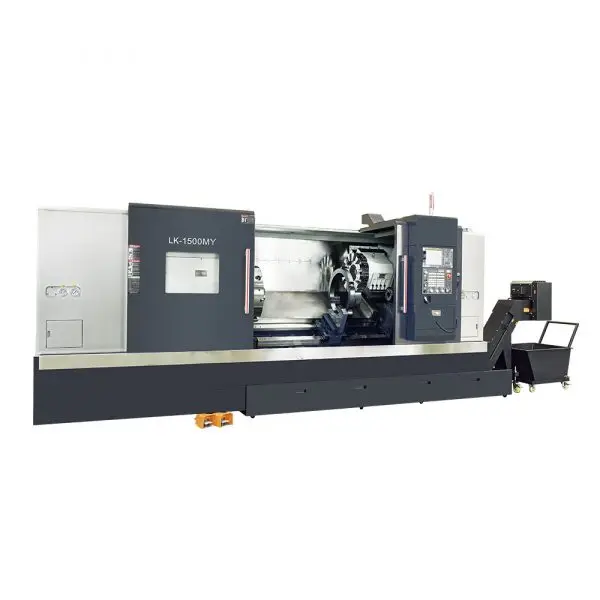
CNC Machine

How Do CNC Machines Work?

CNC stands for Computer Numerical Control. A CNC machine is a computer-controlled manufacturing device that uses pre-programmed software instructions to guide cutting tools along precise paths. Unlike manual machining, the operator does not physically steer the tool. Instead, a digital program — typically written in G-code — tells the machine exactly where to move, how fast, and how deep.

The basic working process follows a clear sequence:

  • Design: An engineer creates a 3D model using CAD (Computer-Aided Design) software.
  • Programming: The CAD model is converted into G-code via CAM (Computer-Aided Manufacturing) software.
  • Setup: The operator loads the workpiece material and selects the appropriate cutting tools.
  • Execution: The machine reads the program and autonomously executes every cut, turn, or mill with high accuracy.
  • Inspection: The finished part is measured and verified against design specifications.

This process can be repeated thousands of times with near-identical results — a capability that manual machining simply cannot match at scale.

What Does a CNC Machine Do?

So, what does a cnc machine do across different global sectors? Let’s see these machines serving a wide range of vital industries daily.

1. Automobile Manufacturing

The automotive industry is one of the largest users of CNC machining. Engine blocks, transmission housings, brake calipers, suspension components — all require tight tolerances that only CNC can reliably deliver. A CNC milling machine is routinely used to machine complex engine parts from aluminum and steel billets. High-volume production lines rely on CNC automation to maintain quality while minimizing cycle times.

2. Engineering Machinery

Heavy equipment manufacturers depend on CNC machining to produce gearboxes, hydraulic valve bodies, and structural frames. These parts must endure extreme loads and harsh environments. CNC ensures each component meets exact dimensional requirements, reducing the risk of premature failure in the field.

3. Aerospace Industry

Few sectors demand more from their manufacturing processes than aerospace. Aerospace CNC machining is used to produce turbine blades, fuselage frames, landing gear components, and structural brackets — often from difficult-to-machine materials like titanium and high-temperature alloys. Tolerances in aerospace can be as tight as ±0.005 mm. Only advanced CNC equipment, including five-axis machining centers, can achieve this level of precision consistently. Aerospace CNC machining is also subject to strict traceability requirements, making the repeatability of CNC processes especially valuable.

4. Medical Technology

Medical CNC machining is used to manufacture surgical instruments, orthopedic implants, dental prosthetics, and diagnostic device components. These parts are often made from biocompatible materials such as titanium, stainless steel, and PEEK. Medical CNC machining must conform to rigorous standards like ISO 13485. Even the smallest deviation in an implant’s geometry can affect patient outcomes, making CNC’s sub-millimeter accuracy essential.

5. Ventilation Systems

CNC machining plays a growing role in the HVAC and ventilation industry. Fan housings, impellers, and duct connectors all benefit from the dimensional consistency that CNC provides. Precision-machined components improve airflow efficiency and reduce vibration noise in ventilation systems — factors that matter greatly in commercial and industrial installations.

6. Hardware Manufacturing

Locks, hinges, fasteners, and fittings are produced in enormous volumes. CNC machining enables hardware manufacturers to maintain tight tolerances across high-volume production runs while switching quickly between product variants. The CNC milling machine is a workhorse in this segment, capable of machining complex profiles in brass, aluminum, and steel with minimal human intervention.

7. General Equipment

From food processing machinery to packaging lines and industrial pumps, general equipment manufacturing relies heavily on CNC for producing custom shafts, brackets, housings, and gears. CNC technology makes it economical to manufacture both short prototype runs and large-batch components with equal precision.

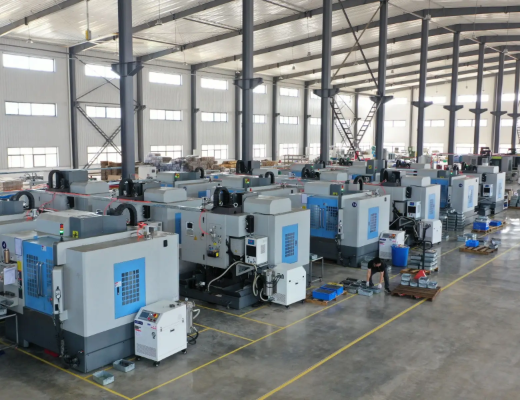
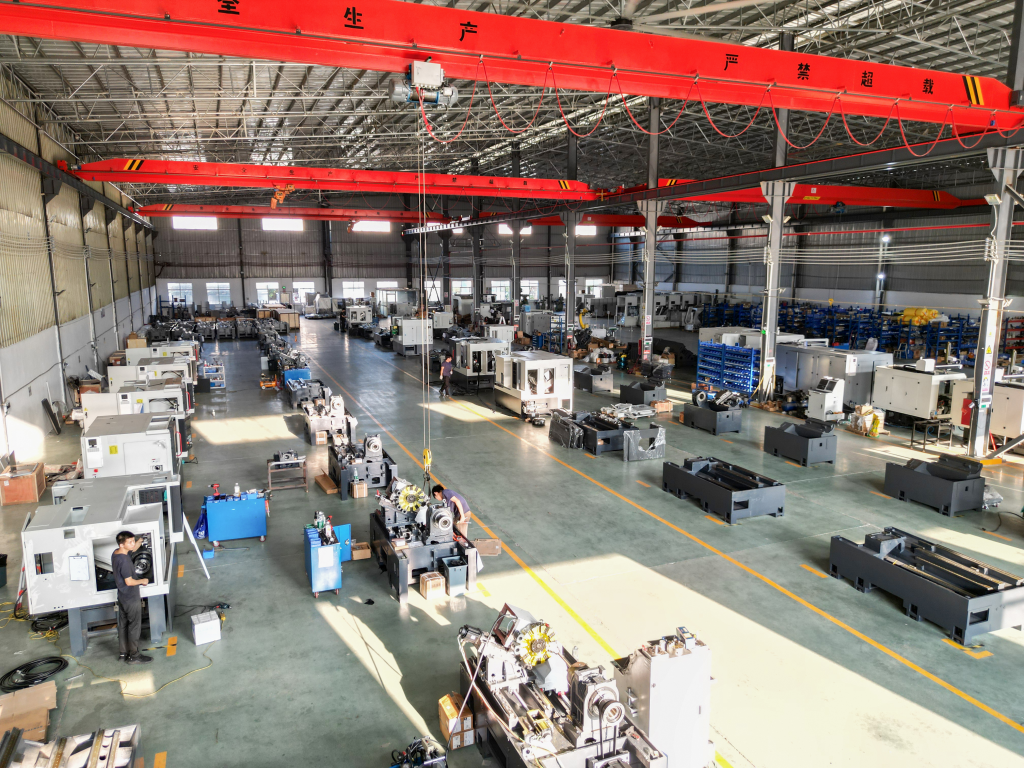
CNC machine factory

Key Advantages of CNC Machining

The widespread adoption of CNC technology is no accident. It delivers concrete, measurable advantages for manufacturers.

1. High Precision

CNC machines operate with extremely tight tolerances, routinely achieving accuracies of ±0.01 mm or better. This is essential for industries like aerospace and medical, where imprecision is not acceptable.

2. Scalable Productivity

A CNC machine can run continuously — 24 hours a day, 7 days a week — with minimal operator intervention. This dramatically increases output capacity without proportional increases in labor cost.

3. Consistent Product Quality

Because the machine follows the same digital program every cycle, part-to-part variation is minimized. Quality is built into the process, not inspected in after the fact.

4. Ability to Manufacture Complex Parts

Five-axis CNC machining centers can produce highly complex geometries in a single setup. This reduces the number of operations required and eliminates cumulative positioning errors from multiple setups.

5. Improved Workplace Safety

Automation reduces the need for operators to be physically close to cutting tools during machining. Enclosed CNC machining centers protect workers from flying chips and coolant, creating a safer production environment

Limitations and Considerations

CNC machining is powerful, but it is important to approach it with realistic expectations. There are genuine challenges that businesses should plan for.

1. High initial investment

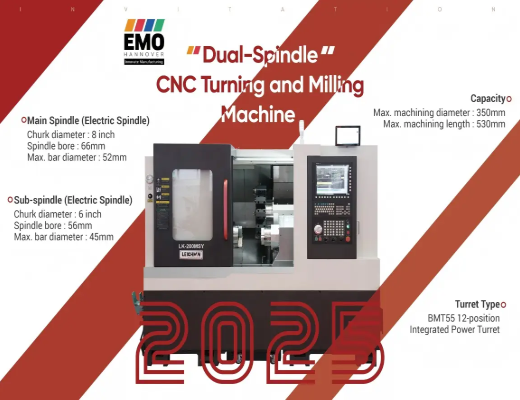
CNC equipment — especially five-axis machining centers and advanced turning-milling centers — requires significant upfront capital. For many businesses, the cost of a single machine can represent a major financial commitment.

2. Requires skilled operators

Although CNC machines are automated, they still require trained personnel to program, set up, and maintain them. A shortage of skilled CNC operators can slow production or increase error rates.

3. Maintenance and repair costs

CNC machines are precision instruments. Regular maintenance is essential to preserve accuracy and avoid costly breakdowns. Spare parts and technical service can add substantially to the total cost of ownership over time.

These challenges are real, but they are manageable with the right supplier partner.

Work with Leichman for Reliable CNC Manufacturing Solutions

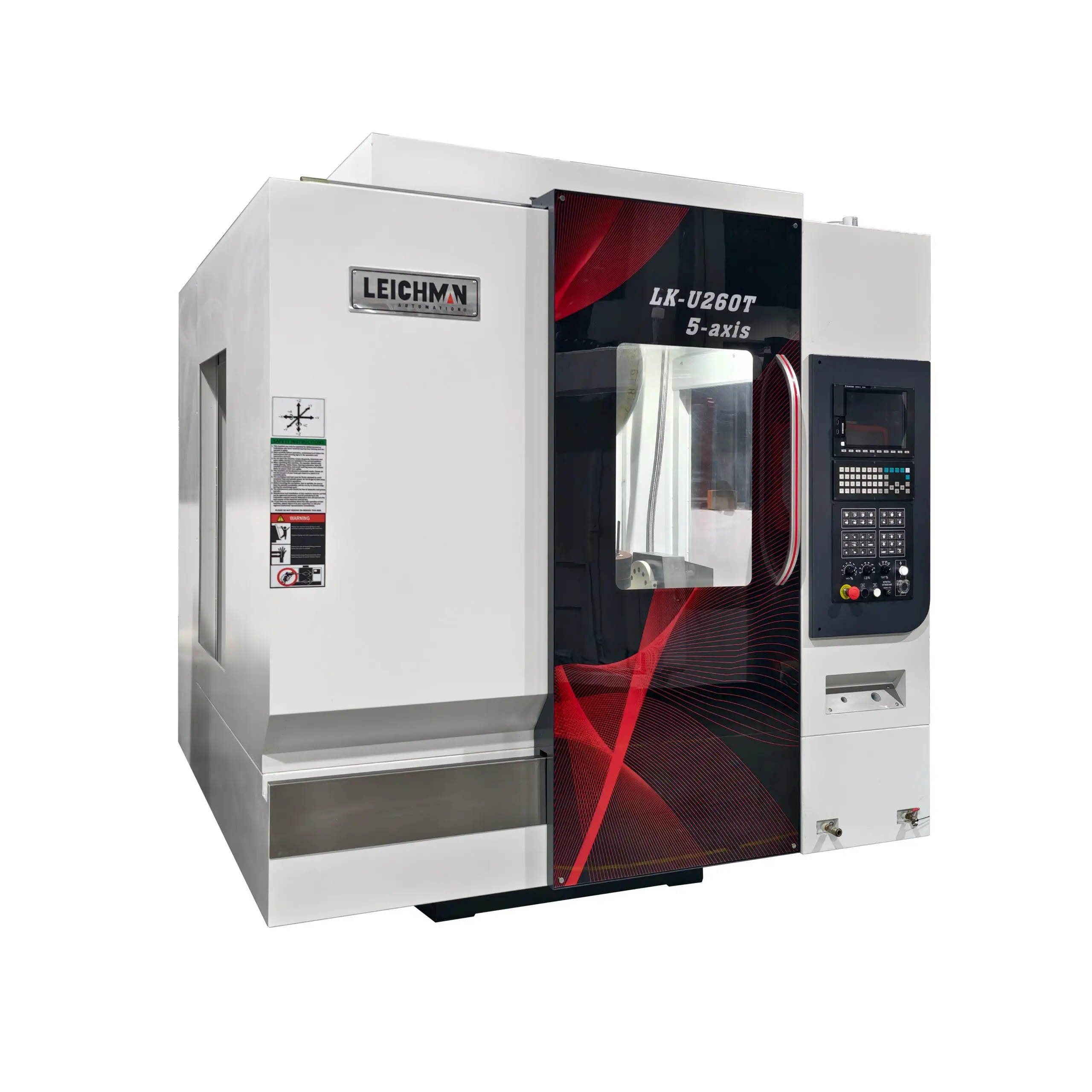
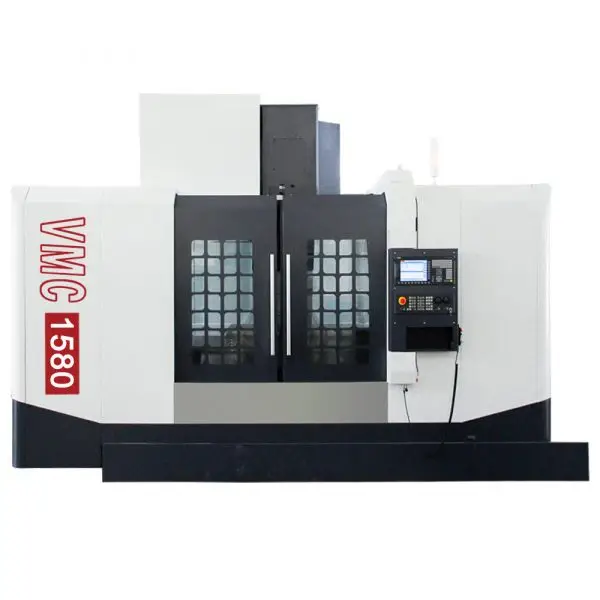
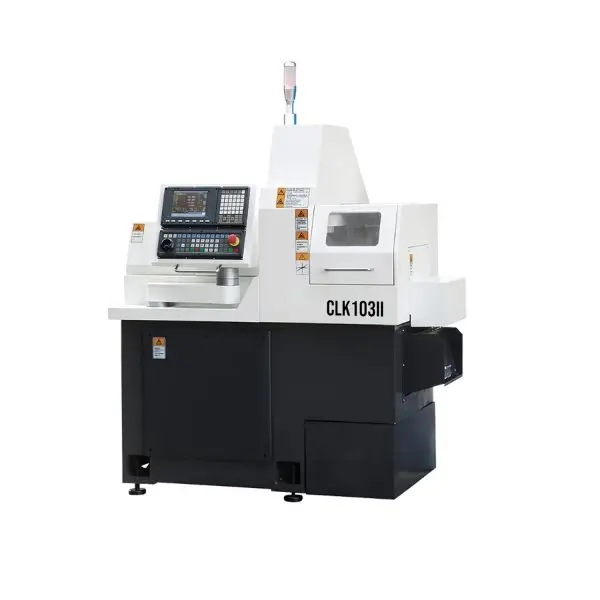
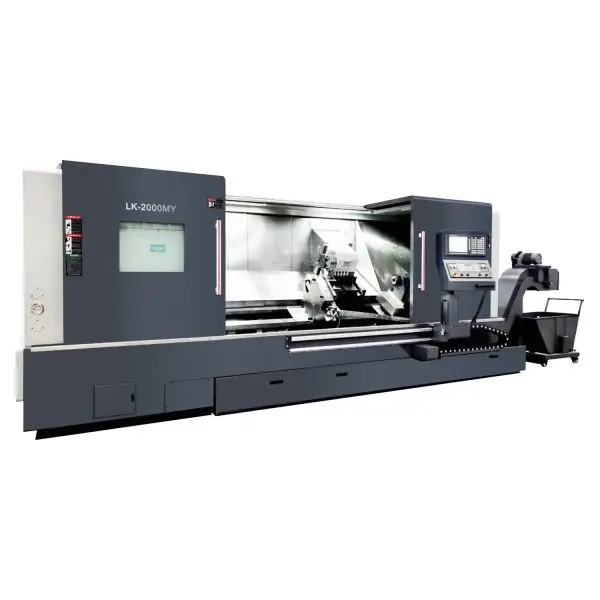
At Leichman, we are a professional CNC equipment manufacturer based in Jiangsu, China. We are a subsidiary brand of Hoston Group — a company with decades of experience in precision manufacturing. Our product portfolio covers five-axis machining centers, vertical machining centers, CNC lathes, and manual lathes. Every machine is engineered to deliver reliable performance across demanding industrial applications.
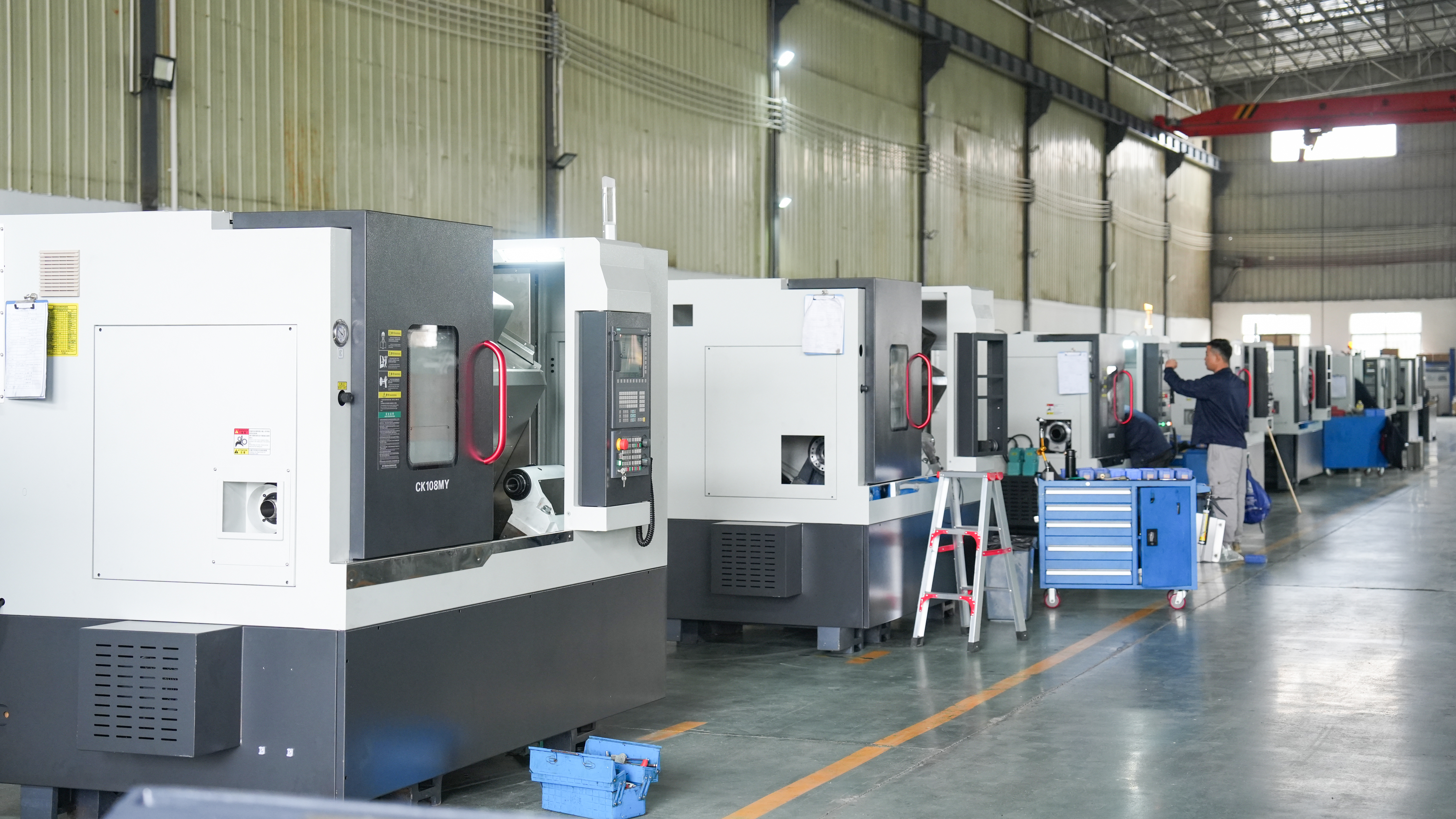
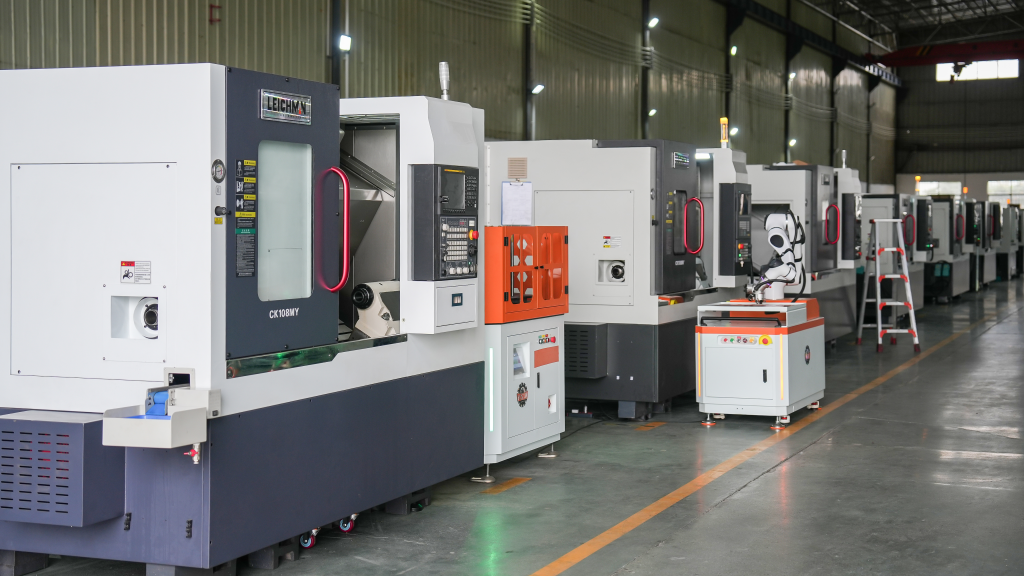
 CNC equipment

We understand the challenges that businesses face when investing in CNC equipment. That is why we have built our service model specifically around solving them.

  • Cost-Effective Purchasing: We offer highly competitive pricing structures to ease your capital burden. We proudly support flexible purchasing, starting from a single machine order. This drastically lowers your initial investment risk.
  • Professional Technical Support: Our team is available to help you select the right machine for your application, understand technical specifications, and plan your production setup. We offer free technical consultation before and after purchase. You do not need to figure everything out alone.
  • Reliable Quality and After-Sales Service: All Leichman machines are produced under ISO-certified quality management systems and comply with CE standards. We conduct rigorous inspections at every stage of production. After delivery, our after-sales team provides responsive support to address any technical issues — minimizing your downtime and protecting your investment.

Whether you are sourcing your first CNC machine or expanding an existing line, we are ready to support you — from inquiry to installation and beyond. Contact us today or visit our website to explore our full product range and speak with our team.

Share:

Facebook
Twitter
Email
Print

Get a Quote