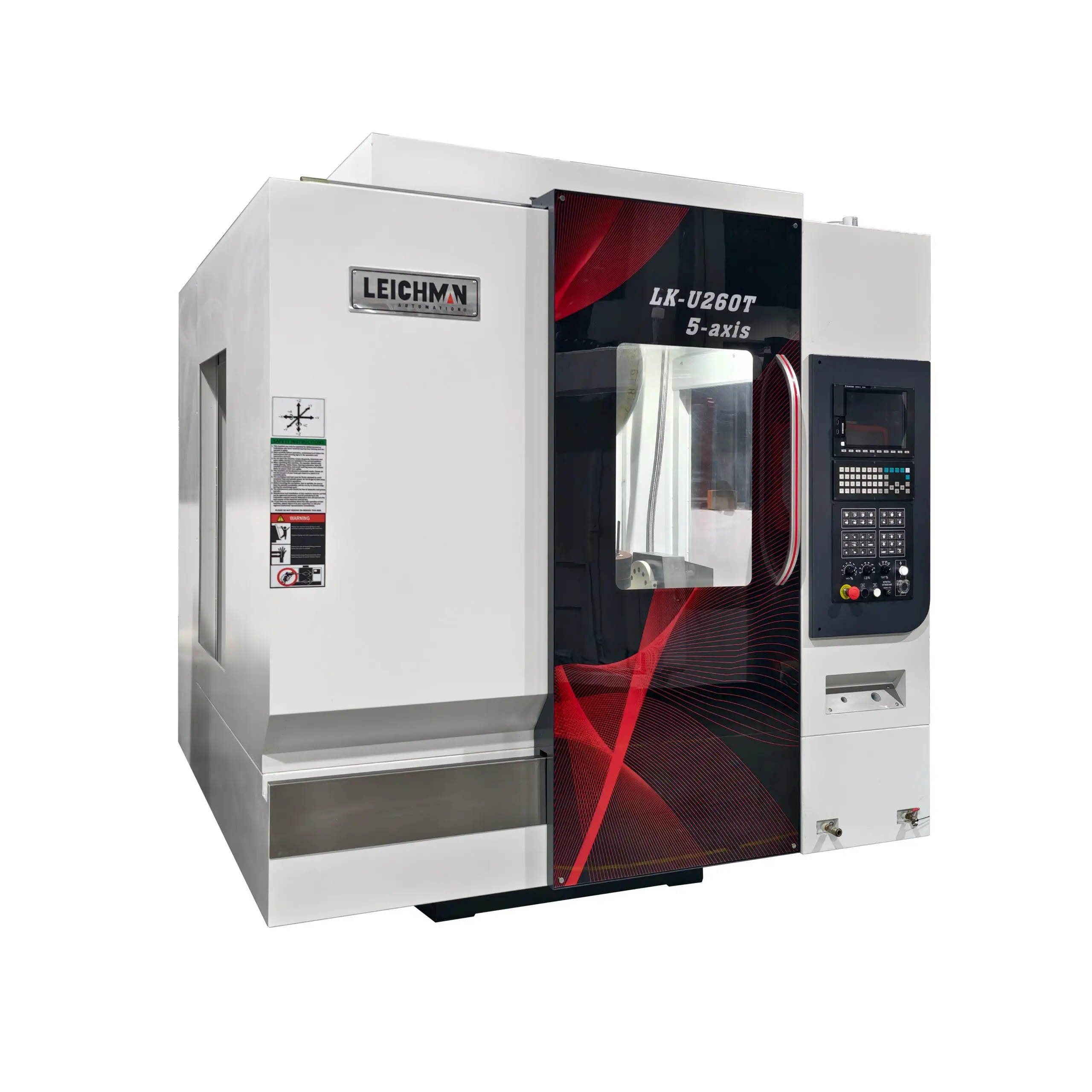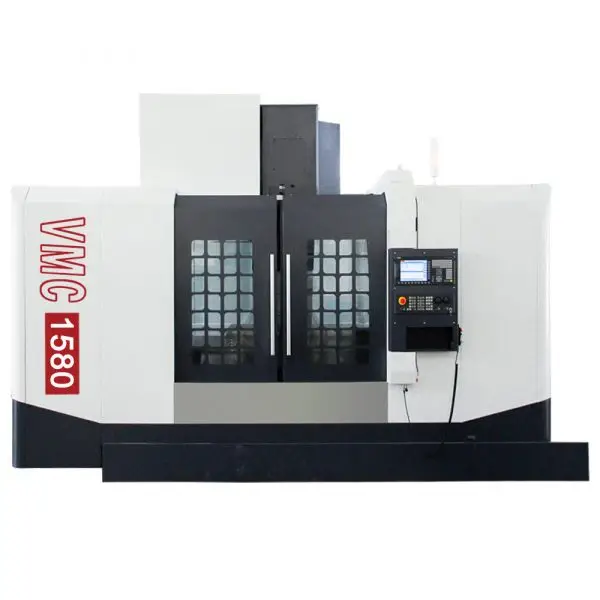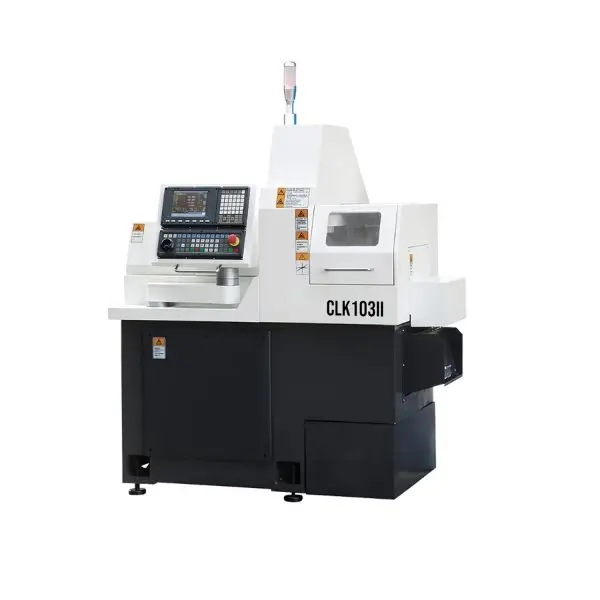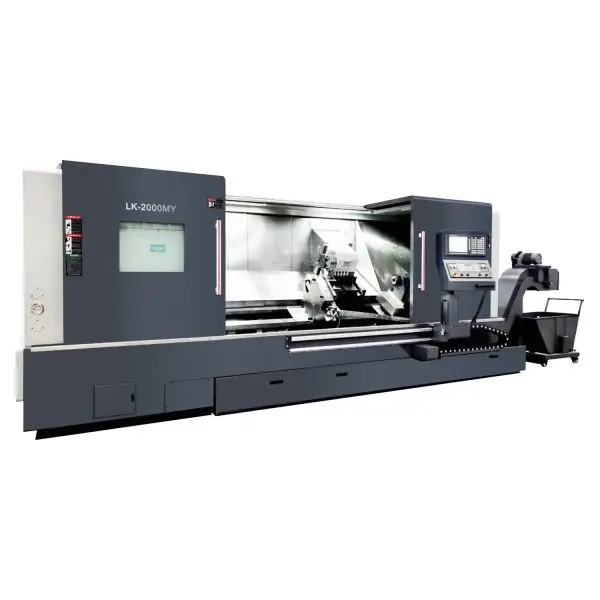
Consistency in machining outcomes depends heavily on how well equipment is maintained and how stable its structure remains over time. In demanding production environments, even small deviations can affect batch quality and operational efficiency. For buyers evaluating vertical machining center manufacturers, long-term accuracy is not just a specification—it is a performance commitment. A well-designed vertical CNC machining center should balance speed, rigidity, and maintainability to ensure stable output across extended production cycles.
The Role of Preventive Maintenance in Accuracy Retention
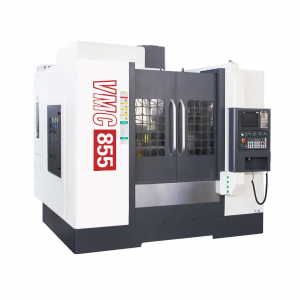
Routine maintenance directly impacts the lifespan and precision of any vertical CNC machining center. From our experience at Leichman, we emphasize scheduled inspection of spindle systems, lubrication circuits, and guideways. For example, machines like our Leichman VMC855 Vertical Machining Center, equipped with an 8000 rpm spindle (optional 12000 rpm), require consistent lubrication and thermal monitoring to maintain spindle integrity. Preventive care minimizes wear-related deviations, helping operators sustain positioning precision of ±0.004 mm and repeatability of ±0.003 mm. Buyers comparing vertical machining center manufacturers should consider how easily maintenance tasks can be performed and supported.
Structural Rigidity as the Foundation of Stable Machining
Rigidity determines how well a machine resists deformation under cutting forces. A robust vertical CNC machining center with balanced casting design and optimized load distribution reduces vibration during high-speed operations. At Leichman, part of the HOSTON group, we focus on structural stability to support rapid movement speeds such as 36/36/36 m/min without compromising machining quality. This rigidity becomes especially important in continuous operations where thermal expansion and cutting loads interact. Among vertical machining center manufacturers, those prioritizing machine structure tend to deliver more consistent long-term performance.
Tooling Systems and Their Influence on Long-Term Performance
Tool management is another critical factor affecting machining consistency. A 24T disc-type tool magazine, as configured in the Leichman VMC855, supports efficient tool changes while maintaining balance and alignment. In a vertical CNC machining center, improper tool seating or wear can introduce inaccuracies that accumulate over time. At Leichman, we recommend regular tool holder inspection and calibration as part of a broader maintenance strategy. Evaluating how different vertical machining center manufacturers design their tool magazine systems can provide insight into operational reliability and ease of use in production settings.
Conclusion
Maintaining accuracy in a vertical CNC machining center is not solely about initial specifications—it requires continuous attention to maintenance, structural rigidity, and tooling systems. From our perspective at Leichman, integrating these elements ensures machines remain reliable across long production cycles. For businesses assessing vertical machining center manufacturers, focusing on long-term stability rather than short-term output can result in better operational efficiency and reduced downtime.