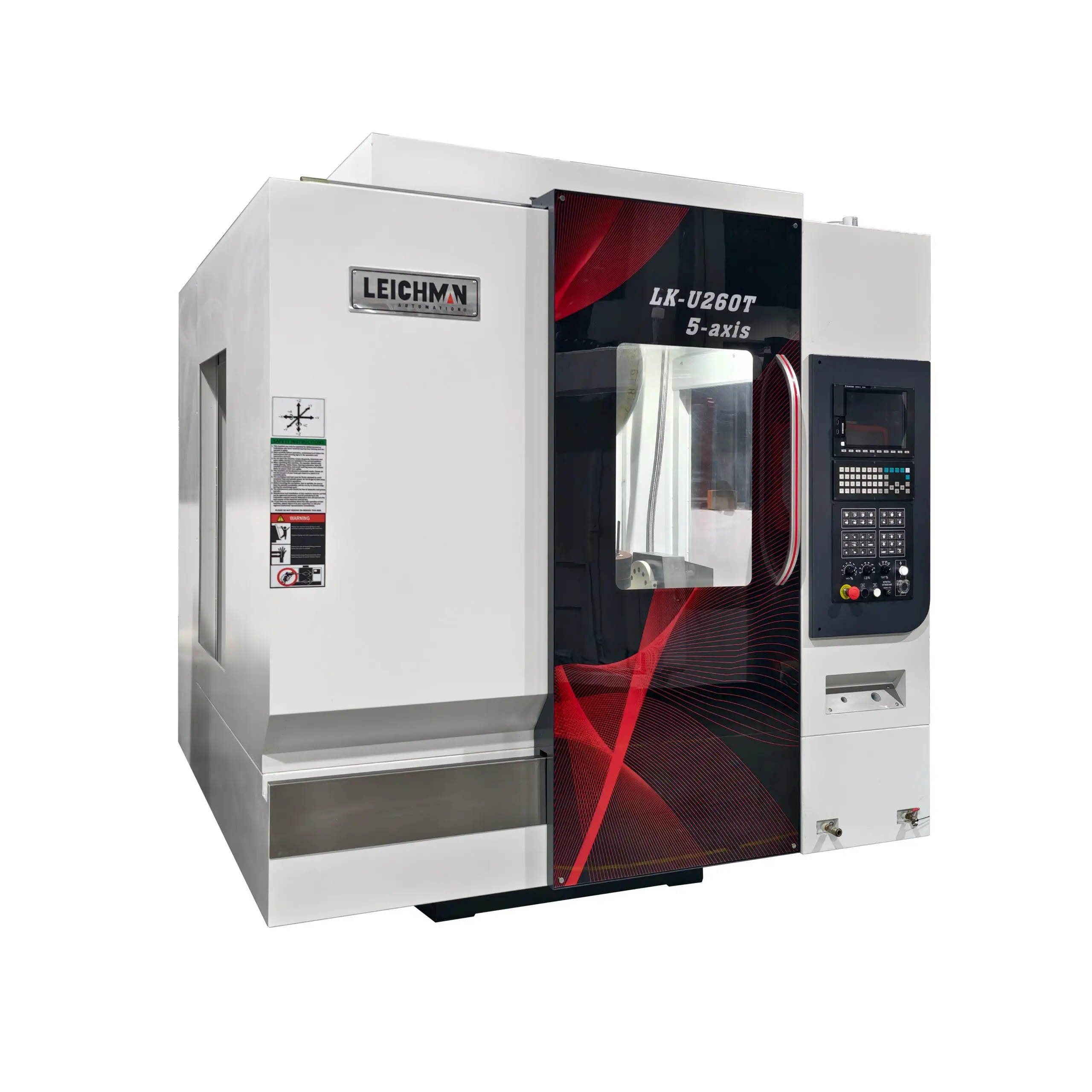
Aerospace engineering demands components that prioritize structural integrity while minimizing weight, a balance that requires exceptional manufacturing precision. At Leichman, a subsidiary brand of HOSTON, we focus on providing machinery capable of addressing these demanding specifications through advanced multi-axis movement. When we analyze the requirements for flight-critical parts, such as turbine blades or airframe structural brackets, we see how the capabilities of a modern 5-axis machining center manufacturers produce provide the necessary flexibility to reach complex geometries in a single setup. This efficiency is critical for maintaining the tight tolerances required by international aerospace standards.
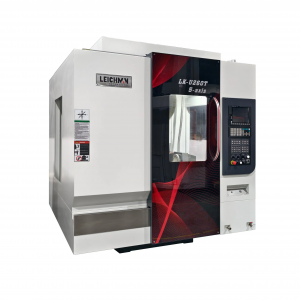
Complex Geometry and Multi-Axis Milling
The primary advantage of multi-axis systems lies in their ability to manipulate the tool and workpiece simultaneously across five degrees of freedom. For aerospace applications, parts often feature intricate contours and internal pockets that are inaccessible to standard three-axis equipment. By using a 5-axis machining center manufacturers design, we can tilt the spindle or rotate the table to maintain the optimal cutting angle against the workpiece surface. This capability is essential for creating the aerodynamic shapes required for engine components, where even minor surface deviations can impact performance. The precision gained through these continuous movements ensures that each curve and angle aligns exactly with the engineering blueprints.
Improving Accuracy for Flight-Critical Parts
When we discuss CNC machining for aerospace parts, repeatability is a primary concern. The ability to complete a part in one setup significantly reduces the risk of alignment errors that often occur when transferring a component between different machines or fixtures. At Leichman, we recognize that the integration of rotary axes allows for a more stable processing environment, where the part remains securely clamped while multiple surfaces are machined. This stability translates into higher dimensional accuracy and better surface finishes, which are necessary for parts that must withstand extreme mechanical stresses during flight operations. By minimizing manual intervention, we ensure that the finished component meets the rigid quality criteria required for aerospace deployment.
Production Efficiency and Material Integrity
Aerospace manufacturing often involves working with difficult-to-machine materials, such as titanium alloys and high-nickel superalloys, which require precise control over heat and tool pressure. The adoption of a 5-axis machining center manufacturers sell allows for more efficient material removal while managing tool wear effectively. Because we can maintain the ideal tool contact point, we reduce the thermal stress on the workpiece, preserving the metallurgical properties of the material. Furthermore, the efficiency of CNC machining for aerospace parts in a single, automated cycle reduces overall cycle times and lowers the likelihood of scrap. This controlled approach provides the consistency needed for high-stakes production, where the reliability of every individual part is of paramount importance.
Successful aerospace fabrication rests on the foundation of high-precision equipment that can navigate complex design requirements. Whether you are producing turbine components or structural frame elements, the capability to execute precise cuts across five axes is a valuable asset. Through the strategic application of CNC machining for aerospace parts, we provide the stability and performance necessary for your projects. Leichman remains committed to supporting these production demands by offering versatile systems that align with the rigorous needs of modern aerospace engineering, ensuring that your parts meet both design specifications and functional expectations.