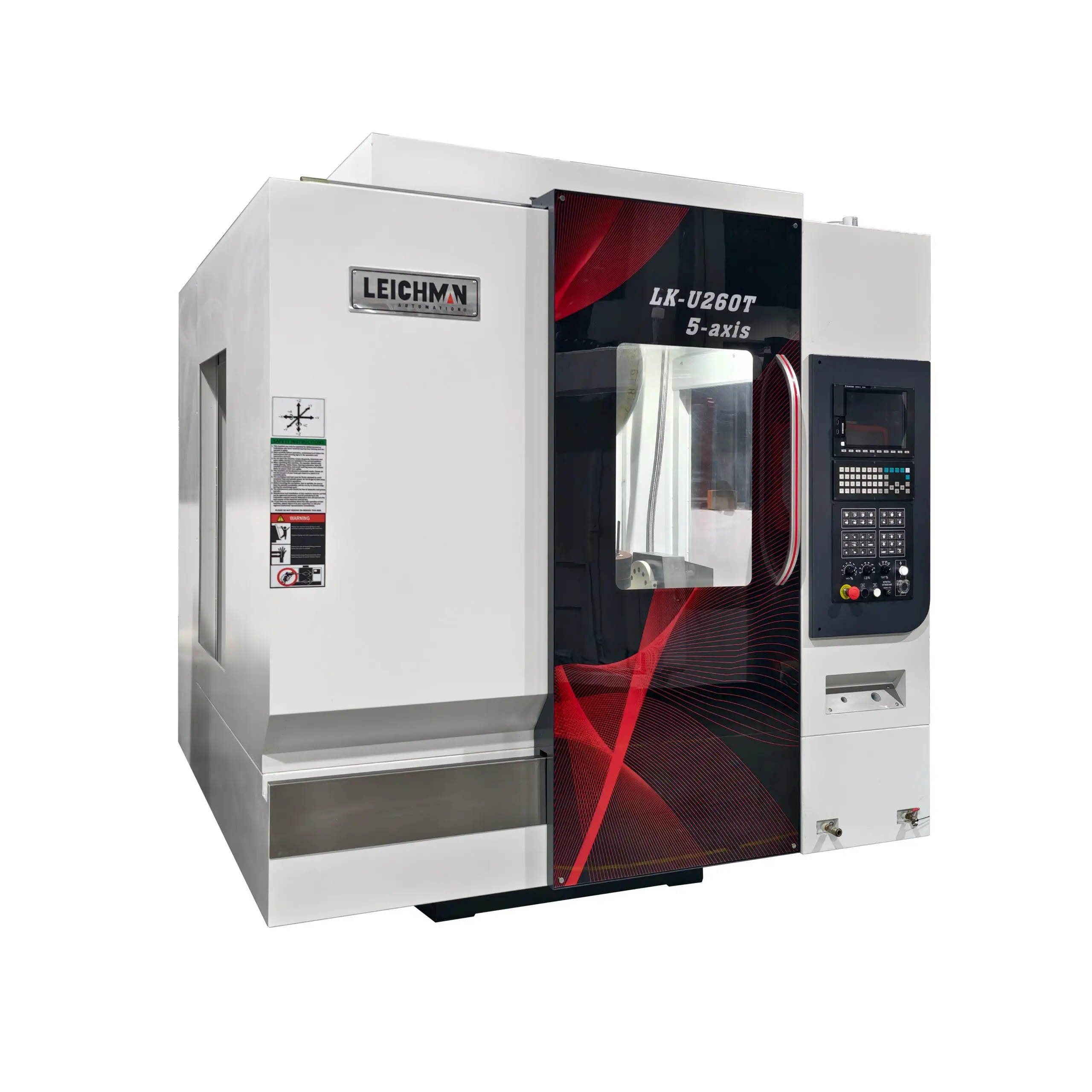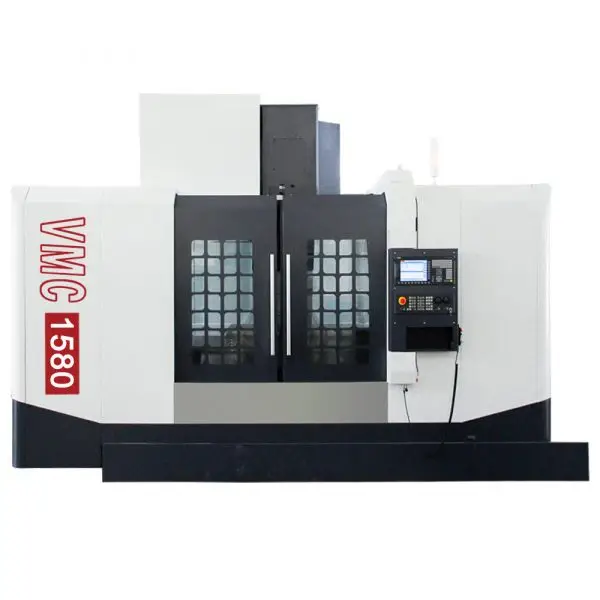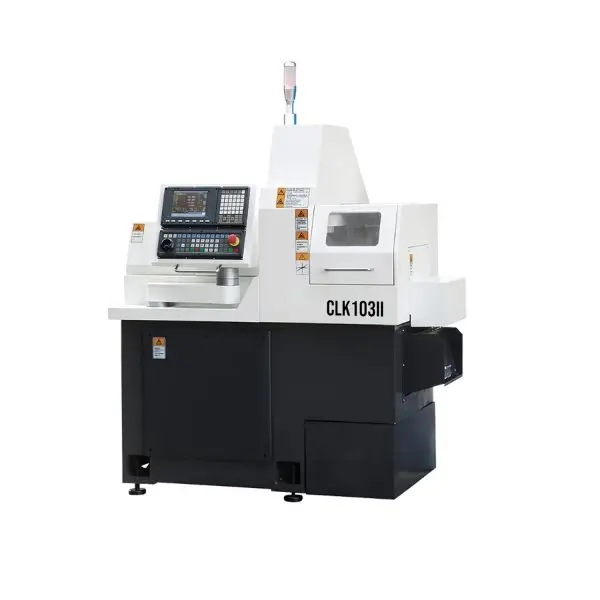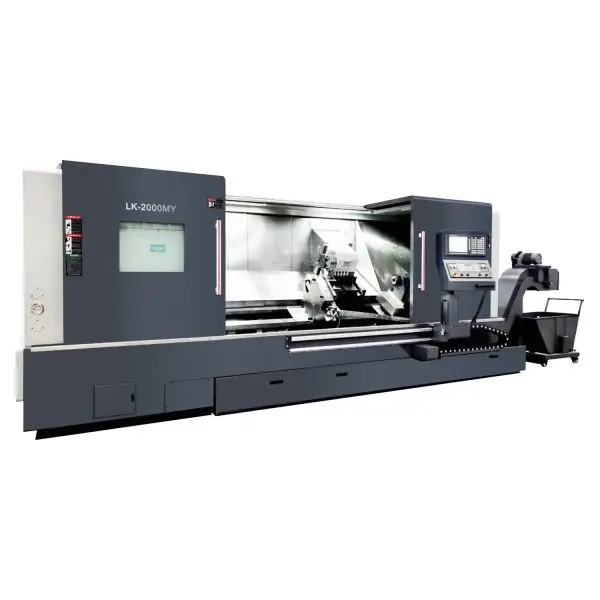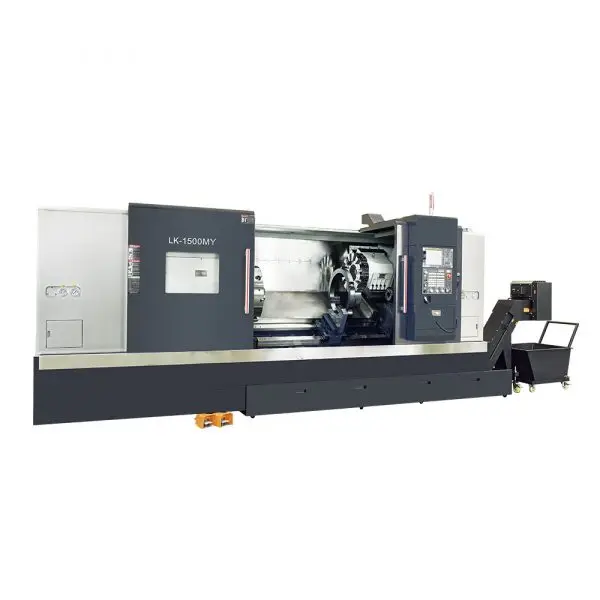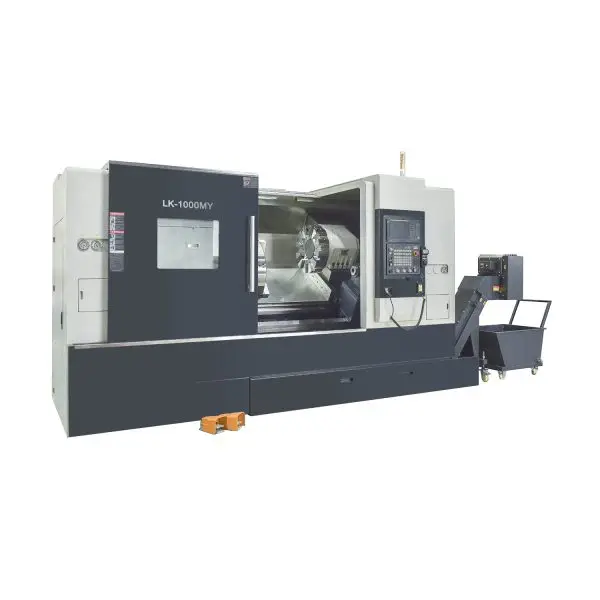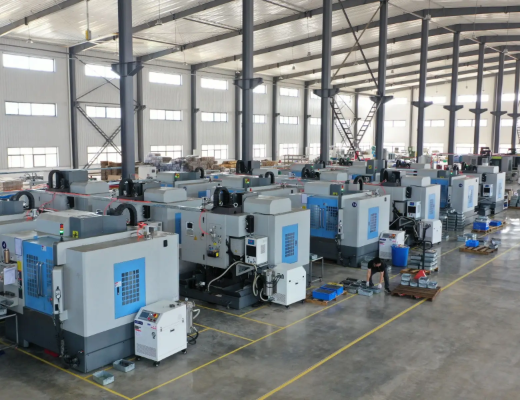
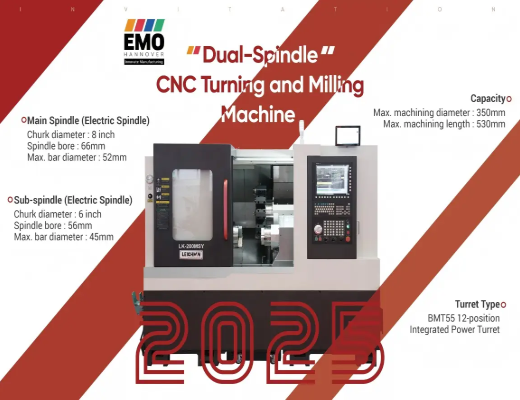
Operators often face significant technical challenges when processing heavy, large-diameter workpieces that require both turning and milling operations. At Leichman, a subsidiary brand of HOSTON, we focus on how machine architecture influences the stability and precision of these massive parts. When we analyze the requirements for handling significant mass, we find that gravity plays a functional role in the machine design. For those evaluating a CNC vertical turning lathe, recognizing the structural advantages of a vertical setup provides a clear perspective on how to handle rotating components with increased efficiency.
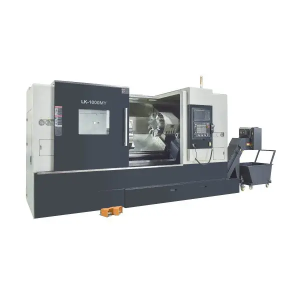
Structural Advantages of Vertical Orientation
Gravity provides a natural stabilizing force when a workpiece is mounted on a vertical spindle. Unlike horizontal configurations, where large parts might deflect or sag under their own weight, a vertical layout ensures that the component sits firmly on the table. We observe that as prominent CNC turn-mill center manufacturers, the stability afforded by this design is essential for maintaining geometric accuracy on heavy-duty projects. By distributing the mass evenly across the rotary table, the system minimizes vibration during the cutting process. This robust support structure allows the machine to handle larger diameters without compromising the integrity of the finished surface.
Streamlined Workpiece Loading and Setup
Efficient part handling is a critical factor when dealing with components that are too heavy for manual placement. The design of a CNC vertical turning lathe typically allows for easier overhead crane access, as there is no spindle obstruction above the worktable. At Leichman, we see that this accessibility simplifies the loading and unloading process for complex, heavy rotating parts. By reducing the time and labor required for setup, operators can spend more time on actual production. This direct access to the table not only improves safety protocols but also allows for faster cycle turnarounds, which is vital for shops managing high-volume, large-part production runs.
Enhanced Milling and Turning Integration
Combining multiple operations into a single setup reduces the risk of alignment errors that occur when transferring parts between machines. A high-quality CNC turn-mill center allows for sophisticated milling features, such as drilling holes or milling keyways, to be completed while the part remains securely clamped. We prioritize the integration of secondary milling axes that work in coordination with the primary turning axis. This configuration ensures that all features maintain a tight relationship with the main axis of rotation. Because Leichman focuses on the precision of these multi-function systems, we ensure that operators can achieve complex geometries in a single program, thereby increasing overall process control and reducing cumulative measurement errors.
Selecting the appropriate machine configuration for large rotating parts involves careful consideration of mass distribution, loading logistics, and process integration. Vertical setups offer distinct benefits regarding workpiece stability and easier overhead access, which are essential when handling heavy components. While the choice depends on your specific part geometries and production requirements, understanding these functional differences allows for informed decisions regarding equipment investment. Many CNC turn-mill center manufacturers are also incorporating advanced multi-tasking capabilities into their machine designs, providing manufacturers with greater flexibility when processing complex rotating components. At Leichman, we continue to observe how these structural benefits translate into measurable improvements in part quality and production throughput. By aligning your hardware with the physical demands of your rotating parts, your facility can ensure reliable operation across demanding manufacturing tasks.