CNC machine pricing in 2026 is under pressure from both upstream and downstream cost drivers. On the upstream side, supply chain disruption and component inflation raise manufacturing costs. On the downstream side, labor shortages, automation demand, and tighter delivery expectations increase the value of ready-to-run equipment.
Therefore, buyers should not evaluate CNC machine cost as a single purchase number. The real decision is whether the machine’s capability, uptime, support, and total cost of ownership fit the production plan.
In this guide, it’ll give a clear breakdown of CNC machine cost to make defensible sourcing decisions. It also explains how to evaluate CNC machine manufacturers and how to compare local sourcing with CNC machining China supply options.
8 Factors that Influence CNC Machine Costs
Understanding what drives CNC machine cost is the prerequisite to evaluating any quotation. The following eight factors consistently determine where a machine lands on the price spectrum.
1. Machine Types
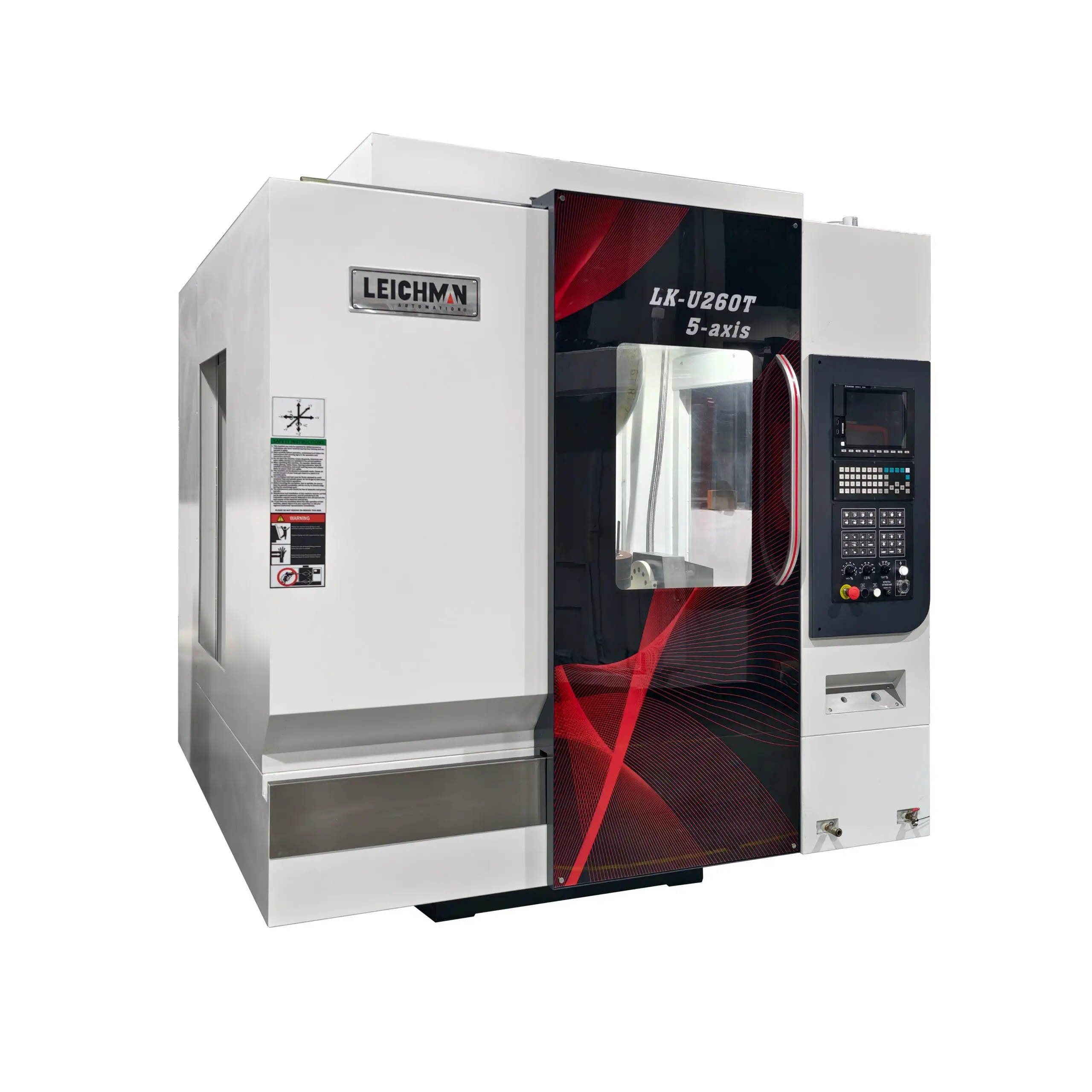
The machine type is the largest pricing factor in CNC purchasing. A standard CNC lathe costs significantly less than a 5-axis machining center because the complexity of motion control, spindle synchronization, and software integration is lower.
For example:
Machine Type | Typical Price Range |
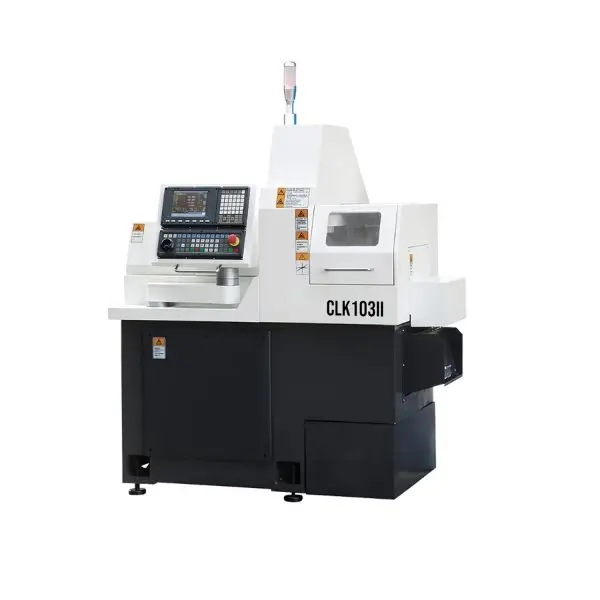
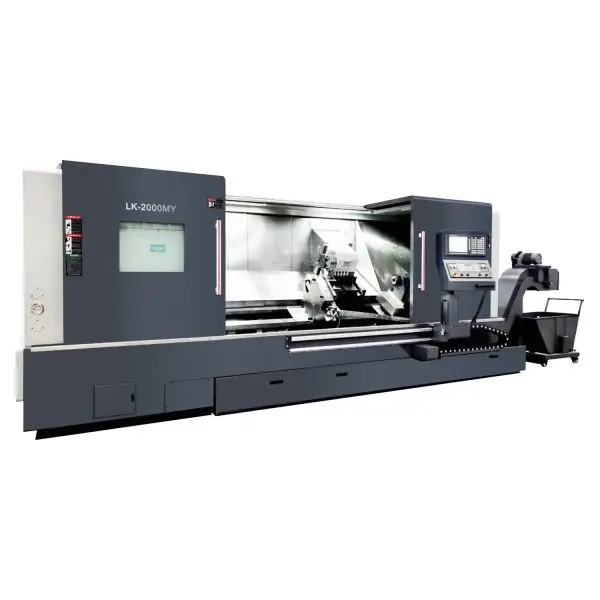
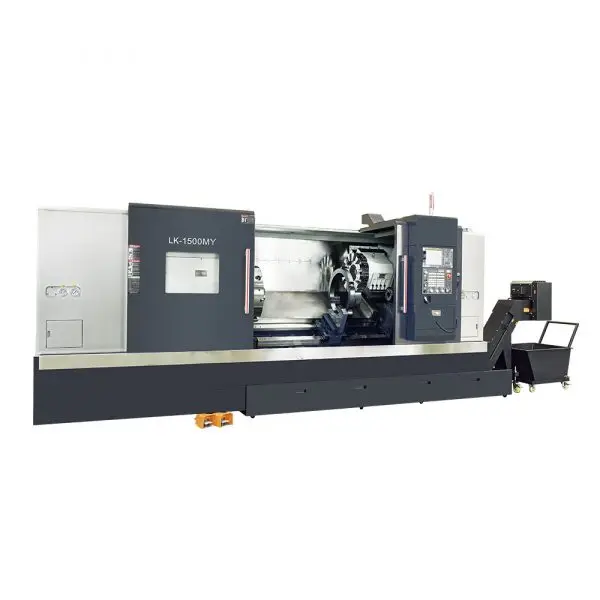
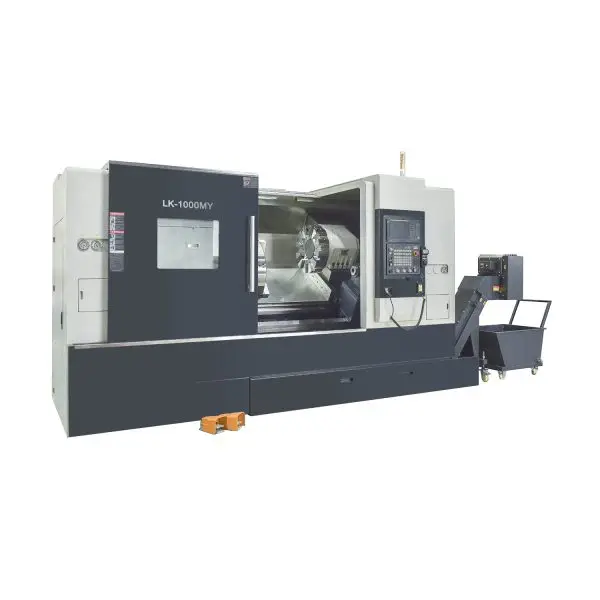
CNC Lathe | $20,000–$150,000 |
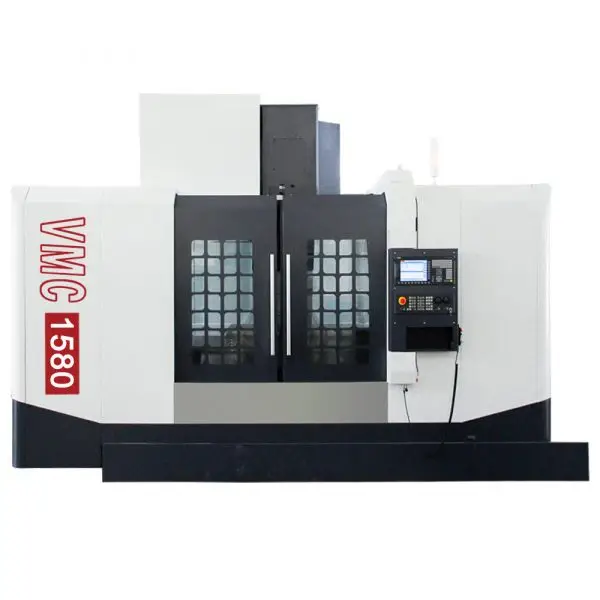
VMC (Vertical Machining Center) | $35,000–$250,000 |
HMC (Horizontal Machining Center) | $120,000–$500,000 |
5-Axis Machining Center | $180,000–$1,000,000+ |
Mill-Turn Center | $250,000–$800,000 |
A factory producing simple shafts may only require a 2-axis CNC lathe. In contrast, aerospace suppliers often require simultaneous 5-axis machining for turbine blades and structural parts. Therefore, the production application directly determines the CNC machine cost.
2. Machine Size
Larger machines require larger castings, longer guideways, higher spindle torque, and more structural reinforcement.
For example, a compact VMC with 500 mm travel may cost under $50,000. However, a large gantry machining center for energy or mold manufacturing can exceed $500,000.
Machine footprint also affects:
- Shipping cost
- Installation cost
- Factory floor requirements
- Power infrastructure
This is especially important for international buyers importing CNC machining China equipment into Europe, North America, or the Middle East.
3. Machine Complexity
More axes, automatic tool changers, robotic loading systems, and integrated probing systems all increase machine pricing.
A basic 3-axis machining center may include:
- Standard spindle
- Manual loading
- Basic controller
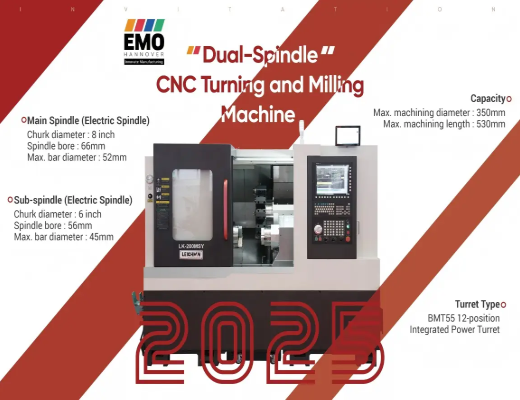
Meanwhile, a high-specification mill-turn center may include:
- Dual spindle
- Y-axis
- Live tooling
- Bar feeder
- Automation interface
- In-process measurement
As complexity increases, engineering and software costs also increase.
4. Machine Accuracy
Higher precision requires tighter manufacturing tolerances and more advanced thermal compensation systems.
For example:
- Standard industrial machining tolerance: ±0.01 mm
- Medical or aerospace machining tolerance: ±0.002 mm
High-accuracy CNC machine manufacturers typically use:
- Premium linear guideways
- Precision ball screws
- Thermal stability systems
- Laser calibration
As a result, ultra-precision machines can cost 30%–70% more than standard production machines.
5. Machine Speed
Faster machines improve throughput but increase equipment cost.
High-speed machining systems often include:
- 12,000–30,000 RPM spindle
- Linear motor drives
- High-speed tool changers
- Advanced cooling systems
For factories producing high-volume aluminum or EV components, faster cycle times may justify the higher investment. However, low-volume job shops may prioritize flexibility over spindle speed.
6. Machine Compatibility
Compatibility with existing factory systems also affects pricing.
Many modern factories require CNC machines compatible with:
- ERP systems
- MES software
- Robotic automation
- Industry 4.0 monitoring
- CAD/CAM platforms
Machines supporting Siemens, FANUC, or Mitsubishi controllers generally have broader software integration capabilities. This is particularly important for EPC projects and multi-factory production environments.
However, a machine that requires controller replacement or toolholder standardization to fit your production line carries real secondary costs that do not appear on the quotation sheet.
7. Machine Brand
Brand reputation significantly impacts CNC machine cost. Japanese and German CNC machine manufacturers often command premium pricing due to long-term reliability and global service networks.
Meanwhile, many buyers now source CNC machining China equipment because Chinese manufacturers have improved:
- Casting quality
- Spindle technology
- Automation integration
- Export support
According to Statista, China remains the world’s largest machine tool producer by output value.[1] Today, many international distributors choose Chinese CNC suppliers for a better cost-performance balance.
8. Additional Features
Software integration, automation options, and customization add cost in discrete increments. Integrated probing systems add $3,000–$8,000. Automatic tool changers with 30+ tools add $5,000–$15,000 over a 20-tool ATC. Conversational CAM controllers add $6,000–$20,000 to controller cost. Custom spindle interfaces, special guarding configurations, or country-specific CE/UL certifications each carry engineering and compliance costs.
Customization and intelligent software functions increase pricing but may improve long-term efficiency.
Common add-on features include:
- Automatic pallet changers
- Tool breakage detection
- AI-assisted optimization
- Remote diagnostics
- Robotic integration
- Energy-saving systems
For example, predictive maintenance systems can reduce unplanned downtime by 20%–40% in high-volume production environments. Of course, it will raise your cost accordingly.
How Much Does a CNC Machine Cost in 2026? (Quick Overview)
CNC machine pricing in 2026 spans from under $5,000 for desktop units to over $2,000,000 for large-format 5-axis aerospace centers.
Below is a simplified CNC machine cost overview:
CNC Machine Type | Entry-Level | Mid-Range | High-End Industrial |
$20,000–$45,000 | $50,000–$100,000 | $120,000–$150,000+ | |
$35,000–$80,000 | $90,000–$180,000 | $200,000–$250,000+ | |
HMC | $120,000–$200,000 | $220,000–$350,000 | $400,000–$500,000+ |
$180,000–$300,000 | $350,000–$600,000 | $800,000–$1M+ | |
$250,000–$400,000 | $450,000–$650,000 | $700,000–$800,000+ |
*Prices are ex-works estimates for 2026. Final pricing varies by controller specification, country of origin, tooling configuration, and applicable import tariffs.
These figures typically exclude tooling, freight, installation, software licensing, and operator training.
Therefore, buyers should evaluate total ownership cost rather than the only machine purchase price.
The Hidden Costs of CNC Machine Ownership
The purchase price is rarely the total cost. Five cost categories consistently appear after the PO is signed — and collectively they can add 20%–60% to first-year total cost of ownership (TCO).
1. Tooling Cost
Tooling is one of the most underestimated CNC operating expenses.
A production factory may spend:
- $5,000–$20,000 annually for small shops
- $100,000+ annually for large production facilities
Tooling includes:
- Cutting tools
- Tool holders
- Collets
- Fixtures
- Probes
For difficult materials like titanium or Inconel or long-run production, tool wear also adds recurring cost.
2. Maintenance & Downtime
Maintenance directly affects profitability.
Industry studies estimate unplanned downtime can cost manufacturers an estimated $50 billion annually, depending on production value.[2]
Common maintenance costs include:
- Spindle repair
- Lubrication systems
- Ball screw replacement
- Coolant systems
- Electrical troubleshooting
Preventive maintenance contracts may cost 3%–8% of machine value annually.
3. CAM Software & Licensing
Computer-Aided Manufacturing (CAM) software translates 3D models into machine toolpaths. Professional CAM licenses — such as Mastercam, Hypermill, or Siemens NX CAM — range from $8,000–$30,000 per seat for perpetual licenses, or $3,000–$10,000 per seat per year for subscription models. For shops adopting 5-axis machining, multi-axis CAM modules carry an additional $6,000–$15,000 premium over standard 3-axis packages.
4. Operator Training
A qualified CNC machinist capable of programming, setup, and first-article inspection commands $45,000–$85,000 per year in the U.S. labor market (Bureau of Labor Statistics, 2024). For international buyers sourcing from CNC machining China suppliers, training costs include travel, translation of machine documentation, and local certification requirements. Factory training programs — where available — typically cost $1,500–$5,000 per technician and require 3–10 days on-site.
5. Shipping, Installation & Import Duties
Importing CNC machining China equipment may include:
- Ocean freight
- Crating
- Insurance
- Customs clearance
- Local taxes
- Installation
- Voltage conversion
For example, a mid-size VMC (approximately 7,000 kg) shipped from China to a U.S. port incurs $4,000–$9,000 in ocean freight, $1,500–$4,000 in port handling and customs brokerage fees, and — under current Section 301 tariff schedules — up to 25% import duty on the declared machine value. Installation and commissioning by a qualified technician adds $3,000–$12,000 depending on machine complexity.
How to Evaluate CNC Machine Suppliers
Not all CNC machine manufacturers are equivalent. Focus on the following five criteria:
1. Manufacturing Quality
Request independently verifiable documentation: ISO 9001 certification, geometric accuracy test reports (per ISO 230-1 or JIS B 6190), and spindle thermal compensation test data. A supplier that cannot produce machine-specific accuracy test reports at the quotation stage is unlikely to produce them after payment.
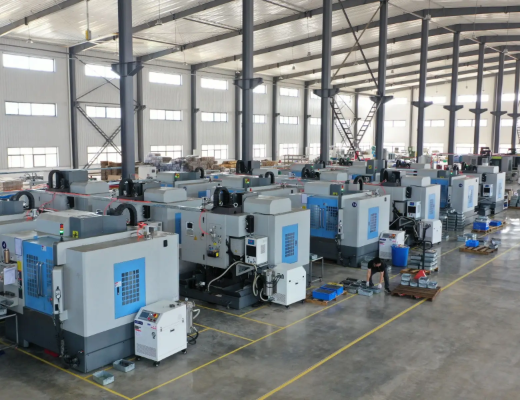
2. Production Capacity
Production capacity directly determines lead time reliability under demand surge conditions. Suppliers with stable capacity, like Leichman, can hold delivery schedules better than trading-only sellers.
3. Technical Support
Support should cover installation guidance, programming help, spare parts, and troubleshooting. If technical support is weak, downtime costs can exceed the original machine discount.
For CNC machining China suppliers exporting to North America or Europe, 24-hour remote support is non-negotiable for production environments.
4. Customization Ability
Different industries require different CNC configurations.
For example:
- Automotive suppliers prioritize cycle time
- Aerospace suppliers prioritize precision
- Medical manufacturers prioritize surface finish
A strong supplier can adapt the machine to the process instead of forcing the process to fit the machine.
5. Lead Time Reliability
Request the supplier’s historical on-time delivery rate across the past 12 months. A rate below 85% in standard conditions is a red flag for any procurement officer building a production ramp plan. Ask specifically about lead time behavior during Chinese New Year shutdowns and national holiday periods if sourcing from CNC machining China factories.
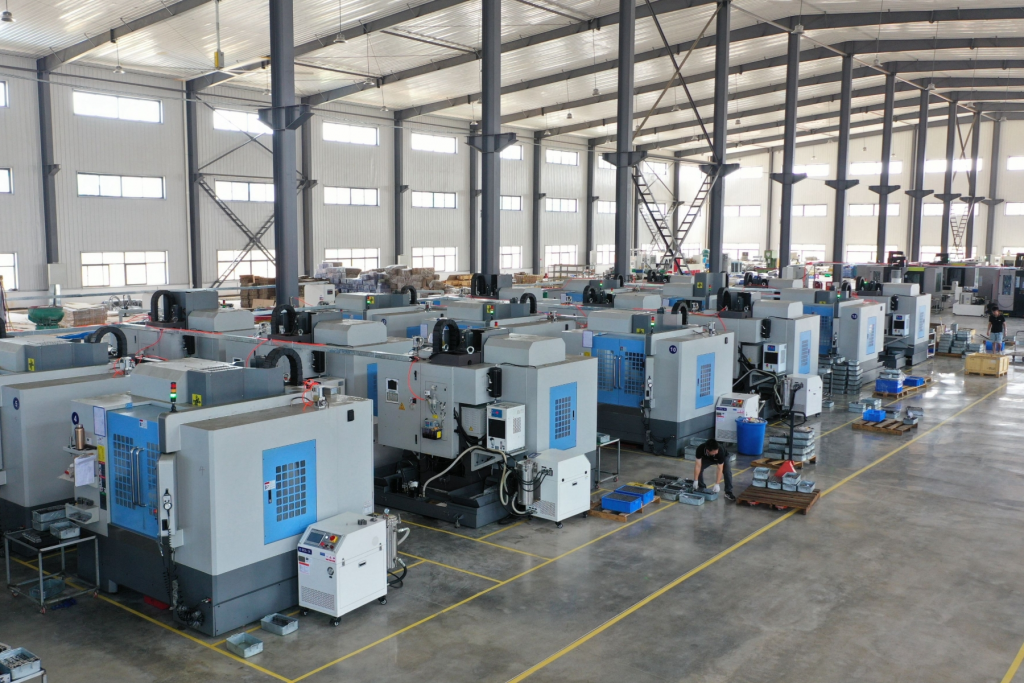
Compared with traditional dealer networks, direct sourcing can provide:
- More transparent CNC machine cost structures
- Faster technical communication
- Better customization flexibility
- Reduced intermediary pricing layers
Leichman also provides many products, including:
- Five Axis Machining Center
- Vertical Machining Center
- CNC Lathe
- Manual Lathe
If you are evaluating CNC machine manufacturers for a 2026 procurement plan, we, at Leichman, offer factory-direct pricing, documented machine accuracy, and dedicated support for international buyers.
Feel free to contact us to request a machine-specific quotation, accuracy test report, or factory audit schedule.