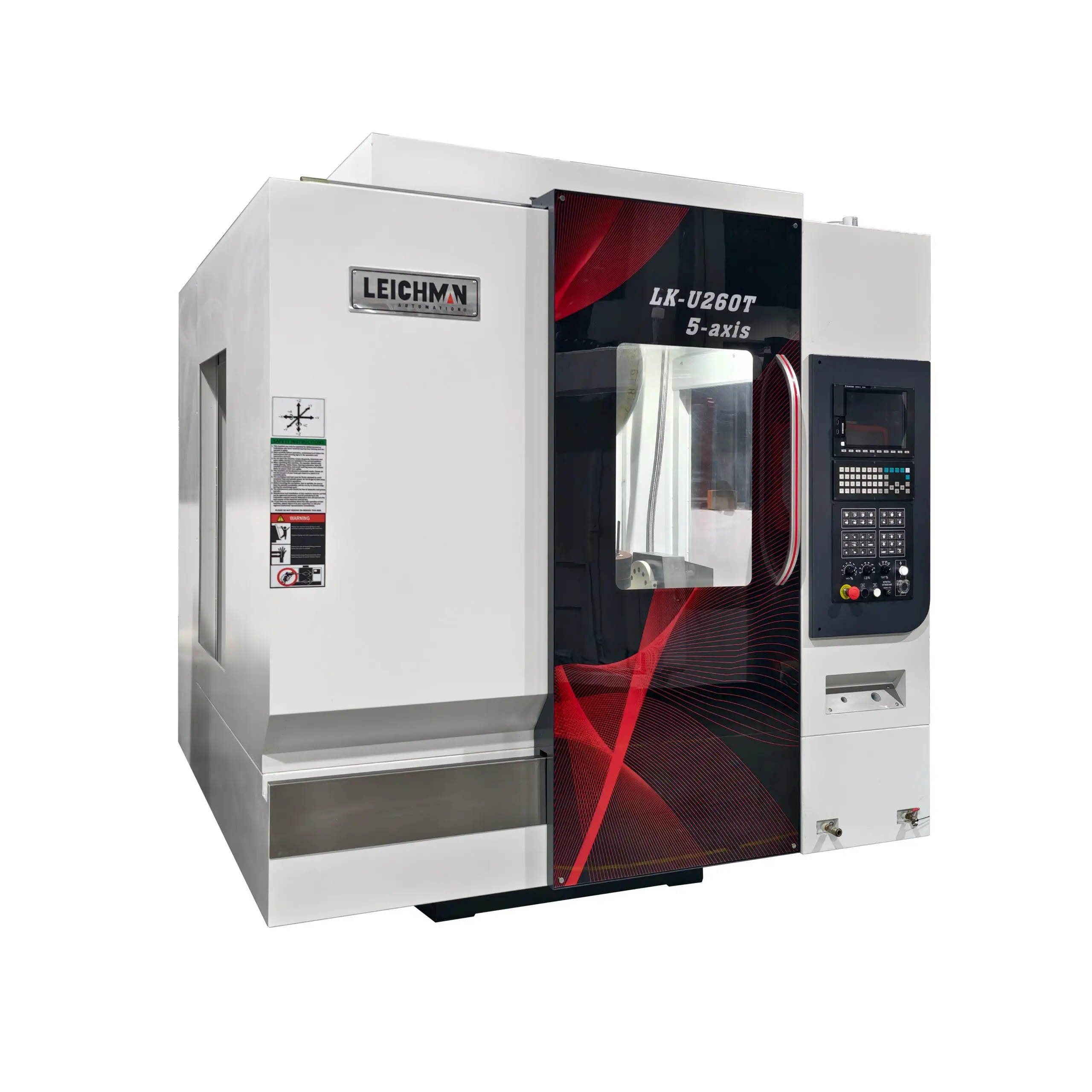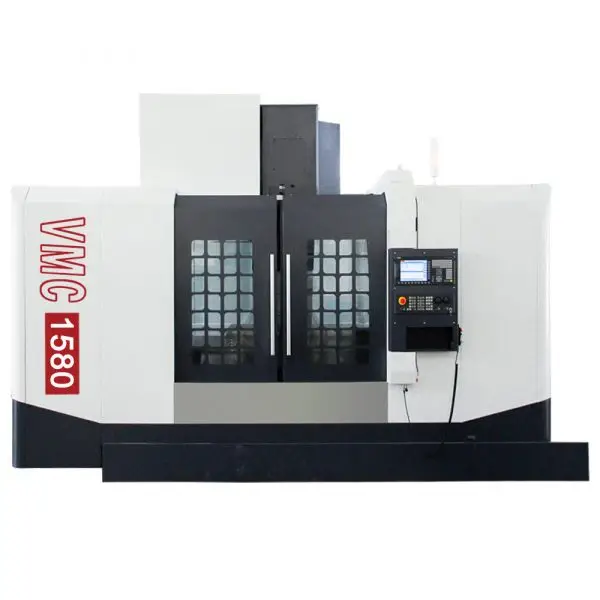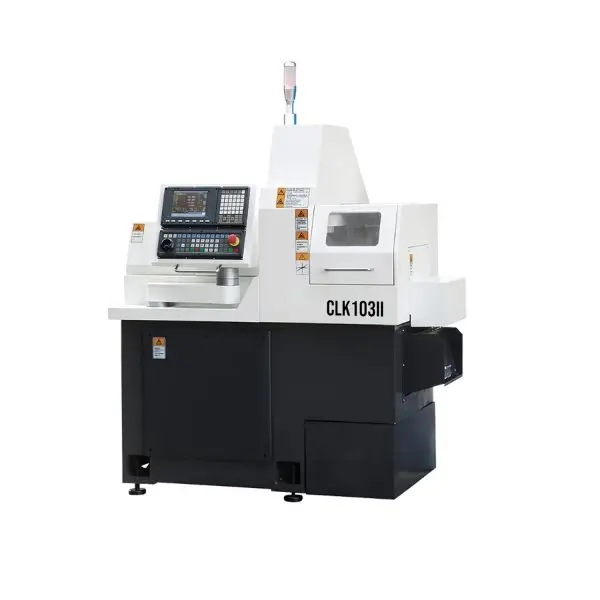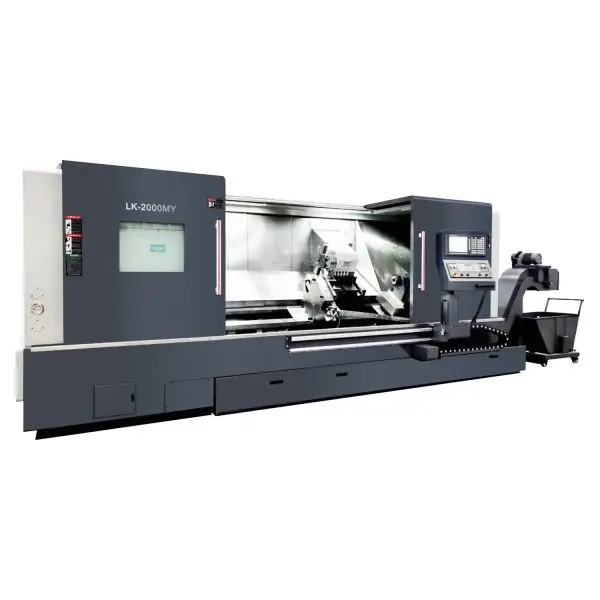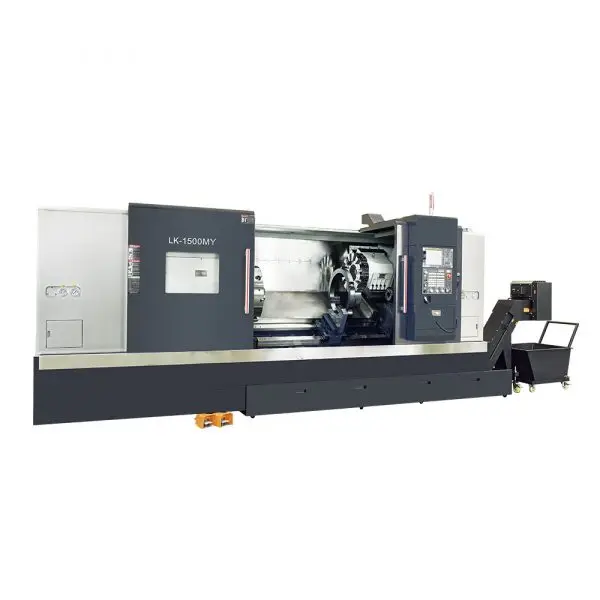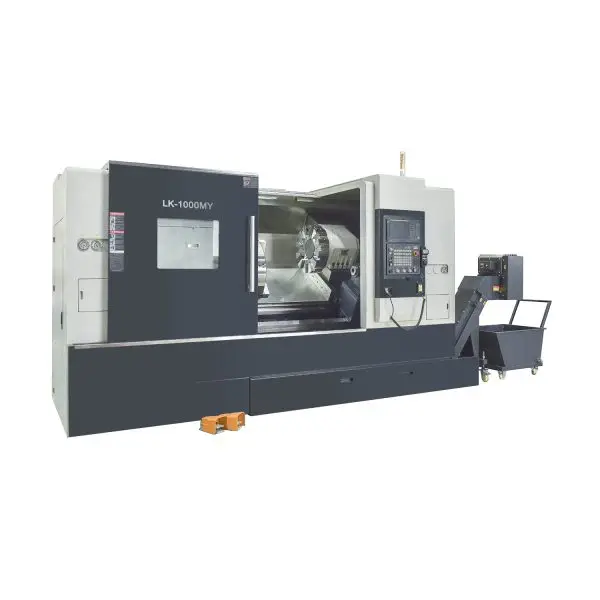
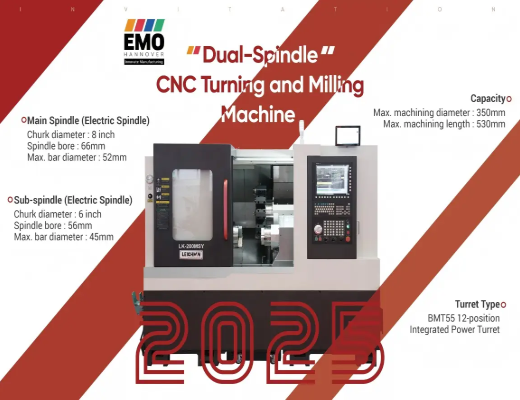
Efficiency in metalworking often depends on the specific geometric capabilities integrated into modern equipment. When we at Leichman—a subsidiary brand of HOSTON—assess the configuration of complex machinery, we focus on how specific functions, such as the Y-axis offset, influence overall output quality. This feature provides a significant advantage for workshops that require high precision on parts with off-center features or complex geometries. By looking at the technical design of a CNC turn-mill center, we can see how these offset functions allow for versatile machining paths, which simplifies production for intricate mechanical components.
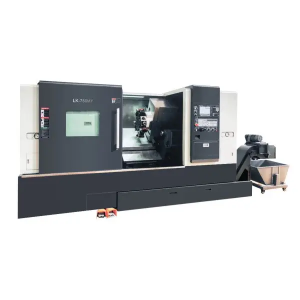
Enhancing Geometric Flexibility with Y-Axis Movement
Flexibility in machining is a core requirement for modern manufacturing. The inclusion of a Y-axis in a turn-mill setup allows the tool to move perpendicularly to the center line of the workpiece, which facilitates the creation of complex shapes without needing to reposition the part multiple times. When we discuss hardware with potential partners, we emphasize that a well-designed CNC turning and milling center should provide smooth, consistent movement along this axis to ensure that intricate features are machined with high accuracy. By utilizing this offset, operators can perform milling operations that were previously reserved for dedicated machining centers, thereby optimizing the utilization of our floor space and reducing the total number of setups required for a single part.
Streamlining Multi-Tasking Production Workflows
Multi-tasking is essential for reducing cycle times in busy production environments. A CNC turn-mill center combines the traditional turning operations with milling capabilities, and the Y-axis offset adds a layer of operational depth that is hard to replace. As CNC turn-mill center manufacturers continue to develop more advanced multi-tasking platforms, manufacturers gain greater flexibility in handling complex machining requirements within a single setup. For us at Leichman, this integration means that we can complete a wider range of operations on a single platform. We find that when the machine design allows for seamless transitions between turning and off-center milling, the risk of error introduced by moving parts between machines is significantly reduced. This approach helps create a more stable production workflow where consistency is achieved through precision engineering and mechanical reliability.
Assessing Precision in Complex Part Fabrication
Achieving high tolerance levels on complex parts requires rigid mechanical construction and precise control systems. We analyze the construction of each CNC turning and milling center to ensure that the Y-axis movement is supported by a stable frame that minimizes vibration during heavy cuts. The accuracy of the offset function is highly dependent on the quality of the drive systems and the structural integrity of the machine base. When we evaluate the specifications provided by reputable CNC turn-mill center manufacturers, we look for evidence that these components are built to handle repetitive, high-precision tasks over extended periods. This focus on structural quality ensures that our manufacturing processes remain predictable and that we can meet the rigorous specifications required for the parts we produce.
The implementation of Y-axis offset functions represents a technical shift toward more efficient, multi-purpose machining. By integrating this capability into our production strategy, we improve our ability to manufacture complex components with fewer manual interventions. We suggest that anyone looking to expand their manufacturing capacity perform a detailed review of the mechanical design of their equipment to verify that these features are implemented correctly. At Leichman, we value the clarity that comes from understanding these technical requirements, as it provides a path to consistent performance and helps us meet our production goals with high reliability.