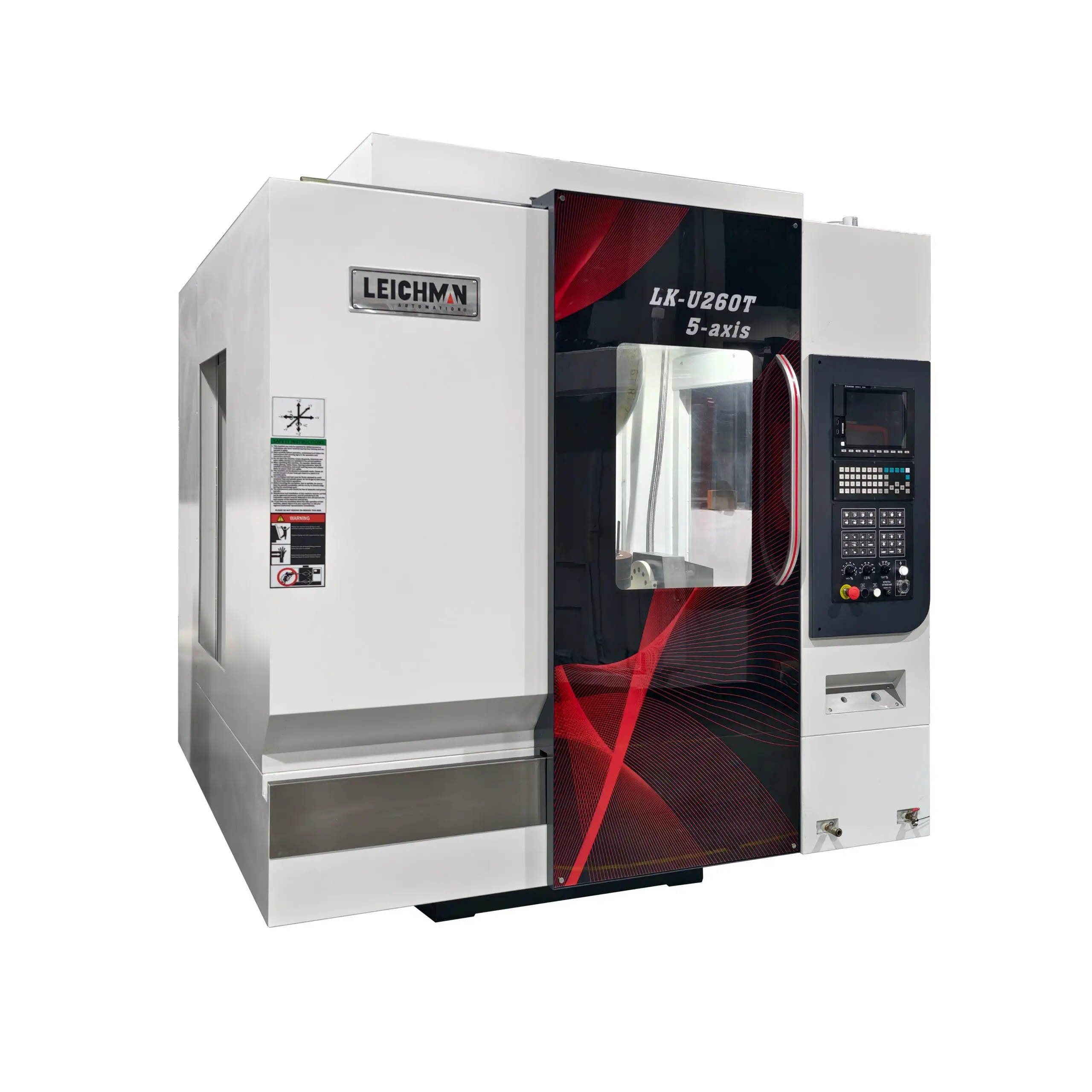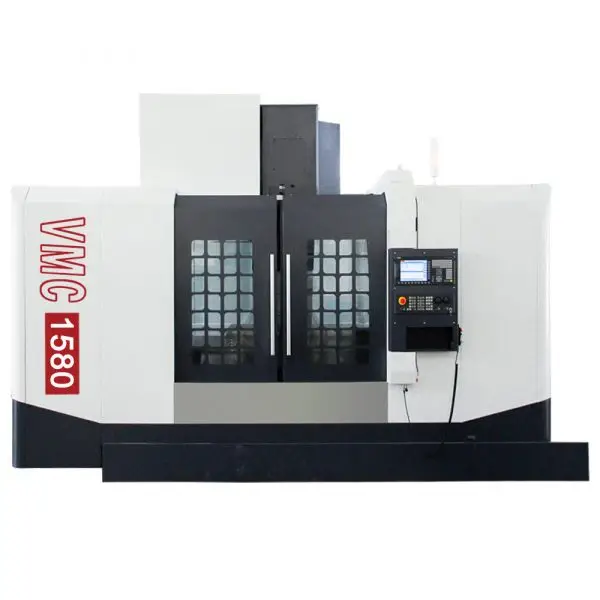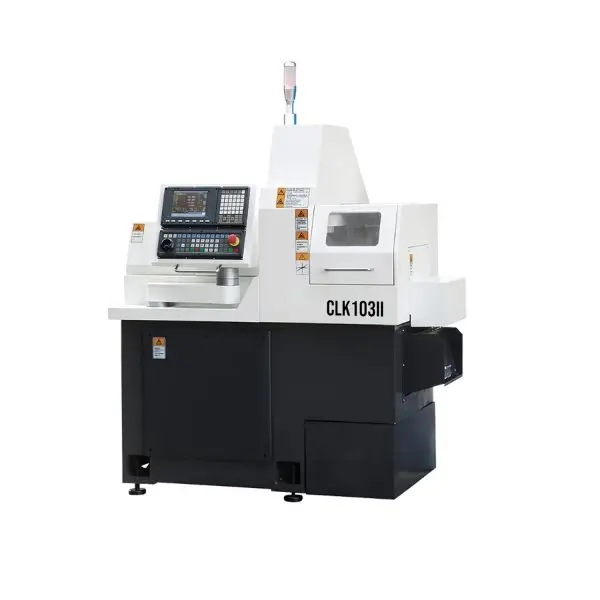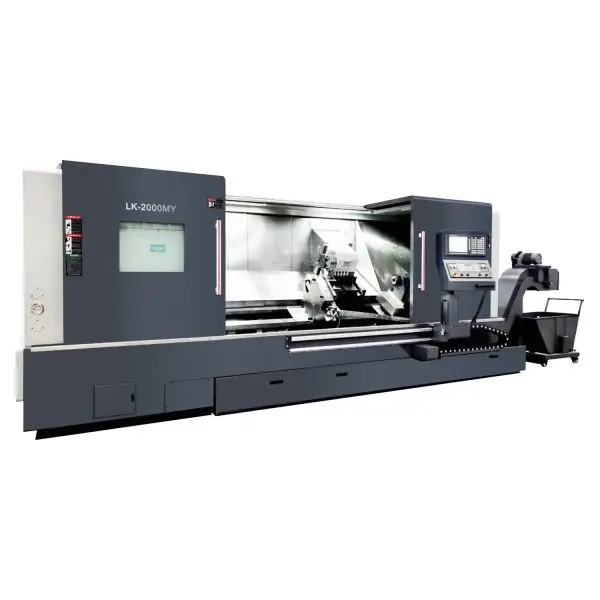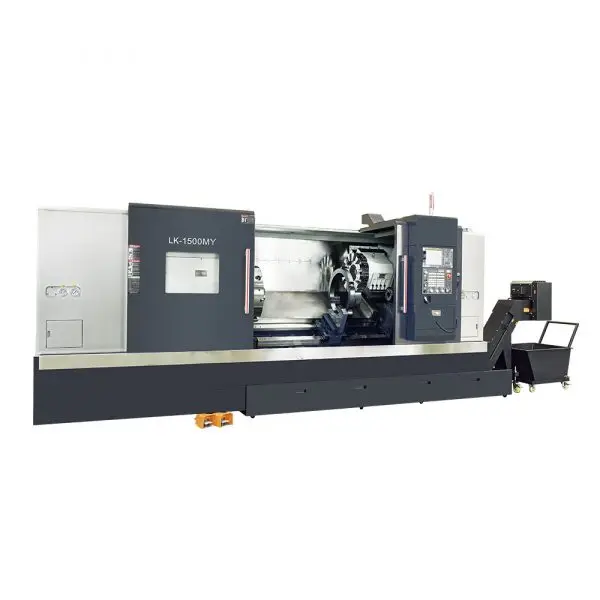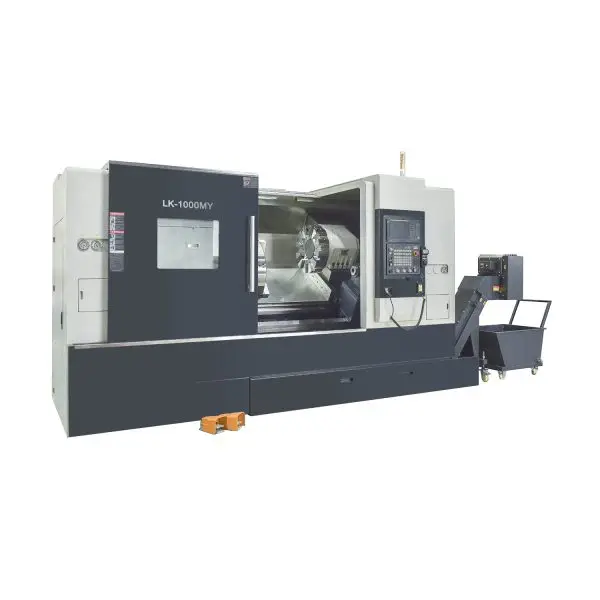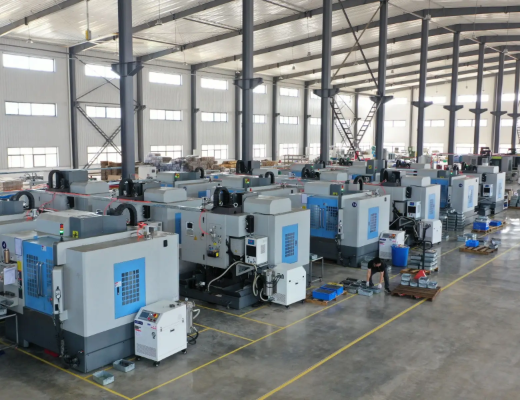
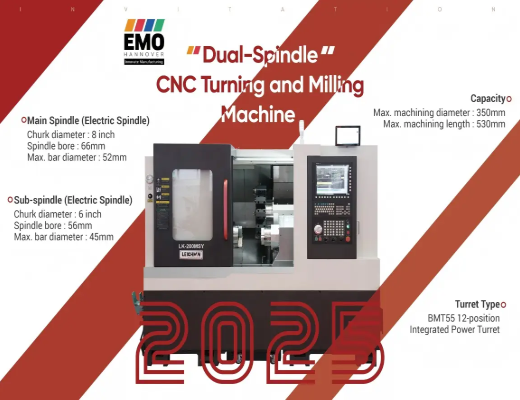
Optimizing production output often centers on how effectively we utilize multi-axis technology to reduce cycle times and secondary handling. By consolidating multiple operations into a single machine setup, we create opportunities to increase precision while decreasing the total time parts spend on the workshop floor. Our focus is on developing programming methods that maximize the concurrent operation of milling and turning functions, ensuring that each rotation and feed movement contributes to a leaner manufacturing process.
Refining Toolpath Sequences for Simultaneous Motion
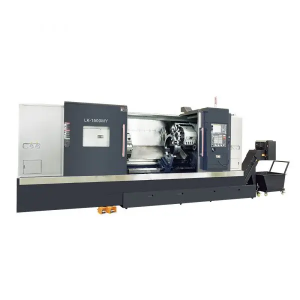
Effective programming starts with the arrangement of operations to ensure the spindle and turret work in harmony. As engineers at Leichman — a subsidiary brand of HOSTON — we focus on balancing heavy material removal with fine finishing passes to keep the work cycle moving without interruption. By analyzing the sequence of operations, we identify opportunities to overlap tool paths, such as performing a milling task while the main spindle handles a turning operation elsewhere. This synchronization requires careful planning of tool clearances to prevent interference, particularly when using a specialized CNC multi axis turning milling center. We evaluate every move to ensure that the machine’s software minimizes idle time, which is essential for improving the overall efficiency of complex part production.
Leveraging Software for Complex Geometries
Modern control systems provide the capability to manage intricate tool paths with greater accuracy. When we program for a CNC multi axis turning milling center, we rely on digital simulation to verify that the tool center point remains consistent across all axes. This simulation process helps us detect potential collisions before they happen on the actual machine, allowing for a more confident production run. Many CNC turn-mill center manufacturers provide advanced interface features that simplify the management of these complex movements. By utilizing these tools, we ensure that the transition between turning and milling is smooth, which results in higher surface quality and stricter adherence to dimensional tolerances for even the most difficult component designs.
Improving Operational Consistency Through Data Application
Consistency is a requirement for repeatable production, and it is achieved through rigorous testing and iterative improvement of our programming methods. We monitor how the machine reacts to different cutting forces and make adjustments to the feed rates accordingly. At Leichman, we believe that the data collected during initial test runs is vital for refining the process for future batches. When working with equipment from various CNC turn-mill center manufacturers, we look for patterns in tool wear and thermal expansion to ensure that our programs compensate for these factors effectively. This disciplined application of machine data allows us to maintain the required output quality without needing constant manual supervision, which stabilizes the workload for the entire facility. As Leichman continues to refine these programming strategies, we remain focused on the technical details that drive productivity and operational excellence for our partners.
Achieving higher efficiency on multi-axis equipment relies on the synergy between advanced programming techniques and the inherent capabilities of the machinery. By prioritizing the synchronization of turning and milling operations and utilizing simulation tools to refine our approach, we build workflows that are both fast and accurate. Our commitment is to apply these strategies to maximize the performance of every CNC multi axis turning milling center we manage. By focusing on these methodical improvements, we provide a foundation for consistent production that meets the demands of modern industry.