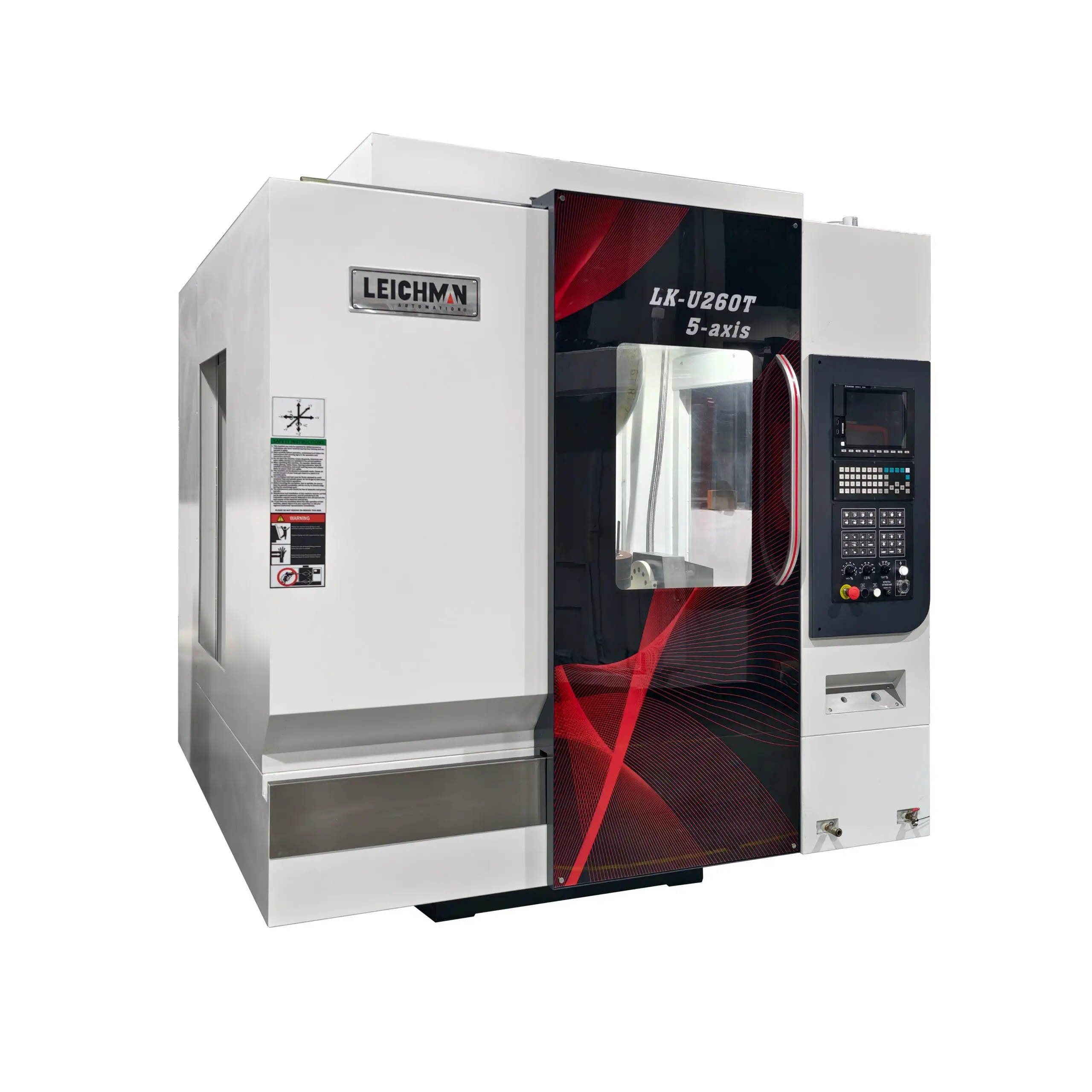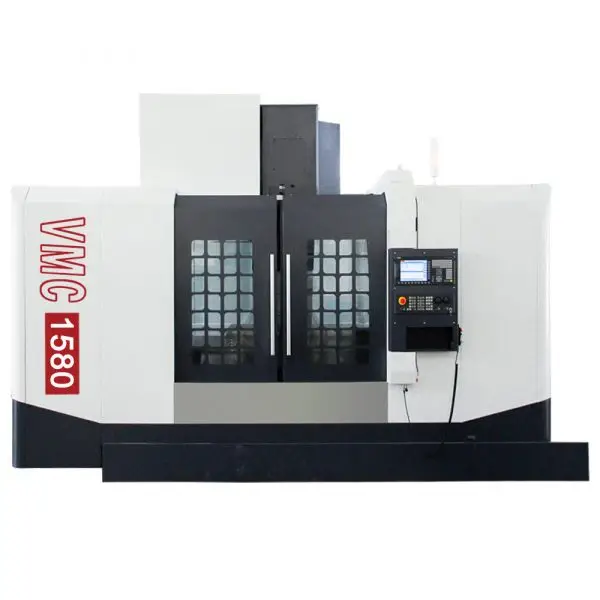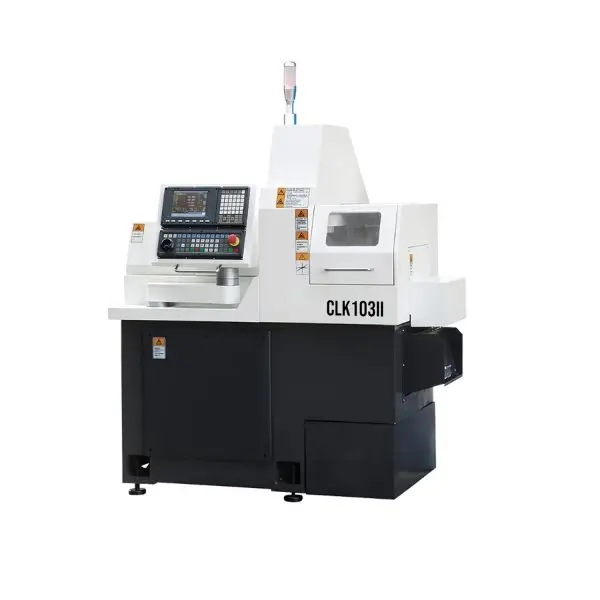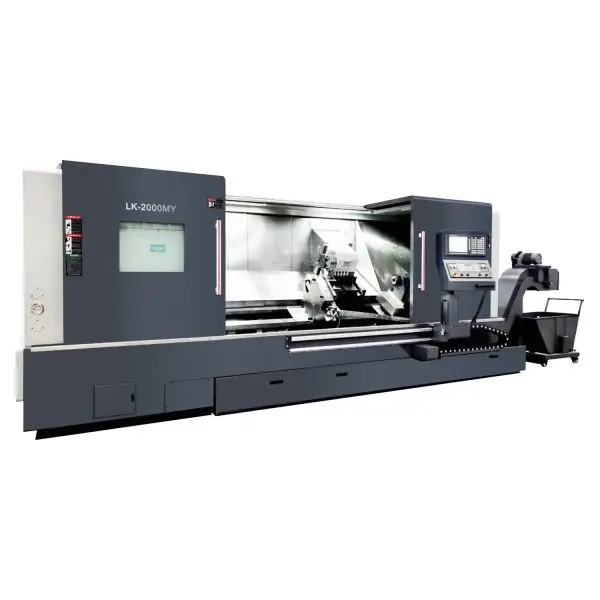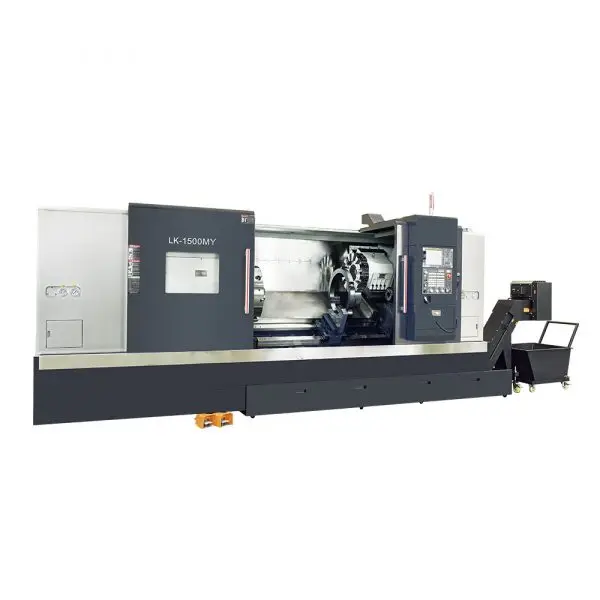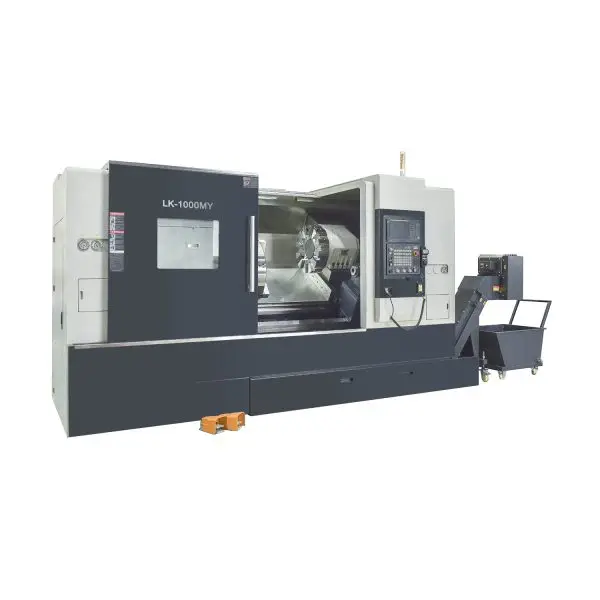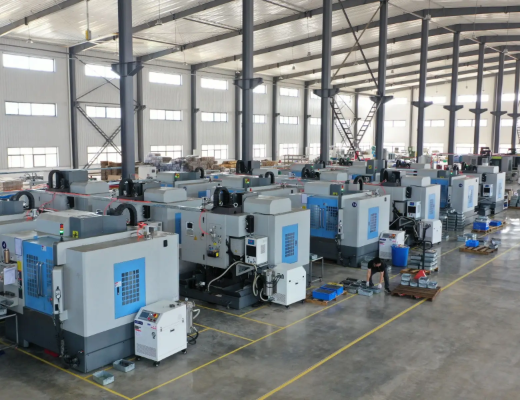
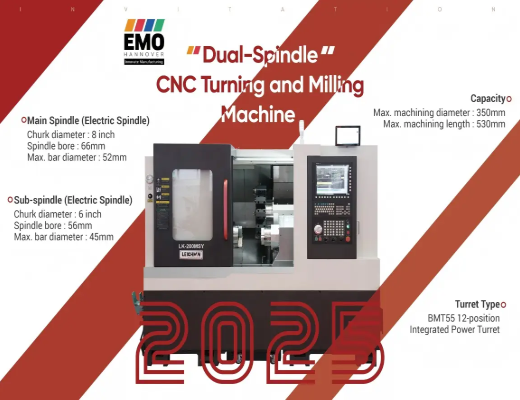
Determining the appropriate machine configuration requires a careful analysis of your production goals and part geometries. At Leichman, a subsidiary brand of HOSTON, we focus on providing diverse solutions that support various manufacturing needs, from custom prototypes to high-volume output. The core difference between these systems lies in spindle orientation, which fundamentally alters how your team interacts with the workpiece and manages the removal of chips. Assessing whether your shop requires the flexibility of a vertical machining center or the specialized throughput of a horizontal system is a critical step in optimizing your overall operational efficiency.
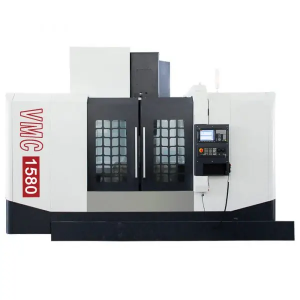
Examining Spindle Orientation and Visibility
A vertical spindle orientation is a staple in many shops due to its intuitive design and accessible workspace. When we design our vertical machining center lineup, we emphasize ease of setup, making these machines an ideal choice for high-mix, low-volume production. Operators find it straightforward to touch off tools, inspect parts, and make program adjustments because the workpiece remains clearly visible throughout the cycle. This accessibility simplifies the transition between different project types, allowing smaller workshops to manage varied job requirements without extensive re-fixturing or complex planning.
Assessing Productivity and Part Geometry
Integrating a horizontal or vertical turning machining center into your facility involves looking at the number of faces requiring attention. Horizontal systems are often preferred for components that require machining on multiple sides in a single setup, as they utilize pallets and tombstones to reduce manual intervention. Conversely, vertical systems excel when work is primarily top-access, allowing for quick changeovers on simpler geometries. Our focus at Leichman remains on supporting your ability to match the machine capability to the specific part family, ensuring that the hardware supports your workflow rather than creating bottlenecks.
Considering Automation and Long-Term Throughput
Scaling your operations may lead you to consider automation, which is where system configurations diverge significantly, particularly when evaluating horizontal or vertical turning machining center configurations. Horizontal setups are inherently designed to integrate with pallet pools, effectively minimizing operator involvement and increasing spindle utilization. If your production strategy involves consistent, large-batch production of complex parts, these systems provide a robust path toward sustained throughput. Meanwhile, our position as vertical machining center manufacturers means our vertical machining center options remain valuable for facilities that prioritize agility and lower initial capital investment. Reviewing your long-term roadmap—specifically regarding the required accuracy and volume—will help determine which system provides the most practical return for your specific manufacturing environment.
Efficiency is achieved when the chosen technology aligns with the reality of your shop floor. Whether you lean toward the versatility of vertical units or the multi-face capability of horizontal systems, the decision rests on your unique production patterns and complexity requirements. As vertical machining center manufacturers, we remain committed to providing reliable equipment that addresses these fundamental needs, allowing you to grow your production capabilities with confidence. By carefully reviewing your part types and expected volumes, you can establish a stable foundation for high-precision output that serves your clients effectively for years to come.