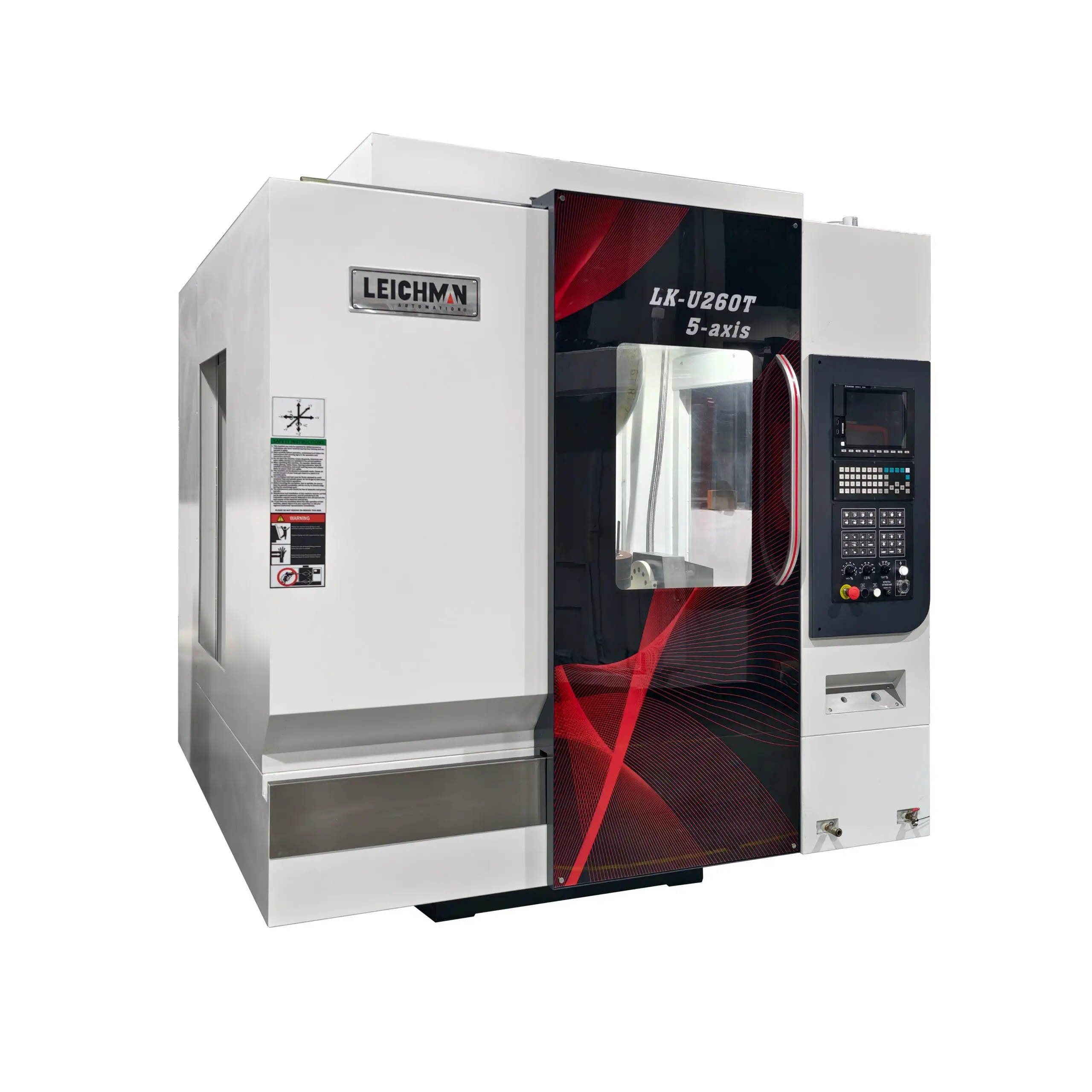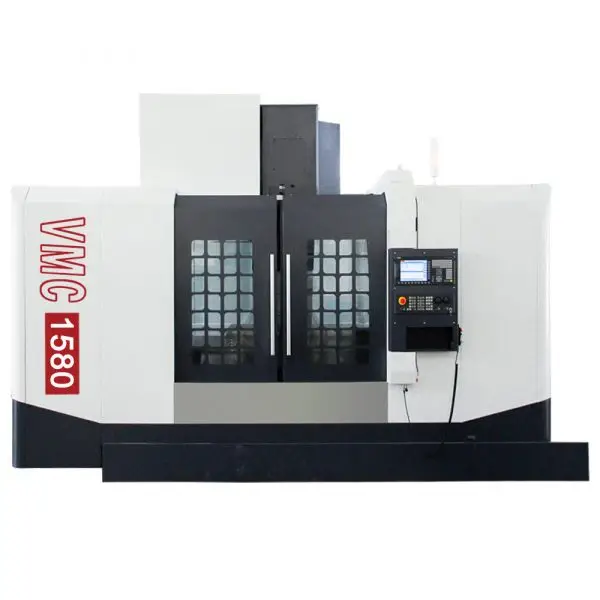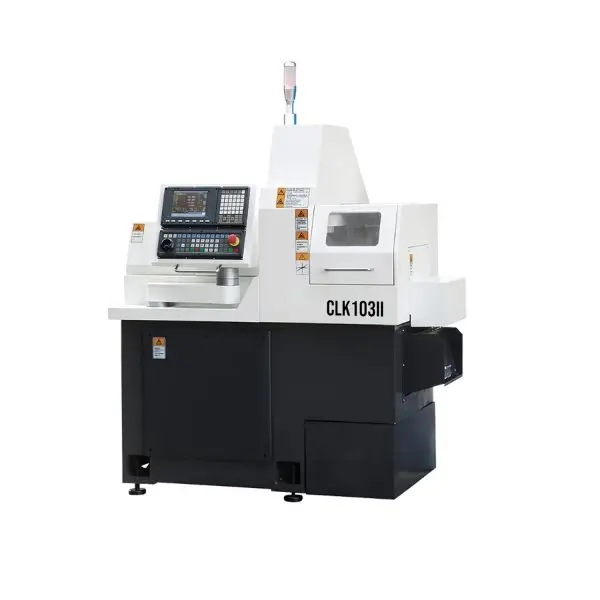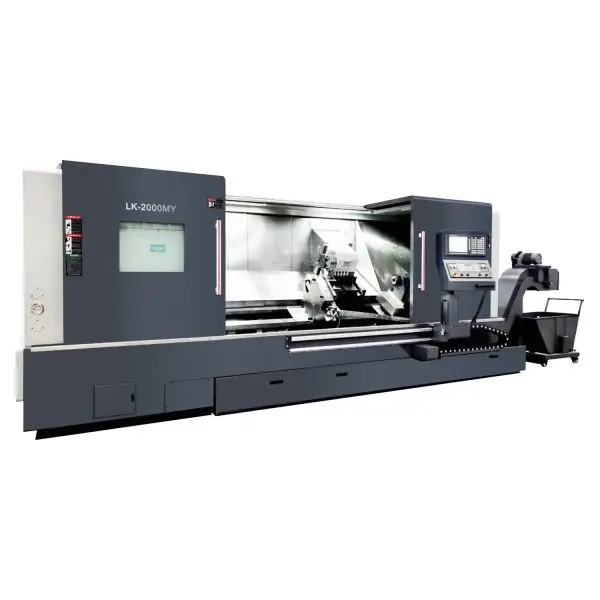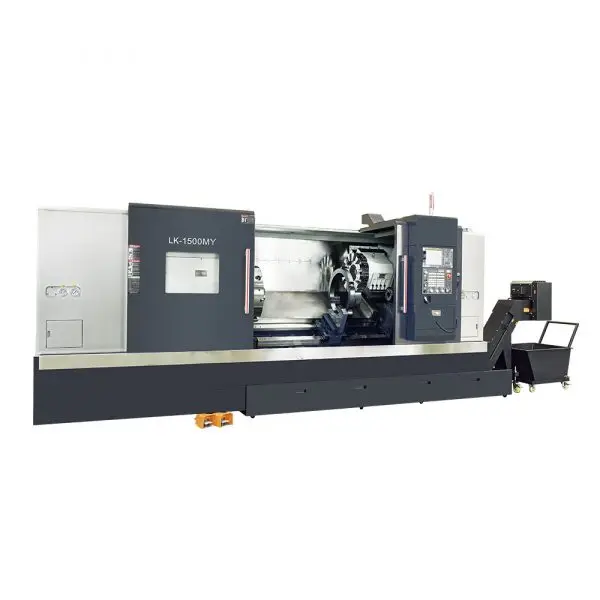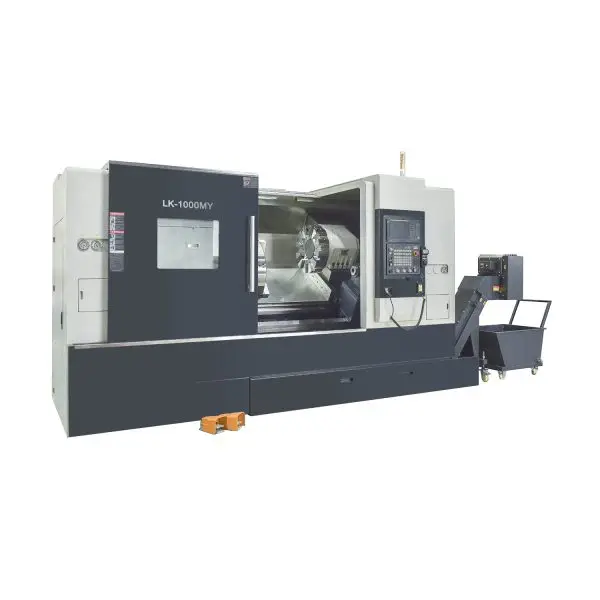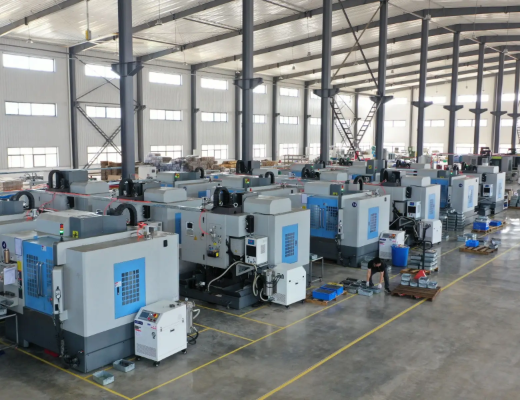
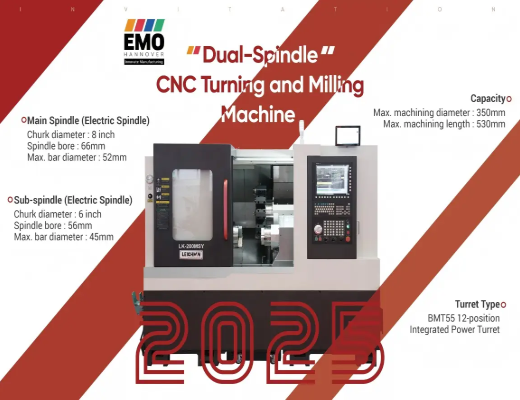
Industrial facilities often start with single-unit operations before moving toward more integrated workflows to improve output consistency. At Leichman, a subsidiary brand of HOSTON, we view this progression as a natural evolution for shops aiming to reach higher levels of efficiency. Many partners ask how to bridge the gap between their current standalone units and a more streamlined, automated environment. By analyzing the requirements for a CNC automation machine, shops can determine which upgrades provide the most value for their specific production demands. As professional CNC equipment manufacturers, we provide insights into how to phase these improvements effectively without disrupting current output.
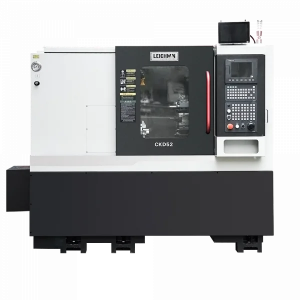
Incremental Steps Toward Integration
Transitioning from manual loading to automated processes does not always require an immediate overhaul of the entire factory floor. Often, the initial phase involves adding peripheral systems to existing hardware, such as bar feeders or part loaders, which significantly reduces the need for constant operator attention. When we incorporate a CNC automation machine into a facility, we look for bottlenecks that limit throughput during long shifts. By offloading repetitive tasks, workers can focus on complex programming and quality control rather than simple material handling. This shift allows for a gradual increase in production capacity while allowing the team to adapt to the new workflow.
Scalability and System Interconnectivity
Developing a full production line requires a focus on how different machines communicate and function as a single unit. As CNC equipment manufacturers, we emphasize the importance of compatible control systems that allow for seamless data exchange between robots, conveyors, and processing centers. When we evaluate the design of a CNC automation machine, we prioritize flexibility, as production needs often evolve over time. Establishing a modular infrastructure allows for the addition of new units or the reconfiguration of existing cells without needing to discard foundational investments. This approach protects long-term capital and creates a resilient environment that can handle diverse part geometries and fluctuating order volumes.
Improving Precision Through Consistent Automation
Automation contributes to repeatability by removing variables associated with manual intervention. In high-volume environments, human fatigue can lead to minor inconsistencies in part loading or tool engagement. By implementing systematic upgrades provided by experienced CNC equipment manufacturers, facilities can ensure that each cycle adheres to the same parameters. We observe that when a shop integrates a CNC automation machine, the reduction in cycle time variance is often immediate. This stability is essential for high-precision industries where meeting tight tolerances consistently is non-negotiable. With consistent machine performance, Leichman focuses on supporting the hardware requirements that make this high level of repeatability possible across varying production shifts.
Upgrading from standalone units to a cohesive production line is an investment that requires careful planning regarding current resources and future growth. By focusing on modularity, improved data connectivity, and consistent process control, facilities can achieve greater efficiency and reliability. Leichman remains dedicated to providing the necessary technical support and hardware to assist you through these transitions. By reviewing your current output and identifying areas where manual tasks impede progress, you can build a more robust and productive manufacturing environment that meets the demands of your customer base.