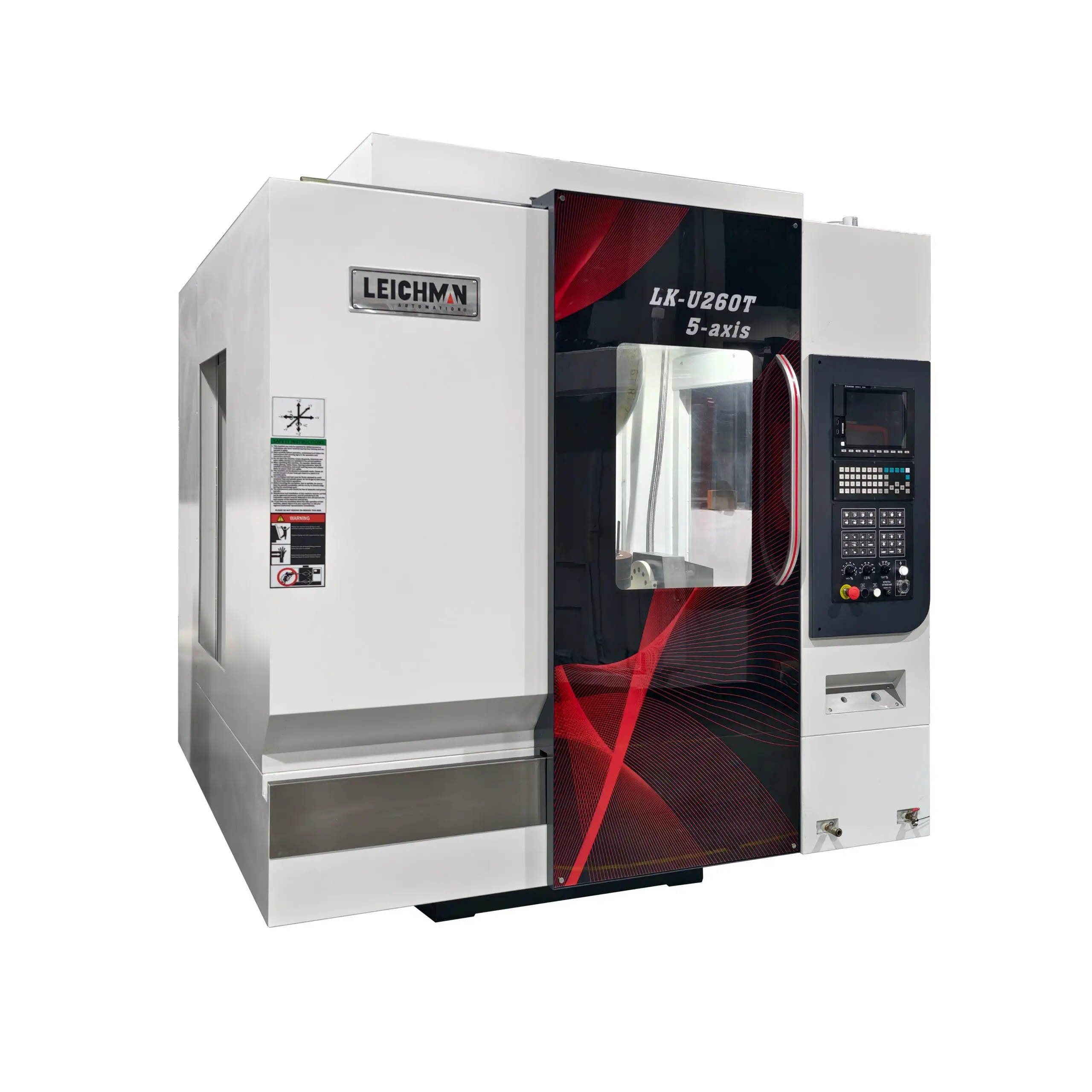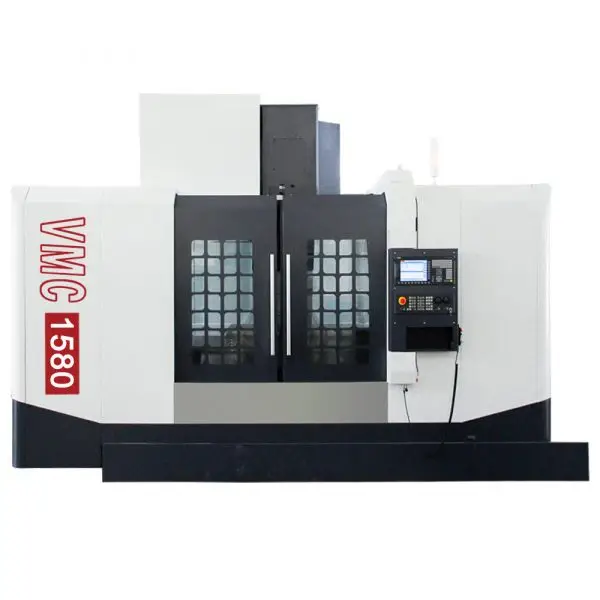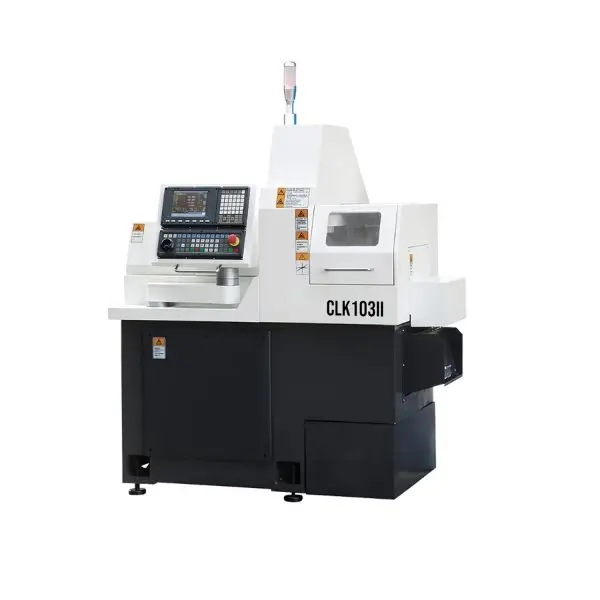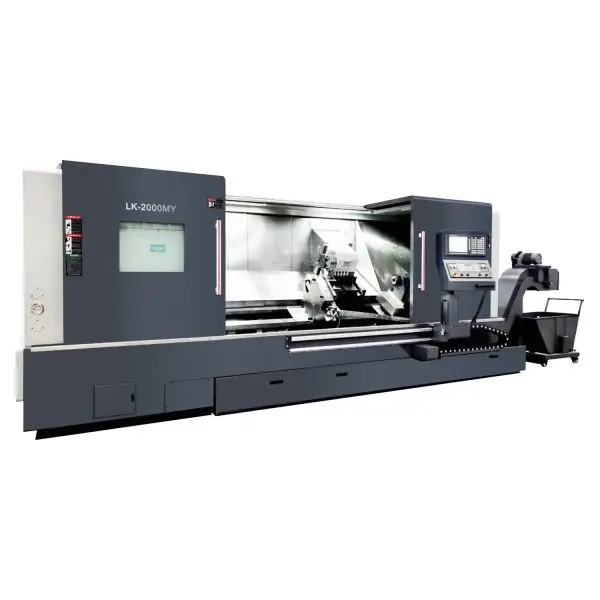
When it comes to precision manufacturing, choosing the right machining center directly determines your production efficiency and product quality. As industrial manufacturing continues to evolve, selecting between horizontal and vertical turning machining centers has become increasingly critical. This choice hinges on multiple key factors, including workpiece materials, component dimensions, and unique workflow requirements. As a professional vertical machining center manufacturer, we at Leichman provide a comprehensive lineup of solutions to accommodate diverse production needs. In this article, we break down the core differences between horizontal and vertical turning machining centers, offering practical insights to help you identify the ideal option for your operational requirements.

Understanding Vertical and Horizontal Machining Centers
Vertical machining centers (VMC) are equipped with a vertically oriented spindle, offering precise control and versatility for various operations, including milling, drilling, and tapping. Our Leichman VMC750, for example, boasts impressive features such as an 800mm X-axis travel and a table size of 1000×500mm. This machine provides high-speed processing with excellent rigidity, making it ideal for precision tasks. In contrast, horizontal machining centers (HMC) are often favored for larger components and are known for their ability to handle multiple setups with minimal operator intervention.
Workflow Considerations: Horizontal vs. Vertical
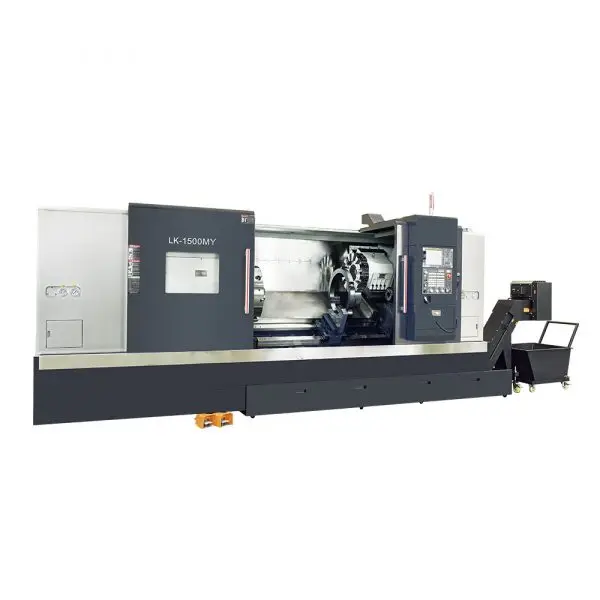
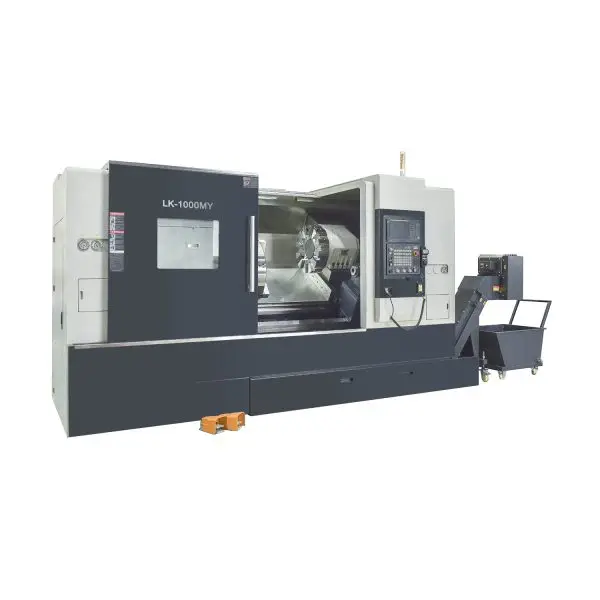
The decision between a horizontal or vertical turning machining center often comes down to the type of workpiece and the required precision. Evaluating the structural design and cutting performance of each horizontal or vertical turning machining center helps manufacturers avoid improper model selection and unnecessary production losses. A vertical machining center is ideal for smaller, more detailed components, such as those found in the aerospace or automotive sectors. With Leichman VMC750, you can achieve tight tolerances and ensure high-quality surface finishes. Meanwhile, horizontal turning centers are better suited for large, heavy parts due to their ability to support heavier loads and reduce the need for retooling.
Efficiency and Space Utilization
When evaluating space utilization, vertical machining centers generally occupy less floor space and are easier to integrate into existing production lines. At Leichman, we focus on building compact yet powerful machines that maximize both efficiency and space. Reliable vertical machining center manufacturers strictly control machine rigidity and structural stability to ensure long-term consistent machining accuracy. The VMC750, for instance, offers a table max loading capacity of 450kg, ensuring that heavy-duty operations can be conducted without sacrificing precision. On the other hand, horizontal turning centers often require more space, making them ideal for larger-scale production facilities but potentially more challenging to incorporate into smaller setups.
Conclusion
In conclusion, horizontal and vertical turning machining centers each deliver distinct advantages, tailored to your unique manufacturing requirements. We at Leichman craft high-precision, premium vertical machining centers ideal for small-scale component processing, while horizontal machining centers excel at machining large and bulky workpieces. Our core commitment is to supply perfectly matched equipment to streamline your production workflow and sustain outstanding precision and efficiency, regardless of workpiece size or project complexity. A clear grasp of your actual production demands will help you select the most suitable machining center for your operations.