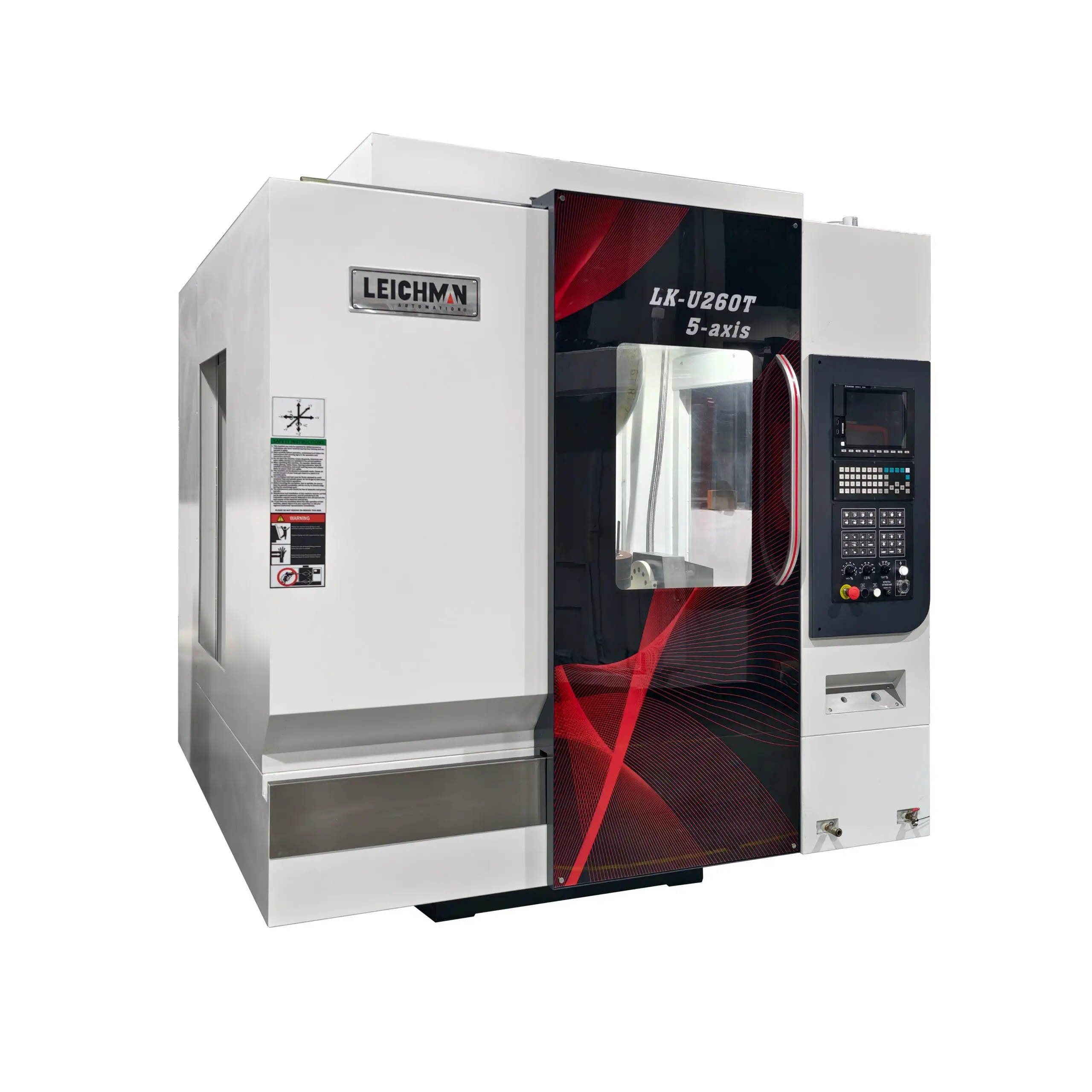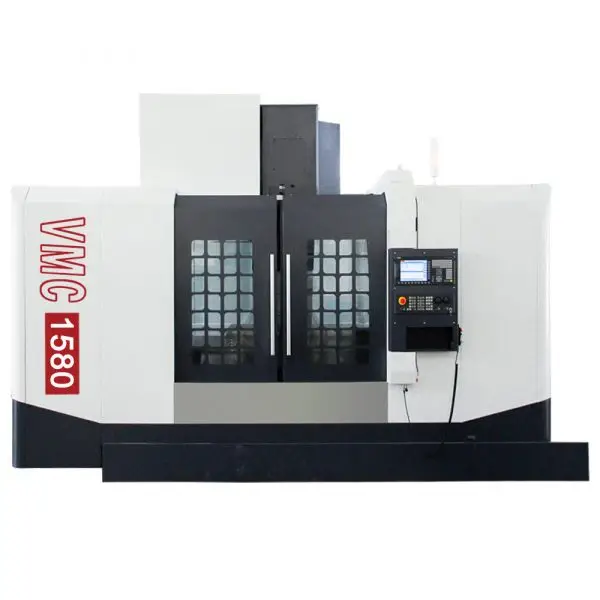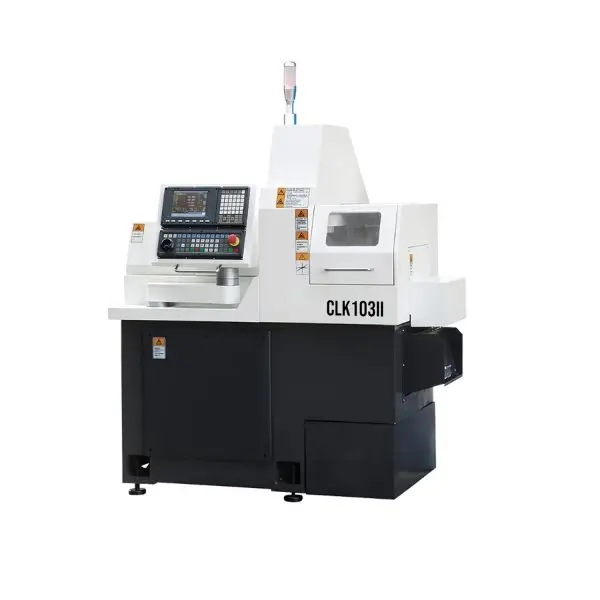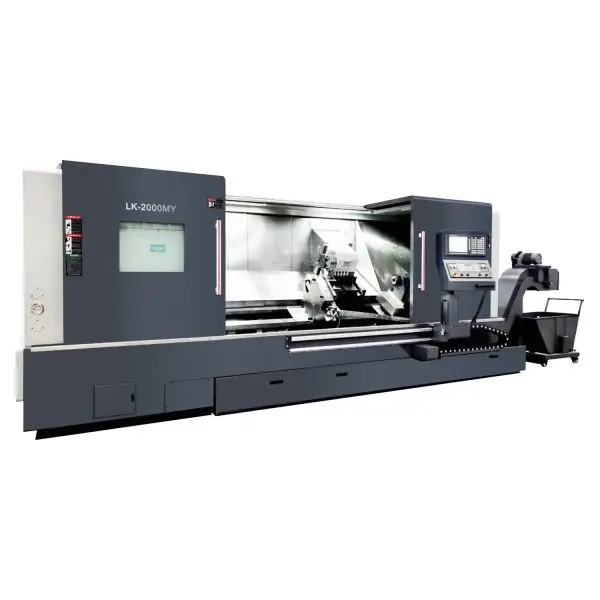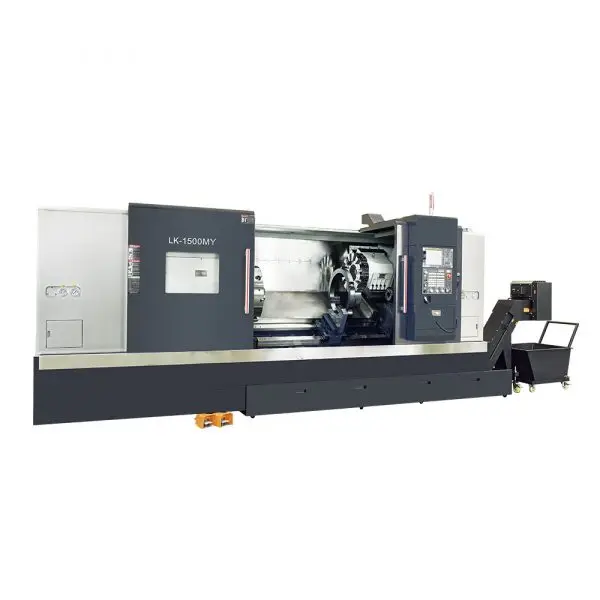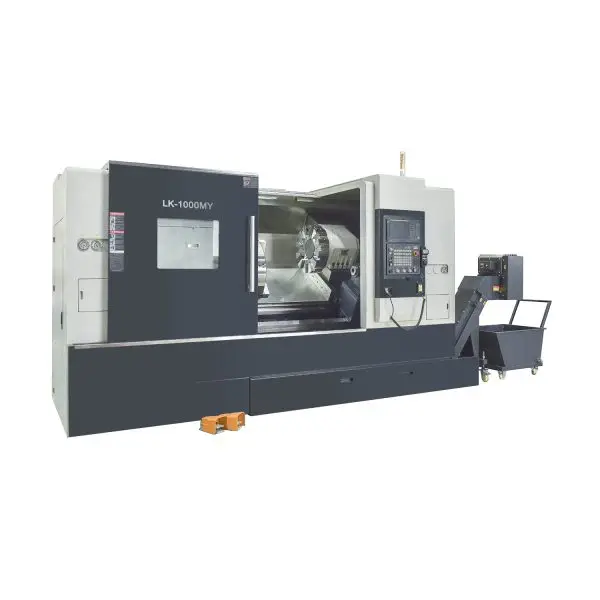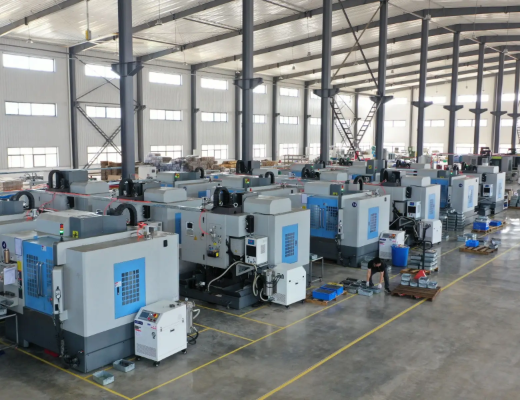
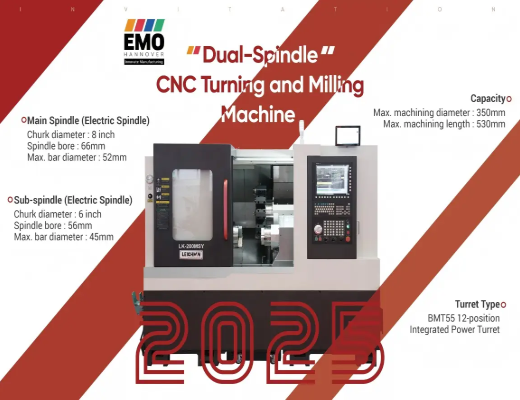
Innovation within the healthcare sector relies heavily on the quality and reliability of specialized equipment. At Leichman, a subsidiary brand of HOSTON, we observe that integrating advanced technology into manufacturing workflows creates more efficient paths for producing life-saving components. When we review the requirements for high-precision items like surgical instruments, implants, and diagnostic housings, it becomes clear that modern CNC machining solutions offer the repeatability needed to meet stringent medical standards. By incorporating automated systems, shops can achieve a level of consistency that ensures every part meets the exacting dimensional tolerances required for patient safety and device functionality.
Enhancing Manufacturing Throughput with Automation
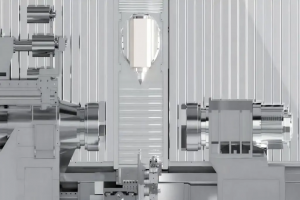
The shift toward automation within medical manufacturing addresses the need for high-volume production without compromising on accuracy. We often find that manual processes introduce variability, which can lead to inconsistencies when producing complex geometries. By deploying CNC machining solutions for medical applications, we can reduce human interaction during the cutting process, allowing for extended production runs with stable output. This approach not only improves uptime but also ensures that the specific features required for medical components—such as intricate fluid channels, precise threads, and specialized surface finishes—are replicated across every batch. Automation allows us to stabilize the fabrication process, ensuring that the transition from prototype to full-scale production remains seamless.
Material Versatility and Complex Geometries
Medical devices frequently require the use of high-performance, biocompatible materials such as titanium alloys, stainless steel, and specialized medical-grade plastics. Machining these materials to high standards presents unique challenges that require robust equipment. We utilize CNC machining solutions to handle these diverse materials effectively, ensuring that the structural integrity of the final device is preserved. Whether we are fabricating bone screws that demand high repeatability or orthopedic implants requiring complex load-bearing shapes, the flexibility of our CNC systems allows for the creation of intricate parts that were previously difficult to manufacture. This capability enables engineers to design components that better contour to unique patient anatomy, directly improving the efficacy of the final medical solution.
Long-Term Reliability and Quality Assurance
Reliability in the medical field is non-negotiable, and the production process must reflect this commitment to excellence. At Leichman, we emphasize that a consistent manufacturing workflow provides the documentation and traceability needed for regulated environments. Automated systems contribute to this by providing documented tool life management and validated programs, which minimize dimensional variation across global production cycles. When we integrate these technologies into our facility setups, we ensure that every surgical tool, imaging component, and diagnostic housing meets the necessary safety standards. This focus on reliability ensures that the final products provide the consistent performance required for critical healthcare procedures, supporting better outcomes for medical professionals and patients alike.
Practical application of these automated systems transforms how we approach the challenges of modern medical device manufacturing. By aligning advanced machinery with specific production requirements, we create a stable and repeatable environment that supports innovation in healthcare technology. Whether you are focusing on the precision of orthopedic implants or the complexity of surgical instruments, the objective remains the same: to deliver durable and accurate components through efficient, technology-driven processes. Through the deliberate application of CNC machining solutions for medical needs, we continue to support the evolving demands of the global healthcare industry with reliable and precise manufacturing outcomes.