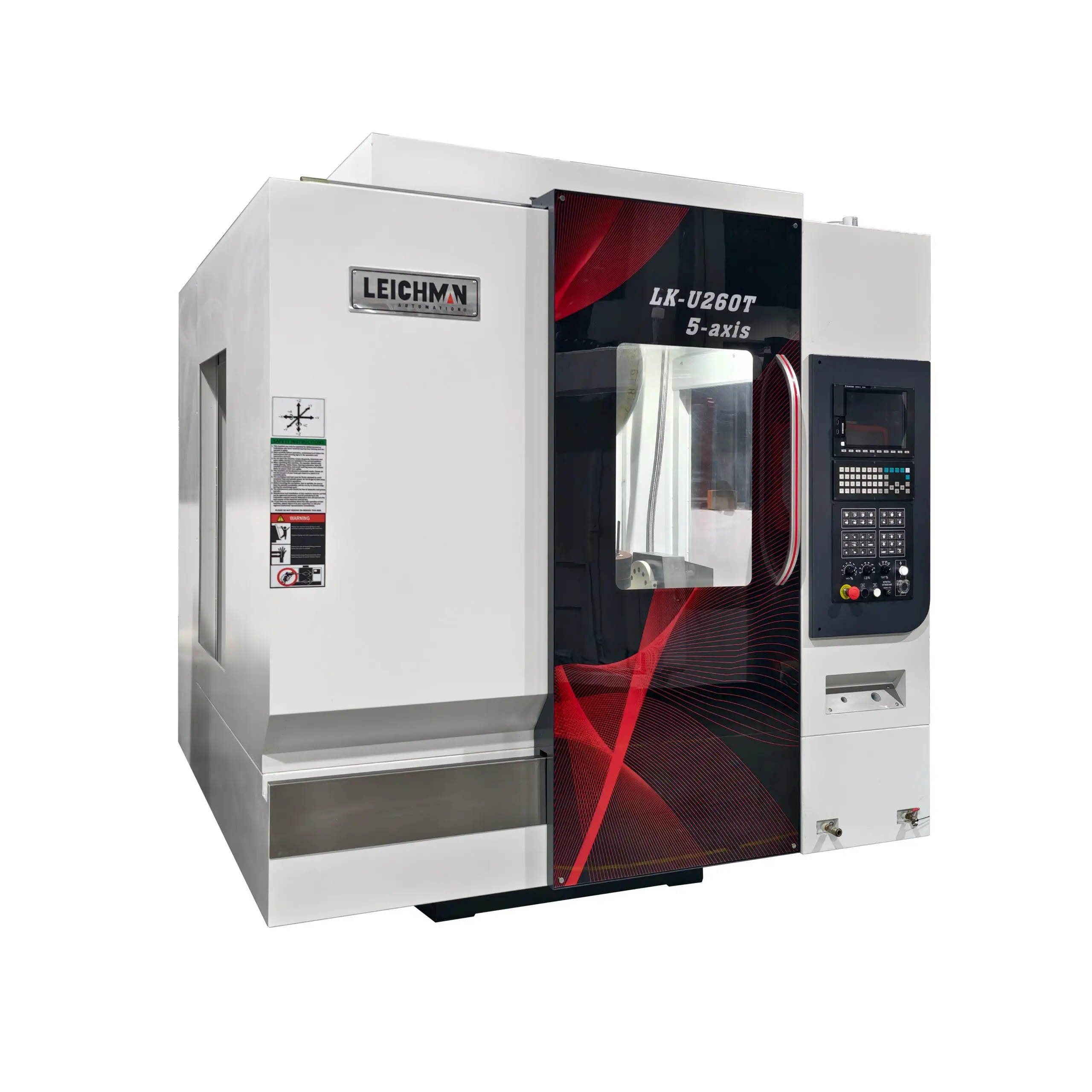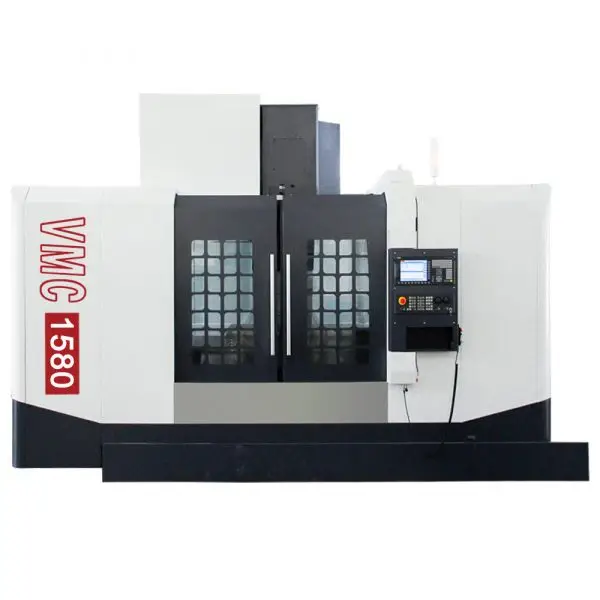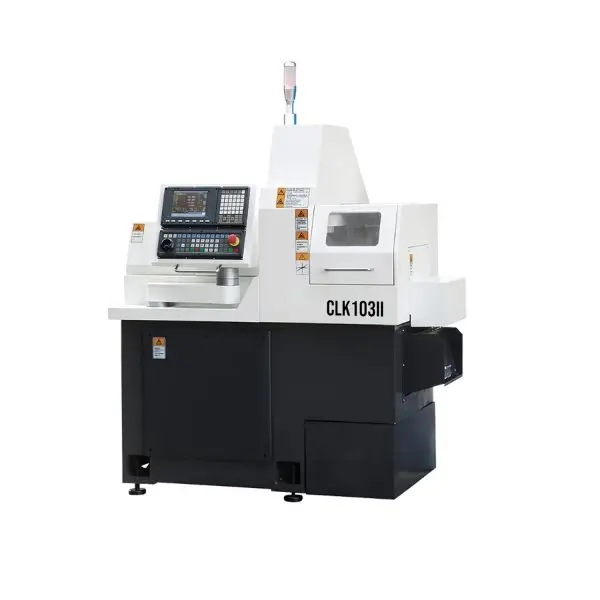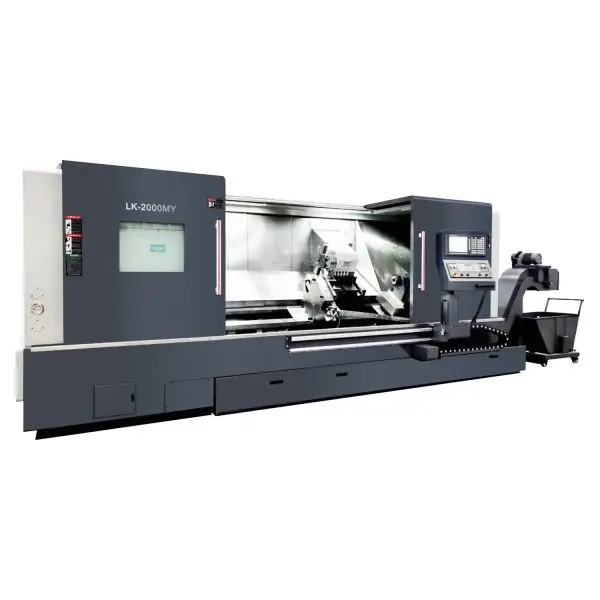
Precision parts manufacturing demands both accuracy and efficiency. In our experience at Leichman, we have observed that machine configuration plays a critical role in achieving these objectives. Choosing between a single spindle lathe and a double spindle CNC machine often defines production output, flexibility, and workflow optimization. By examining the operational differences and capabilities of these machines, manufacturers can make informed decisions for high-precision projects.
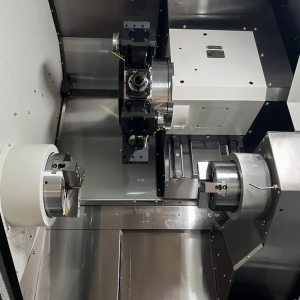
Enhanced Productivity with Double Spindle Configurations
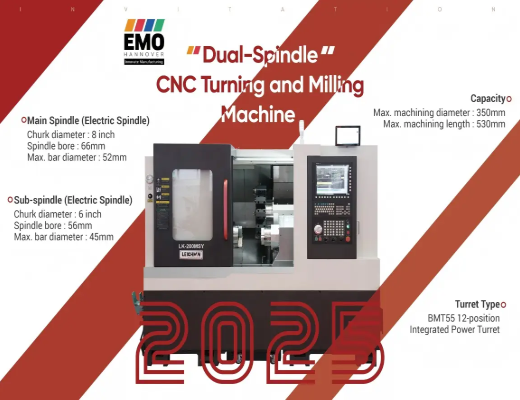
Double spindle lathes offer the advantage of simultaneous machining on two spindles, significantly reducing cycle times. At Leichman, our double spindle CNC machine comes equipped with a tailstock that features oil pressure control and an automatically telescopic sleeve. This design enhances rigidity and simplifies the machining of long-shaft parts, allowing our team to maintain high throughput without compromising quality. It also supports consistent performance during long production runs and reduces operator fatigue. This automated tailstock support not only improves stability for elongated workpieces but also reduces setup complexity, enabling seamless transition between short and long parts without manual adjustments.
Versatility and Complex Operations
In addition to efficiency, versatility is essential in modern production. The servo power turret integrated into our Leichman double spindle systems enables both turning and milling operations on the same machine. This capability reduces the need for multiple setups, minimizes manual intervention, and ensures that complex components are completed with consistent precision, meeting demanding client specifications. By consolidating multiple operations into a single platform, our design not only shortens overall production time but also eliminates geometric errors caused by part repositioning between separate machines.
Operational Reliability and Maintenance
Operational reliability is another crucial factor when comparing single and double spindle systems. Single spindle lathes often require more frequent adjustments when switching tasks, whereas double spindle CNC machines maintain stable operation across diverse part geometries. At Leichman, maintenance protocols are streamlined for our machines, ensuring that downtime is minimized and operational consistency is maintained across long production runs. This inherent stability reduces the need for operator intervention between job changes, allowing even high-mix production environments to run with greater confidence and less unscheduled downtime.
Conclusion
Choosing the right machining solution requires careful evaluation of production demands. Our Leichman double spindle lathes provide significant advantages in productivity, versatility, and operational stability compared to traditional single spindle systems. As professional CNC lathe manufacturers, we integrate features such as oil-pressure-controlled tailstocks and servo power turrets to deliver precision parts efficiently, supporting the complex needs of modern manufacturing.