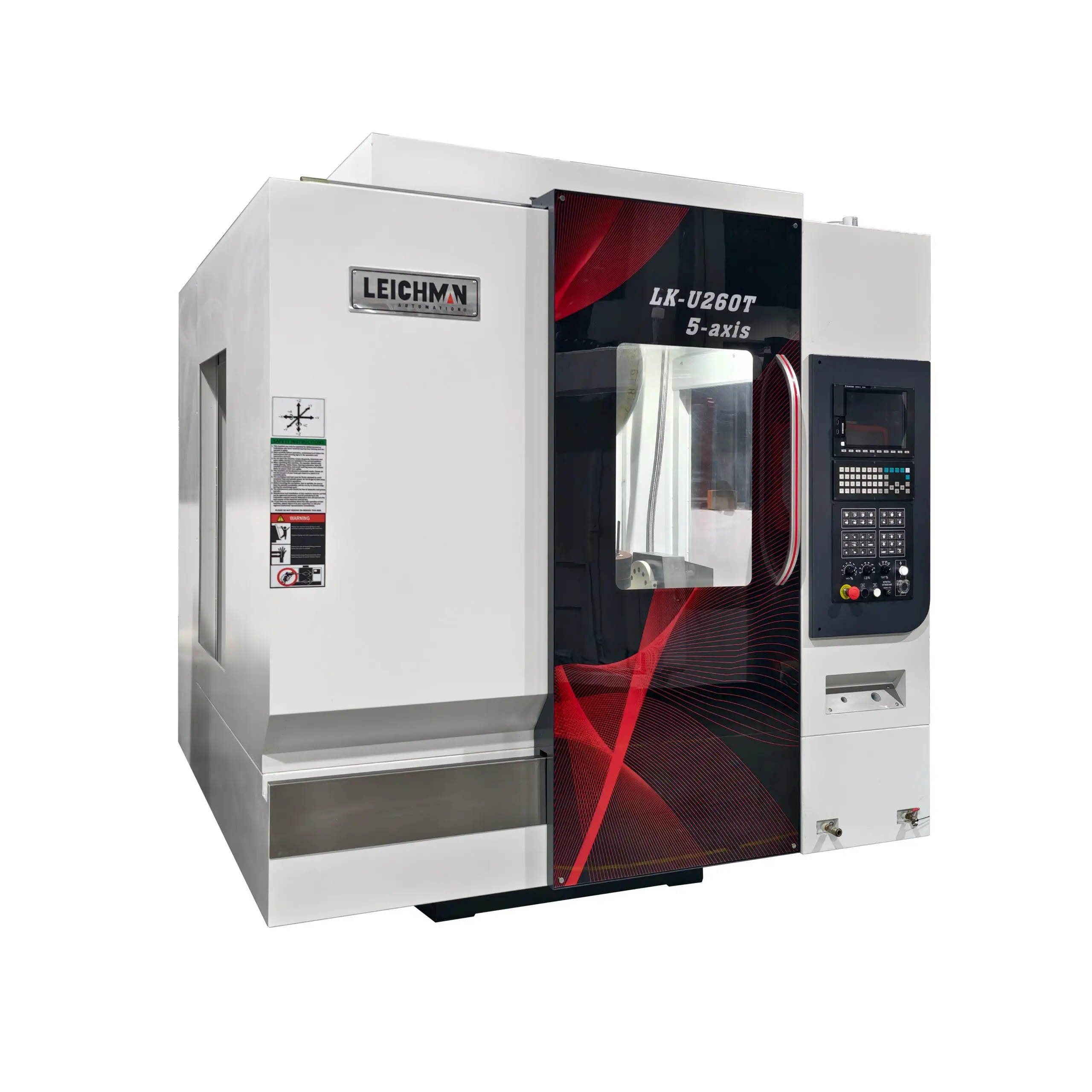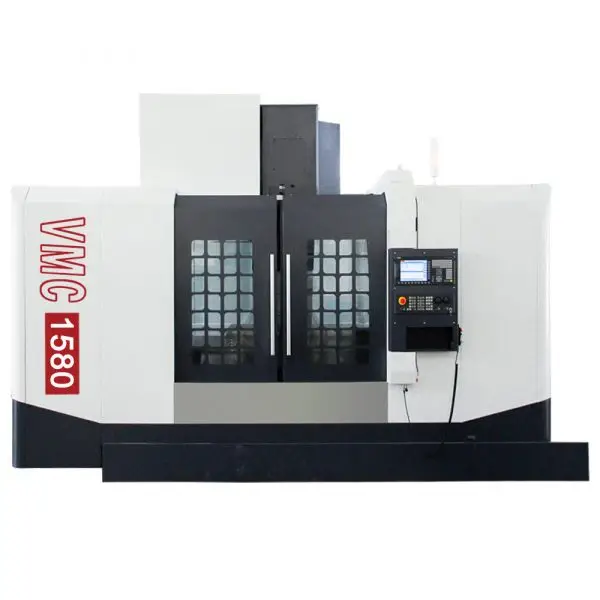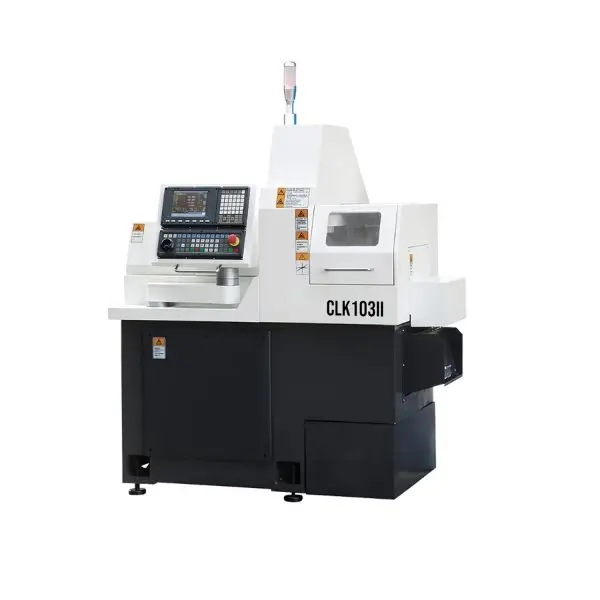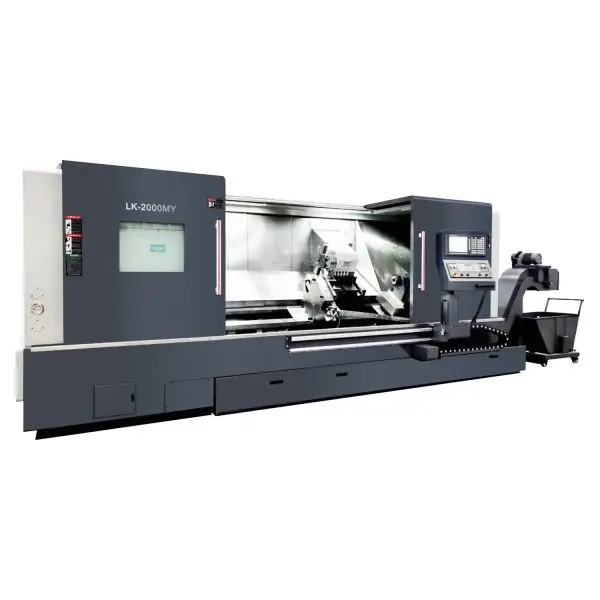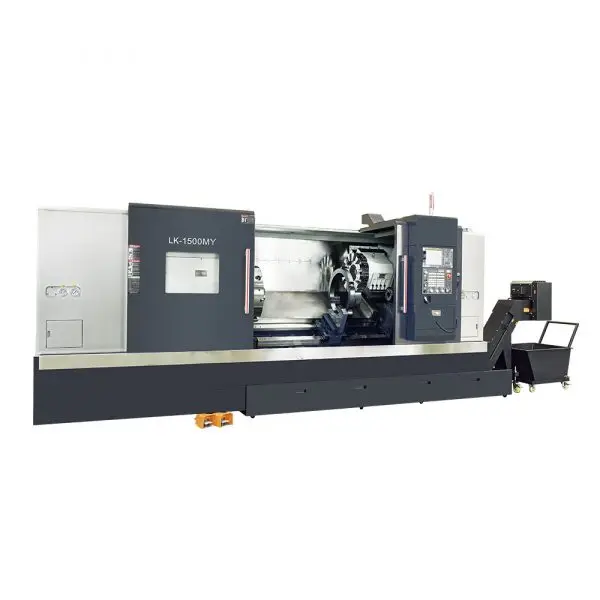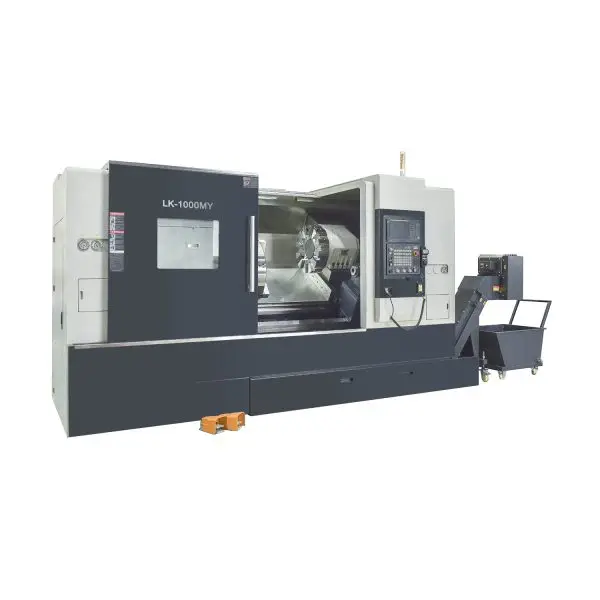
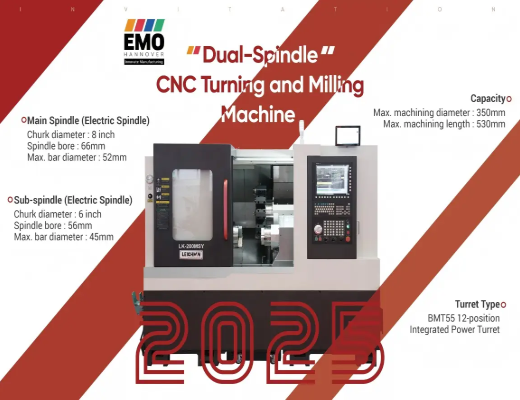
Aerospace engineering is one of the most demanding industries when it comes to precision manufacturing. The need for highly accurate and reliable components has made CNC technology an indispensable tool in this field. Among these, CNC turn-mill center manufacturers play a vital role in providing solutions that integrate turning and milling operations. One such notable solution is the CNC multi-axis turning milling center, specifically our Leichman CK108MY, which showcases advanced capabilities for complex aerospace part production.
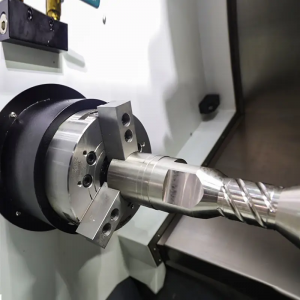
Precision Machining with Leichman CNC Turn-Mill Centers
In aerospace manufacturing, precision is critical. Components like turbine blades, engine casings, and structural parts require high levels of accuracy. Our Leichman CK108MY CNC turn-mill center, with its advanced SYNTEC 22TB system, allows for precise turning and milling operations on a single machine. The integration of a Y-axis servo turret and THK ball screws ensures smooth, efficient movement, critical for achieving the tight tolerances required in aerospace parts.
Thanks to its Y-axis travel of ±50 mm, our Leichman CK108MY can perform off-center operations, expanding its capabilities beyond traditional CNC machines. This feature is especially useful in the aerospace sector, where parts often require multi-axis operations for complex geometries. The CNC multi-axis turning milling center from Leichman reduces the need for multiple machines, saving time and improving overall production efficiency.
The Role of Multi-Axis Technology in Aerospace Engineering
The CNC multi-axis turning milling center offers significant advantages in the aerospace industry. The ability to perform both turning and milling on the same machine streamlines the manufacturing process, minimizing errors and enhancing productivity. Professional CNC turn-mill center manufacturers strictly optimize machine structures to adapt to high-hardness aerospace alloy processing. At Leichman, we have designed our systems to meet the specific needs of aerospace engineers, who require precise machining on various materials such as titanium, aluminum, and composites.
Our Leichman CK108MY offers a spindle speed of 4,000 rpm, ensuring high-speed machining for both turning and milling operations. With its X-axis travel of 250 mm, Y-axis travel of ±50 mm, and Z-axis travel of 600 mm, this machine is capable of handling complex aerospace components that demand high precision across all axes. These features make it an ideal choice for manufacturers seeking reliable and efficient solutions for aerospace production.
Benefits of Integrating CNC Multi-Axis Centers in Aerospace Production
Integrating CNC multi-axis turning milling centers into aerospace production processes offers several benefits. First, the ability to perform simultaneous turning and milling on one machine eliminates the need for multiple setups, significantly reducing the time required for production. Additionally, the precision offered by our Leichman CK108MY ensures that aerospace components meet stringent quality standards, minimizing the risk of defects and rework.
The Y-axis servo turret in the Leichman CK108MY further enhances its versatility, allowing for quick adjustments during machining. This is particularly advantageous in the production of complex parts that require varying machining angles. By using our system, aerospace manufacturers can achieve high-efficiency production while maintaining the utmost precision.
Conclusion
The role we play as CNC turn‑mill center manufacturers in aerospace engineering cannot be overstated. Our Leichman CK108MY offers a robust solution for producing high-precision aerospace components with a focus on efficiency and accuracy. By integrating advanced technologies such as the SYNTEC 22TB system, Y-axis servo turret, and THK ball screws, we ensure that manufacturers can meet the challenging demands of aerospace production. As the aerospace industry continues to evolve, the need for versatile and reliable machining solutions will only increase, and our Leichman’s CNC multi-axis turning milling centers are poised to play a significant role in shaping that future.