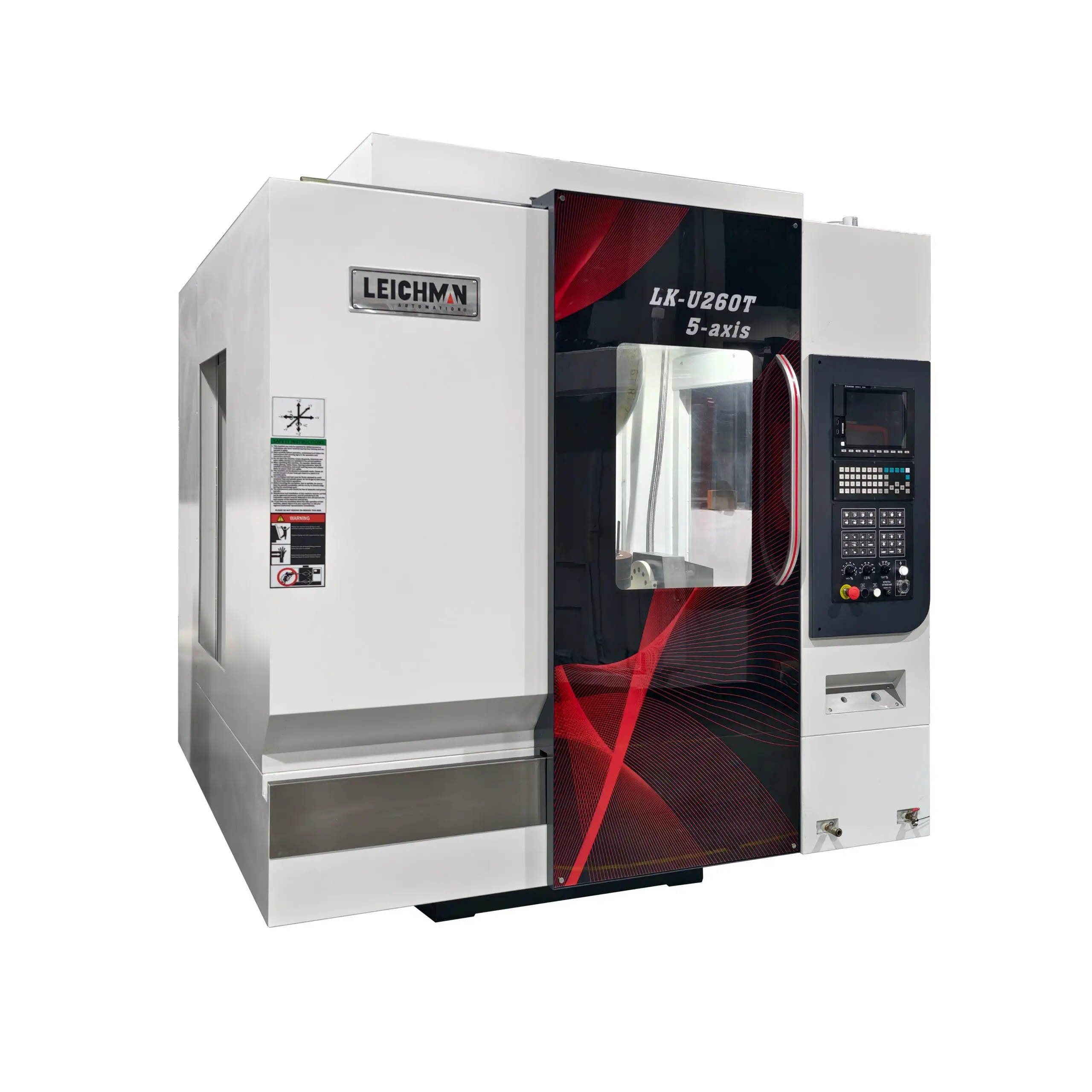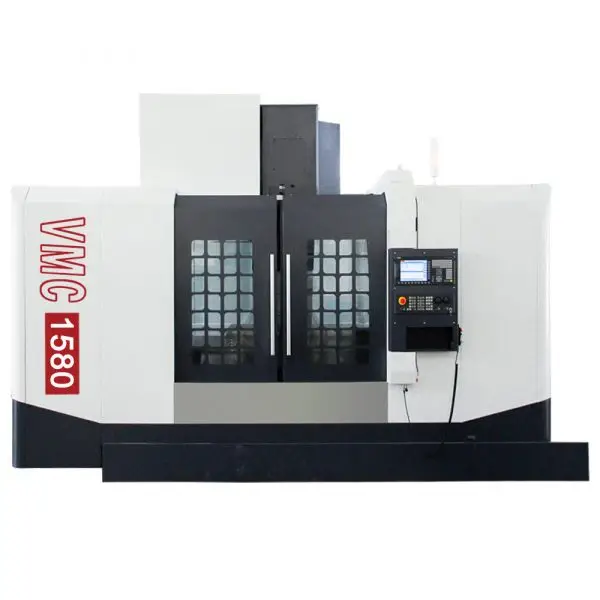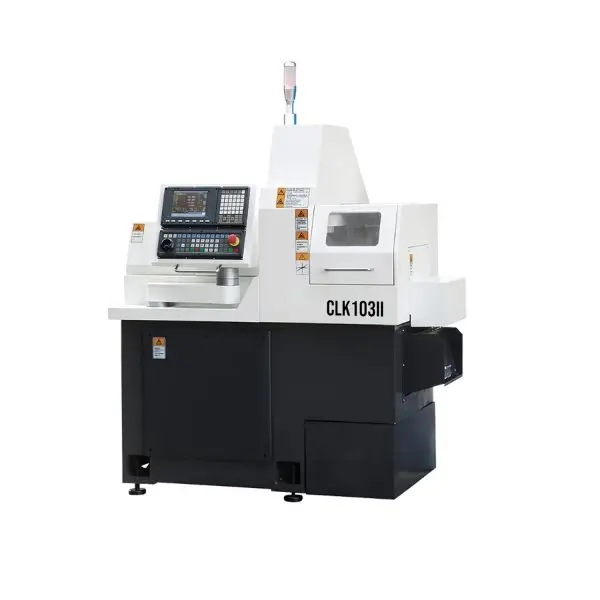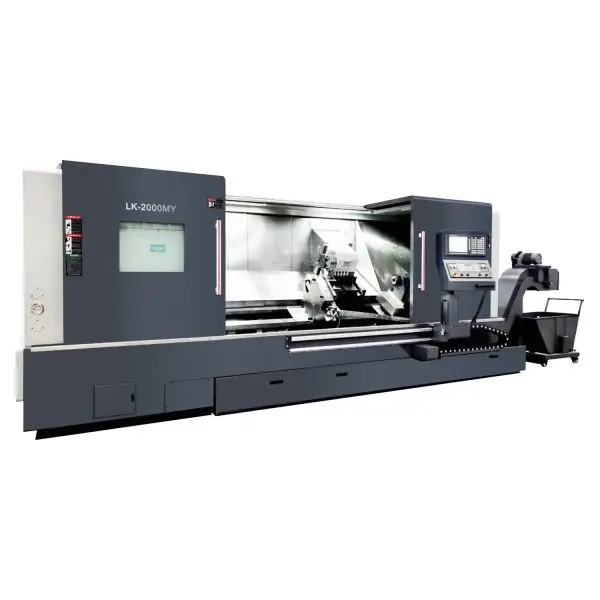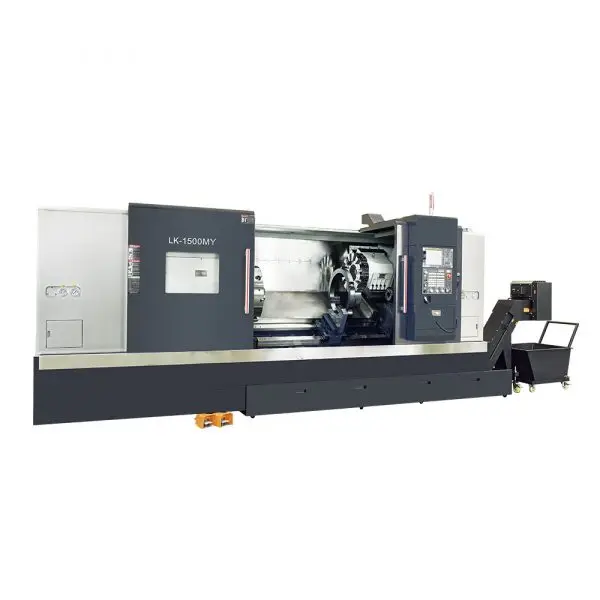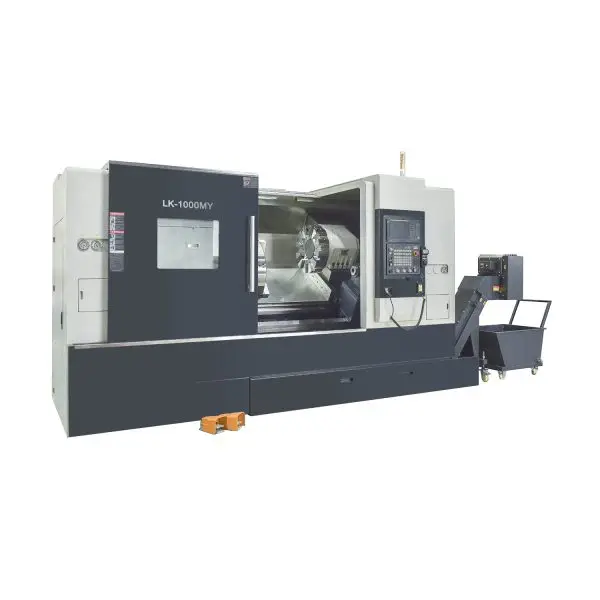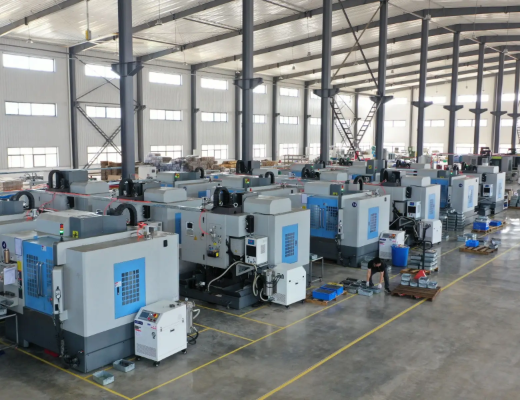
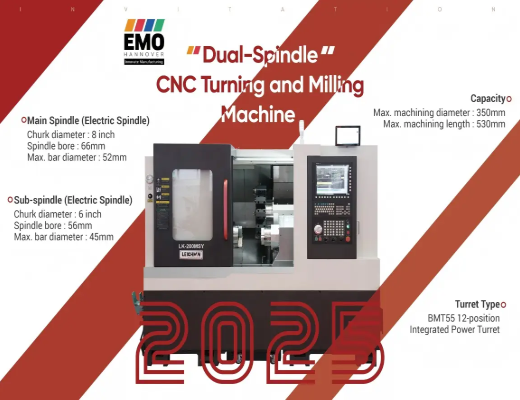
Achieving consistent geometric accuracy requires a rigorous approach to both machine calibration and the subsequent inspection of finished parts. At Leichman, a subsidiary brand of HOSTON, we focus on the technical specifications that define how a machine platform performs under various loads and thermal conditions. When we discuss a precision CNC machining center, we refer to the structural integrity and motion control necessary to hold tight tolerances consistently. Reliable outputs depend on the ability of CNC machining center manufacturers to provide equipment that meets established industry grades for accuracy and repeatability.
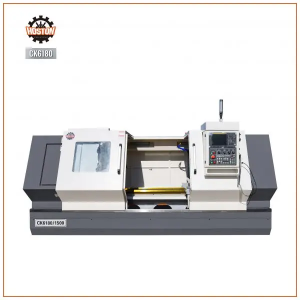
Understanding Machine Geometry and Alignment
The foundation of any high-tolerance component begins with the inherent geometric accuracy of the machine itself. We examine the squareness, flatness, and parallelism of all primary axes to ensure the platform functions correctly. For a precision CNC machining center, these factors determine the baseline for all subsequent movements. We perform comprehensive testing to verify that the linear rails and ball screws remain aligned even during rapid acceleration or heavy-duty cutting operations. By confirming the mechanical geometry before production begins, we ensure that the machine remains stable throughout the entire lifecycle of the parts being produced.
Calibration Procedures for High-Tolerance Parts
Calibration involves more than just checking static dimensions; it requires a dynamic assessment of how the machine behaves during operation. As professional CNC machining center manufacturers, we apply specific protocols to measure positioning accuracy and repeatability. This involves using laser interferometers and ballbar testing to identify potential errors in the motion path. When we calibrate a precision CNC machining center, we evaluate the thermal compensation algorithms that adjust for heat-induced expansion during prolonged use. These data-driven verification methods allow operators to identify minute deviations early, ensuring that every cycle meets the required technical specifications without unnecessary downtime.
Metrology and Inspection Techniques
Inspecting the final workpiece provides the ultimate confirmation that the manufacturing process is performing within the desired range. Modern facilities utilize a variety of metrology tools, including Coordinate Measuring Machines (CMMs) and optical scanners, to verify complex geometries. We find that the integration of on-machine probing is highly effective for gathering real-time data during the production process. By comparing the probe data against the original CAD model, our partners can detect trends in tool wear or thermal drift before they result in scrapped parts. CNC machining center manufacturers emphasize that these inspection systems are essential for validating that the hardware is outputting components that adhere to stringent dimensional requirements.
Precision in manufacturing is a result of technical rigor, from the initial machine setup to the final inspection of the component. By focusing on mechanical alignment, dynamic calibration, and advanced metrology, production teams can ensure that their equipment functions as intended. At Leichman, we provide the technical data and platform stability required to achieve these results. We encourage our partners to regularly assess their inspection routines to confirm that their production capabilities remain aligned with the evolving demands of their specific industry. Consistent performance is a hallmark of a well-maintained system, and by adhering to these verification methods, facilities can improve their overall output quality.