Manufacturing requirements frequently demand a choice between different machining configurations to achieve specific production goals. As we at Leichman—a subsidiary brand of HOSTON—evaluate project needs, we often analyze the distinctions between standard 3-axis systems and more complex multi-axis setups. The decision between these approaches impacts not only the geometry of the parts we produce but also the efficiency of our total workflow. By comparing these methods, we can better align our technical capabilities with the specific tolerances and production volumes required for various industrial applications.
Analyzing the 3-Axis Approach
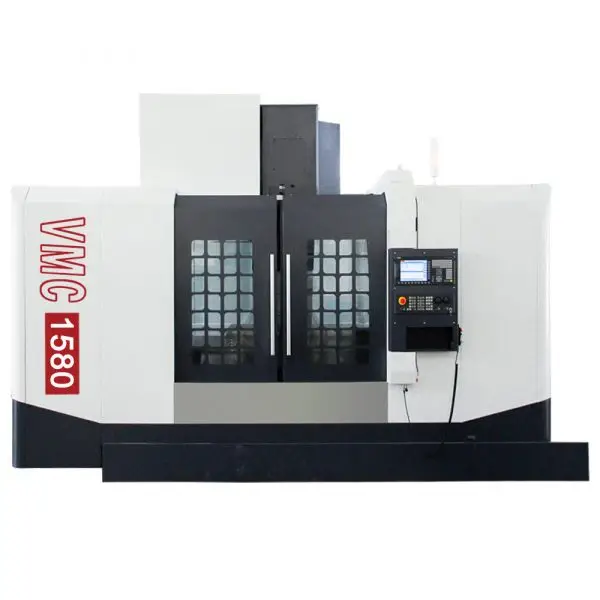
The 3-axis configuration operates by moving a tool along the X, Y, and Z planes. This method remains a fundamental component of machine shops because it provides a reliable and straightforward process for manufacturing parts with simple geometries or prismatic shapes. When we utilize 3-axis equipment, we focus on designs that allow for clear line-of-sight access to the workpiece surfaces. This approach is highly effective for basic milling tasks, drilling, and slotting where the part does not require complex contouring or intricate angled features. While efficient for high-volume, simple parts, the limitation lies in the necessity for multiple setups to machine different faces, which increases the time a component spends in the production cycle.
Capabilities of 5-Axis High Speed Machining
Transitioning to 5-axis technology changes how we interact with complex geometries. Unlike 3-axis systems, the 5-axis configuration adds two rotational axes to the standard X, Y, and Z movements. This capability allows the cutting tool to approach the workpiece from virtually any direction, which is essential for machining complex curves, impellers, or medical components that require high levels of geometric precision. When we implement 5-axis high speed machining, we reduce the number of setups significantly. Because the machine can access multiple sides of the part in a single orientation, we decrease the margin for human error that often occurs when manual re-positioning is required. This integration of motion provides a high degree of control over the cutter-to-surface relationship, ensuring that finished parts meet tight tolerance specifications without requiring excessive secondary operations.
Strategic Benefits of Advanced Centers
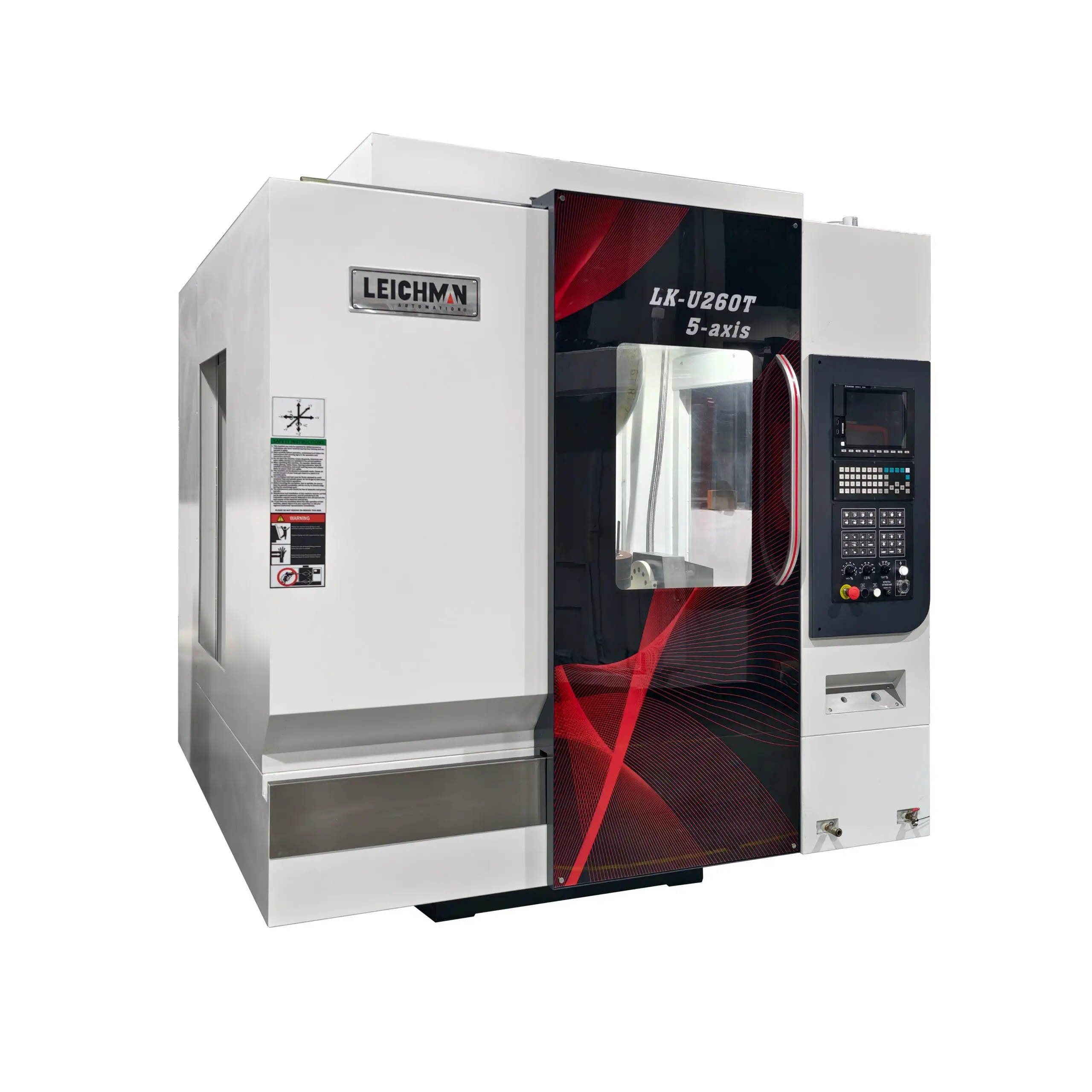
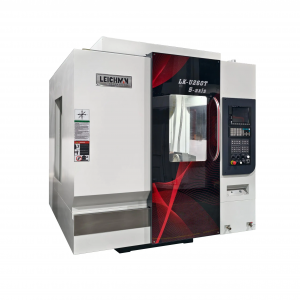
The choice of equipment directly influences operational outcomes. At Leichman, we look for systems that combine rigidity with advanced kinematics to handle diverse manufacturing challenges. A 5-axis machining center manufacturers unit, such as the Leichman LK-U260T, is engineered to manage intricate tasks where precision is non-negotiable. By minimizing the number of fixtures required and utilizing the full range of 5-axis high speed machining, we shorten the lead times for complex projects. Furthermore, the 5-axis machining center manufacturers design philosophy allows for optimized tool paths that maintain constant engagement with the material, which can extend tool life and improve surface finish quality. Choosing to integrate a 5-axis machining center manufacturers asset into our workflow allows us to offer clients greater flexibility, as we can address both complex prototypes and production-grade parts with a single, highly capable system.
Achieving Production Balance
Choosing the right machining process depends on the specific requirements of the part being produced. While 3-axis machining offers a cost-effective solution for simpler components, the introduction of 5-axis systems provides the agility needed for sophisticated engineering projects. By carefully considering the design complexity and volume, we ensure that every project benefits from the most appropriate technology. We remain committed to refining our processes, ensuring that our technical approach consistently delivers the precision and efficiency our clients expect.