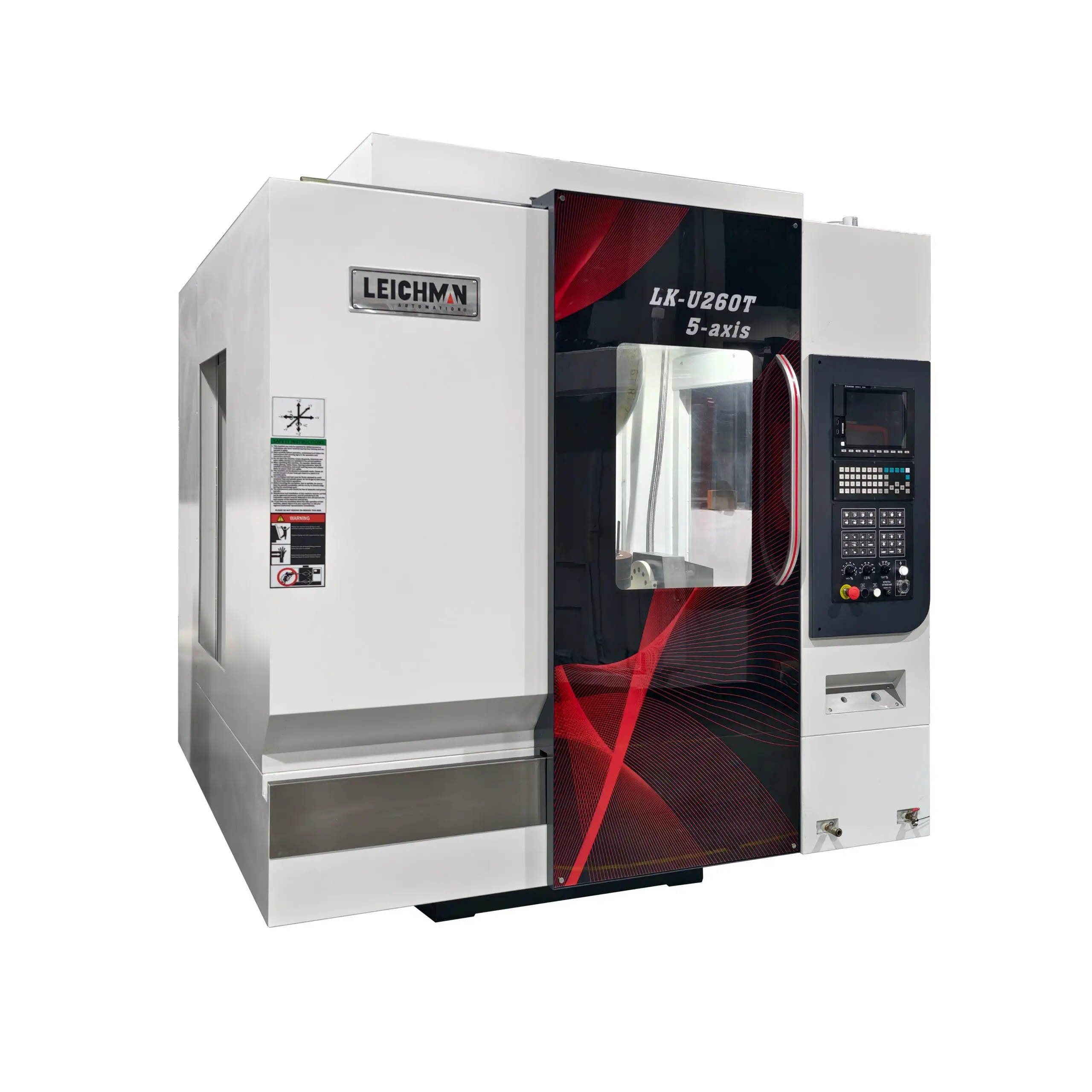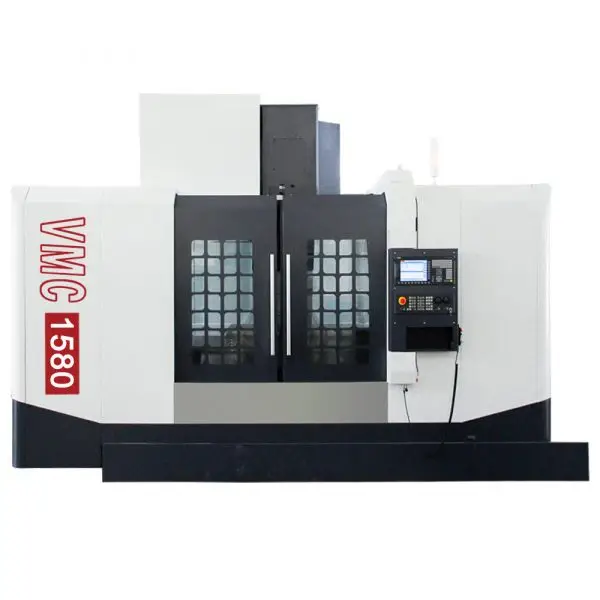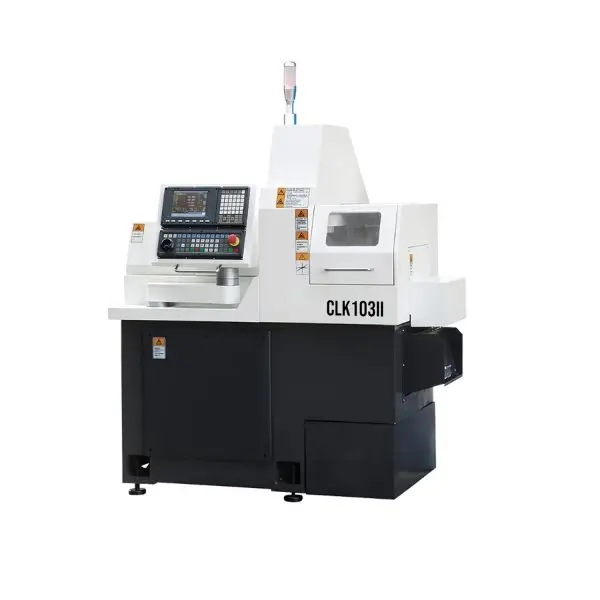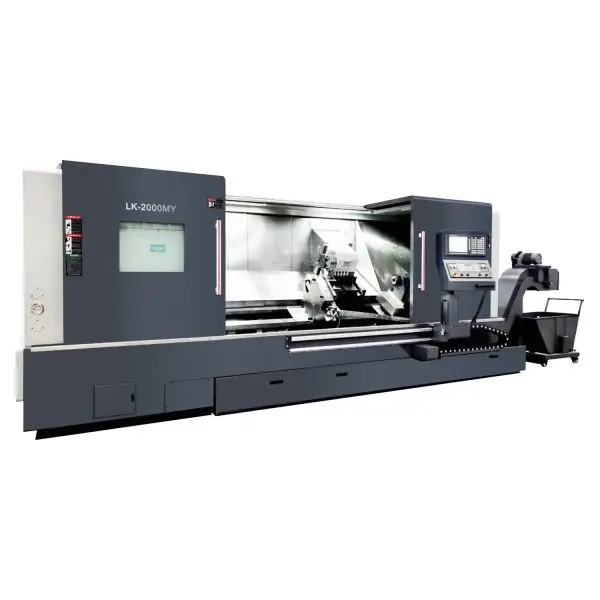
When we approach the procurement of advanced manufacturing equipment, the complexity of technical requirements often requires a structured evaluation process. At Leichman, a subsidiary brand of HOSTON, we frequently analyze how specific performance metrics influence production efficiency, especially when dealing with the intricate geometry required by modern aerospace and automotive industries. Selecting the right configuration for your production floor is a significant decision that impacts long-term operational capabilities.
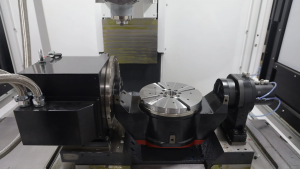
Balancing Speed and Precision in Multi-Axis Systems
High-speed CNC machining centers offer a distinct advantage in reducing cycle times for complex parts. However, achieving high speeds while maintaining precision requires a careful look at the machine’s structural rigidity and dynamic response. We examine how the acceleration and deceleration rates of the axes interact with the control system to ensure that speed does not compromise surface finish quality. When you evaluate 5-axis machining center manufacturers, observe how they manage thermal stability during continuous high-speed operation. Efficient heat dissipation and spindle balancing are critical factors that allow the equipment to operate at maximum efficiency without incurring excessive tool wear or positioning errors.
Evaluating Spindle Performance and Work Envelope
The spindle is the heart of any high-speed CNC machining center, and its power characteristics must align with your material removal requirements. We emphasize that torque curves across the operational speed range are often more informative than peak power ratings alone. Furthermore, the work envelope dictates the flexibility of the machine regarding part size and fixture orientation. At Leichman, we ensure that our designs provide adequate clearance for complex multi-sided operations, allowing for efficient tool access. When you assess different models, verify that the spindle taper and clamping force are sufficient for the specific alloys and cutters you utilize in your daily production workflows.
Integration of Motion Control and Tooling Systems
Modern manufacturing necessitates seamless integration between CAD/CAM software and the machine controller. A high-speed 5-axis machining center relies on advanced look-ahead capabilities within the controller to process complex tool paths accurately. We find that the interaction between the rotary axes and the linear axes determines the overall path accuracy during simultaneous motion. By ensuring that the kinematics of the machine match your programming strategies, you gain greater control over production consistency. Additionally, the tool magazine capacity and tool change time provided by 5-axis machining center manufacturers should be reviewed against your typical batch sizes and required variety of tooling, ensuring that the machine supports, rather than restricts, your operational throughput.
Approaching the acquisition of a 5-axis machining center involves a deep evaluation of how mechanical components work in harmony. By prioritizing the relationship between spindle performance, structural integrity, and motion control, you can ensure that the equipment meets your specific manufacturing demands. At Leichman, we focus on providing reliable technical specifications that allow our clients to make informed decisions for their facilities. Balancing these core parameters effectively ensures that your investment remains productive throughout its operational lifecycle, supporting your long-term manufacturing objectives without unnecessary complications.