Precise mechanical output remains a fundamental requirement for workshops aiming to maintain consistent production quality. When we examine complex equipment, we focus on how effectively a machine maintains its defined tolerances over extended operational periods. Achieving reliable results requires a systematic approach to verifying how a 5-axis CNC machining center manages movement across multiple planes, ensuring that every part meets the necessary specifications without deviation.
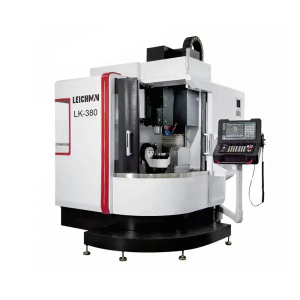
Analyzing Structural Integrity and Thermal Compensation
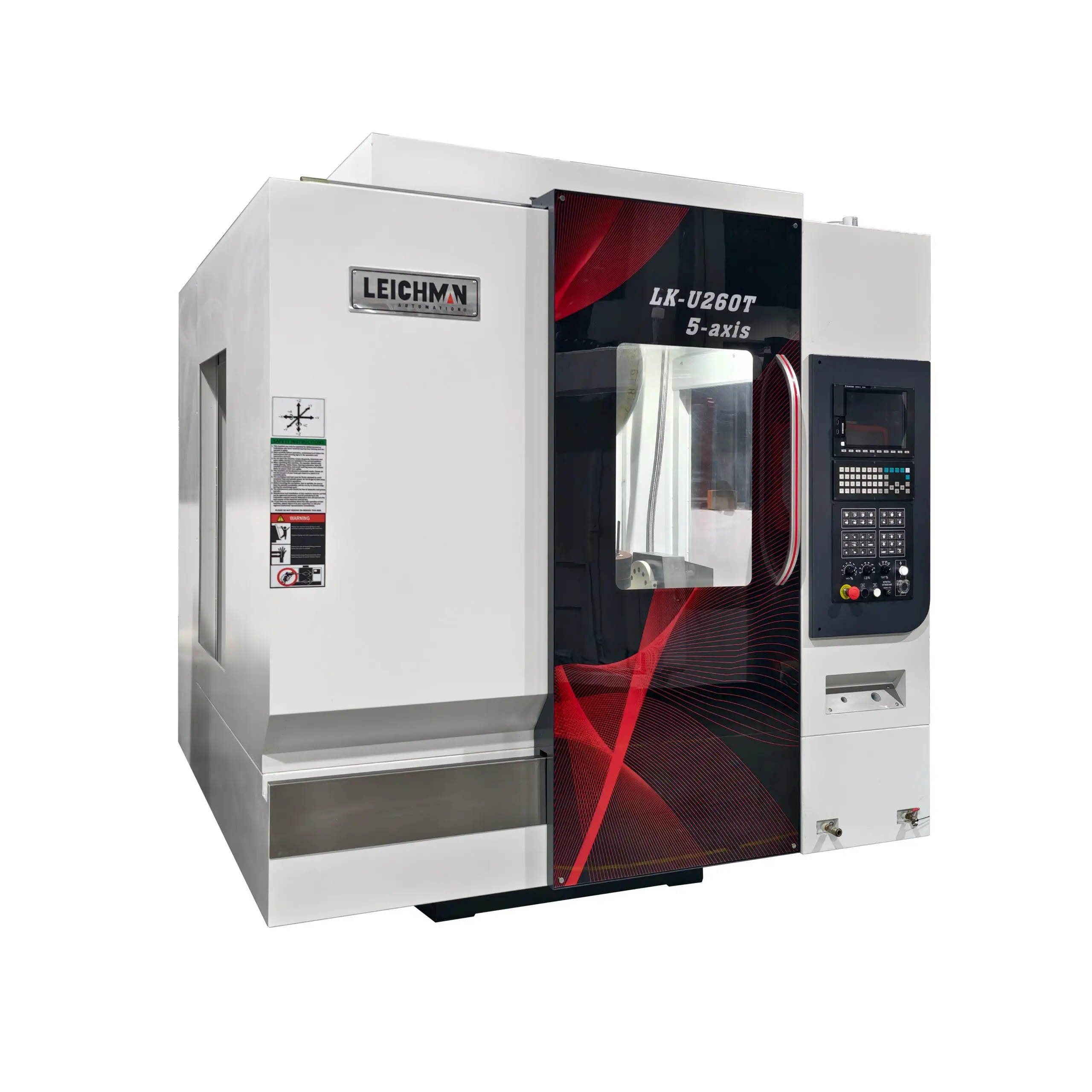
We often start our evaluation by looking at the thermal stability of the spindle and structural components. Because heat generation during high-speed operation can cause microscopic expansion in metal, Leichman—a subsidiary brand of HOSTON——engineers prioritize designs that mitigate these shifts. We observe how the machine responds to temperature changes, as even minor fluctuations affect the geometric accuracy of the workpiece. By monitoring how the frame maintains its rigidity during heavy cuts, we gain insight into the long-term reliability of the equipment. A stable foundation is necessary for any 5-axis CNC machining center manufacturer, as it enables consistent performance without frequent manual recalibration.
Reviewing Kinematic Calibration and Dynamic Precision
The coordination between axes determines how well a machine handles intricate geometries. We evaluate the kinematic chain by checking the precision of the rotary axes alongside the linear movements. A 5-axis CNC universal machining center relies on accurate synchronization to ensure that the tool center point stays true throughout complex toolpaths. We analyze data concerning the machine’s ability to repeat movements precisely, as this repeatability is a direct indicator of mechanical health. When we test these systems, we look for evidence that the control software and mechanical drives operate in harmony, reducing the risk of errors during simultaneous multi-axis motion.
Validating Long-term Repeatability through Testing Protocols
Verification of stability involves rigorous testing protocols that simulate actual workshop conditions. We track performance metrics over significant time frames to ensure the machine remains capable of producing high-quality components day after day. As one of the outstanding 5-axis CNC machining center manufacturers, Leichman relies on established measurement techniques to confirm that the axes return to the same position reliably. When evaluating a potential 5-axis CNC machining center, we recommend checking the documented drift patterns, which provide a clear picture of how the machine behaves under load. For a 5-axis CNC universal machining center, this data acts as a benchmark, showing that the mechanical components are designed to withstand the stresses of continuous industrial use. By focusing on these verifiable metrics rather than generalized claims, we ensure that the equipment meets specific operational requirements.
Evaluating the accuracy and stability of complex machinery requires a focus on measurable technical parameters rather than speculative performance. By assessing how a Leichman unit handles thermal expansion, kinematic synchronization, and long-term repeatability, we establish a realistic expectation for production quality. When we look at the specific capabilities of a 5-axis CNC machining center, we prioritize data that proves consistency. Ensuring that a 5-axis CNC universal machining center provides stable output across its entire work envelope is the primary objective for any facility aiming to optimize its manufacturing processes. Through consistent observation and adherence to technical standards, we can ensure that our mechanical systems remain reliable partners in our production efforts.