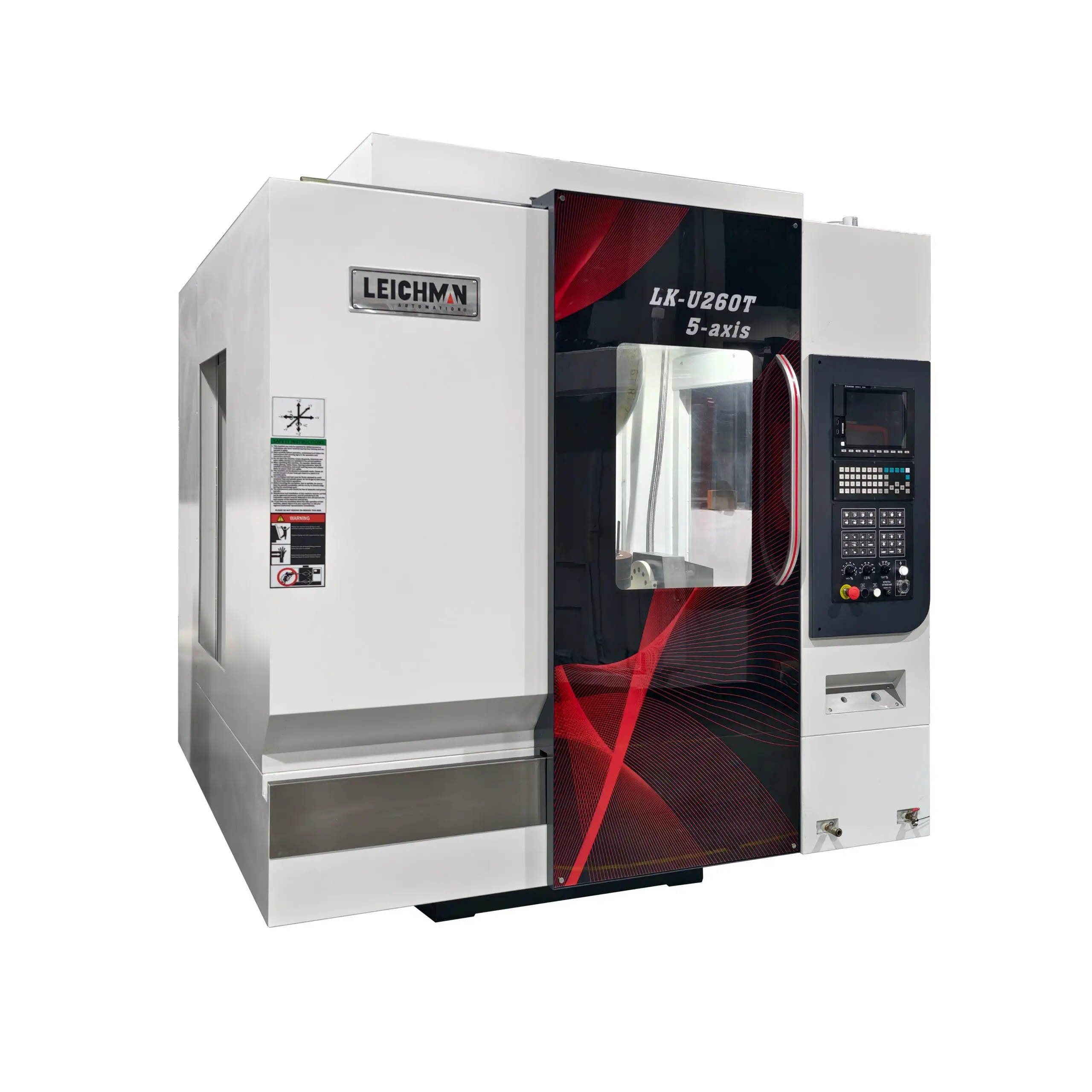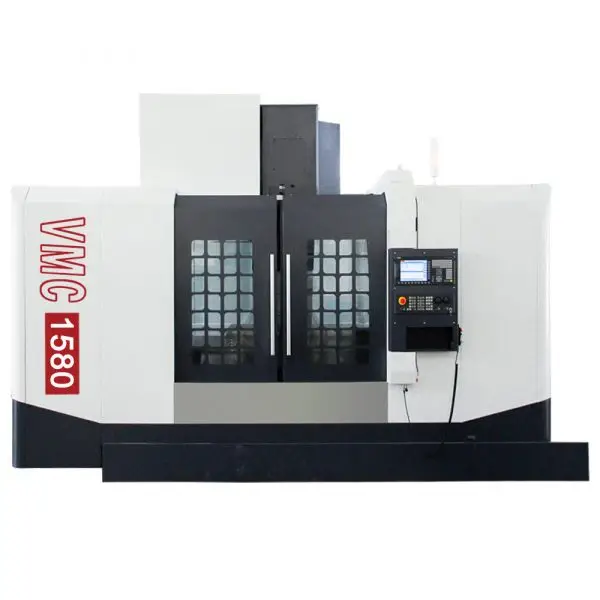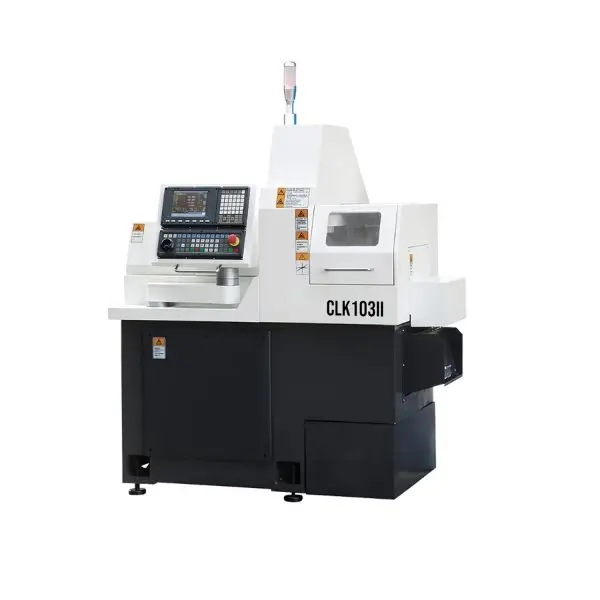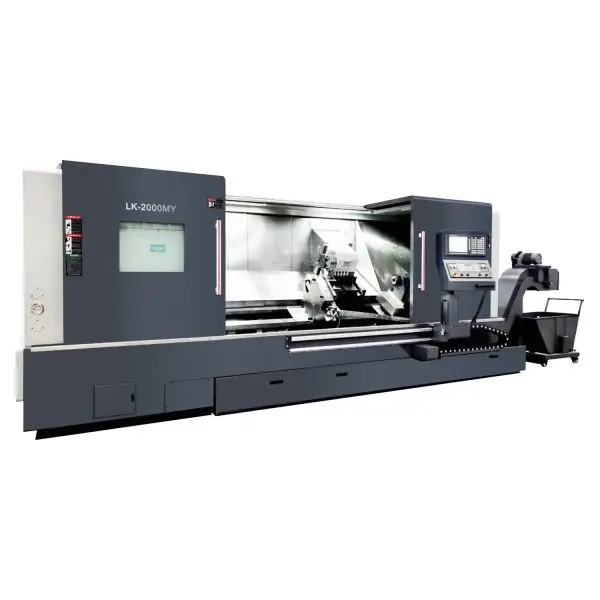
Selecting the right equipment impacts production efficiency and part quality significantly. At Leichman, a subsidiary brand of HOSTON, we frequently discuss the mechanical nuances that differentiate machining configurations. When evaluating equipment, we often look at how horizontal and vertical orientations influence output, particularly when dealing with complex geometries. For those exploring a 5-axis CNC machining center, recognizing these functional differences ensures that investment decisions align with operational requirements.
Structural Orientation and Gravity
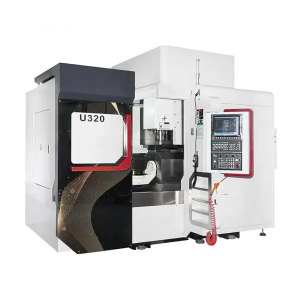
The primary distinction between these two configurations lies in the orientation of the spindle. In a vertical machine, the spindle sits perpendicular to the worktable, with the tool moving along the Z-axis toward the workpiece. This setup is common for general milling tasks where gravity helps clear chips away from the cutting zone. When we analyze a 5-axis horizontal machining center, we find that the spindle is positioned parallel to the floor. This orientation allows chips to fall away from the workpiece more effectively due to gravity, which prevents chip re-cutting—a frequent cause of surface finish issues in deep-cavity components.
Chip Management and Tool Longevity
Effective chip evacuation is a critical factor for maintaining precision and tool life. In our experience, the 5-axis horizontal machining center offers a distinct advantage for high-volume production cycles. Because the chips fall away from the cutting area naturally, the risk of damage to the part or the tool is reduced. Conversely, a vertical 5-axis CNC machining center may require more sophisticated coolant delivery systems or higher-pressure air blasts to achieve similar results, especially when machining deep pockets. We notice that when operations demand continuous, high-speed material removal, the horizontal layout often provides a more stable environment for the tooling, as it minimizes vibration and thermal buildup caused by chip accumulation.
Part Loading and Integration
Ease of access and automation integration remain key considerations for modern facilities. A vertical 5-axis CNC machining center generally offers easier operator access to the worktable for setup and inspection, which is beneficial for high-mix, low-volume production runs. However, as 5-axis CNC machining center manufacturers, we recognize that horizontal units are frequently designed for integration with pallet changing systems. This capability allows for continuous, unattended machining, as parts can be loaded and unloaded on one pallet while the machine processes another. If the goal is to maximize machine utilization and throughput, the horizontal configuration simplifies the transition toward fully automated workflows.
Evaluating whether to incorporate a horizontal or vertical system depends on your specific production goals. While both designs serve the purpose of complex multi-axis manufacturing, the choice depends on factors like chip control, part volume, and the need for automation. At Leichman, as 5-axis CNC machining center manufacturers, we encourage our partners to review their specific component requirements before finalizing their equipment strategy. By aligning your production needs with the correct machine architecture, you can ensure that your facility operates with the necessary technical stability and efficiency.