When evaluating manufacturing capabilities, we often analyze how different machine configurations impact production efficiency and part quality. At Leichman, a subsidiary brand of HOSTON, we frequently discuss the functional differences between simultaneous 5-axis and 3+2 positional machining to help production managers decide which technology aligns with their specific operational goals. Both approaches utilize a 5-axis CNC machining center, but they execute complex geometries in distinct ways that influence cycle times and surface finish consistency.
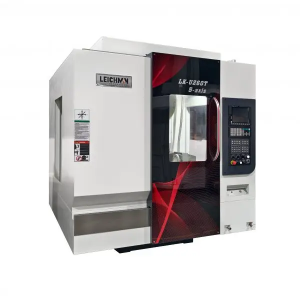
Operational Dynamics of Simultaneous 5-Axis Machining
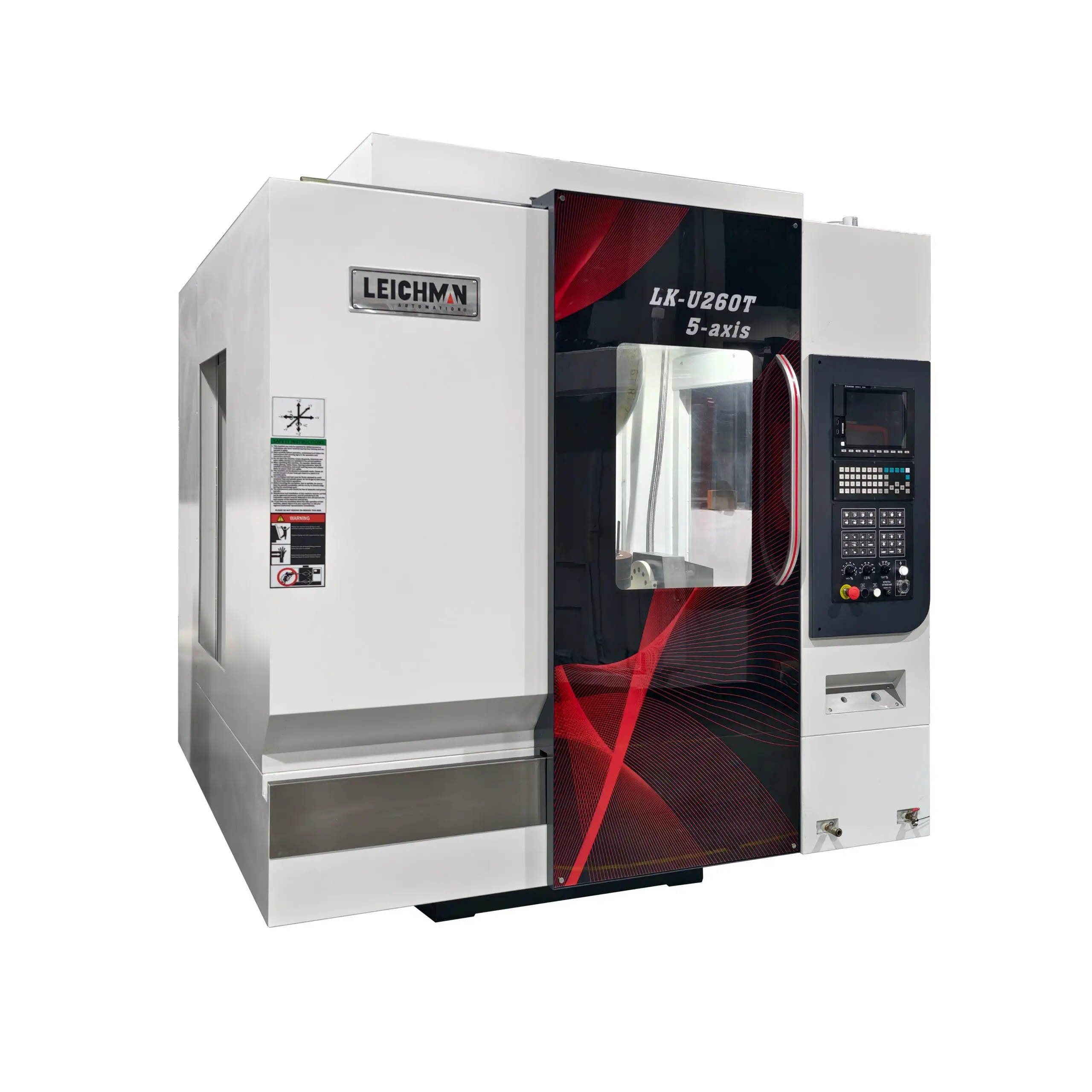
Simultaneous 5-axis machining involves the continuous, coordinated movement of all five axes during the cutting process. By allowing the tool to maintain a constant orientation relative to the surface being machined, this method excels at creating complex, free-form contours and impeller shapes that require fluid motion. When we operate a simultaneous 5-axis machining center, we notice the ability to produce intricate parts in fewer setups, as the machine can access multiple faces without repositioning the workpiece. This reduction in manual intervention contributes to higher accuracy levels for challenging geometries. While the programming requirements are more intensive, the mechanical efficiency gained during the cutting phase often justifies the initial investment for specialized manufacturing environments.
Benefits of 3+2 Positional Machining
In contrast, the 3+2 positional approach—sometimes called indexed 5-axis—utilizes three linear axes for cutting while the rotary axes lock the part into a fixed orientation. For many standard applications, this setup offers significant rigidity and stability, as the machine configuration remains static during the actual cutting cycle. We find that this method is often faster and easier to program than full simultaneous motion, making it a practical solution for parts that require features on multiple sides but do not demand complex, continuous tool path interpolation. By leveraging a 5-axis CNC machining center in this indexed mode, 5-axis CNC machining center manufacturers can achieve precise results on parts that require drilling, tapping, or milling across several planes with high repeatability.
Aligning Machine Capability with Production Needs
Determining whether to utilize simultaneous or positional machining depends largely on the geometric complexity of your standard part portfolio. If your workload involves high-precision components with curved, organic surfaces, a simultaneous 5-axis machining center provides the necessary kinematic flexibility to minimize setup changes and maximize accuracy. Conversely, if your production involves parts with features oriented at various angles that do not require constant tool-tip-to-surface contact, the 3+2 method provides a robust and efficient alternative. At Leichman, as 5-axis CNC machining center manufacturers, we emphasize that the primary factor should be the specific requirements of the workpieces rather than just the machine’s theoretical maximum capabilities. Balancing these two methodologies allows a facility to optimize throughput while ensuring the necessary geometric tolerances are met.
Successfully integrating advanced machining technology requires a clear evaluation of your shop’s unique needs. Whether you benefit more from the continuous motion of simultaneous 5-axis systems or the stability of 3+2 indexing, Leichman remains committed to providing insights that support informed decision-making. By matching the mechanical strengths of your equipment to your specific production demands, you create a more efficient and capable manufacturing environment. Focus on the core needs of your parts, and you will find the configuration that best supports your long-term output objectives.