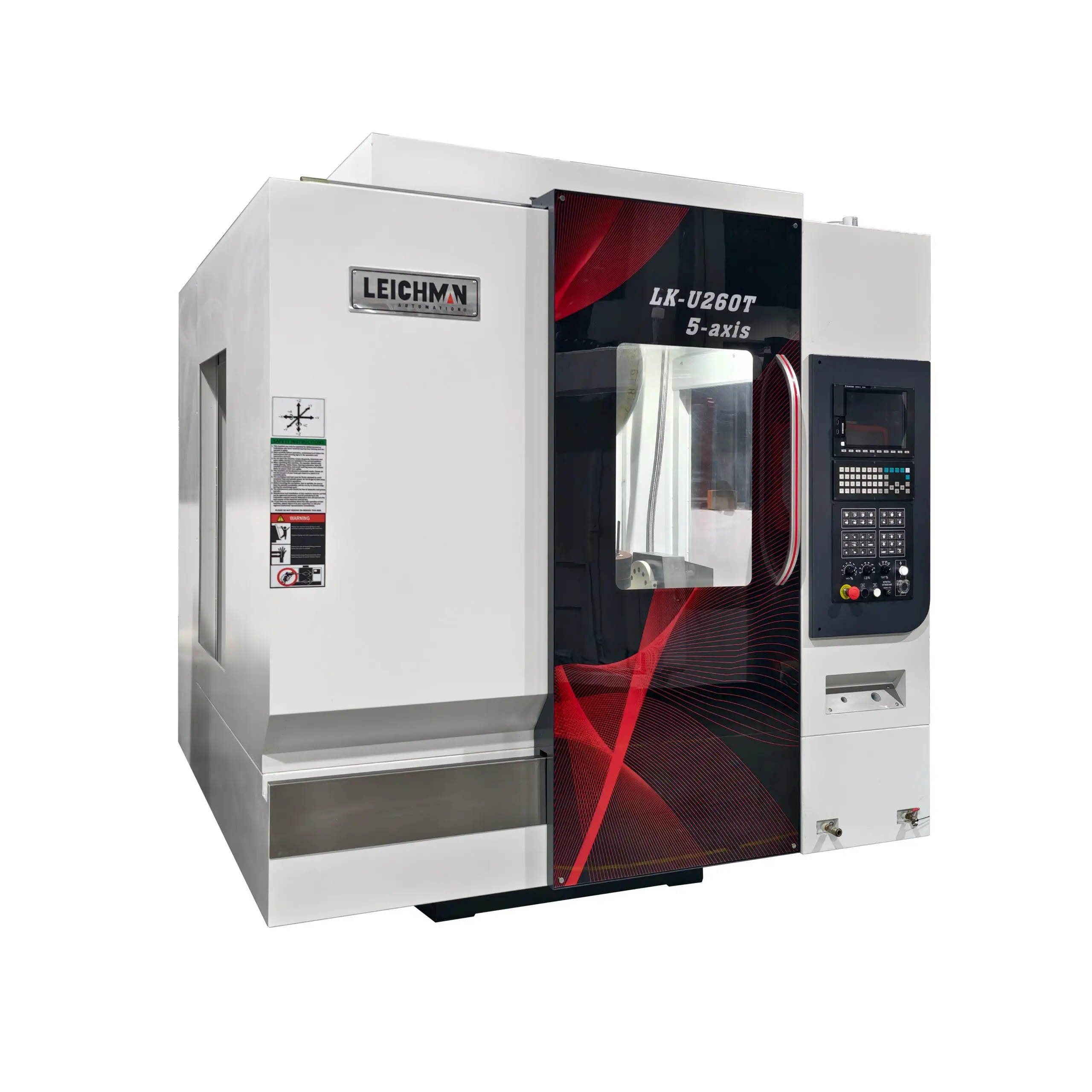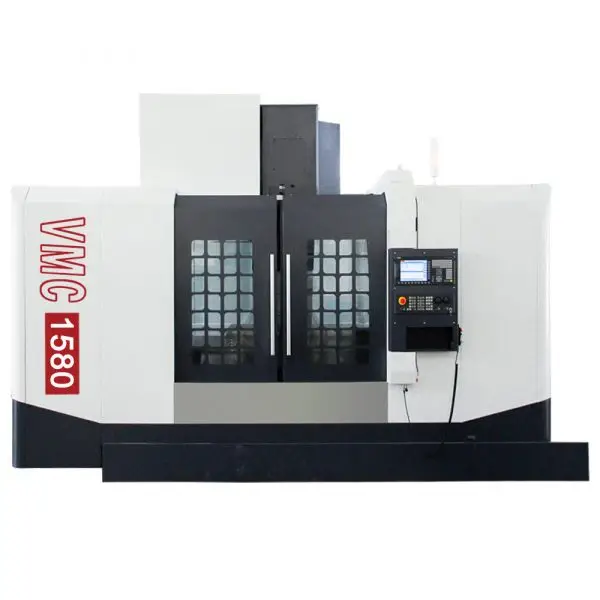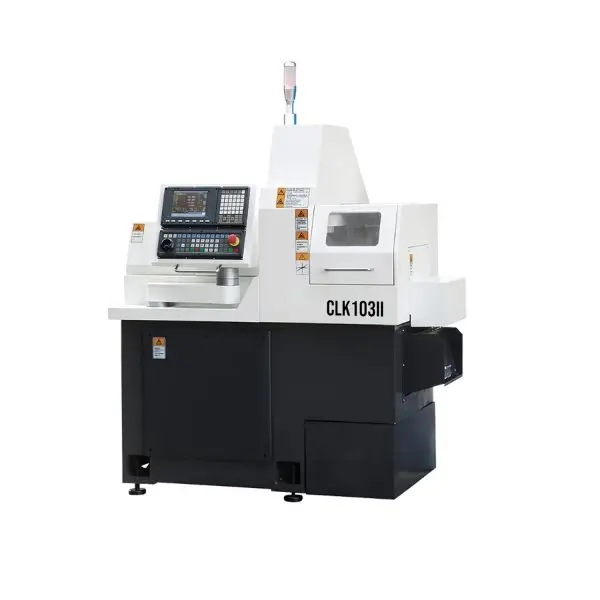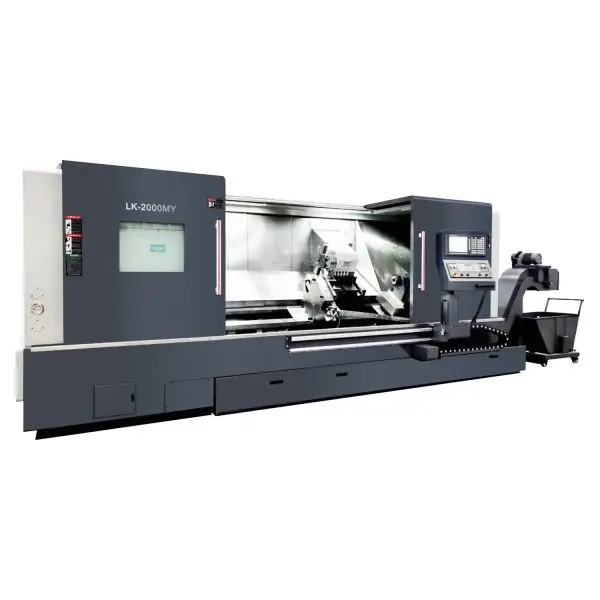
Often, we find that the most challenging part of optimizing a production floor is the initial equipment configuration. When we look at a CNC vertical machining center, the relationship between the physical size of the workspace and the rotational capacity of the tool is critical. As one of the excellent CNC vertical machining center manufacturers, we at Leichman—a subsidiary brand of HOSTON—frequently analyze how these two specifications must work in harmony to achieve efficient material removal. A mismatch here can lead to either an underutilized machine or, worse, a bottleneck that limits your potential throughput.
Defining Your Workspace Requirements
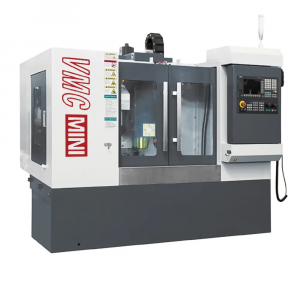
The table travel, or the working envelope, dictates the maximum dimensions of the parts you can process. It is easy to get caught up in the desire for the largest bed possible, but it is more practical to evaluate your specific product mix. A larger table requires a more substantial machine footprint and heavier moving components, which can impact the overall machine dynamics. When we configure a CNC vertical machine center, we suggest focusing on the envelope that accommodates 90% of your production. By narrowing the focus to this range, you ensure that the machine is not oversized for the typical workload, which helps in maintaining precise motion control during rapid movements. The Leichman VMC series offers configurations designed to balance this essential workspace requirement with necessary structural rigidity.
Analyzing Spindle Speed and Material Interaction
Once the workspace is established, the spindle speed becomes the primary factor in determining how quickly you can remove material. High-speed machining requires a spindle that can handle sustained rotational forces without excessive vibration, while also delivering sufficient torque for heavy cuts when necessary. In our experience as CNC vertical machining center manufacturers, matching these speeds to your material types is non-negotiable. If you primarily work with aluminum, a CNC vertical machining center with a higher RPM range is beneficial for achieving the desired surface finish. Conversely, tougher alloys require a focus on torque at lower RPMs to avoid tool deflection. At Leichman, we provide technical specifications that clearly outline the torque curves of our spindles, allowing you to match the rotational speed capabilities to the hardness of the materials you process daily.
Synthesizing Specifications for Operational Harmony
Achieving operational harmony involves integrating table travel with the appropriate spindle performance. We advise clients to visualize the entire workflow; the table must be able to move the workpiece through its entire range at a speed that allows the spindle to maintain a constant chip load. If the table travel is too slow for the high spindle speed, you risk dwelling on a surface, which creates heat and prematurely dulls your cutting tools. If the table moves too fast, you lose accuracy. By carefully reviewing the specs of our Leichman VMC models, you can map out your required travel distances against the spindle’s operational capacity. This process ensures that your investment supports your current projects while offering enough flexibility for future production changes.
The balance between table travel and spindle speed defines the effectiveness of your production setup. By focusing on your specific material needs and the physical dimensions of your components, you can ensure your equipment functions as intended. We at Leichman prioritize these technical foundations to provide reliable solutions that support consistent manufacturing output, ensuring that every Leichman machine integration remains aligned with your long-term operational goals.