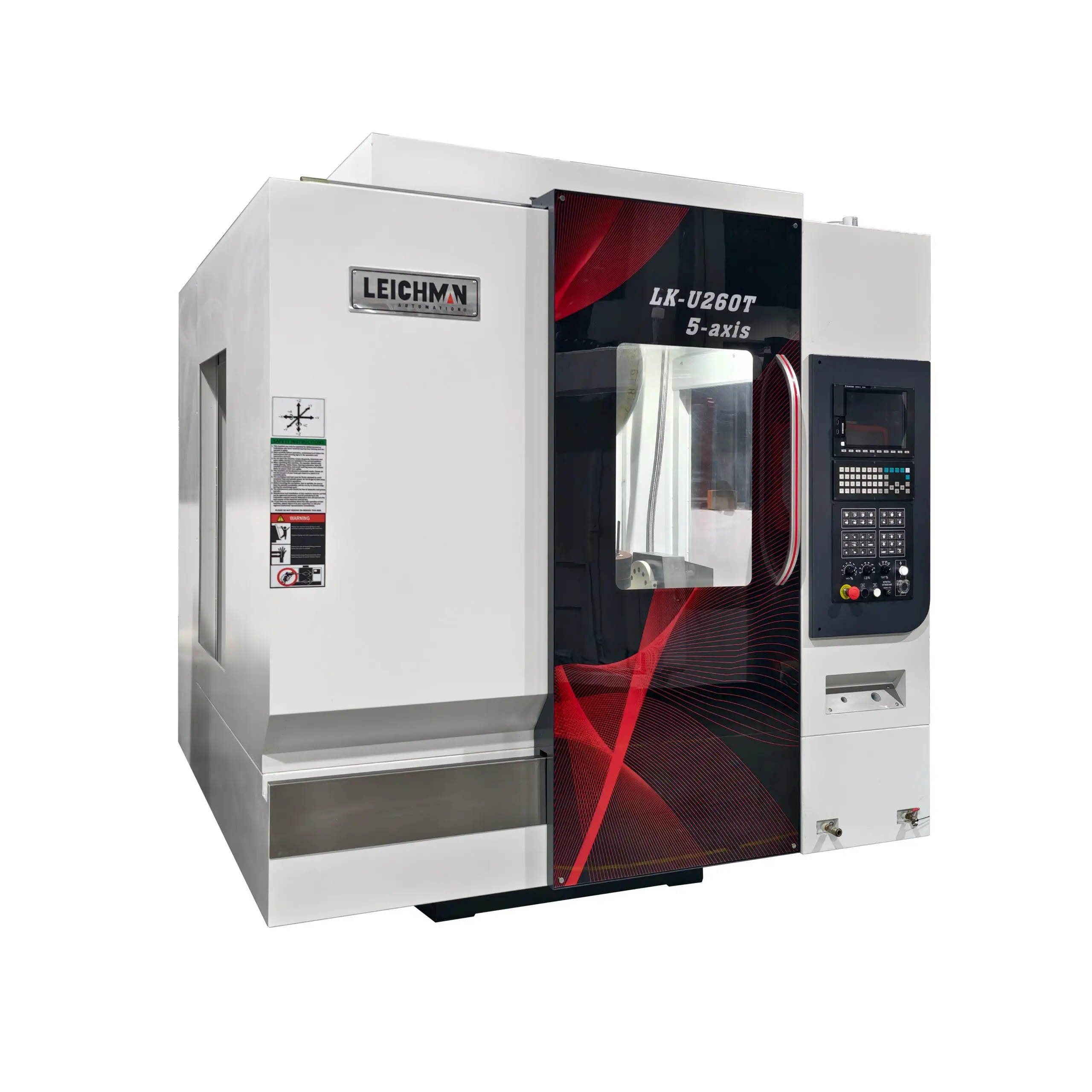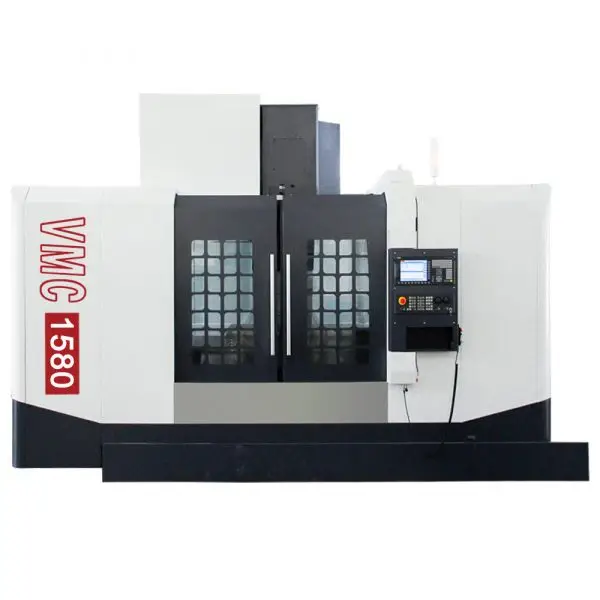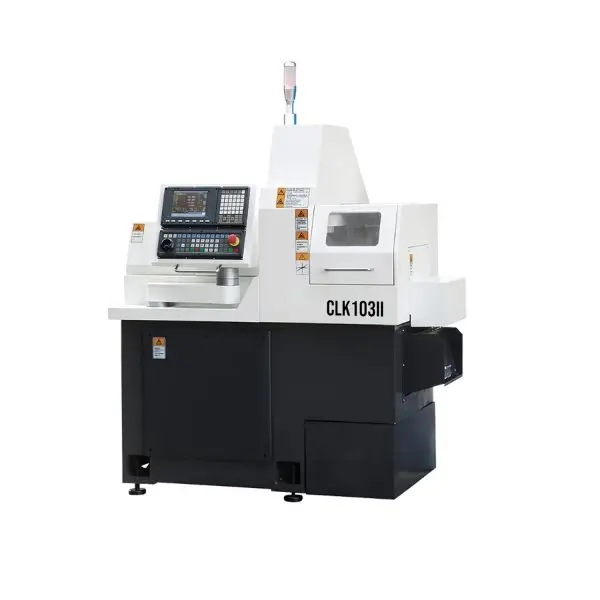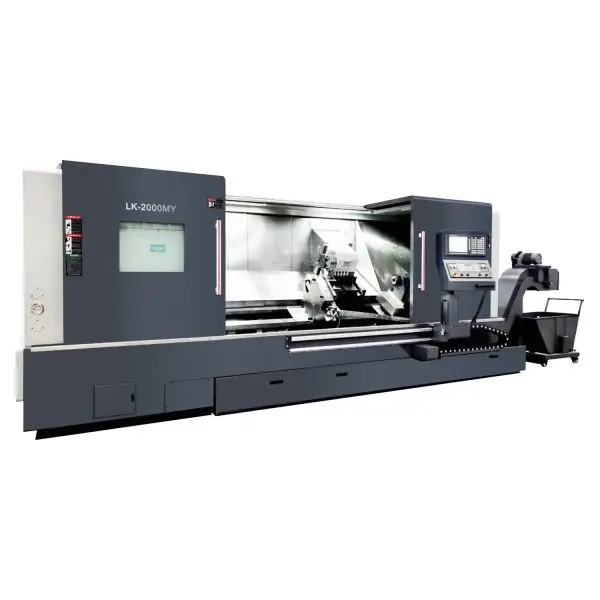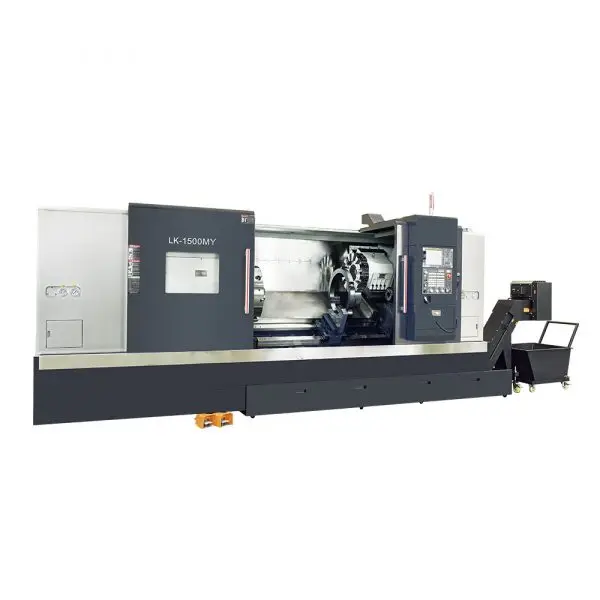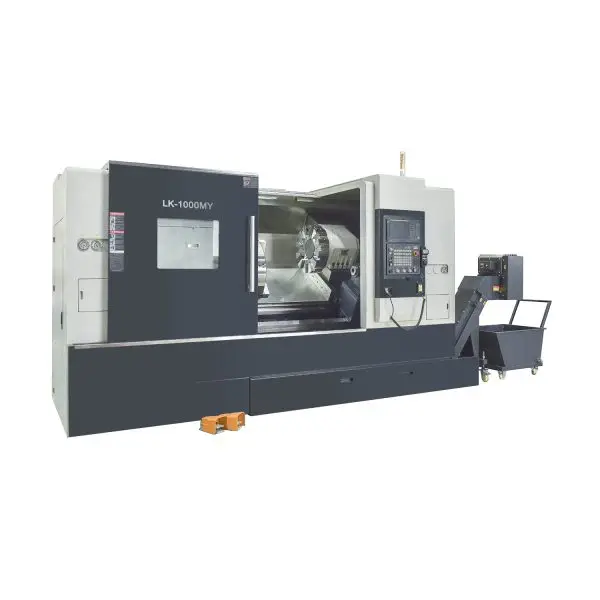
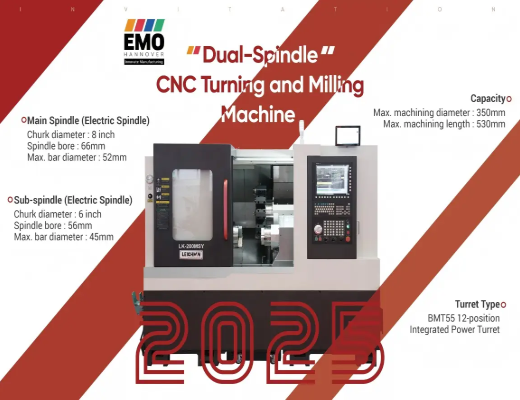
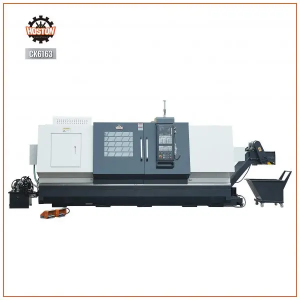
Precision engineering often relies on the fundamental architecture of the equipment used on the factory floor. When we examine the design of a CNC metal lathe, we see a collection of specialized parts working in tandem to transform raw material into accurate parts. As Leichman, a subsidiary brand of HOSTON, our focus involves ensuring that each component contributes to the overall stability and output quality of the assembly. Grasping how these pieces interact provides a clear picture of how high-quality production is achieved through mechanical consistency. We view these machines as intricate systems where the base, spindle, and drive mechanisms must align to perform reliably during extended manufacturing runs.
The Bed and Structural Foundation
Everything begins with the machine bed, which acts as the primary support for all other systems. In our production process at Leichman, we emphasize a rigid casting that minimizes deflection when heavy cutting forces are applied. A stable bed is critical because it ensures that the carriage and tailstock maintain alignment even under significant mechanical pressure. When we build a CNC metal lathe, we provide a foundation that resists the twisting forces inherent in turning operations. By focusing on the physical mass and material properties of the bed, we provide a stable environment for high-precision tasks, allowing operators to focus on consistency rather than structural limitations.
Spindle Dynamics and Workholding
The spindle serves as the heart of the rotation, dictating the power and speed available for the cutting process. In our view, the spindle must be capable of handling various loads while providing the necessary torque for heavy-duty material removal. When engineers look for CNC lathe manufacturers, they often examine how the spindle is mounted and what kind of workholding options are available. At Leichman, we integrate systems that prioritize smooth rotation and minimal vibration, which directly influences the surface finish of the workpiece. Ensuring that the spindle is matched correctly to the intended application allows for a more efficient transfer of power from the motor to the cutting tool.
Drive Systems and Positional Accuracy
Precision movement is achieved through the integration of high-quality drive systems, such as servo motors and ball screws. These components translate digital commands into the physical motion of the tool carriage. We pay close attention to how these systems manage friction and backlash, as even minor deviations can impact the accuracy of the finished part. As specialized CNC lathe manufacturers, we configure these drives to respond rapidly to control inputs, ensuring that the tool path remains true to the programmed design. When the drive system functions with minimal resistance, the machine can handle complex geometries and tighter tolerances without frequent recalibration, providing a dependable workflow for various metalworking requirements.
In conclusion, the performance of industrial equipment is a direct result of how well its core components are integrated. By focusing on the structural foundation of the bed, the rotational capability of the spindle, and the accuracy of the drive systems, we create a machine capable of meeting high production demands. We at Leichman emphasize the necessity of these technical foundations to ensure that every Leichman machine provides consistent results for your fabrication needs. By addressing these critical areas, you can ensure your manufacturing process remains efficient and precise, grounded in the reliability of a well-engineered metal-cutting system.