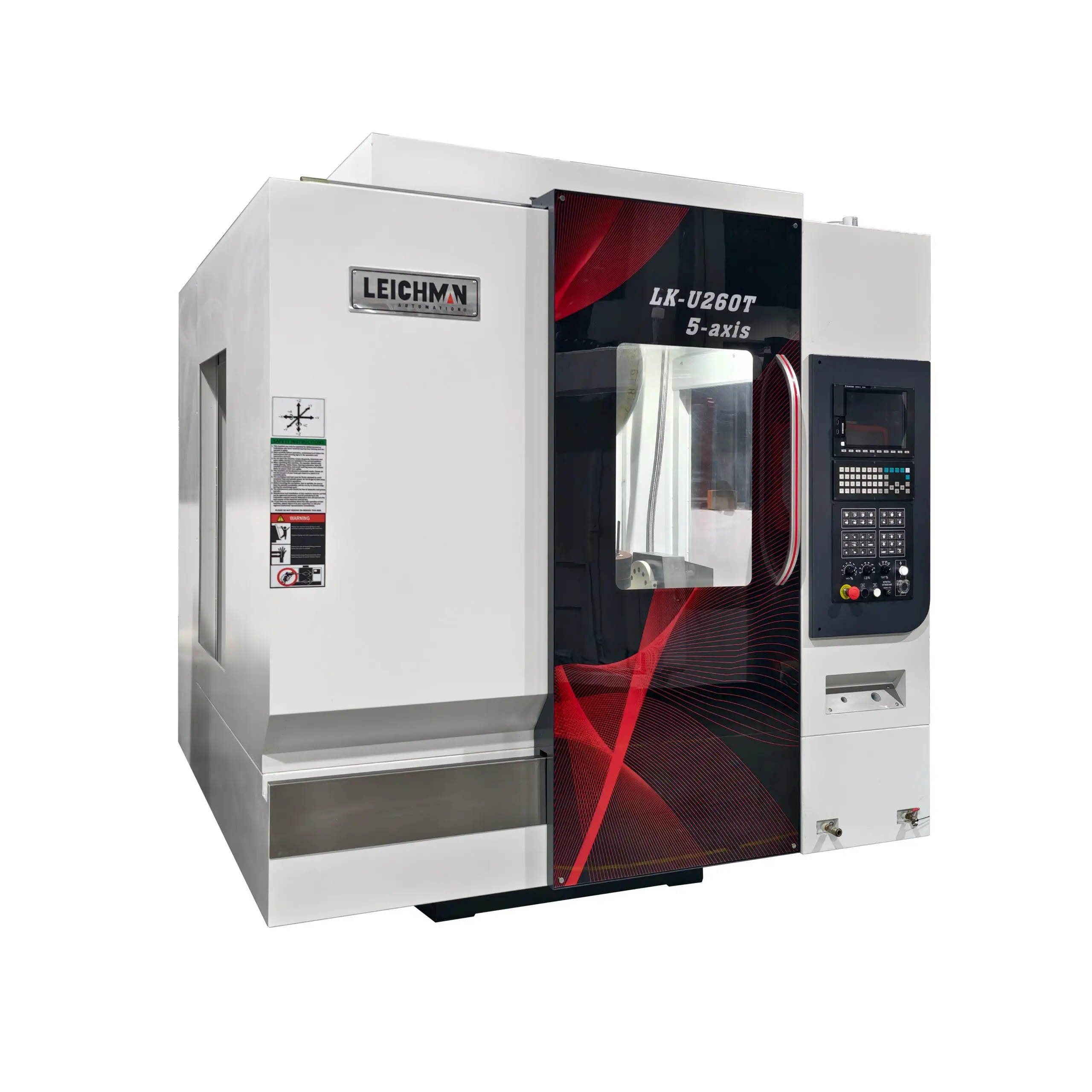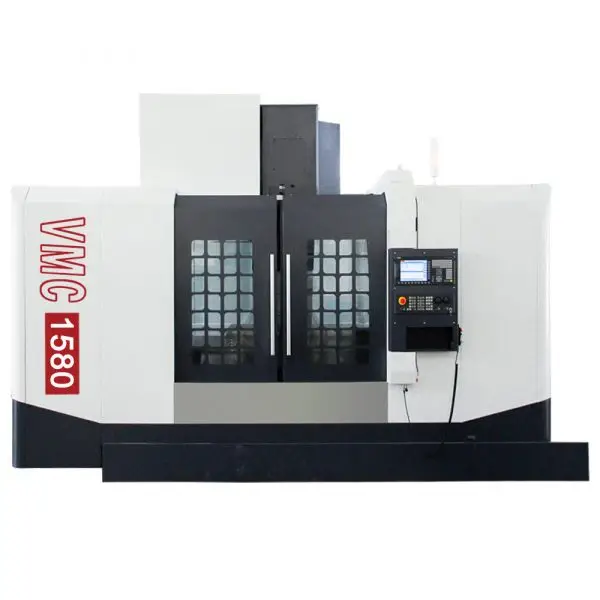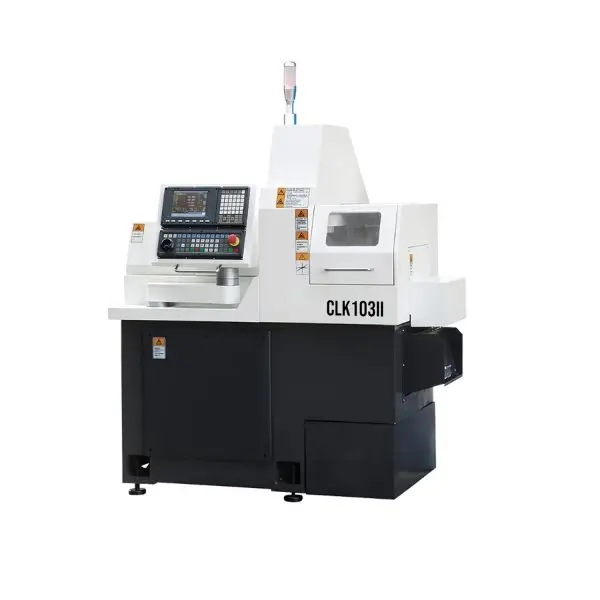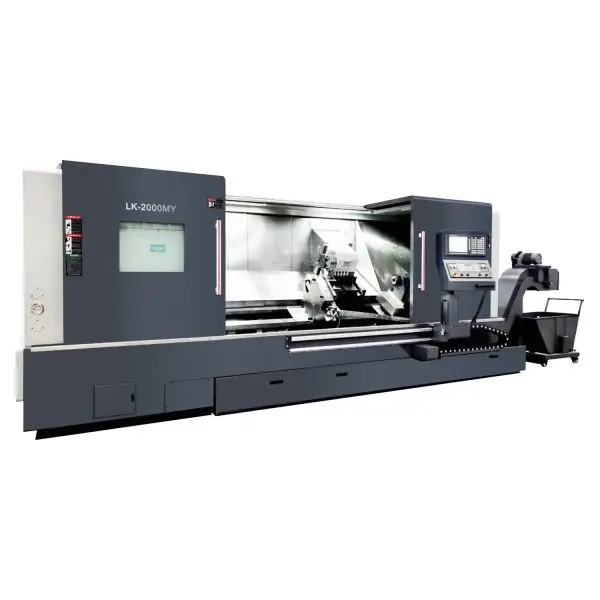
Production environments frequently require a balance between high-level precision and efficient use of available floor space. We at Leichman—a subsidiary brand of HOSTON—observe that for many workshops, investing in compact machinery provides a sensible path toward handling small to medium-sized components without the overhead of massive industrial equipment. By focusing on machines that provide agility and accuracy, businesses can manage smaller part batches while ensuring that each piece meets required specifications. This approach offers a way for shops to diversify their service offerings without requiring an expansive facility or excessive power consumption, making the production process more adaptable to fluctuating order sizes.
Efficiency in Batch Manufacturing
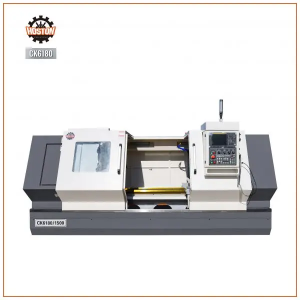
A primary benefit of compact machinery is the ability to run multiple small jobs without the setup delays associated with larger systems. We recognize that mini CNC lathe units are engineered to handle repetitive tasks with high consistency. When we implement these machines in a workflow, we find that the reduced physical scale translates into faster cycles for smaller parts. This efficiency allows personnel to pivot between different job orders rapidly, which helps in managing varied customer demands. The smaller footprint also allows for a higher density of machines in the workshop, which increases the total output capacity within the same square footage.
Quality and Repeatability for Smaller Parts
Accuracy remains a priority regardless of the scale of the machine or the workpiece. As CNC lathe manufacturers, we prioritize the construction of rigid beds and precise spindle systems to ensure that every cut is accurate. We have found that the inherent stability of a smaller machine frame helps in minimizing vibration during the turning process, which directly correlates to the surface finish of the final product. For workshops focused on specialized components such as bushings, small shafts, or connectors, the ability to replicate dimensions across a series of parts is critical. This precision ensures that components meet assembly standards without the need for intensive post-processing.
Operational Advantages of Compact Equipment
Integrating smaller equipment into an existing production line often results in lower operational costs. We note that these machines require less power to operate and are generally simpler to service due to their streamlined designs. The accessibility of the work zone allows for quicker loading and unloading of parts, which minimizes the time spent on idle machine states. Furthermore, the specialized nature of a mini CNC lathe allows operators to focus on refined turning techniques that might be cumbersome on larger, heavier platforms. By matching the equipment scale to the size of the parts, we support a more lean and responsive manufacturing cycle.
The shift toward more flexible production methods continues to influence how shops select their hardware. We at Leichman provide tools that align with these requirements, focusing on the essential mechanics that drive quality and efficiency. By evaluating the specific needs for volume, part complexity, and space availability, organizations can find a balanced approach to their capital equipment requirements. Our role as CNC lathe manufacturers involves refining these compact systems so they remain reliable assets for diverse production environments. We remain dedicated to ensuring that these Leichman machines deliver the consistent results necessary for high-quality, small-part manufacturing.