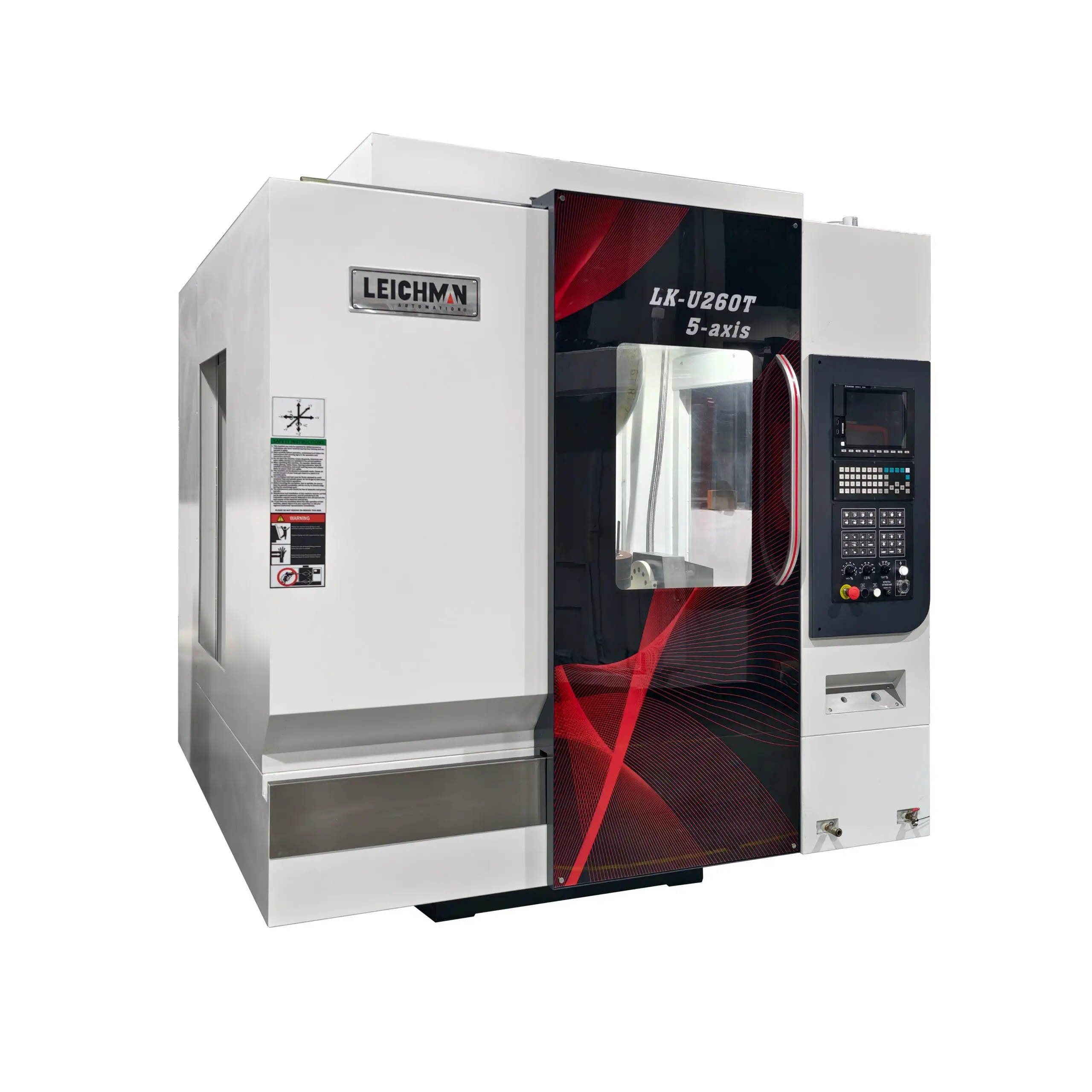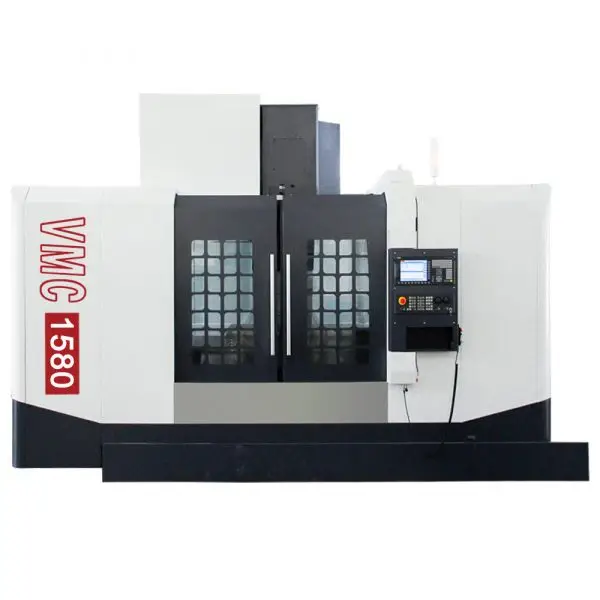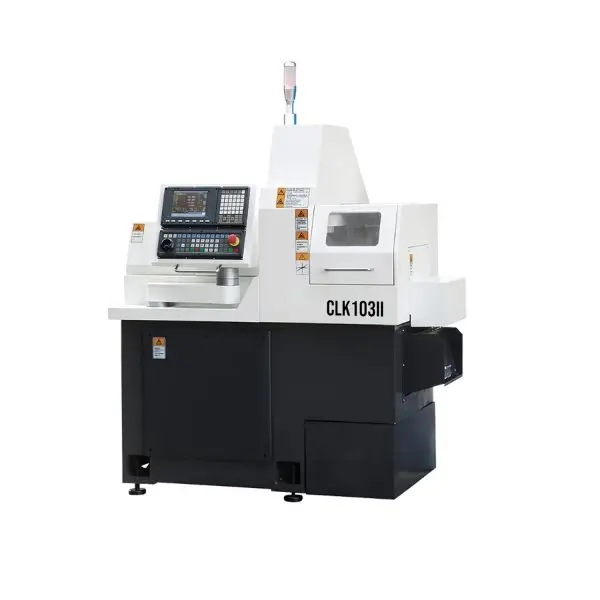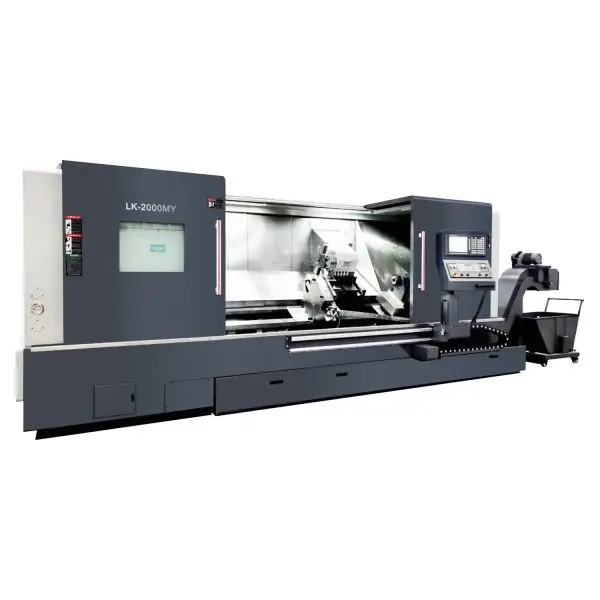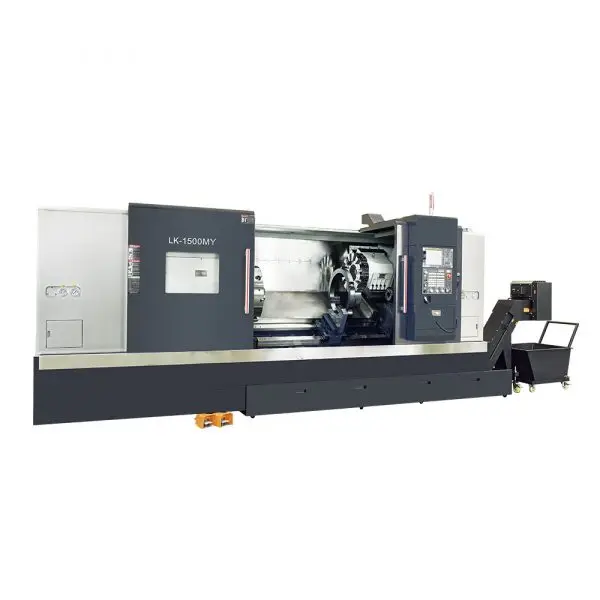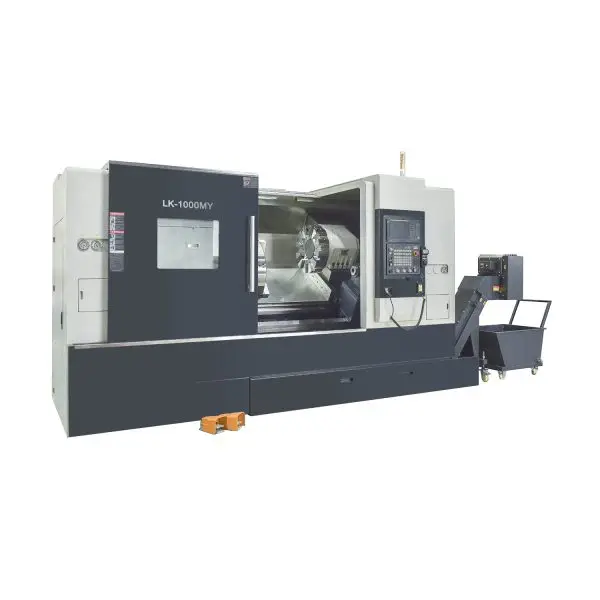
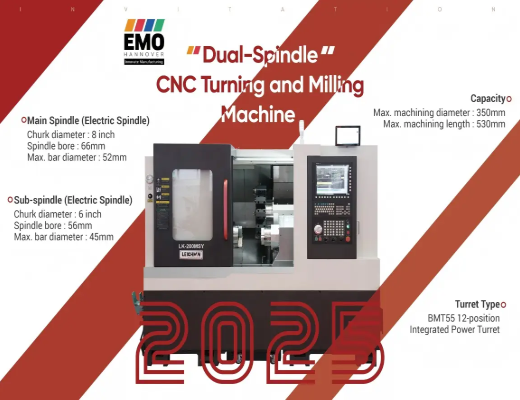
Consolidating manufacturing tasks onto a single platform is a primary objective for shops aiming to improve throughput and component accuracy. At Leichman, a subsidiary brand of HOSTON, we focus on providing machinery that eliminates the need for secondary setups by combining operations. When a component requires both precise cylindrical turning and complex milling features, the ability to perform these tasks on one machine significantly reduces handling time. Our engineering efforts center on creating systems that bridge the gap between simple turning and advanced milling, ensuring that the transition between these modes is seamless and reliable for your daily production cycles.
The Mechanics of Integrated Tooling
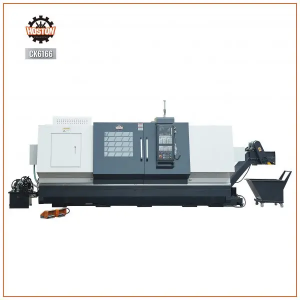
Integrating live-tooling into a turning center allows for the rotation of cutting tools while the main spindle performs its function. This capability enables the machine to drill, tap, or mill flat surfaces on a workpiece without transferring it to a separate milling station. We prioritize the development of high-torque turrets that support these secondary functions with rigidity. When operators utilize a live tool CNC lathe, they gain the freedom to execute side-drilling or off-center milling operations directly on the machine bed. By housing these capabilities within the primary lathe structure, we help reduce the cumulative error that often occurs when parts are moved between different pieces of equipment, ensuring that geometric relationships remain correct throughout the process.
Efficiency Gains in Production Cycles
Managing production flow involves minimizing the time a part spends off-machine. Traditional workflows that move a part from a lathe to a mill often suffer from increased setup time and potential alignment issues. As CNC lathe manufacturers, we design our equipment to handle multi-tasking operations that consolidate these stages into one event. By employing a live tool CNC lathe, your team can complete a higher percentage of the part’s features in a single cycle. This consolidation not only accelerates the production timeline but also helps in preserving the structural integrity of the part. Reducing the number of times a workpiece is clamped and unclamped contributes to a more stable and predictable manufacturing environment, which is vital for high-precision components.
Reliability Through Advanced Engineering
Operating a multi-functional system requires high standards of stability and control. The synchronization between the main spindle and the live tool turret must be precise to maintain the necessary tolerances. At Leichman, we ensure that our mechanical components are balanced to handle the dynamic forces generated during simultaneous operations. When your staff operates a live tool CNC lathe, they rely on the robust construction and high-quality actuators that provide consistent performance under varied loads. We focus on providing hardware that simplifies the operational burden, allowing technicians to focus on programming and part quality rather than overcoming machine limitations. These design choices reflect our commitment to supporting long-term reliability in the shop.
Considerations for Future Manufacturing
Refining your production strategy often starts with evaluating the capabilities of your current equipment. By incorporating systems that offer integrated turning and milling, your facility gains the agility to handle complex projects without increasing the footprint of the floor. We recognize that many CNC lathe manufacturers face the challenge of providing versatile equipment that remains easy to manage. Our focus at Leichman remains on building reliable platforms that allow your shop to adapt to project requirements as they evolve. Evaluating whether your current machinery allows for integrated processing is a constructive step toward optimizing your shop’s overall output. Focusing on these capabilities helps you establish a more efficient and effective production process for a variety of metal parts.