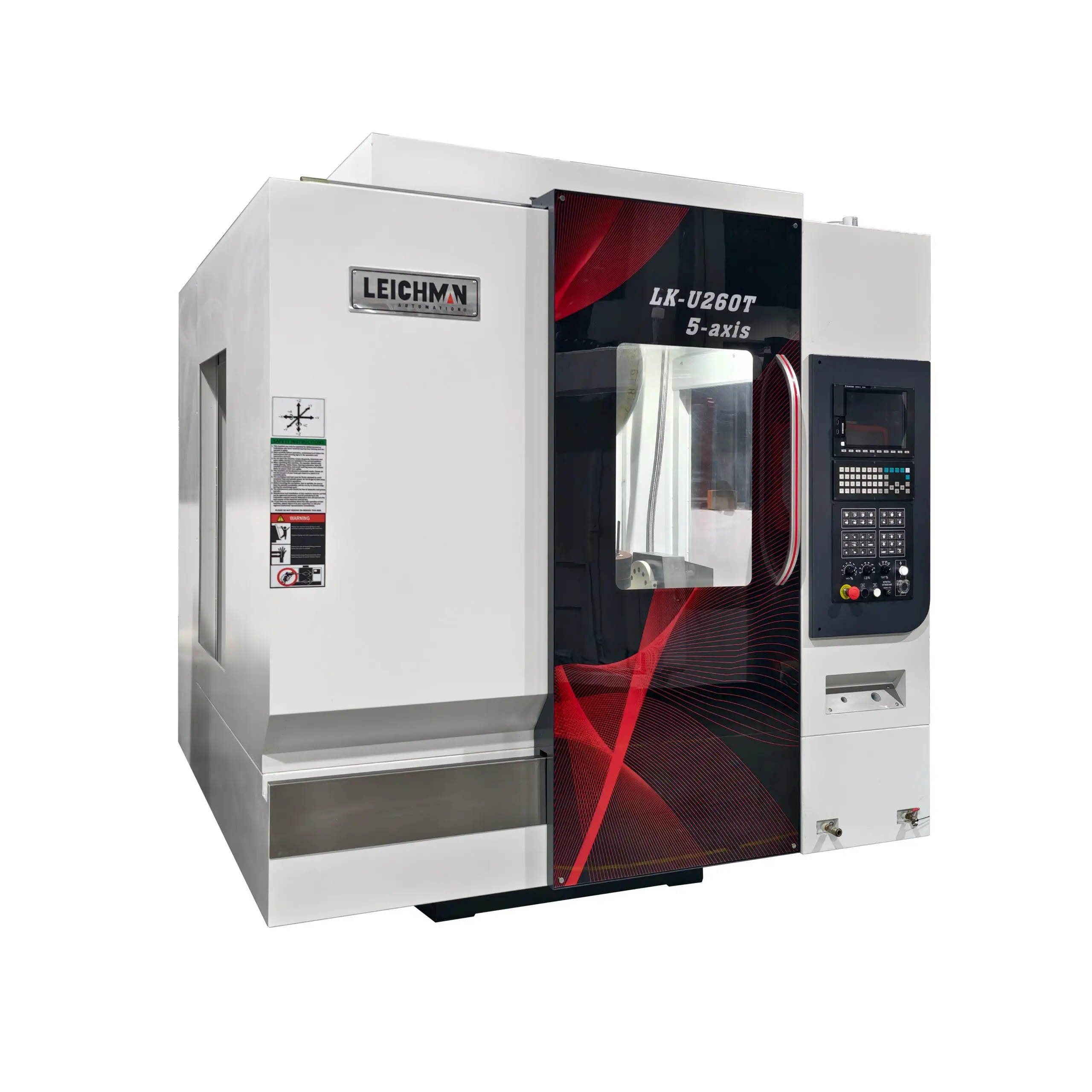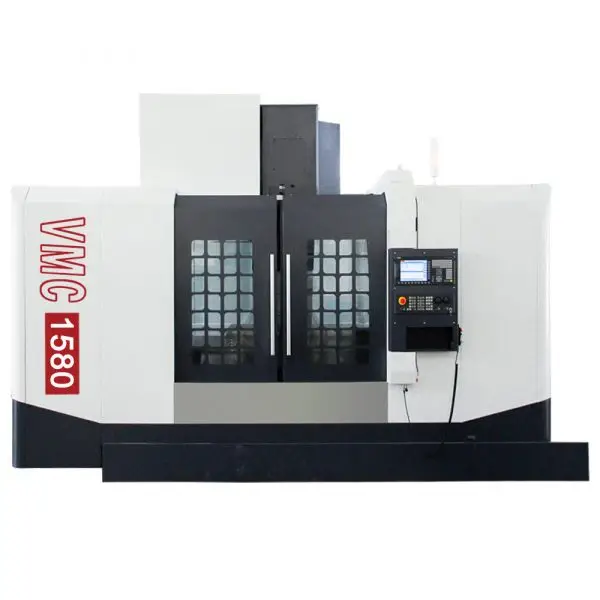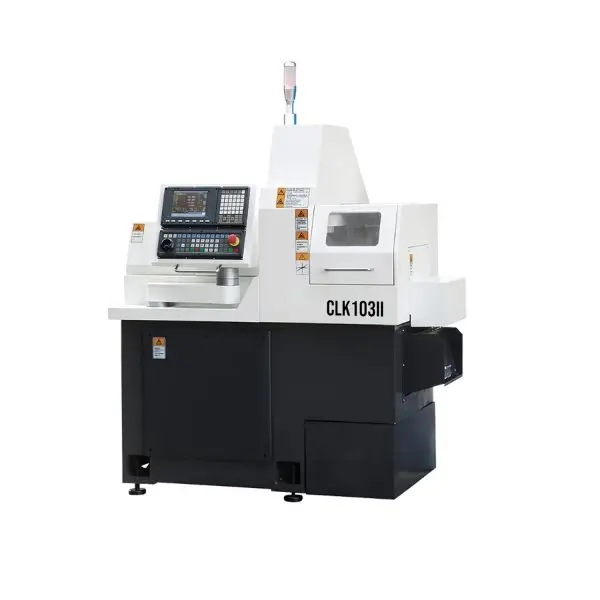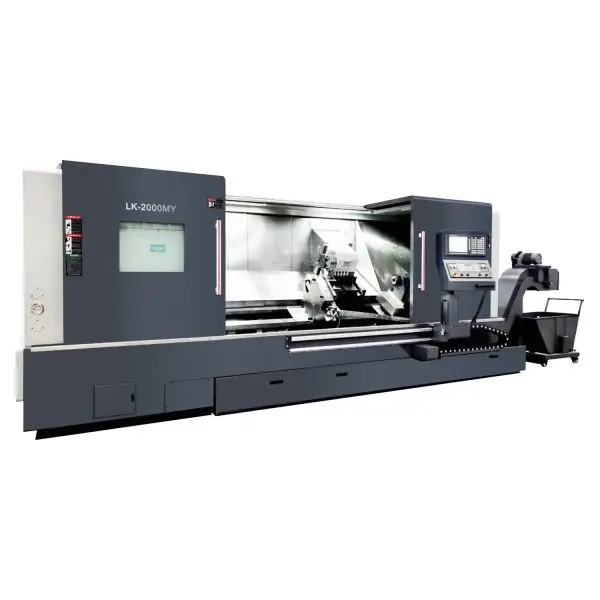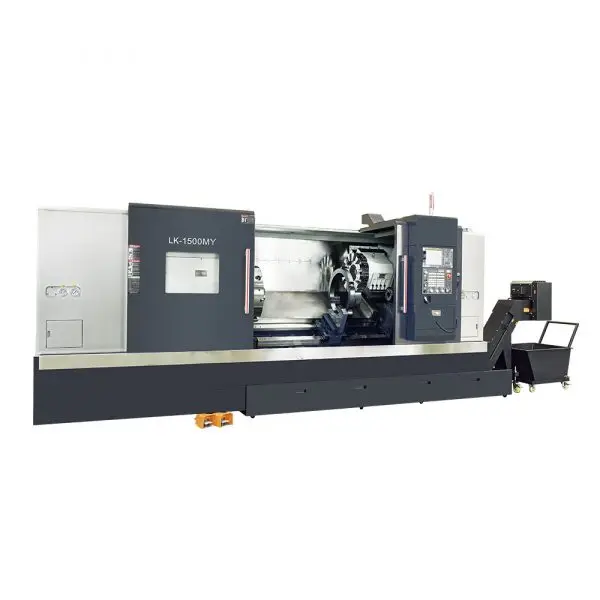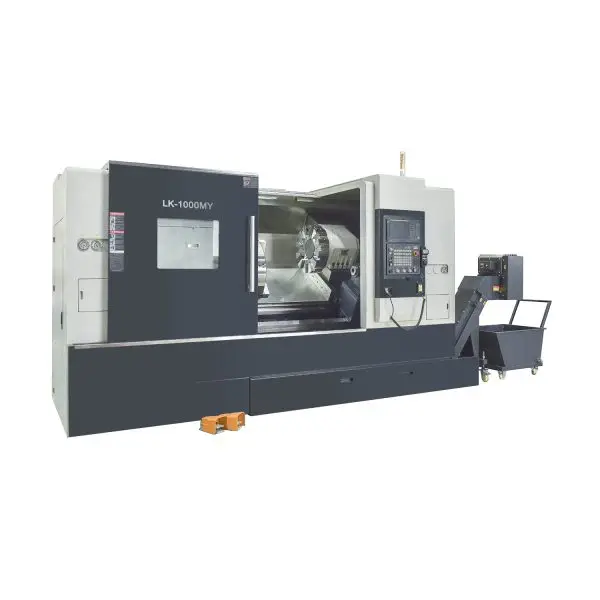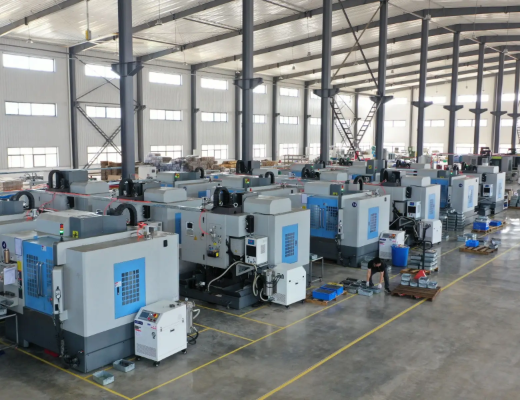
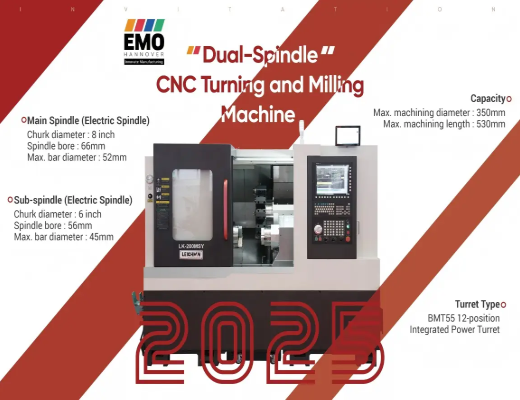
Precision remains the cornerstone of quality in metalworking, and as we look at the components of a turning system, the turret mechanism performs a critical role in overall part accuracy. At Leichman, a subsidiary brand of HOSTON, we observe that the repeatability and stability of the tool-holding unit directly determine how well a workpiece meets tolerance requirements. When evaluating equipment, it is important to analyze how the mechanical movement of the turret affects the final surface finish and dimensional consistency, as even minor deviations during the indexing process can propagate through the entire production run.
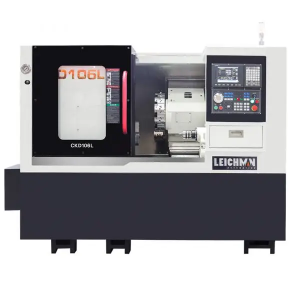
Mechanical Principles of Turret Indexing
The indexing mechanism is the heart of a lathe, responsible for moving the cutting tool into position and locking it securely before the operation begins. High-quality turret lathe manufacturers emphasize the necessity of robust locking systems that eliminate vibration and ensure the tool tip returns to the exact coordinates required for each cut. When the turret rotates to swap tools, the internal coupling and gear arrangements must engage with absolute firmness. Any backlash or micro-movement at this stage creates a deviation that translates into errors on the machined part. We find that the structural integrity of this indexing cycle determines the long-term reliability of the machine, regardless of the material being processed.
Impact on Part Accuracy and Surface Finish
Precision in the CNC lathe tool turret is directly observable in the geometry of the finished part. If the indexer lacks sufficient clamping force or alignment accuracy, the cutting tool may vibrate or deflect during the engagement, leading to chatter marks and inconsistent surface finishes. Furthermore, if the tool does not return to its precise centerline position after an index, the diameter of the part will fluctuate, potentially leading to scrap. We focus on how consistent alignment allows for tighter tolerances, which is vital when working on parts that require high-level mating surfaces. The ability of the turret to maintain rigidity throughout complex turning cycles ensures that the machine consistently delivers the specified dimensional accuracy.
Reliability and Operational Consistency
Engineers and production managers often assess the durability of the indexer to predict long-term performance. A well-designed system minimizes the wear on the internal components, ensuring that the indexing repeatability remains stable over millions of cycles. By utilizing components that resist the harsh conditions of a shop floor, such as coolant exposure and heavy metal chips, the system protects its core functionality. At Leichman, we realize that the consistency of the tool change directly affects shop productivity, as frequent recalibration or manual intervention slows down the workflow. A robust indexing system provides the predictable performance needed to maintain output schedules and minimize unexpected downtime related to turret misalignment.
Evaluating the indexing capability of your turning equipment is a fundamental step in ensuring the success of your production process. By focusing on the structural rigidity and the mechanical precision of the turret lathe manufacturers provide, you create a stable foundation for high-quality results. Whether you are inspecting the repeatability of a specific CNC lathe tool turret or reviewing the overall system stability, prioritizing the mechanical integrity of the indexing unit is essential. At Leichman, we advocate for these considerations to ensure that every machine setup contributes effectively to your operational targets and production quality.