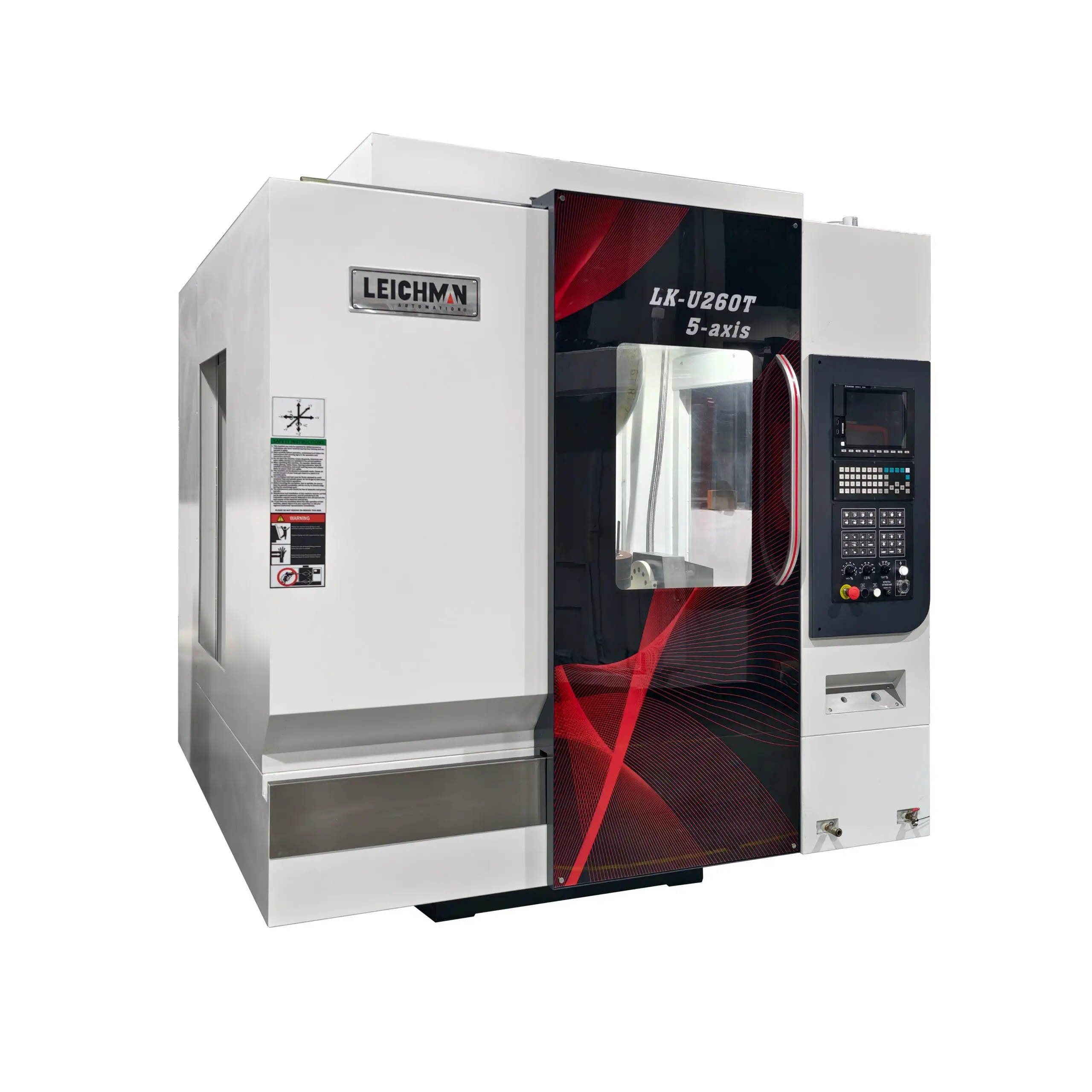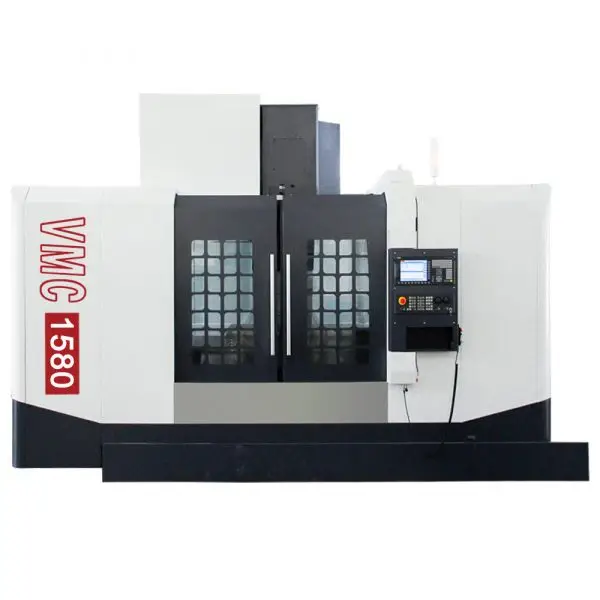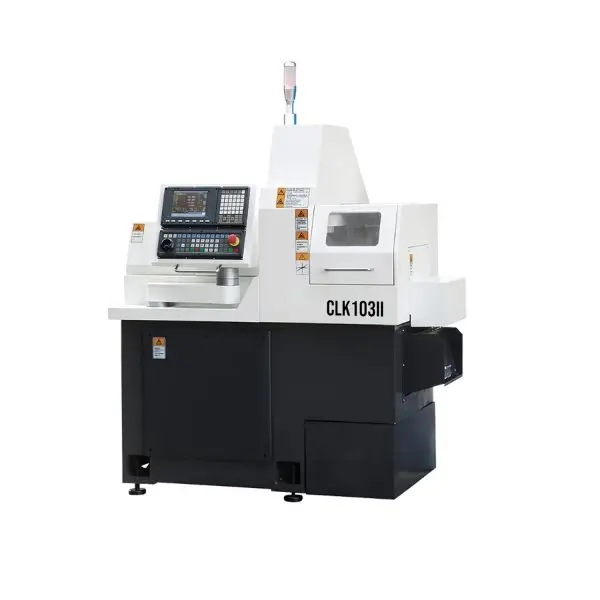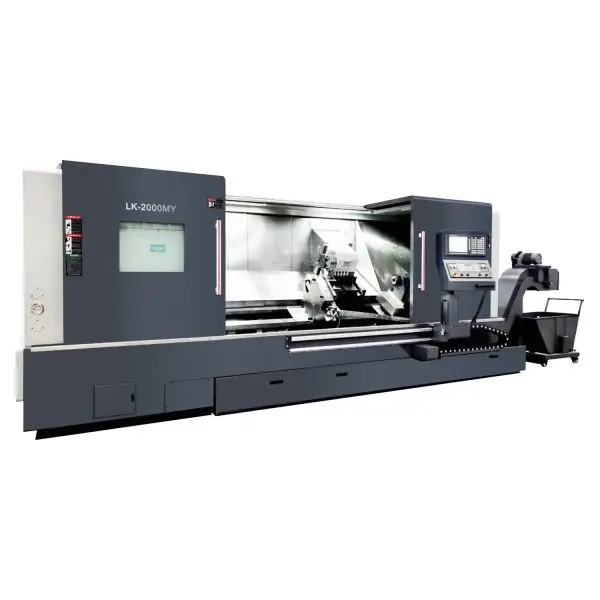
When facing the choice between a vertical and a horizontal turret lathe, the decision ultimately comes down to the specific characteristics of your workpiece. For B2B manufacturers involved in metalworking, selecting the right machine configuration directly impacts production efficiency, part quality, and overall operational costs. With Leichman—a subsidiary brand of HOSTON—as a trusted partner in the industry, we help clients navigate these important decisions by offering both configurations. The key is matching the machine’s capabilities to the physical demands of your components. Let’s examine how vertical and horizontal turret lathes apply to different production scenarios so you can make a more informed choice for your shop floor.
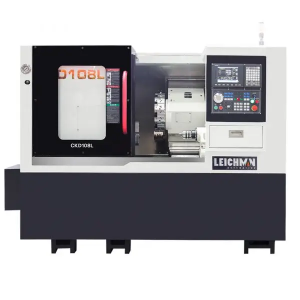
Large-Diameter, Heavy Components Belong on a Vertical Turret Lathe
A vertical turret lathe positions its spindle vertically, with the workpiece resting flat on a large rotating table. This orientation means gravity actively helps secure the part during machining, which is why VTLs are particularly effective for large-diameter, heavy components. Parts like turbine casings, flywheels, gear blanks, bearing housings, and heavy flanges are well-suited to this configuration. The vertical setup makes loading and unloading easier for operators, reduces the need for complex clamping fixtures, and allows the machine’s robust structure to handle high material removal rates without losing precision. As one of the reliable turret lathe manufacturers serving diverse industries, we have seen how VTLs excel in energy sector production, machining parts such as flywheels, rings, and housings for heavy industry components like bushings, discs, and bearing elements. If your workpiece has a large diameter and relatively short length, the vertical turret lathe configuration provides stability that horizontal machines simply cannot match.
Horizontal Turret Lathes for Deep Hole Machining and Shaft-Type Parts
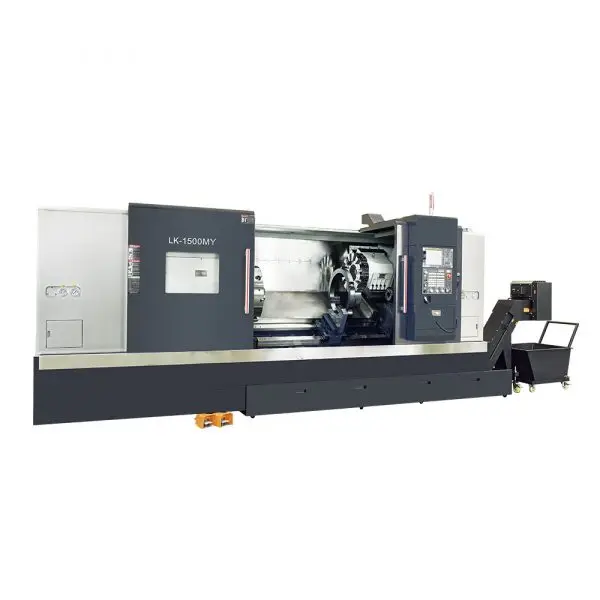
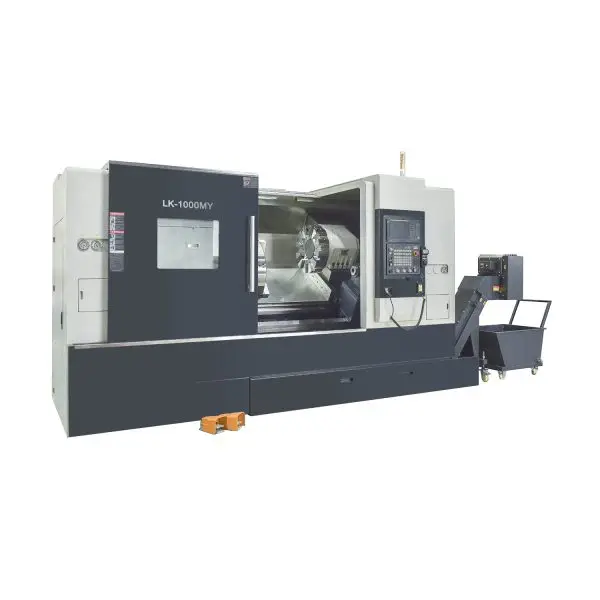
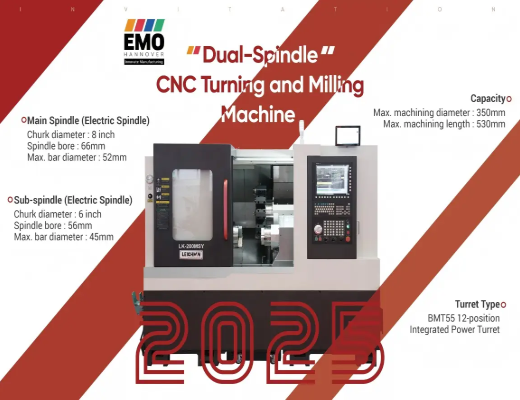
Horizontal turret lathes, in contrast, feature a spindle that orients horizontally, with the workpiece extending lengthwise between centers. This design is naturally suited for machining long, slender parts such as shafts, pipes, and threaded components. When your production involves deep-hole boring or turning parts like air seals, oil seals, and guiding shrouds for turbine engines, a horizontal lathe offers practical advantages. The horizontal orientation provides convenient access to the part’s full length, making it easier to perform operations along the entire workpiece. For manufacturers working with bar stock or, as turret lathe manufacturers often emphasize, producing precision metal parts for automotive applications, the horizontal configuration often proves more practical. Additionally, modern horizontal lathes frequently incorporate live-tooling, allowing milling and drilling operations to be performed in a single setup to reduce handling time and improve part accuracy.
Application Overlap and the Benefits of a CNC Vertical Turret Lathe
While each configuration has its natural strengths, the line between them has blurred with modern CNC technology. A CNC vertical turret lathe can now handle many operations that once required horizontal equipment, thanks to advanced programming and multi-axis movement. Conversely, horizontal lathes can be equipped with powerful turrets capable of heavy turning. The key is understanding where the overlap works for you. For instance, programming a VTL is essentially the same as programming a horizontal lathe, so your team does not need to learn an entirely new skill set. Furthermore, vertical machines tend to have a smaller footprint because their volume extends upward rather than across the floor, a valuable advantage in shops with limited space. As a company offering both configurations, we at Leichman encourage manufacturers to evaluate each job individually. Larger production runs of heavy, large-diameter parts generally favor a CNC vertical turret lathe, while high-volume production of shafts and smaller components may be better suited to a horizontal model.
When choosing between vertical and horizontal turret lathes, focus on the physical characteristics of your workpieces. Heavy, large-diameter, short-length parts belong on a vertical turret lathe for stability and ease of handling. Long, slender parts and components requiring deep-hole features are better suited to a horizontal configuration. By matching the machine to the application, you achieve higher efficiency, better part quality, and lower operating costs. Leichman offers both configurations to meet diverse manufacturing needs. If you have specific projects in mind, we invite you to share your requirements for a custom solution proposal.