Many of us in the manufacturing sector often weigh the financial implications of equipment upgrades when planning our production lines. At Leichman, a subsidiary brand of HOSTON, we focus on providing reliable solutions for various industrial needs, and one of the most frequent questions we encounter involves the fiscal variance between different axis configurations. When we compare a standard three-axis system against a more advanced five-axis setup, the initial investment and long-term operating requirements create distinct paths for a business.
Initial Capital Expenditure and Complexity
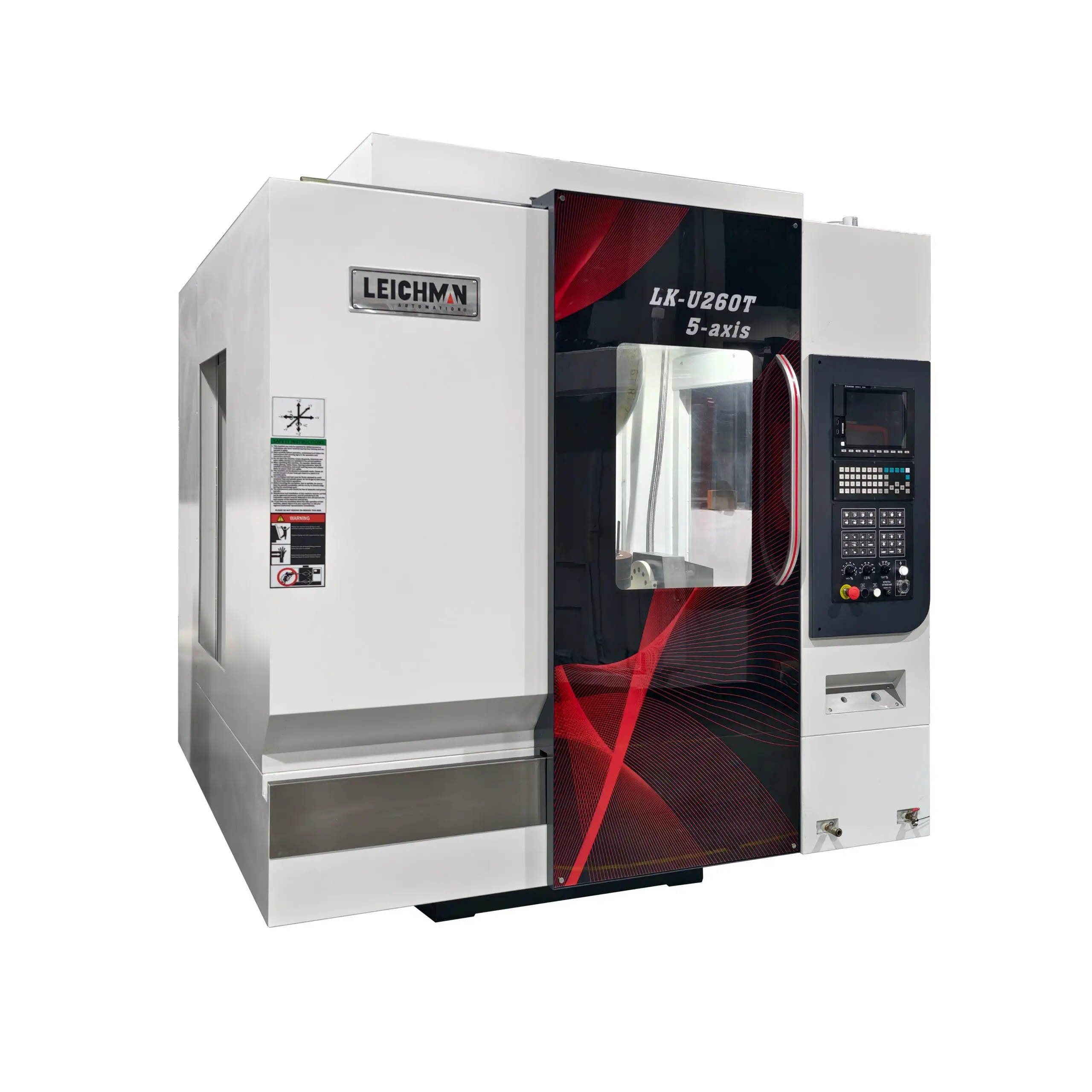
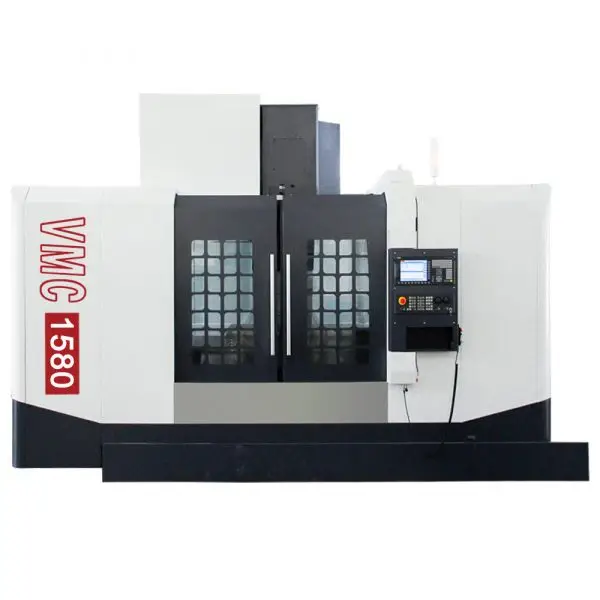
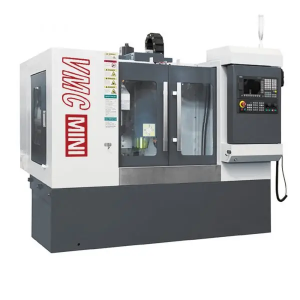
The primary difference in the cost structure begins with the complexity of the machinery itself. A standard three-axis vertical machining center manufacturers design typically involves fewer moving parts and a simpler control interface, which results in a lower entry price. These machines are engineered for straightforward, prismatic parts where access to a single face is sufficient. Conversely, a 5-axis vertical machining center incorporates additional rotary axes, such as A and B or A and C, which demand more intricate components and sophisticated motion control hardware. This advanced engineering, while necessary for complex geometries, inherently raises the price point compared to its simpler counterparts. When we look at Leichman equipment, we observe that this price gap is a reflection of the added mechanical capabilities that enable more intricate milling operations.
Operational Efficiency and Setup Requirements
Beyond the purchase price, we must consider how these configurations affect daily operational costs. A three-axis setup often requires multiple manual setups if a part has features on different sides, which increases labor time and the risk of alignment errors. While the machine is less expensive to acquire, the time spent manually rotating parts can accumulate. In contrast, a 5-axis vertical machining center allows us to approach a part from multiple angles in a single setup. This efficiency significantly reduces total cycle time and minimizes human intervention. Even if the hourly burden rate for more complex machines is higher, the ability to finish a part in one operation can often mitigate the higher capital cost through increased throughput and labor savings. It is a balance between the lower upfront cost of three-axis systems and the time-saving benefits of advanced multi-axis configurations.
Maintenance and Long-Term Value
We also find that maintenance requirements differ based on the complexity of the internal drive systems and the number of axes involved. A three-axis vertical machining center manufacturers produce generally features a robust but simpler architecture, which typically requires less specialized maintenance over its service life. These systems are reliable workhorses for high-volume production of simpler components. On the other hand, the added complexity of a 5-axis vertical machining center means there are more parts subject to wear, requiring regular and more skilled maintenance to ensure precision. At Leichman, we emphasize that while the maintenance of multi-axis systems involves higher technical demands, the value generated by producing complex parts that would be impossible on simpler machines is a critical factor for businesses to consider.
Evaluating these configurations requires a clear view of your production volume, the intricacy of your components, and your budget parameters. Whether you prioritize the budget-friendly nature of three-axis systems or the versatile performance of a 5-axis vertical machining center, the key is aligning the equipment capability with your specific project demands to ensure lasting value for your operations.