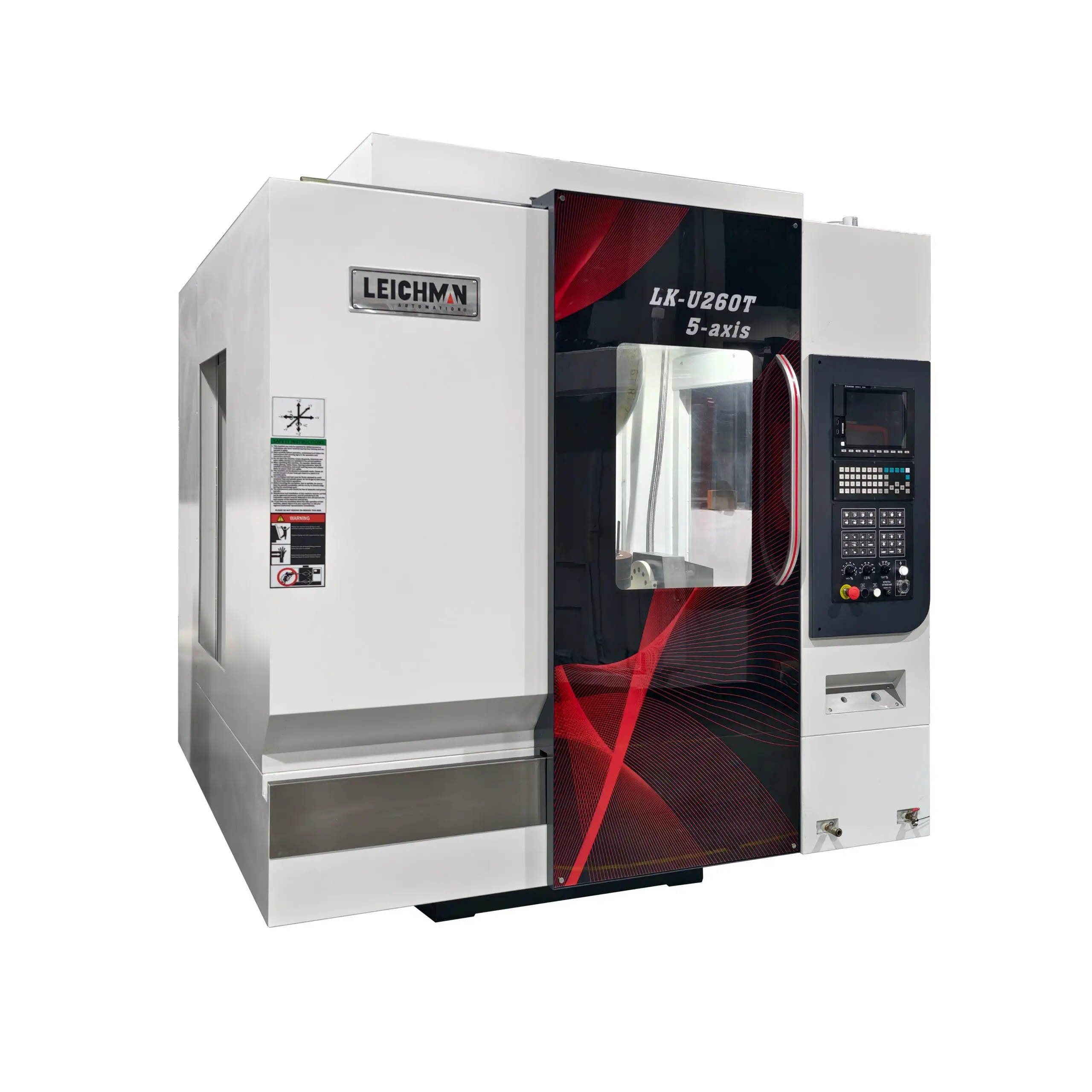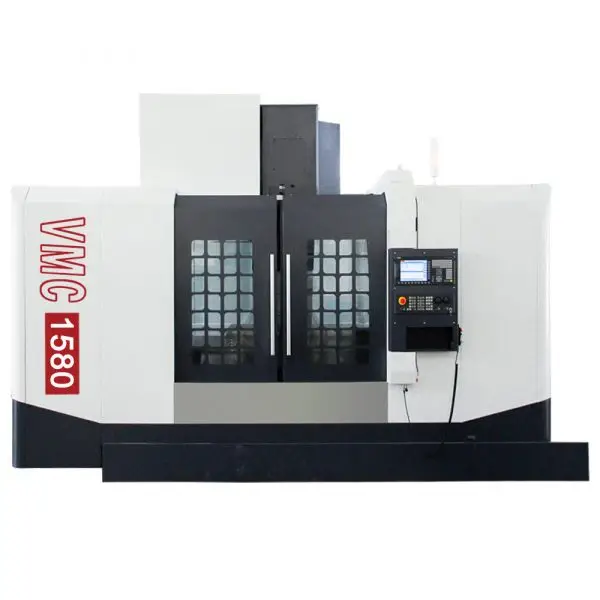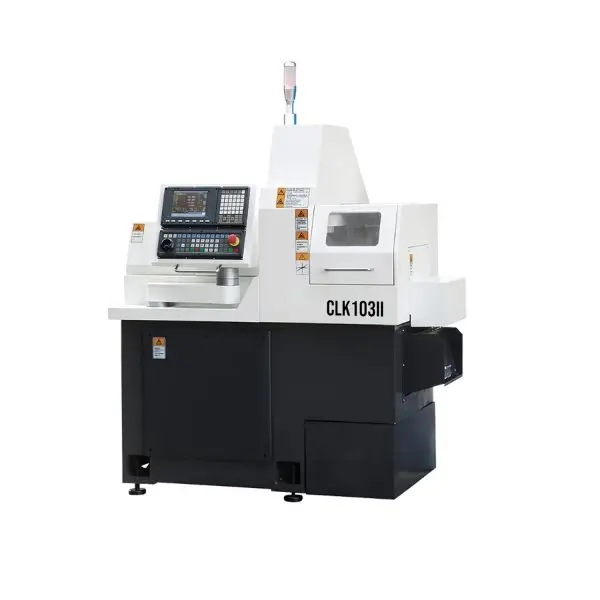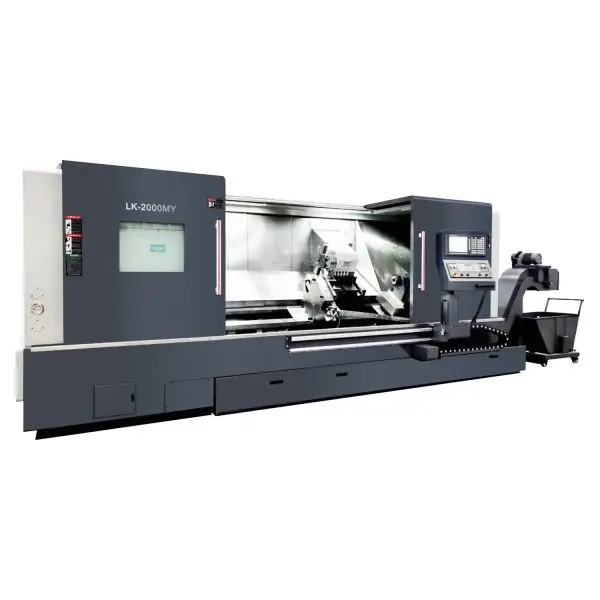
Selecting the appropriate configuration for an automatic tool changer (ATC) is a foundational decision when evaluating production equipment. At Leichman, a subsidiary brand of HOSTON, we analyze how specific components influence operational speed and reliability during daily manufacturing tasks. The two most common configurations for an ATC vertical machining center manufacturers setup are the umbrella-type and the arm-type systems. While both serve to change tools automatically, their internal mechanisms create distinct differences in how quickly they operate and how they integrate into a production line. Analyzing these mechanical differences helps us match the right machine architecture to specific project throughput requirements.
Characteristics of the Umbrella-Type ATC
The umbrella-type tool changer is a common sight in various workshops because of its straightforward design. In this configuration, the tool magazine is typically mounted directly on the machine column or the side of the spindle. When a tool change occurs, the spindle moves to a specific position to swap the tool directly from the magazine. This design is often appreciated for its simplicity and the reduced number of moving parts, which can simplify some aspects of service. For many routine milling applications, this system provides a practical and reliable way to handle tool changes without unnecessary complexity, though it may require the spindle to move further to complete the cycle.
Mechanics of the Arm-Type ATC
Arm-type tool changers offer a different approach designed for higher production efficiency. These systems utilize a mechanical arm that swings out to grab the tool from the magazine and the spindle simultaneously. By swapping the tools at the same time, the arm-type mechanism significantly reduces the non-cutting time of the machine. As a CNC vertical machining center supplier, we observe that this faster cycle time is a critical factor for shops running high-volume production. Because the arm removes the need for the spindle to travel extensively to the magazine, the machine maintains a more consistent operational rhythm, which is a key advantage when cycling through many different tools during a complex job.
Integration in Production Environments
Operational speed depends heavily on how the ATC integrates with the overall control logic of the machine. An ATC vertical machining center manufacturers unit equipped with an arm-type changer often provides more space for larger tool magazines, allowing for greater variety in tooling without needing frequent manual intervention. When we evaluate an ATC vertical machining center manufacturers offering, we look at how the tool change speed impacts the total cycle time per part. Conversely, the umbrella style is often found on machines where space is at a premium or where tool changes are less frequent. Regardless of the type, the goal remains to achieve stable, repeatable performance that supports consistent manufacturing output for our clients.
Final Considerations for System Selection
Determining whether an umbrella or arm-type ATC is appropriate for a facility involves assessing production volumes and the variety of parts being processed. A CNC vertical machining center supplier must evaluate if the increased speed of an arm-type system justifies the setup requirements, or if the simplicity of an umbrella-type system meets the current needs. We continue to monitor these technological variations to ensure our clients have the right information. By aligning the machine’s tool-changing capability with specific project demands, we provide the technical foundation for reliable performance and efficient production workflows. As a CNC vertical machining center supplier, we prioritize this balance to ensure that equipment serves its purpose effectively within any professional shop environment.