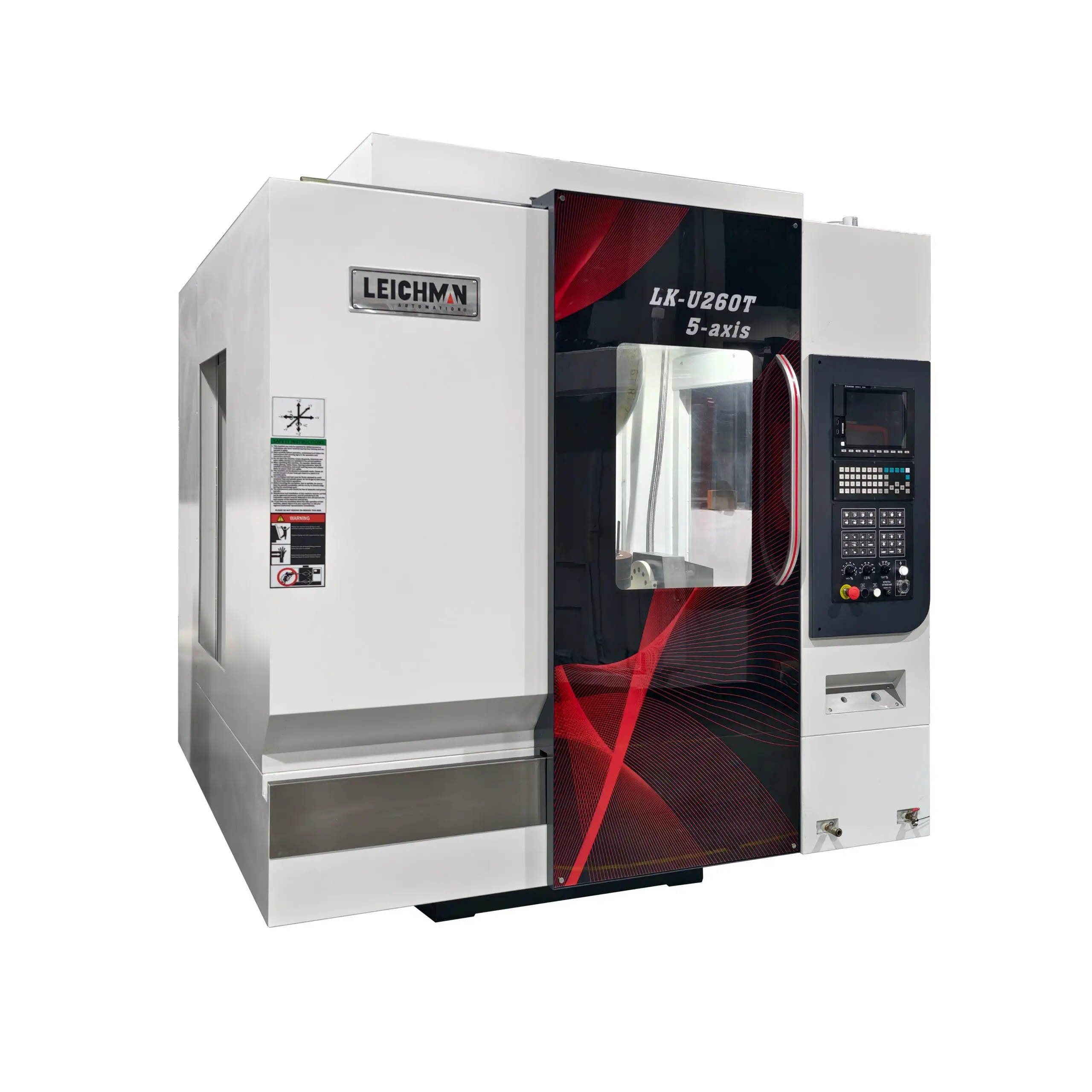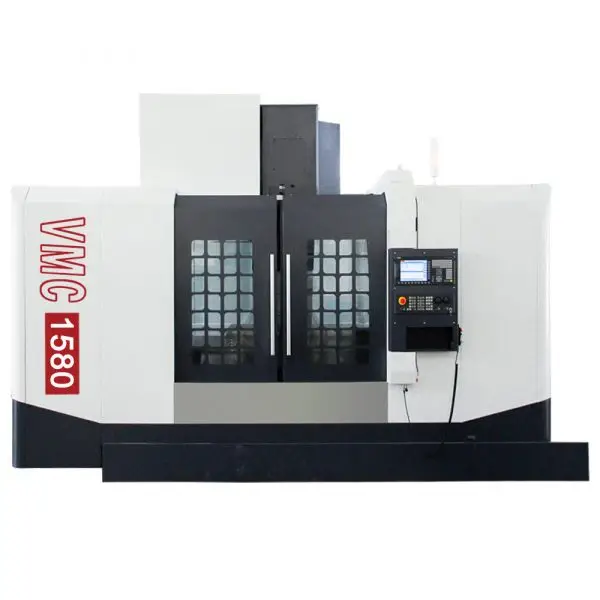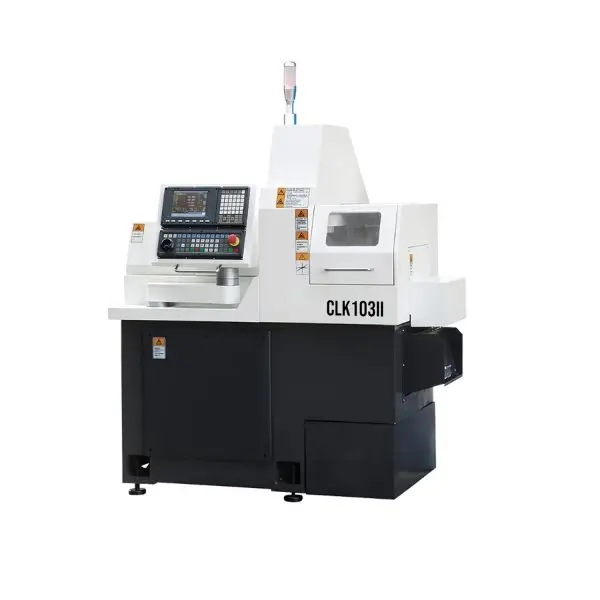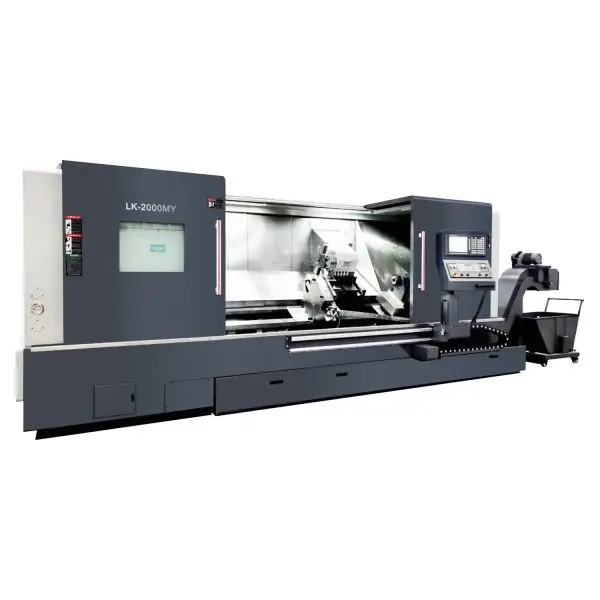
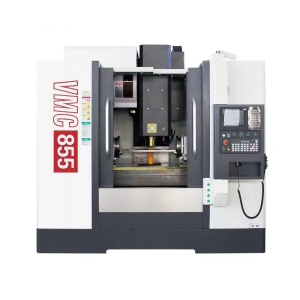
Industry professionals often analyze the utility of specific equipment configurations when planning for precise metal removal and mold fabrication. At Leichman, a subsidiary brand of HOSTON, we observe that the versatility of a 3-axis vertical machining center provides a reliable foundation for various mold-making tasks, ranging from basic cavity formation to final finishing processes. When evaluating the capabilities of various vertical machining center manufacturers, it is essential to consider how standard equipment architectures handle the specific demands of mold geometry and surface quality.
Precision Milling for Mold Cavities and Cores
Effective mold production starts with the accurate generation of cavities and cores. We frequently utilize our standard vertical milling platforms to remove large amounts of material efficiently before transitioning to finishing passes. The consistent structural integrity of these machines allows for stable cutting conditions, which is necessary when machining hardened tool steels. By managing tool paths carefully, we ensure that the dimensions of the mold cavity remain within tight tolerances. This approach proves beneficial for projects where the geometry allows for standard three-axis interpolation, as it simplifies the programming process and reduces the need for complex multi-axis setups.
Achieving Surface Quality in Complex Contours
Surface finish is a critical requirement in the mold industry, as it dictates the quality of the molded part. A 3-axis vertical machining center allows us to utilize a variety of end mills and ball-nose cutters to achieve precise surface profiles. We focus on optimizing feed rates and step-over distances to minimize the need for manual polishing later. As we work with different molds, we monitor the vibration damping capabilities of the equipment to ensure that the cutting process remains smooth. When discussing options with vertical machining center manufacturers, we prioritize rigidity and spindle balance, as these features directly influence our ability to produce smooth surfaces on complex contoured areas of the mold.
Production Efficiency in High-Volume Tooling
Time is a major factor in industrial manufacturing, and we streamline our production cycles by maximizing the uptime of our 3-axis vertical machining center configurations. We design our workflows to minimize tool change intervals and setup times, which helps us handle repetitive mold-making tasks with greater consistency. It is important to note that while specialized machines exist for highly complex shapes, a standard 3-axis machine can perform a significant portion of the work required for many injection molds. At Leichman, we recognize that by optimizing the integration of software and hardware, we can improve throughput for our clients, ensuring that molds are completed within planned schedules without sacrificing dimensional accuracy.
Considerations for Equipment Utilization
Efficiently applying this equipment requires a clear understanding of the mechanical limits and the specific requirements of the mold design. By concentrating on structural stability, proper tooling, and effective software integration, we can achieve high-quality results for various mold applications. We encourage our partners to review their production requirements thoroughly against the capabilities provided by different vertical machining center manufacturers. At Leichman, our experience confirms that a well-configured 3-axis vertical machining center remains a productive asset for the mold industry, offering a balance of performance and reliability for diverse machining needs.