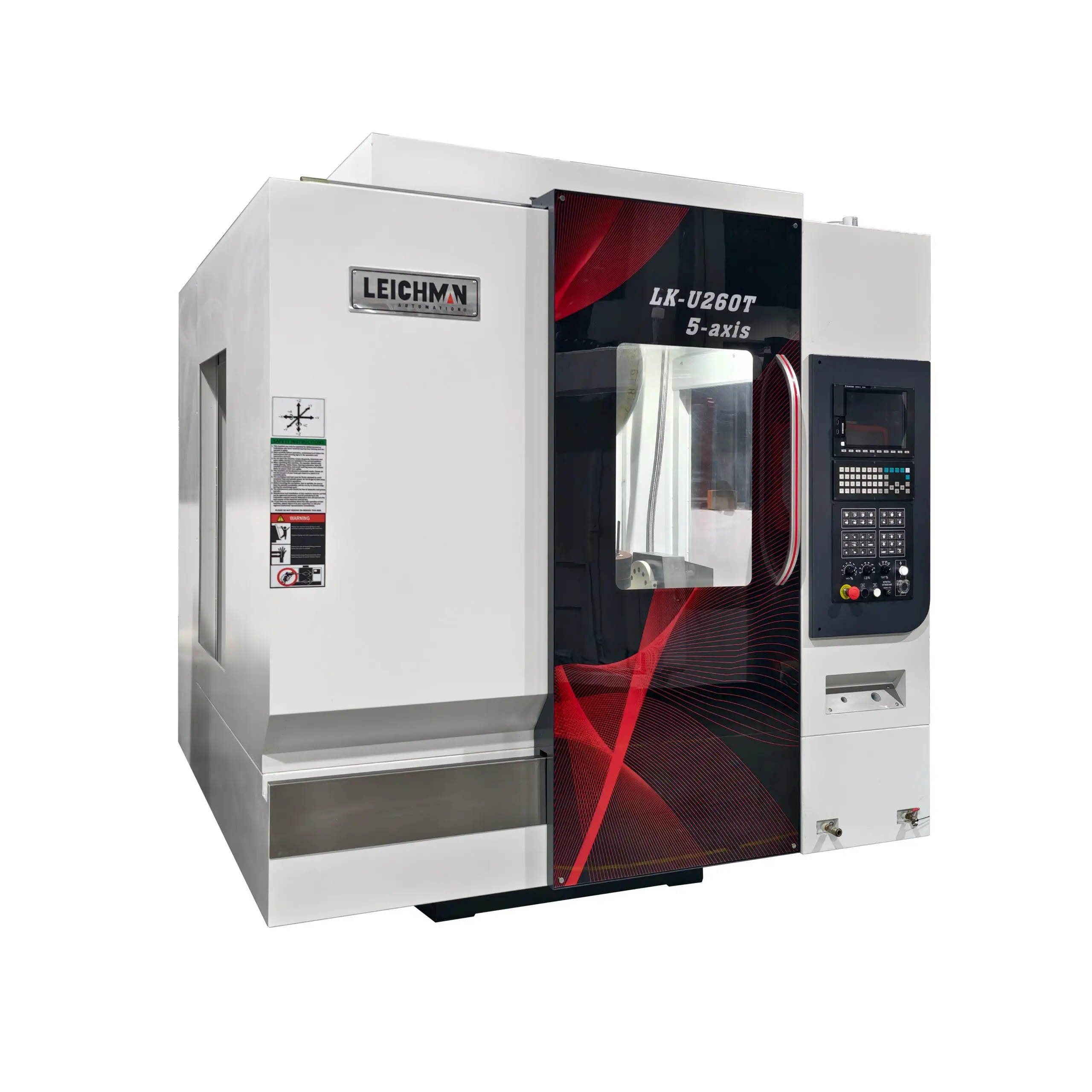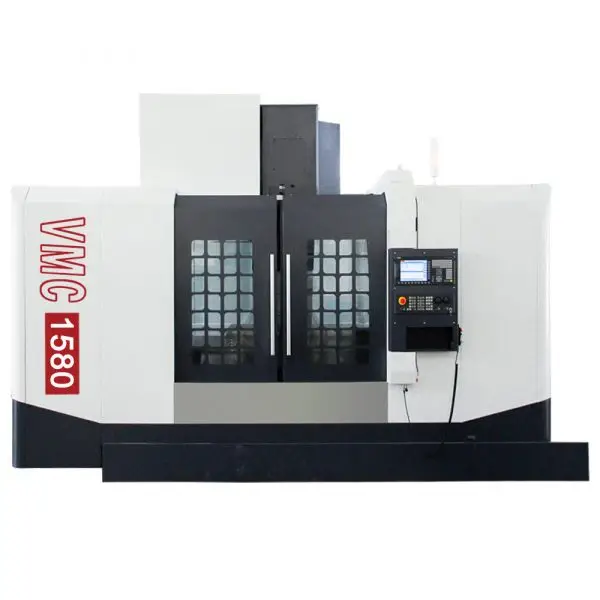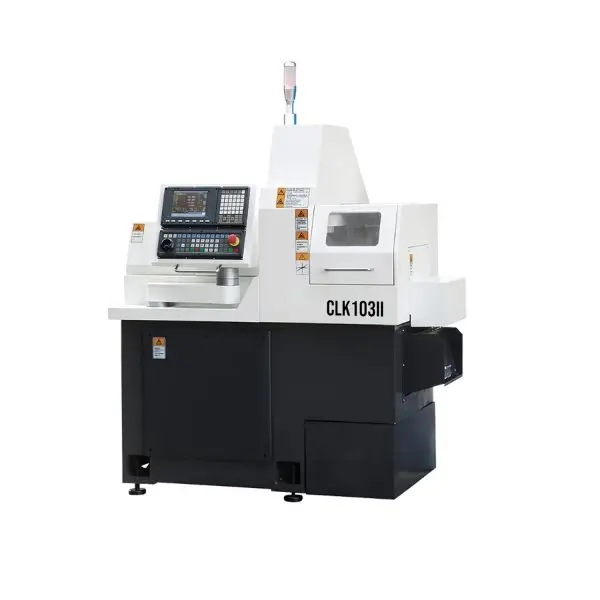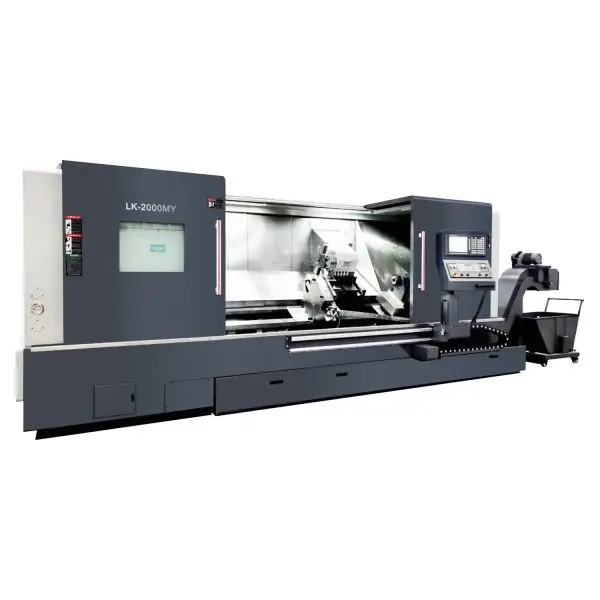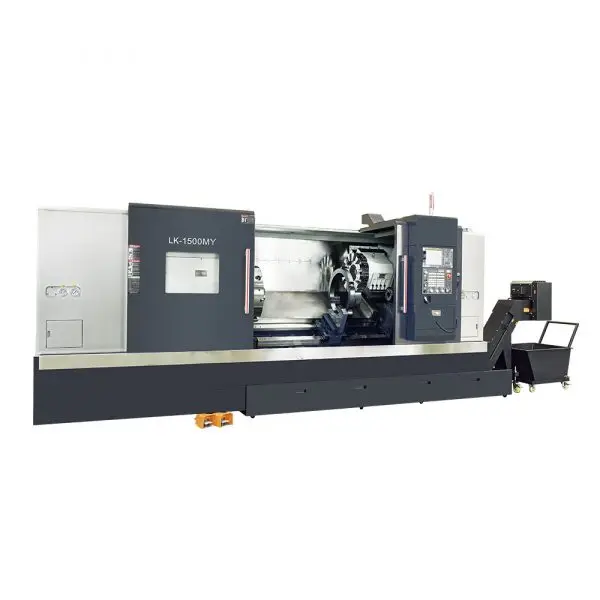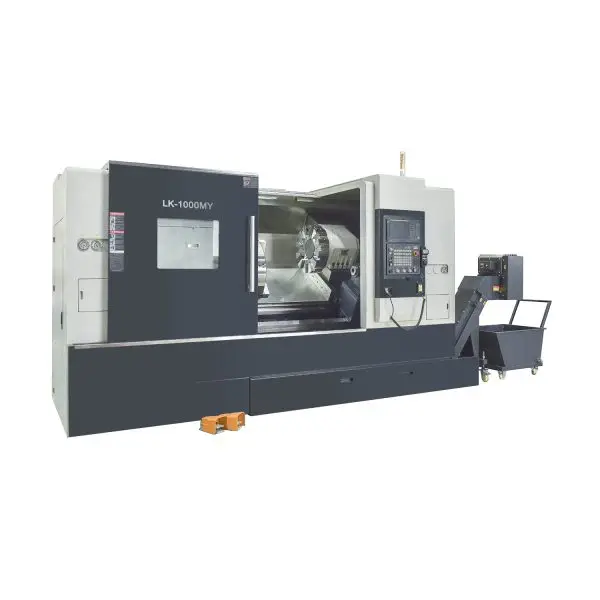
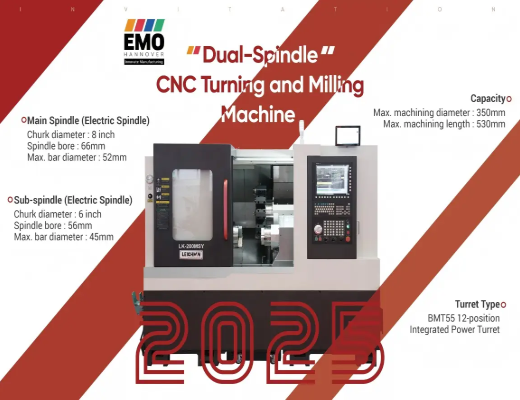
Operational flexibility serves as a cornerstone for modern workshops tasked with creating complex geometries. When engineers evaluate equipment for high-precision tasks, the inclusion of a Y-axis in a mill-turn setup changes the way parts are manufactured. At Leichman, a subsidiary brand of HOSTON, we focus on how this specific integration alters the workflow and expands the range of geometries possible within a single clamping process. By providing machines that incorporate these movement capabilities, we aim to support facilities that require higher degrees of freedom without sacrificing the stability of the component being processed.
How the Y-Axis Expands Machining Capabilities
Standard turning centers typically operate with X and Z axes, which are sufficient for basic cylindrical parts. However, adding a Y-axis to CNC milling and turning centers allows the tool to move off-center, enabling operations that were previously impossible on a traditional lathe. This movement permits the machining of off-center features like slots, cross-holes, and flats directly on the outer diameter or face of the part. For our engineering team at Leichman, this implies that the machine can handle more sophisticated designs without the need to transfer the workpiece to a separate milling station. The mechanical advantage provided by this third axis of movement significantly reduces the time required for complex setups.
Precision Gains Through Integrated Motion
Efficiency often stems from the ability to complete more tasks in a single cycle. When a facility utilizes a milling and turning machining center with y axis capabilities, it minimizes the errors associated with un-clamping and re-clamping parts. Every time a part is moved, there is a risk of losing the reference point, which can lead to deviations in tolerance. By ensuring the workpiece remains in the same position while the tool moves along the Y-axis, we help shops maintain higher geometric accuracy. This integration is vital for industries where small deviations can lead to part failure, as it ensures that complex features remain perfectly aligned with the main body of the component.
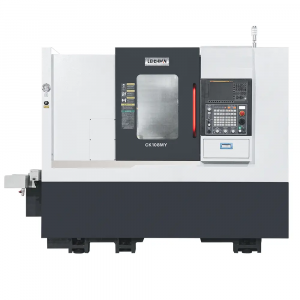
Operational Benefits of the Leichman CK108MY
Practical design features contribute directly to the performance of the machine on the factory floor. The Leichman CK108MY is engineered to utilize these axes effectively, providing the rigidity needed for both turning and milling operations. When we design this milling and turning machining center with y axis, we focus on balancing power and precision to ensure the equipment remains stable under load. By reducing the number of machines required for a single project, workshops can save floor space and reduce the overhead costs associated with managing multiple pieces of hardware. This approach provides a clear path for companies looking to expand their production capabilities without increasing their physical footprint or operational complexity.
Evaluating the necessity of a Y-axis reveals that it provides a tangible upgrade to standard lathe performance. By allowing off-center processing, such machines offer a more comprehensive solution for complex part production. At Leichman, we prioritize the development of hardware that bridges the gap between simple turning and advanced milling, ensuring that the Leichman CK108MY meets the rigorous demands of current manufacturing workflows. As production needs evolve, the ability to perform diverse operations on a single CNC milling and turning center becomes a fundamental requirement for growth. By focusing on these technical principles, organizations can achieve a more versatile and efficient production environment.