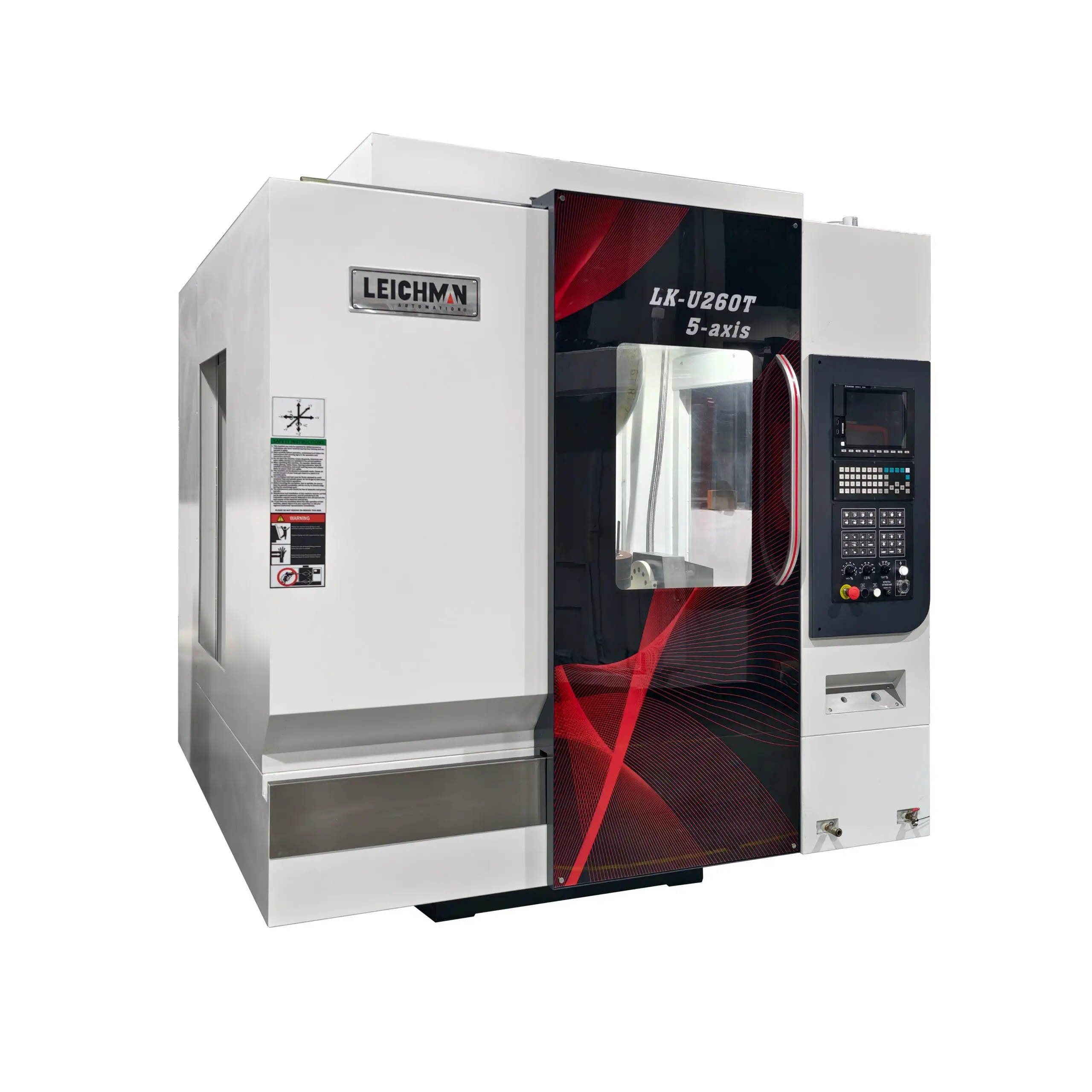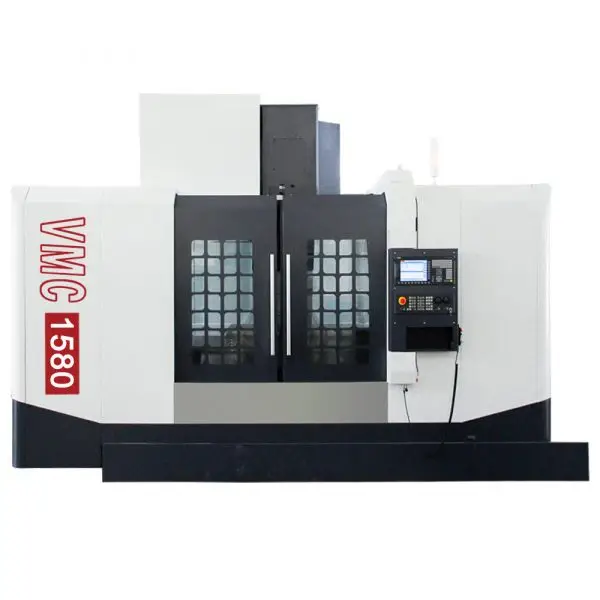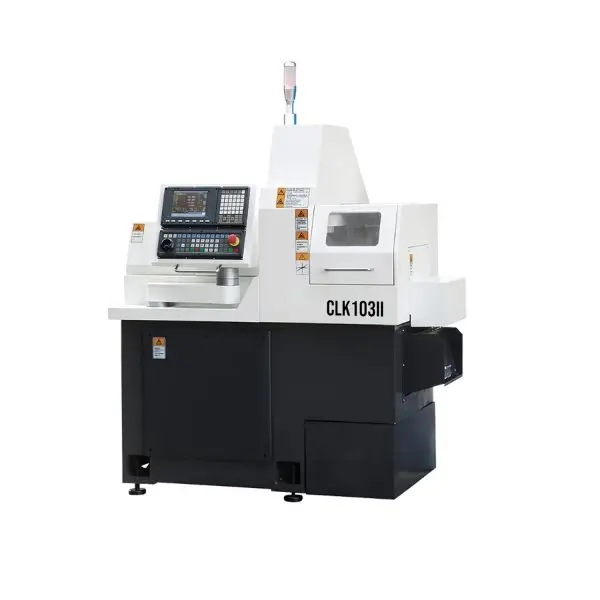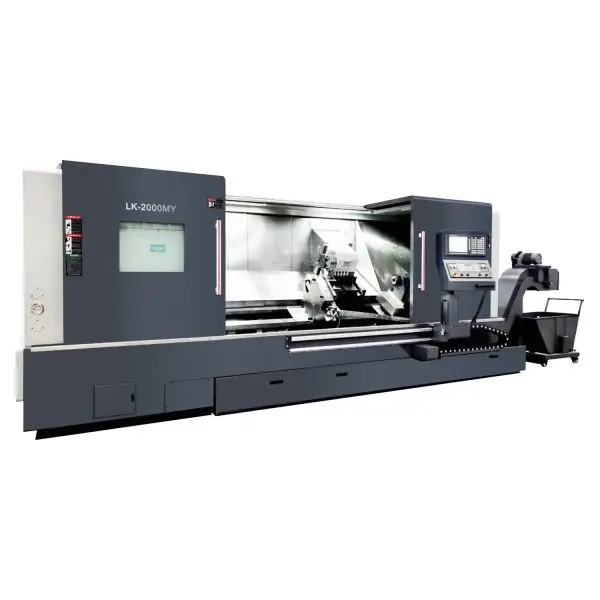
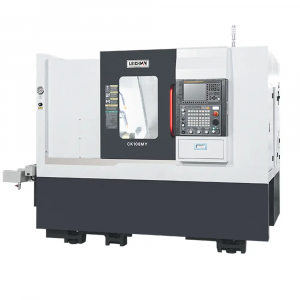
Modern manufacturing requires precise coordination between rotating and stationary tools to achieve complex part geometries efficiently. At Leichman, a subsidiary brand of HOSTON, we observe how control interfaces influence the daily performance of multi-tasking equipment. By examining the integration of a specific Syntec control system, we can see how programmable logic impacts the way a CNC milling and turning centers function under diverse load conditions. The control interface acts as the brain of the machine, processing thousands of lines of code to ensure that the Y-axis movement and turret indexing happen with exact synchronization. We provide this overview to show how hardware and software synergy facilitates the production of intricate components.
Technical Capabilities of the Controller
The implementation of a robust Syntec control system CNC provides the stability needed for simultaneous operations on a single platform. In our experience, these units offer high processing speeds, which are necessary when managing the complex movements of a CNC milling and turning centers. Because the controller handles the interpolation between multiple axes, it reduces the likelihood of latency during tool changes or rapid positioning. This responsiveness is critical when working with materials that require consistent feed rates throughout a lengthy cycle. By utilizing refined algorithms, the controller ensures that the machine remains within tight tolerance limits, regardless of the complexity of the part program being executed.
Efficiency Gains in Complex Machining
When we utilize advanced control logic within our production environments, we see a reduction in the time required for secondary operations. A well-integrated Syntec control system CNC allows for streamlined tool paths, meaning a single setup can handle tasks that previously required separate machines. For a facility managing a high volume of CNC milling and turning centers, this capability translates into improved throughput and reduced idle time. The interface simplifies the operator’s interaction with the machine, providing clear feedback on axis positions and tool status. This clarity allows for faster adjustments during the setup phase, helping production teams transition between different jobs without extensive manual recalibration of the coordinate systems.
Precision and Reliability in Hardware Communication
Achieving repeatable results across long production runs depends on how well the controller communicates with the mechanical servo drives. The hardware within our machinery must respond instantly to the commands issued by the central processing unit. When the logic is optimized, the machine minimizes vibration and mechanical strain, which preserves the longevity of the guideways and turret components. At Leichman, we prioritize the reliability of these connections because a stable communication loop prevents errors during critical turning or milling passes. Consistent performance across these systems ensures that every part coming off the assembly line meets the required quality specifications without constant intervention.
Closing Remarks on Controller Integration
Efficient production relies on the seamless interaction between software and physical machine architecture. Whether you are upgrading your facility or assessing new equipment, the role of the control interface remains a central factor in overall performance. We believe that focusing on how these components talk to one another allows for a more stable and productive workshop. As Leichman continues to evaluate different configurations, we remain focused on the technical merits of reliable control systems. By aligning your hardware with effective programming capabilities, you create a manufacturing flow that supports steady growth and reliable part consistency over the long term.