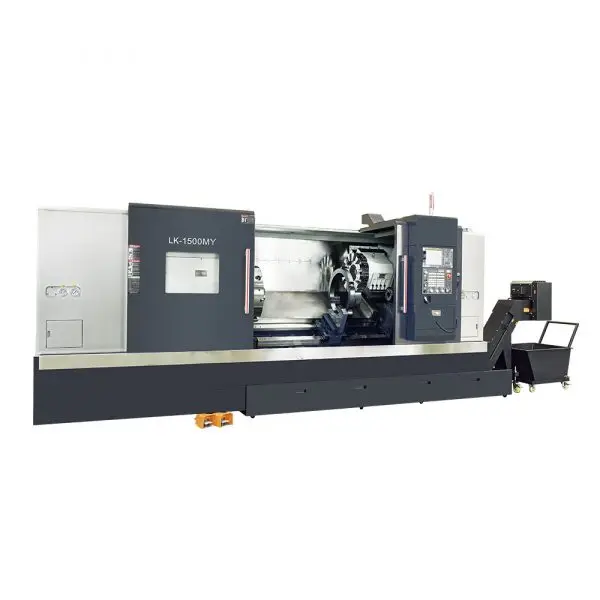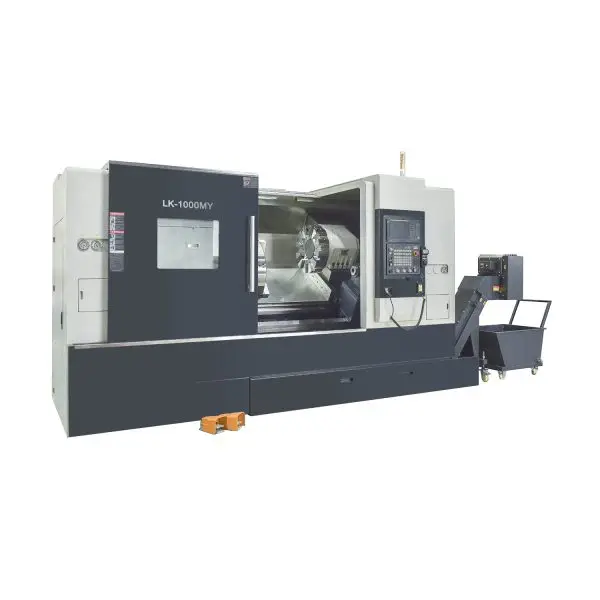
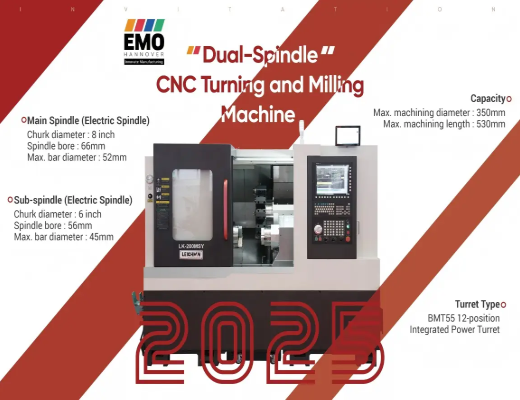
Production managers frequently assess whether to invest in multifunctional equipment or maintain separate machine lines to maximize output. At Leichman, a subsidiary brand of HOSTON, we often examine how the consolidation of processes impacts the financial efficiency of a workshop. When we analyze the performance of a CNC mill turn center against the traditional approach of using independent lathes and mills, we look at the total return on investment (ROI) from various operational perspectives. For firms evaluating their capital expenditure, identifying the efficiency gains provided by these integrated systems is a frequent area of focus.
Process Consolidation and Labor Efficiency
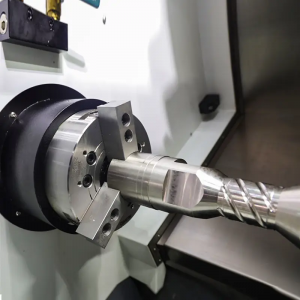
Integrating functions into a single platform fundamentally alters labor requirements. In a traditional setup, operators move parts between a dedicated lathe and a separate milling machine. This workflow often results in idle time while waiting for machines to open up or for parts to be manually transferred. When we utilize a CNC mill turn center, we consolidate these operations into one setup. This reduction in handling time directly improves labor efficiency, as a single operator can manage the completion of complex parts on one machine. By reducing the manual intervention required to move components, we minimize the potential for positioning errors and labor costs associated with multiple machine operators.
Footprint Utilization and Operational Costs
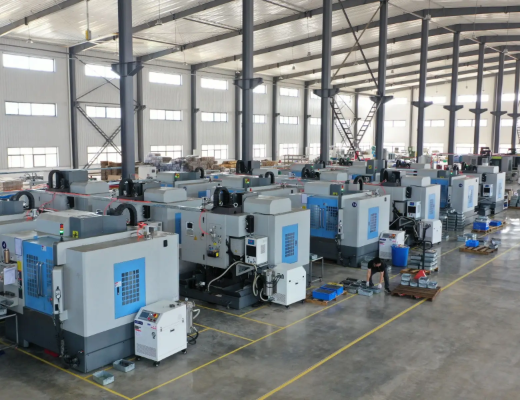
Space is a premium commodity in any manufacturing facility. When we compare the floor area required for a CNC milling and turning centers setup versus individual machines, the differences become clear. A combined machine occupies significantly less space than a lathe paired with a separate vertical or horizontal mill. For many businesses, this reduction in footprint allows for higher machine density within existing facilities. Furthermore, when we account for the ongoing operational costs, a single system requires fewer peripheral utilities such as coolant systems, compressed air lines, and power supply management compared to maintaining multiple separate pieces of equipment. This consolidation supports a more efficient use of infrastructure.
Cycle Time and Inventory Management
Speed of production and the reduction of work-in-progress (WIP) inventory are vital for maintaining a healthy bottom line. Traditional manufacturing often necessitates staging parts between operations, which consumes storage space and increases the time a part spends on the shop floor. By employing a CNC mill turn center, we process components from raw material to finished state in fewer stages. This significantly shortens the overall lead time. At Leichman, we see that by eliminating wait times between machines, shops can fulfill orders faster and reduce the capital tied up in unfinished inventory. A CNC milling and turning centers setup offers a clear path toward faster turnover, which is a significant contributor to overall equipment ROI.
Deciding between a multifunctional system and separate machines involves weighing capital costs against long-term operational efficiency. We have observed that integrating processes reduces labor intensity, saves valuable floor space, and speeds up production throughput by minimizing part handling. At Leichman, we provide tools like the CK108MY to help facilities bridge the gap between complex requirements and efficient production. By reviewing the specific volume and complexity of your parts, your team can assess if the consolidation of milling and turning into one system provides the necessary economic benefits for your business model.