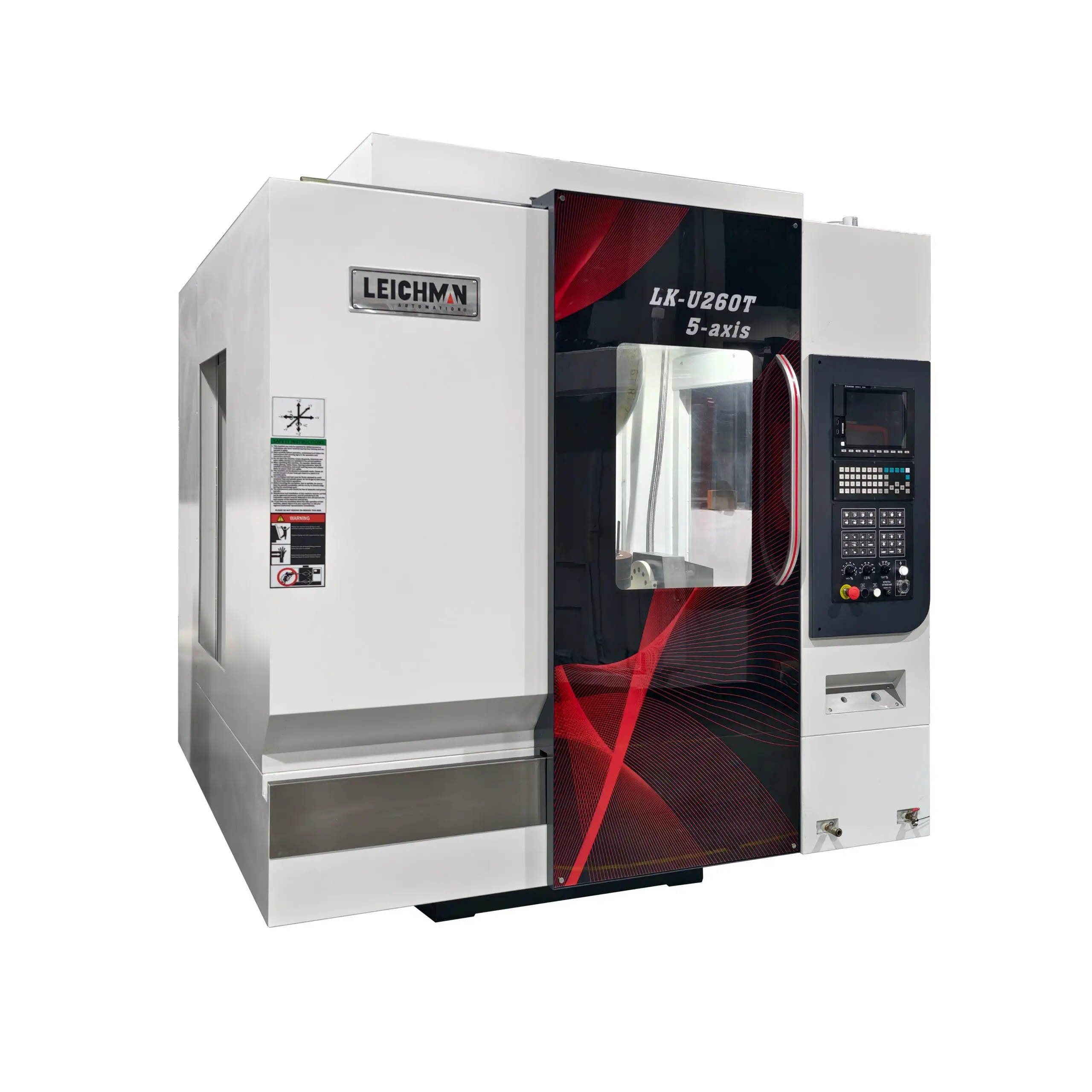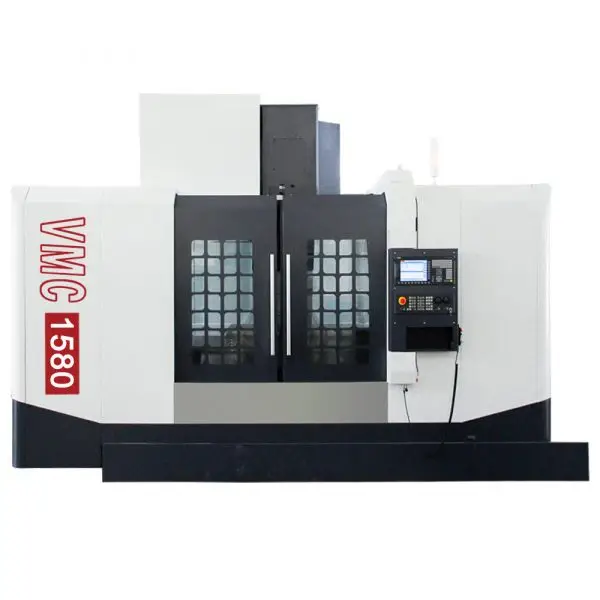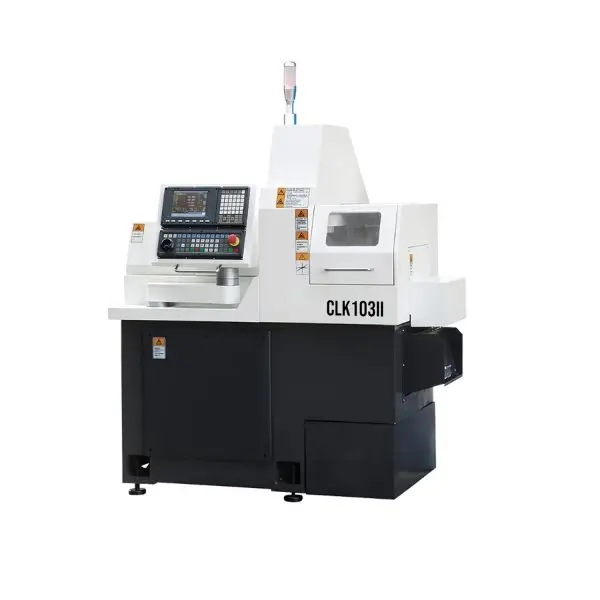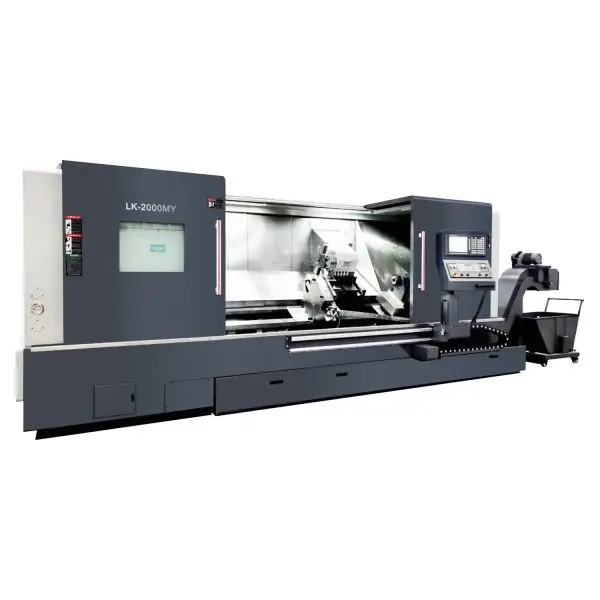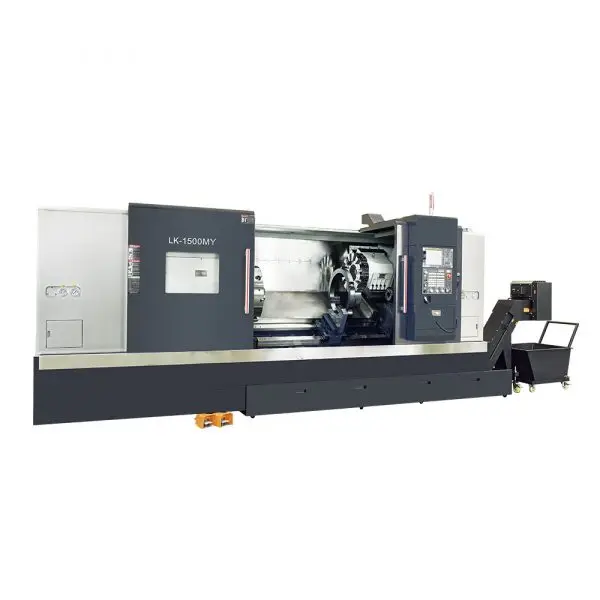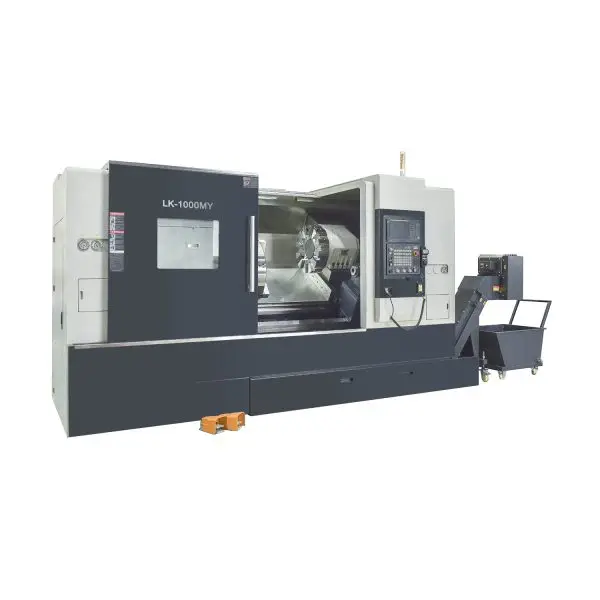
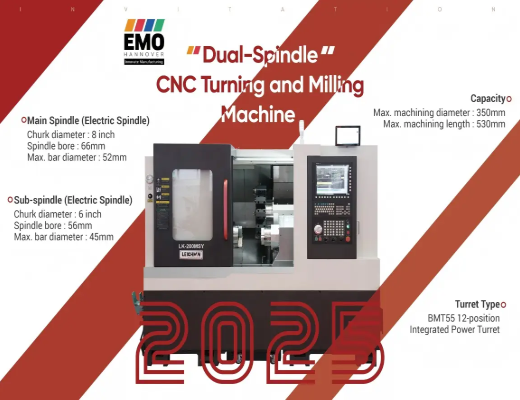
Integrating various machining operations into a single setup offers practical advantages for complex part production. We often find that streamlining the production cycle requires careful planning of the toolpaths and movement sequences. When we examine the capabilities of specialized equipment, we focus on how the arrangement of milling and turning operations influences cycle times and overall part quality. By planning these processes effectively, we reduce the need for multiple machine setups and minimize the potential for human error during the transfer between work stations.
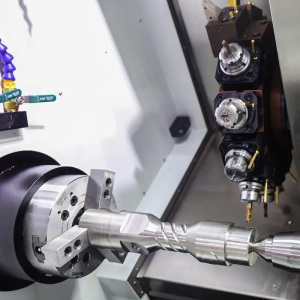
Integrating Milling and Turning Operations
Executing complex geometry requires a clear strategy for transition between lathe work and milling functions. At Leichman, a subsidiary brand of HOSTON, we emphasize the importance of software-driven coordination within CNC milling and turning centers. When we design a process, we look at how the machine switches between rotating the workpiece and applying driven tools. This capability allows for the creation of features like off-center holes or flat surfaces in one continuous operation. By utilizing the synchronized control systems found in modern multi tasking CNC machine tools, we ensure that each tool is positioned correctly, which results in higher fidelity for the final component. We analyze the tool orientation requirements early in the design phase to avoid potential collisions and ensure efficient material removal rates.
Optimizing Toolpath Sequences for Productivity
Logical sequencing of operations forms the foundation of a successful machining program. We evaluate how to sequence roughing and finishing passes to ensure that the material stays secure during high-torque operations. In our work with the Leichman product range, we focus on how the turret and live-tooling stations interact. By organizing the tool turret movements to minimize travel distance, we improve the efficiency of the entire production run. These CNC milling and turning centers allow for complex sequences that handle everything from bar stock to finished parts without external intervention. When we refine these sequences, we examine the load on the Y-axis and spindle to verify that the programmed speed matches the physical capabilities of the machine, preventing unnecessary wear.
Applying Technical Specifications to Process Design
Successful outcomes depend on aligning the machine’s technical specifications with the specific requirements of the part. We reference the data from units like the CK108MY to determine the limitations and strengths of our setup. A Leichman approach to process design involves reviewing the Syntec control system’s capacity to handle multi-axis interpolation accurately. For those using multi tasking CNC machine tools, we recommend verifying the servo turret’s indexing time and the rigidity of the milling spindle before finalizing the NC code. This technical alignment ensures that the CNC milling and turning centers operate within their intended parameters, providing a stable environment for production. By documenting these operational constraints, we create a reliable framework that supports consistent results, regardless of the complexity of the part geometry being produced.
Creating an effective process for multi-task equipment is a matter of careful sequence planning and technical coordination. By acknowledging the specific constraints of our machinery, we build workflows that maximize output quality and reduce idle time. Whether we are utilizing specialized live-tooling or coordinating multiple axes, the goal remains the same: efficient production that adheres to the original design specifications. Through systematic evaluation of how our tools interact, we achieve a balance that supports sustainable manufacturing practices across various industrial applications.