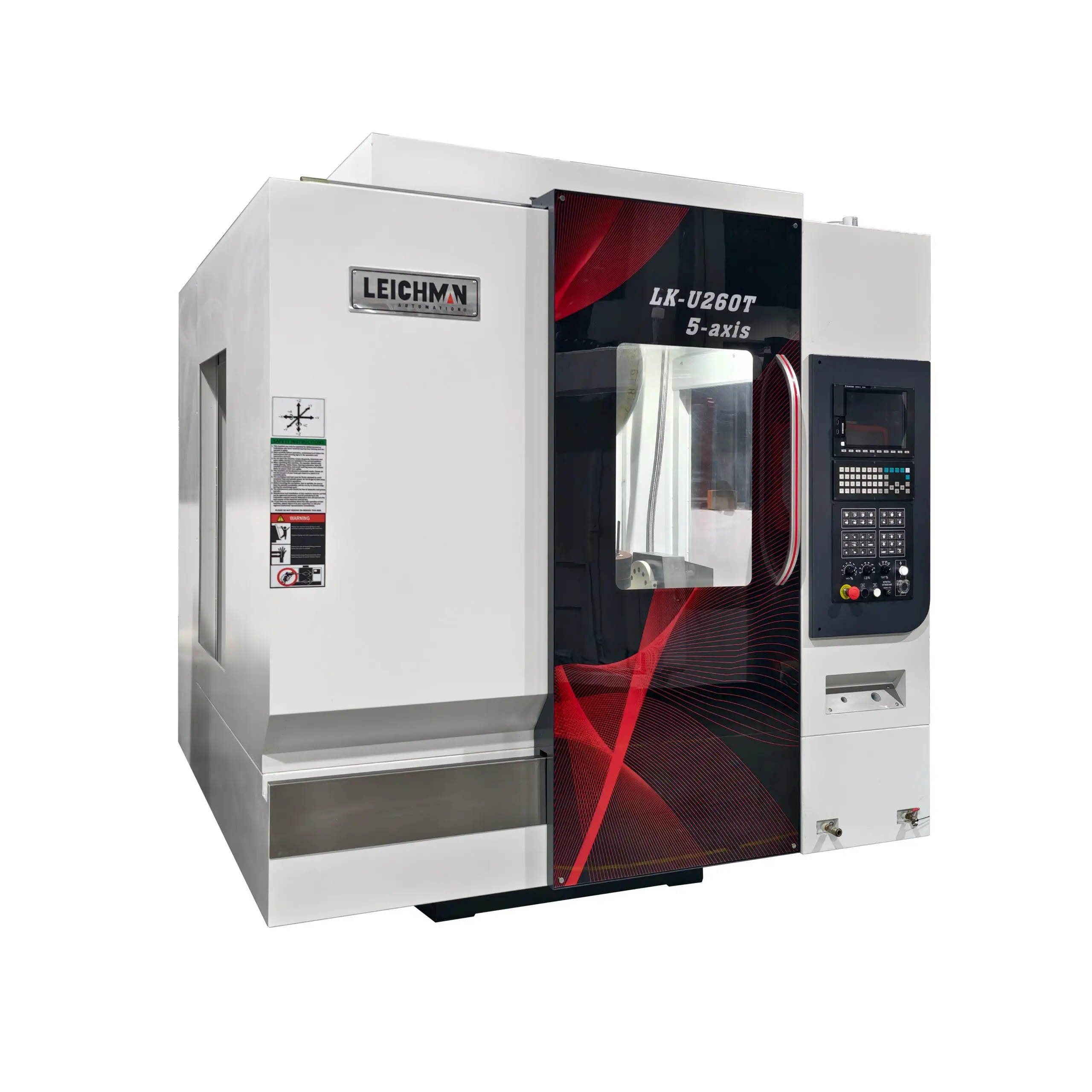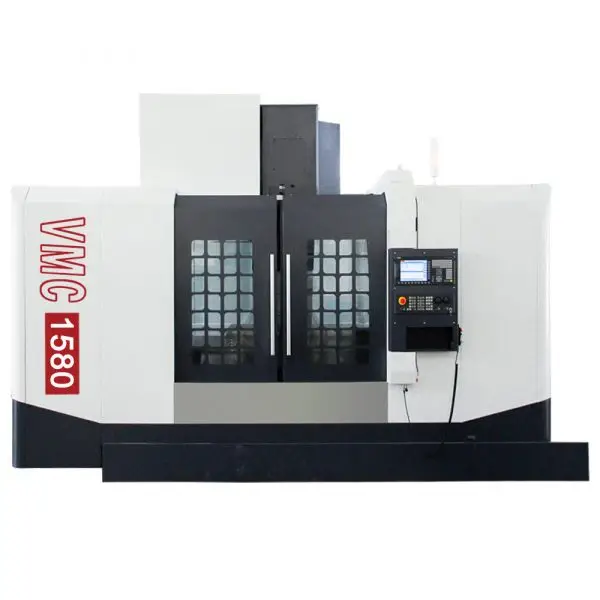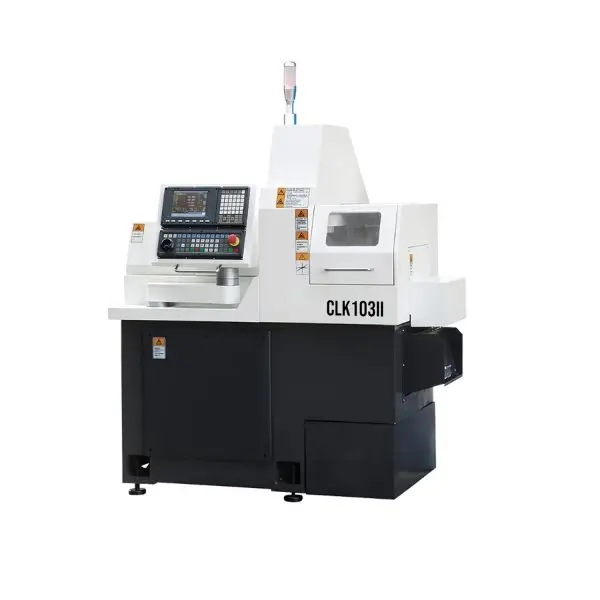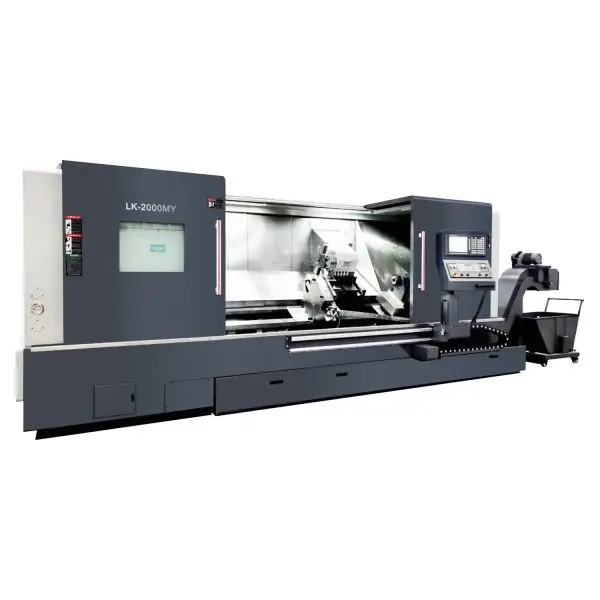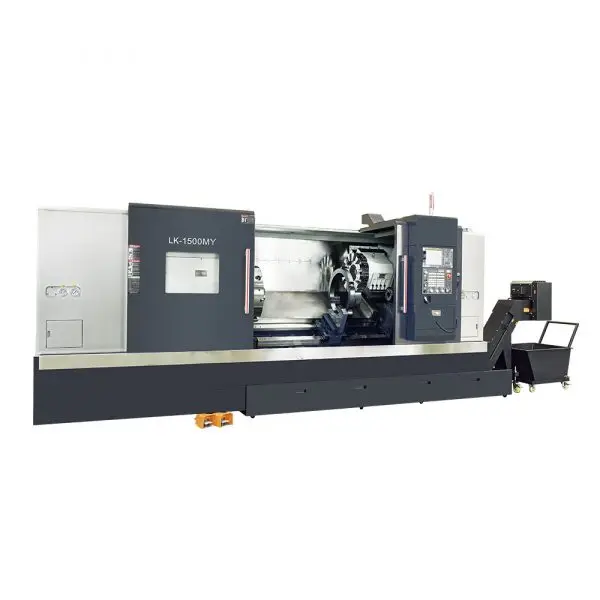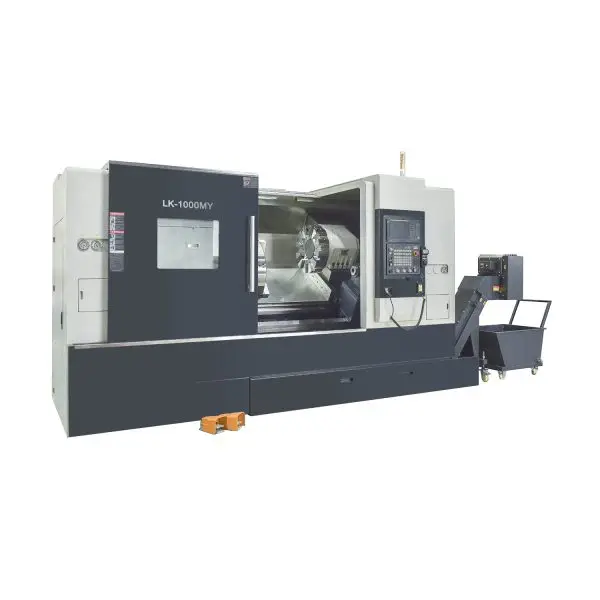
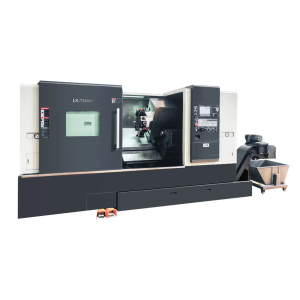
Engineers frequently prioritize the structural integrity of machinery when tasked with heavy-duty metal removal, as this foundation dictates the precision of the finished component. When we evaluate the design requirements for a heavy duty CNC lathe, we focus on how the frame construction manages the significant forces generated during aggressive cutting operations. At Leichman, a subsidiary brand of HOSTON, our development process centers on dampening vibrations and ensuring that the machine base remains unaffected by the high-torque movements typical of large-scale manufacturing. This stability is not merely a feature; it is a necessity for firms aiming to produce accurate parts consistently without the constant threat of tool chatter or dimensional drift.
The Role of Foundation and Casting Design
Stability starts at the base. A machine’s ability to resist torsion and bending relies heavily on the mass and geometry of its casting. In our approach to building a CNC turning and milling machine, we utilize high-grade materials to absorb the energy produced by heavy cuts. When the base lacks the proper mass, the resulting harmonic vibrations travel through the spindle and turret, which compromises surface finish and tool longevity. By increasing the wall thickness and optimizing the rib configuration of the machine frame, we ensure that the structure provides a stable platform for the high-power spindle. This rigorous attention to the structural foundation allows for the heavy-duty performance that modern shops require to process challenging materials without compromise.
Managing Thermal Stability during High-Load Cycles
Thermal expansion is an often-overlooked factor that can significantly degrade accuracy during prolonged production runs. As a heavy duty CNC lathe operates, heat generated from the motor and friction within the guides can cause metal components to expand, shifting the reference points of the machine. To mitigate this, we focus on designs that promote heat dissipation and use materials with predictable thermal expansion coefficients. This is vital for the Leichman LK-750MY series, where the integration of cooling systems and strategic structural support ensures that the tool position remains consistent, even after hours of continuous use. When we manage thermal stability, we allow for tighter tolerances, which is essential for projects involving complex multi-axis geometries.
Coordinating Multi-Tasking Dynamics
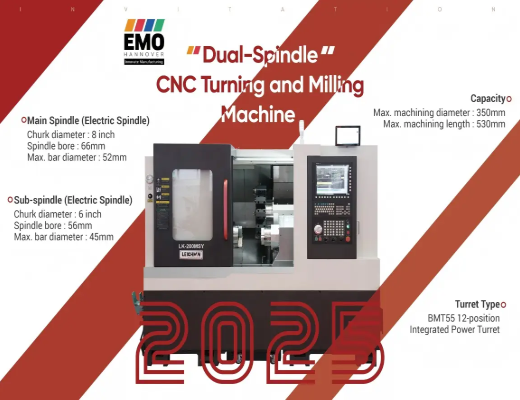
Achieving success with a CNC turning and milling machine involves the seamless coordination of multiple axes, which further complicates the need for rigidity. Because the machine is performing both turning and milling, it faces forces from different directions simultaneously. If the rigidity is inconsistent, the machine may deflect under the pressure of a milling cutter, even if it performs well during standard turning operations. Our focus at Leichman is to verify that the tool turret and live-tooling stations are supported by a frame that maintains its shape regardless of the directional load. By balancing the distribution of these forces across the machine bed, we provide a consistent environment that allows for complex part production in fewer setups.
In conclusion, the demands placed on modern equipment require a design that places structural stability at the forefront of the engineering process. By addressing how the base casting, thermal management, and multi-axis dynamics interact, manufacturers can ensure their production remains efficient and accurate. We at Leichman strive to provide Leichman technology that supports these requirements, offering a stable environment for heavy-duty fabrication. Through careful consideration of these factors, you can produce high-quality work on a Leichman machine while ensuring your operations remain grounded in solid technical performance.