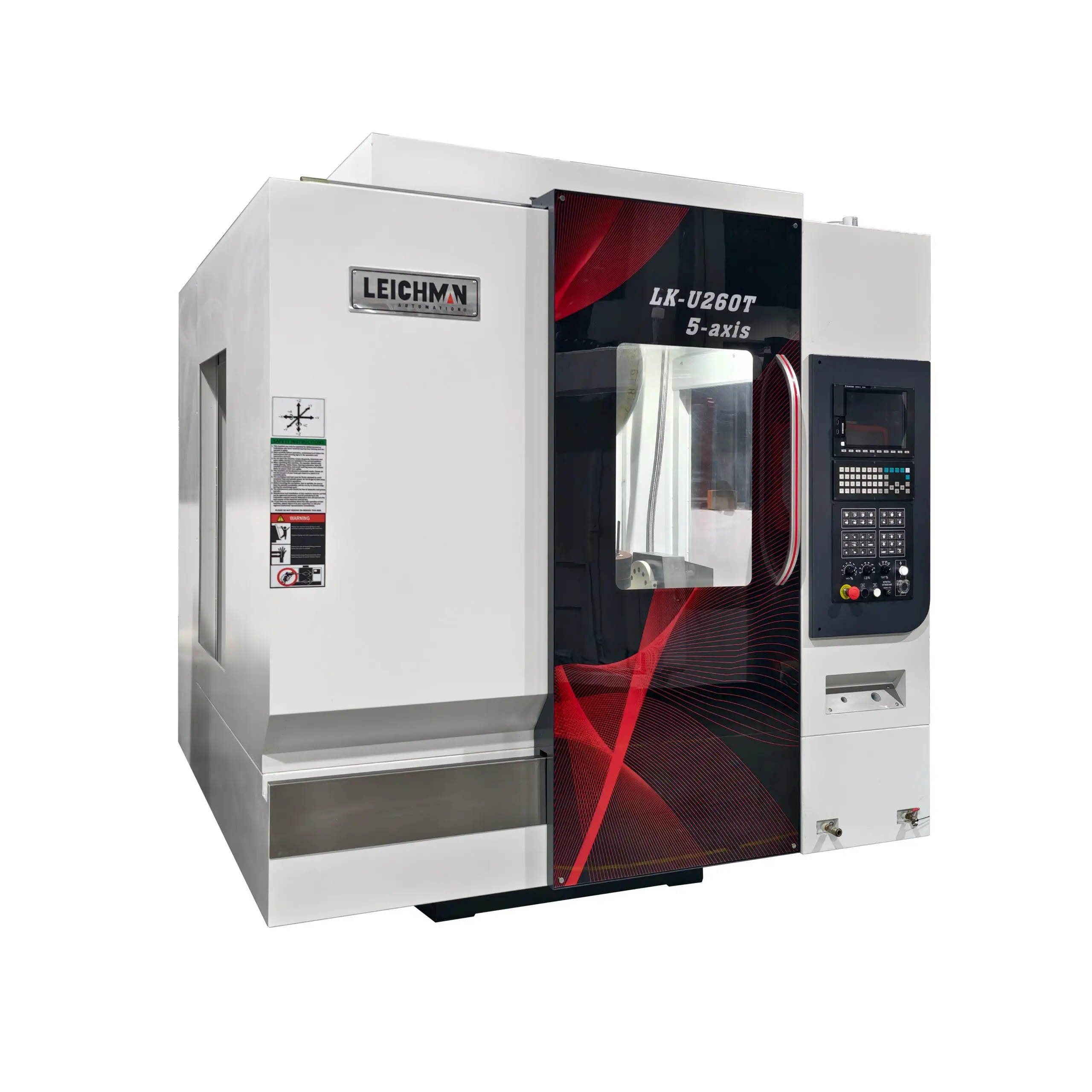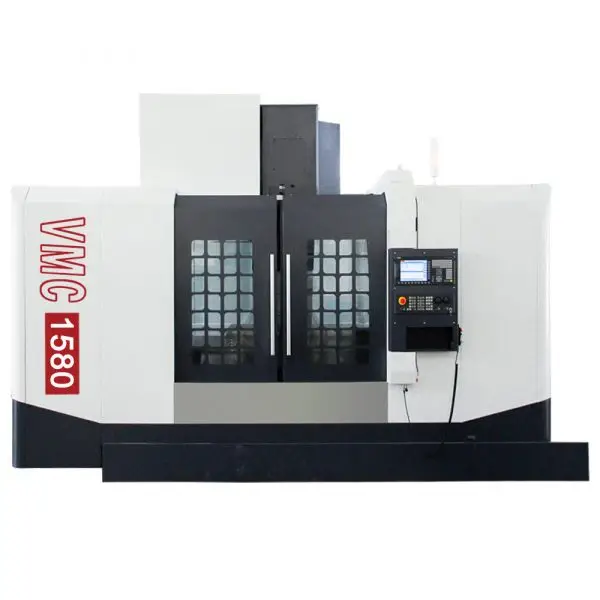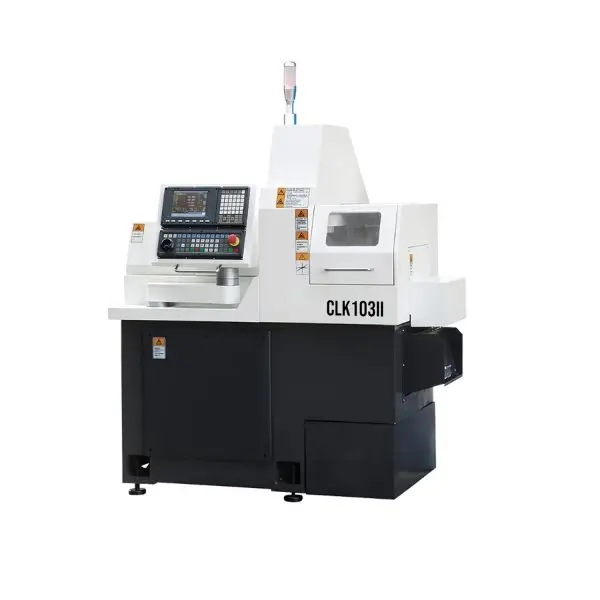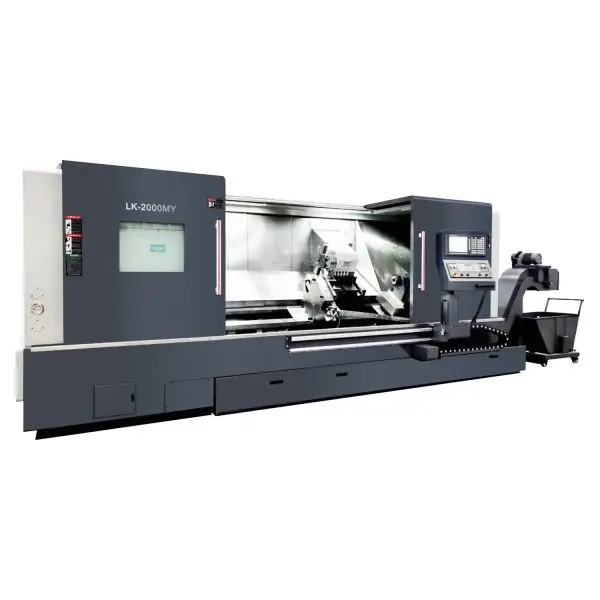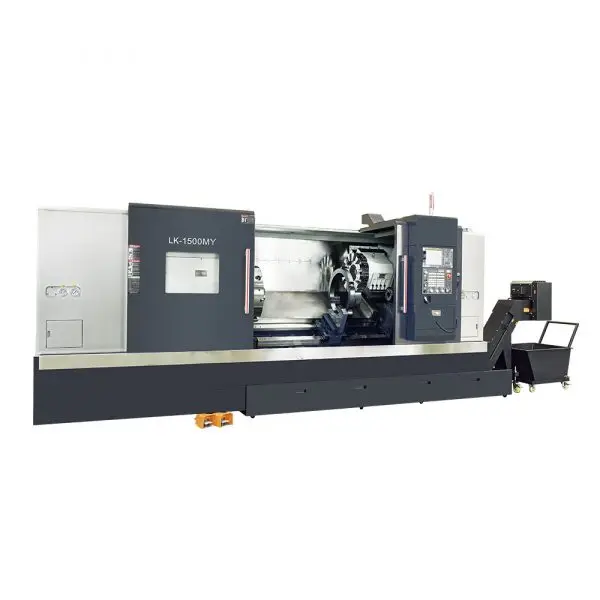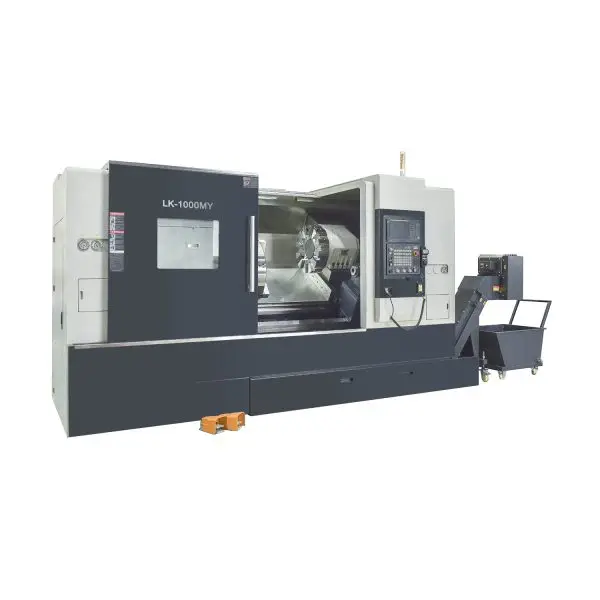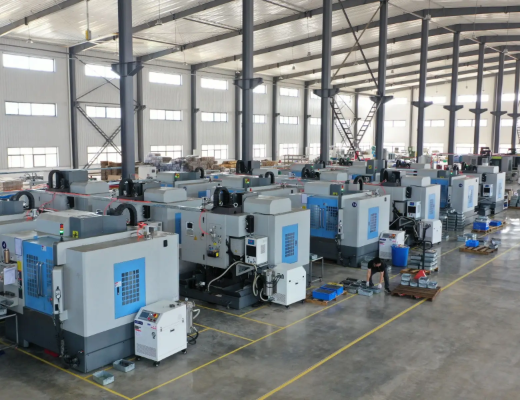
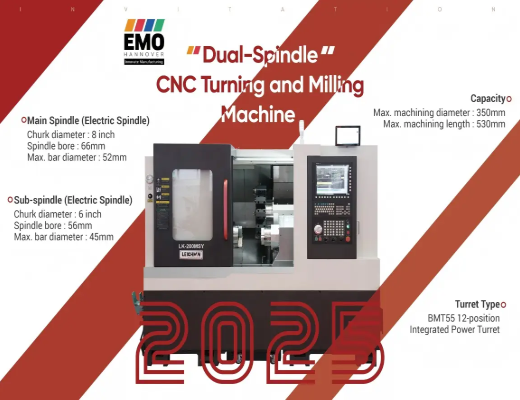
Operational efficiency often depends on minimizing the time spent between machining cycles, particularly when complex parts require multiple tools. We at Leichman—a subsidiary brand of HOSTON—recognize that the ability to swap tools rapidly is a defining factor for productivity in modern fabrication. When we examine the mechanics behind our equipment, we see how integrated systems allow operators to transition between diverse cutting tasks without prolonged manual intervention. By focusing on the underlying engineering, we can better appreciate how automated sequences contribute to a more streamlined workflow, ensuring that the movement from one operation to the next remains fluid and precise.
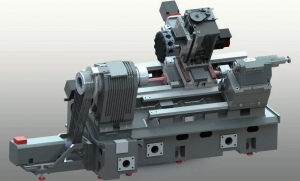
Mechanics of Automated Tool Indexing
The foundation of any high-performance CNC turning and milling machine lies in its ability to manage a wide array of cutting implements. Our design incorporates a turret or magazine system that positions tools with high repeatability. When a command is sent, the mechanical system rotates or shifts to bring the required tool into the active spindle position. We ensure that this movement is not only rapid but also stable enough to hold tolerances during heavy-duty cutting. By automating this process, the machine reduces the non-cutting time that typically accumulates during complex milling and turning sequences, allowing for more consistent output across long production runs.
Integration of Turning and Milling Capabilities
Combining two distinct machining processes into one platform requires a sophisticated approach to tool management. In our quick turn CNC machining setups, the system must bridge the gap between static turning tools and rotating milling cutters. We achieve this by using synchronized spindle controls that communicate directly with the tool changer. This integration ensures that when the system switches from a turning operation to a milling cycle, the tool is indexed and locked into place with correct orientation. This capability is vital for parts that require features like cross-drilling, slots, or flat surfaces, as it eliminates the need to move the workpiece to a secondary machine, thereby preserving accuracy and reducing handling errors.
Importance of Precision Locking Systems
Stability during the changeover process is as important as the speed of the transition itself. Each time a tool is loaded into the spindle, the coupling must be robust to resist the forces exerted during high-speed cutting. We prioritize the development of reliable locking mechanisms that ensure tool runout is kept to a minimum. Because our Leichman CNC turning and milling machine systems operate under significant vibration and heat, the interface between the tool holder and the turret must be engineered for durability. By maintaining strict control over the tolerance of the engagement surfaces, we provide a foundation that supports long-term reliability and consistent component quality throughout the entire lifecycle of the production batch. This level of stability is particularly important for quick turn CNC machining, where frequent tool changes and tight production schedules demand dependable performance.
Analyzing the interaction between hardware and software reveals why specific design choices impact overall performance. We have found that the synergy between a responsive tool changer and a well-programmed controller defines the efficiency of the entire Leichman platform. In a modern CNC turning and milling machine, seamless coordination between these systems helps reduce non-cutting time and improve machining accuracy. While the technical details of these systems can seem complex, they serve the simple purpose of enabling faster, more accurate work. As we continue to refine our approach, we stay committed to providing hardware that manages these transitions effectively, supporting manufacturers engaged in quick turn CNC machining and other high-efficiency production environments. By prioritizing the stability and speed of the tool change process, we help ensure that production goals are met with consistency and reliability.