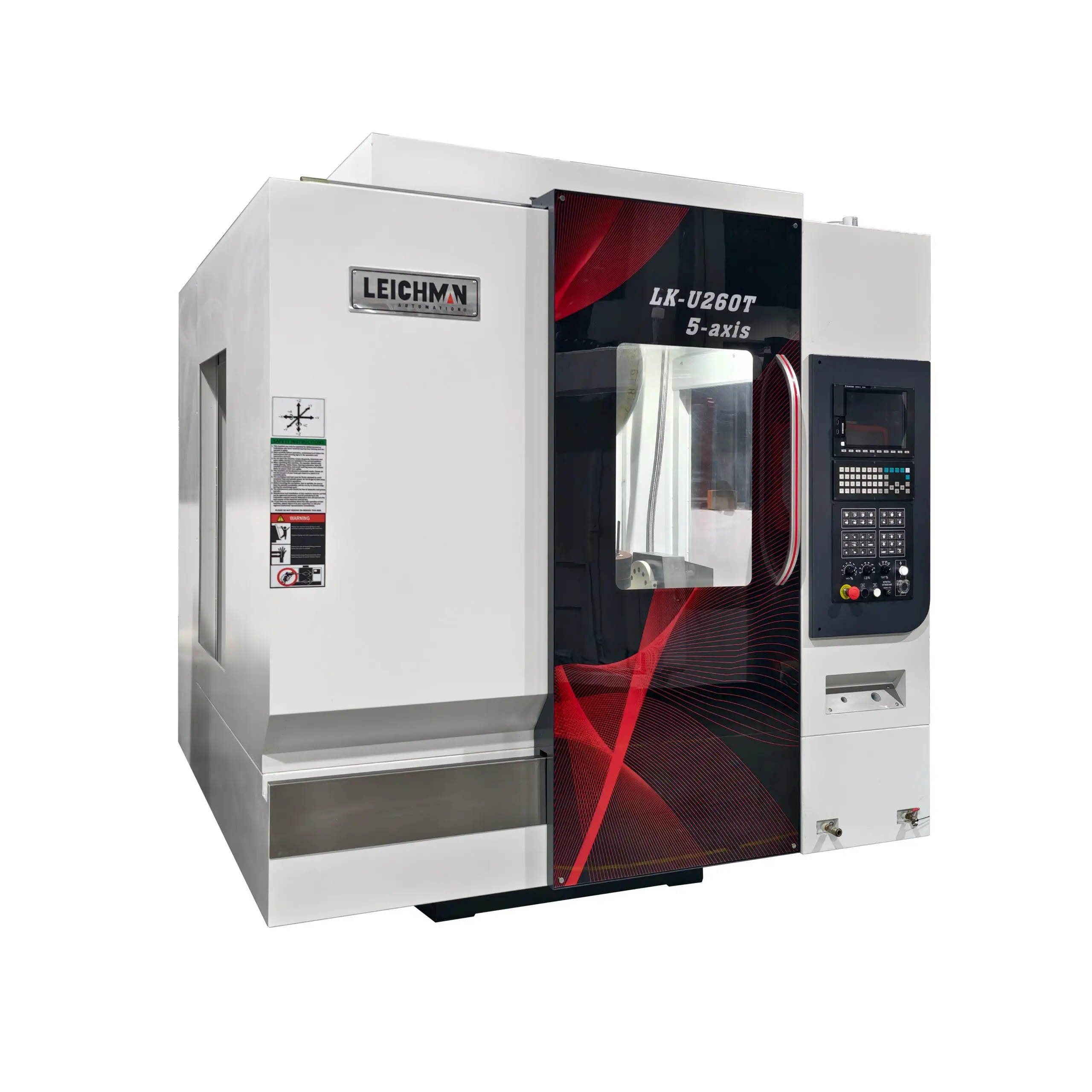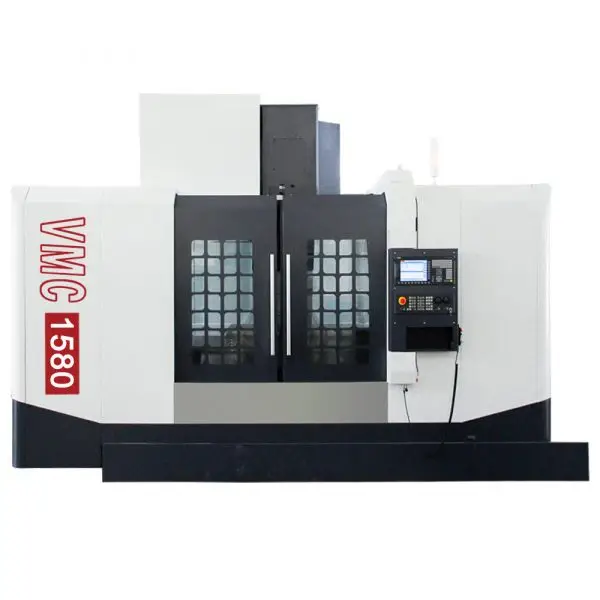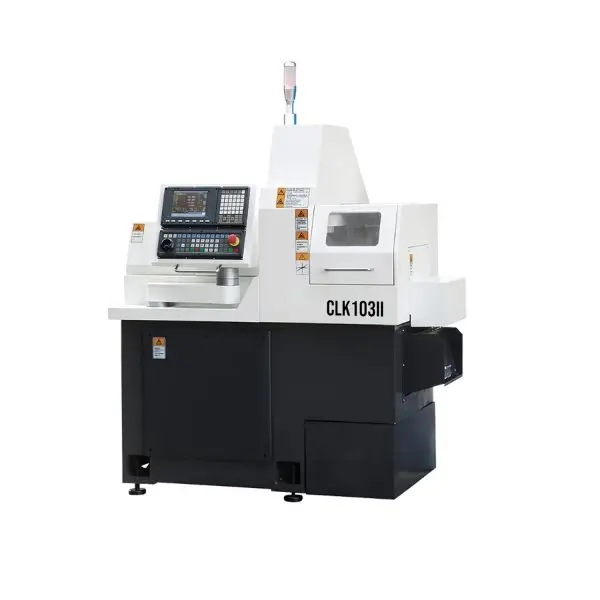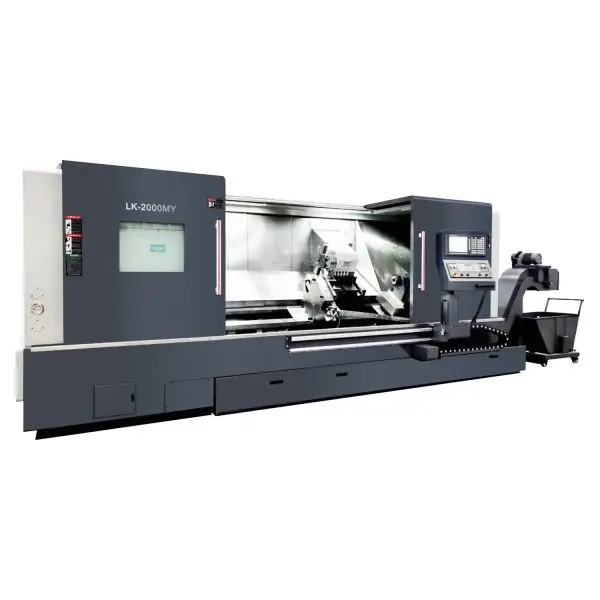
Technical adjustments for high-performance materials are essential when we utilize advanced machinery for complex parts. At Leichman, a subsidiary brand of HOSTON, we focus on providing hardware that handles the specific demands of both stainless steel and titanium alloys. Because these materials present unique thermal and mechanical profiles, our approach centers on precise calibration to ensure both part integrity and tool longevity. Achieving quality output requires a methodical adjustment of speed, feed, and cooling protocols, which we support through the robust architecture of our equipment.
Managing Thermal and Mechanical Demands
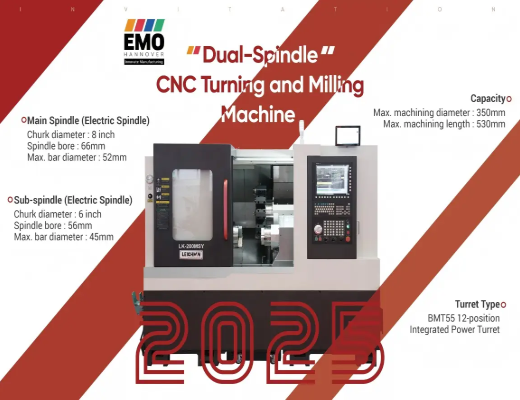
Successfully processing stainless steel and titanium starts with acknowledging their thermal characteristics. Both materials possess low thermal conductivity, meaning heat generated during the cut remains concentrated at the tool interface rather than dissipating into the chips. To address this, we advocate for lower cutting speeds to manage temperatures effectively. When using a CNC turning and milling machine, operators should prioritize rigid setups to prevent the vibrations that these alloys can induce. At Leichman, we design our systems to provide the stability required to handle the cutting forces, reducing the risk of work hardening that frequently occurs with titanium. By fine-tuning the depth of cut, we minimize the accumulation of heat, ensuring the tool remains productive for longer durations.
Coordinating Toolpath Strategies
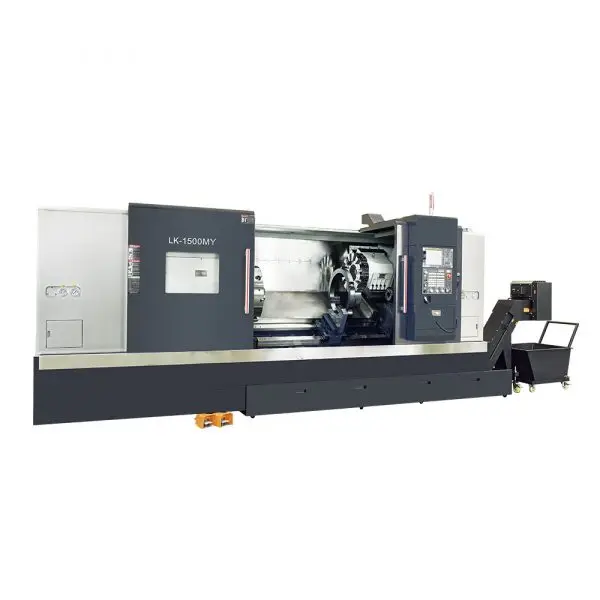
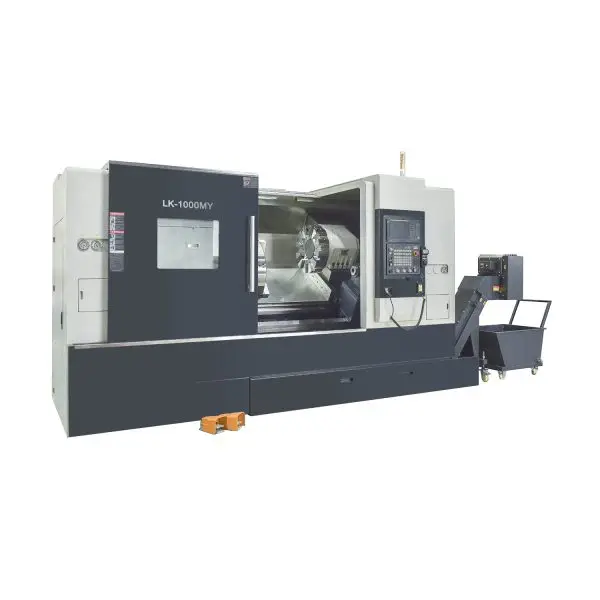
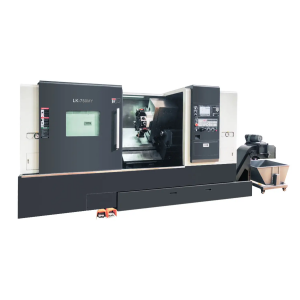
Efficiency in CNC milling and turning operations relies on how well the tool engages with the workpiece. Rather than using aggressive, high-speed paths, we encourage a strategy that maintains a consistent engagement angle. For stainless steel, balancing speed and feed is necessary to prevent the material from tearing or creating excessive burrs. On the Leichman LK-750MY, the integration of multiple axes allows for smooth transitions between CNC milling and turning, enabling complex geometries to be produced in one setup. This consolidation reduces the need for re-fixturing, which is a major advantage when working with materials that are sensitive to handling and positioning inaccuracies. Consistent engagement helps preserve the tool edge, which is vital when processing expensive alloys.
Implementing Coolant and Tooling Protocols
Effective cooling is the final component in successful material processing. Given that titanium is highly reactive at elevated temperatures, high-pressure coolant delivery systems are often necessary to evacuate chips immediately from the cutting zone. We recommend using coated carbide tooling, as these inserts resist the chemical reactivity that can occur between the tool and the workpiece. As part of our support at Leichman, we emphasize the importance of checking coolant flow to ensure it reaches the tool edge, not just the outer surface. Proper coolant application prevents chip re-cutting, which is a frequent cause of poor surface finish and premature tool degradation in a CNC turning and milling machine.
Achieving consistent results in demanding production environments requires patience and careful monitoring of every parameter. We view the process of CNC milling and turning as a collaboration between the capability of the machine and the precision of the technician. By systematically adjusting parameters such as spindle RPM, feed rates, and coolant pressure, operators can extend tool life and achieve the necessary tolerances for aerospace or medical-grade components. The stability of our Leichman equipment serves as the foundation for these adjustments, allowing shops to maintain reliable production cycles even when material challenges arise. Focusing on these fundamental technical aspects provides a path toward sustained output quality for your facility.