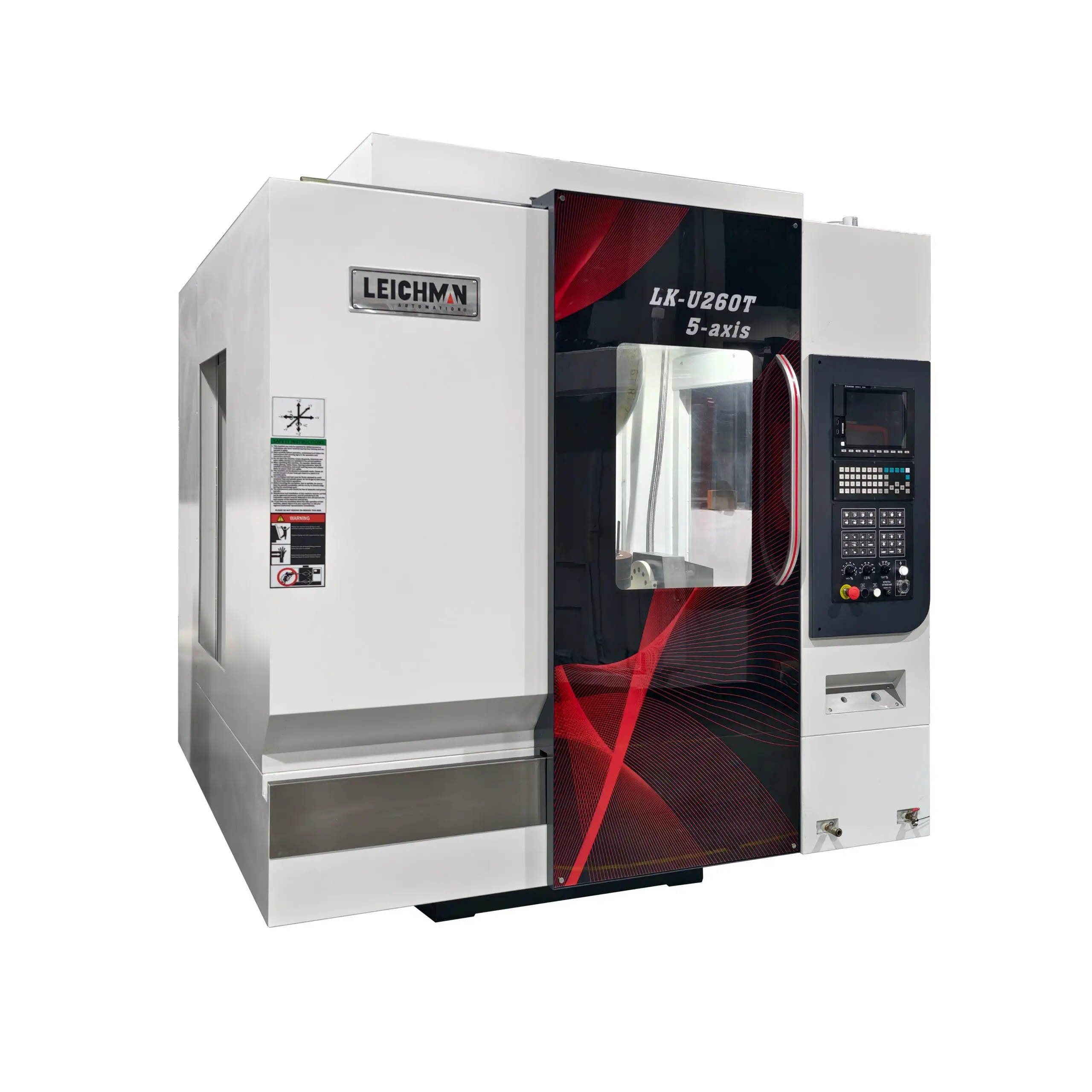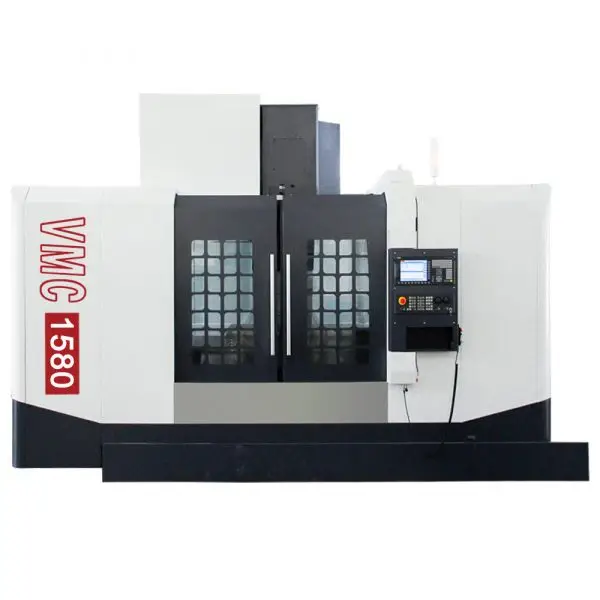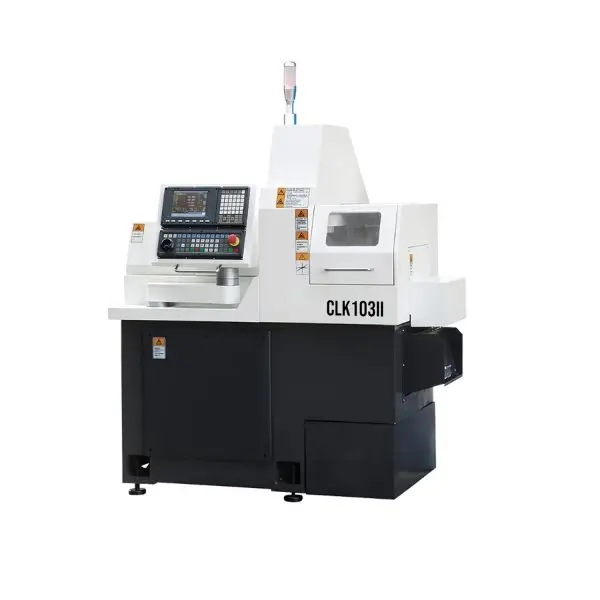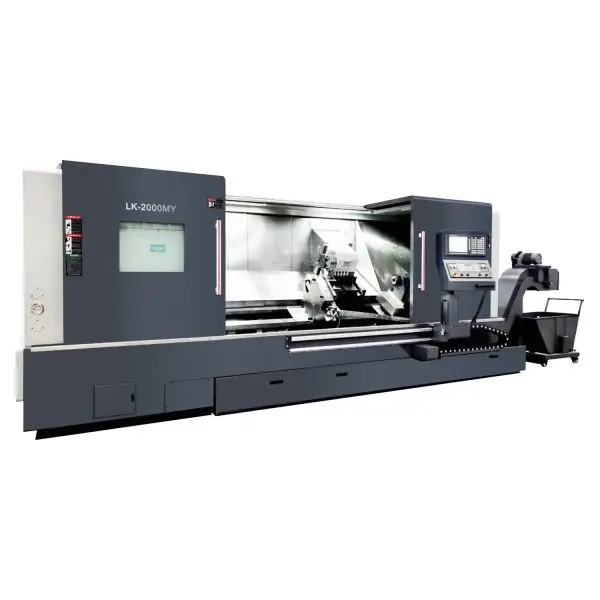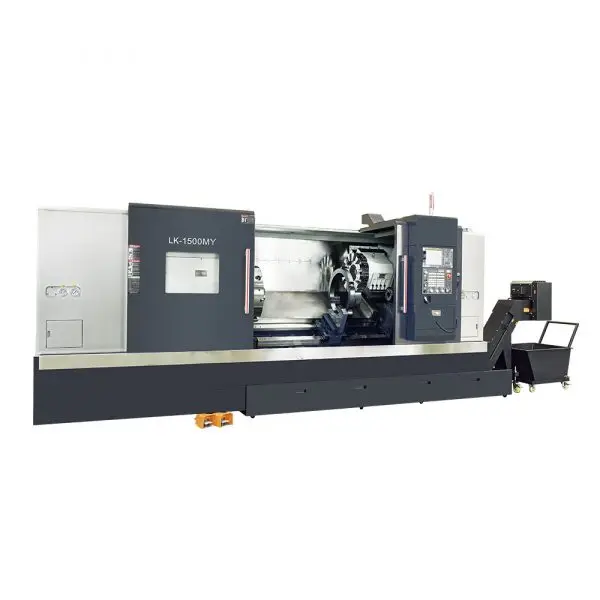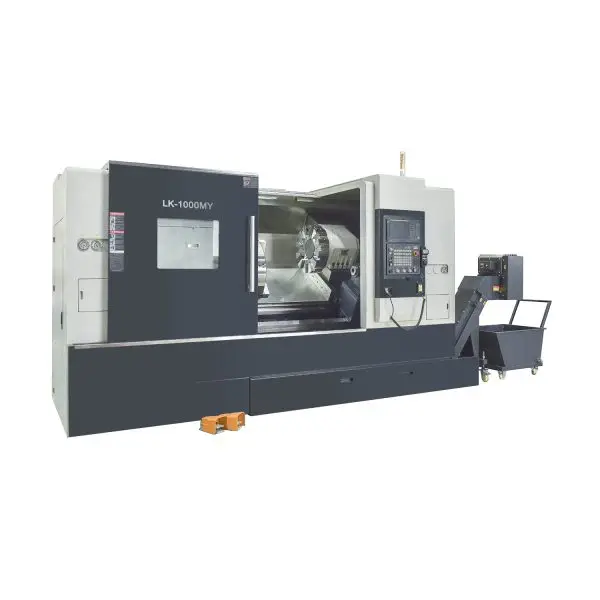
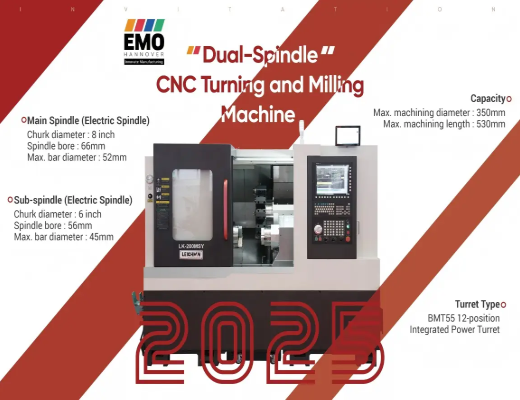
Deciding between equipment configurations often centers on the specific requirements of your production environment and the complexity of the parts you produce. At Leichman, a subsidiary brand of HOSTON, we frequently analyze how different lathe technologies impact manufacturing workflows and budgets. When evaluating the Leichman LK-160 CNC turret lathe machine against models equipped with live-tooling, we look at how mechanical versatility influences both initial project planning and long-term production costs. Each configuration offers distinct advantages that depend heavily on the secondary operations required for your workpieces.
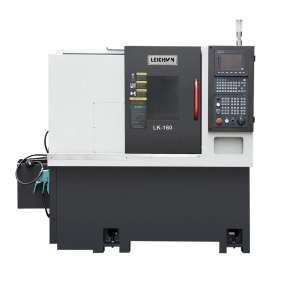
Mechanical Foundations of Standard CNC Turret Lathes
The standard CNC turret lathe relies on a rigid design to perform turning operations with high precision. By utilizing a fixed tool turret, these machines excel at high-speed material removal and turning cycles that do not require milling or cross-drilling. From our perspective, the strength of the Leichman LK-160 lies in its ability to deliver consistent results for straightforward turning tasks. Because these systems lack the complex drive motors required for rotary tooling, they generally feature a more simplified internal architecture. This reduction in mechanical complexity often translates into a more accessible entry price, making it a viable solution for shops focused on high-volume production of parts that only require turning and facing operations.
Functional Additions of Live Tooling Systems
Integrating live-tooling into a turret lathe provides the capability to perform milling, drilling, and tapping while the workpiece remains clamped in the chuck. Instead of transferring a part to a secondary machining center, the live tool turret allows us to complete more features in a single handling. This flexibility changes the cost-benefit analysis significantly. While the hardware cost for a live tool machine is higher due to the inclusion of specialized motors and indexing systems within the turret, the savings emerge from reduced labor and fewer fixture requirements. For projects involving complex geometry, this configuration avoids the logistical hurdles associated with moving components between multiple stations, which often offsets the higher capital investment required for these advanced machines.
Economic Impacts on Production Cycles
Evaluating the financial viability of a CNC turret lathe machine requires a careful look at cycle time versus hourly machine rates. A standard turret lathe often maintains a lower hourly cost, yet the need for subsequent machining operations can inflate the total time per part. Conversely, while a live-tooling system incurs a higher operational cost per hour, its ability to finish a part in one setup creates a more efficient throughput for complex items. We observe that the total cost of ownership is highly sensitive to your specific product mix. If your production schedule involves frequent small batches with varied secondary features, the investment in a live tool system may be justified by the reduction in setup changeovers and handling times.
Analyzing your project needs is essential when deciding on the right lathe technology. Whether the fundamental stability of the Leichman LK-160 meets your current requirements or the advanced versatility of a live tool system better aligns with your output goals, the goal is to balance machine capability with budgetary constraints. By examining the specific operational demands of your shop, you can determine which configuration provides the most efficient path for your manufacturing processes and overall return on investment.