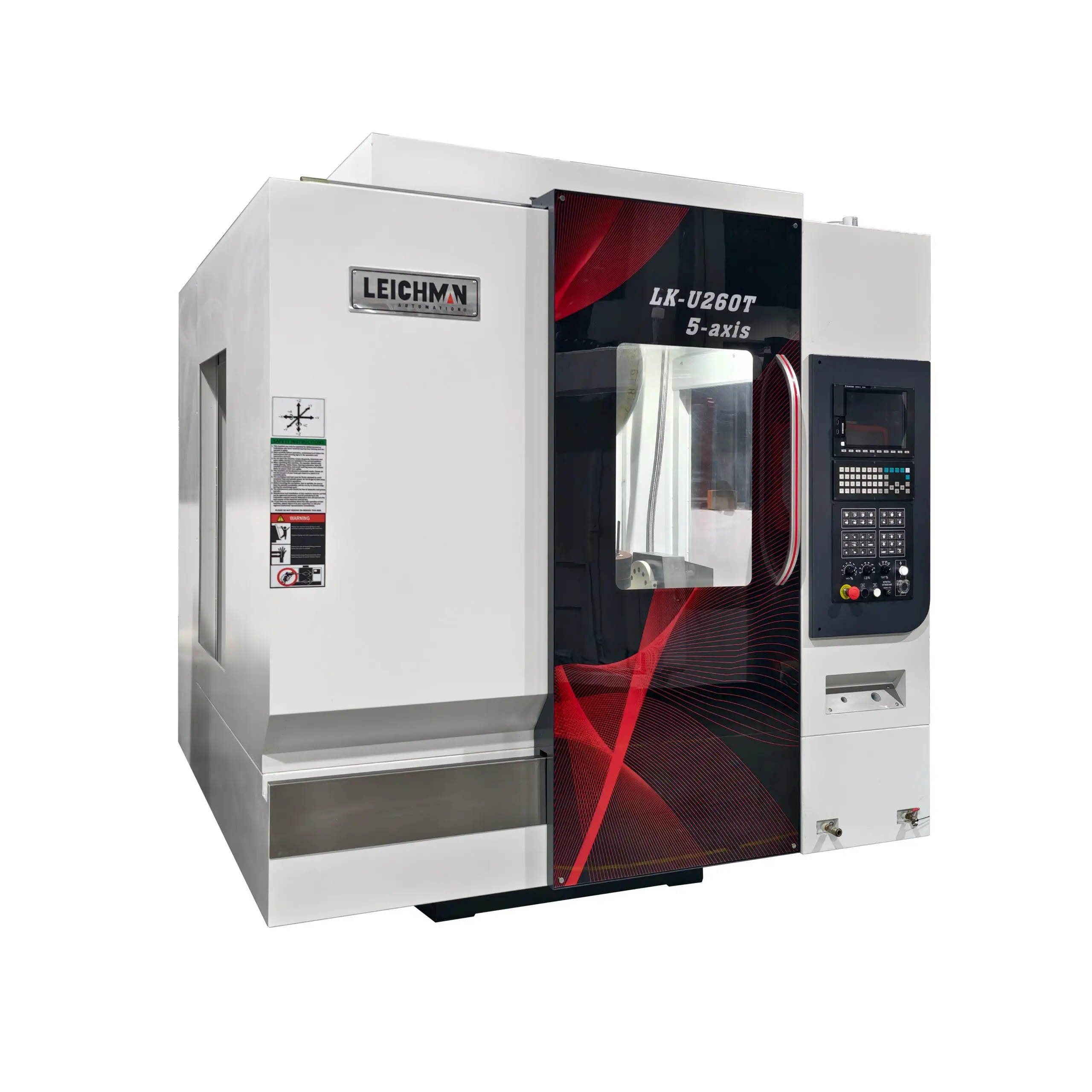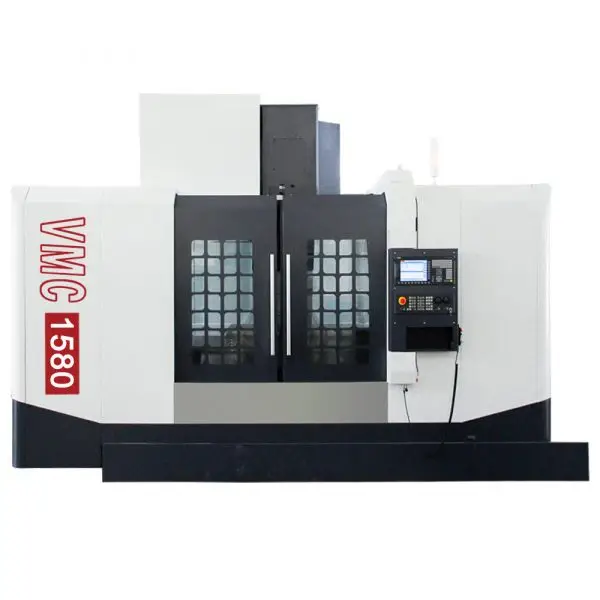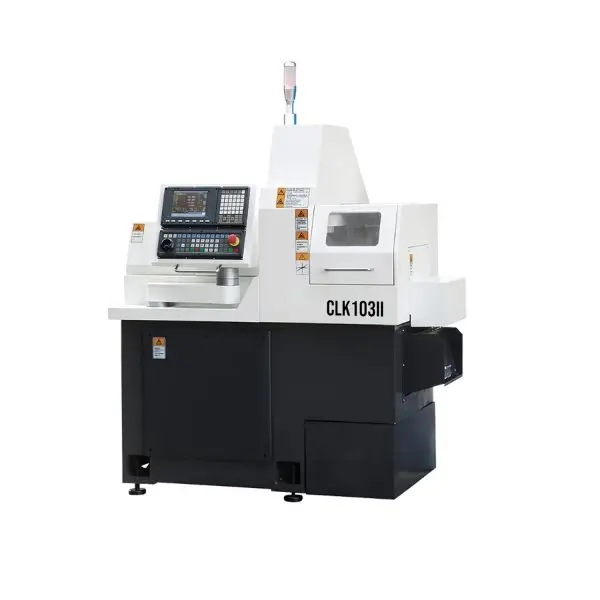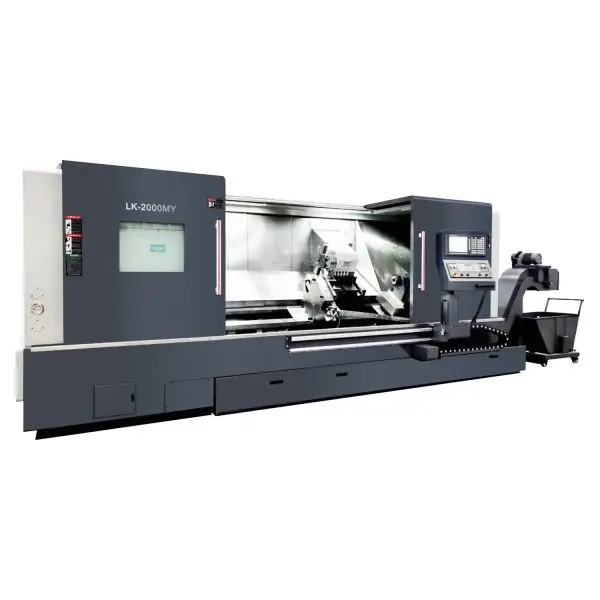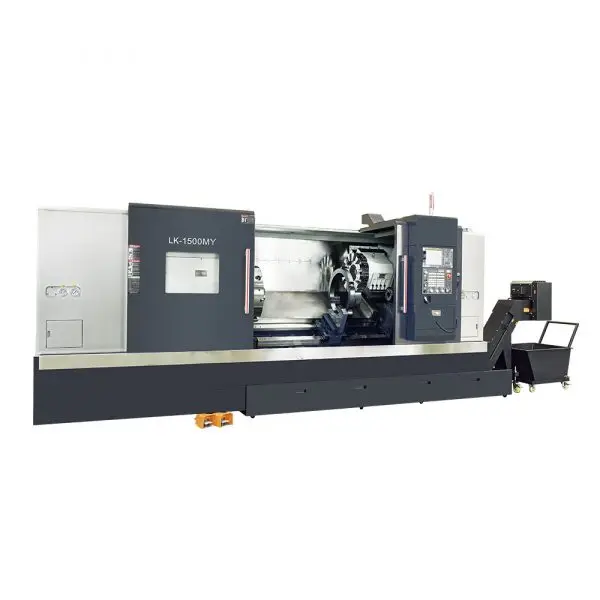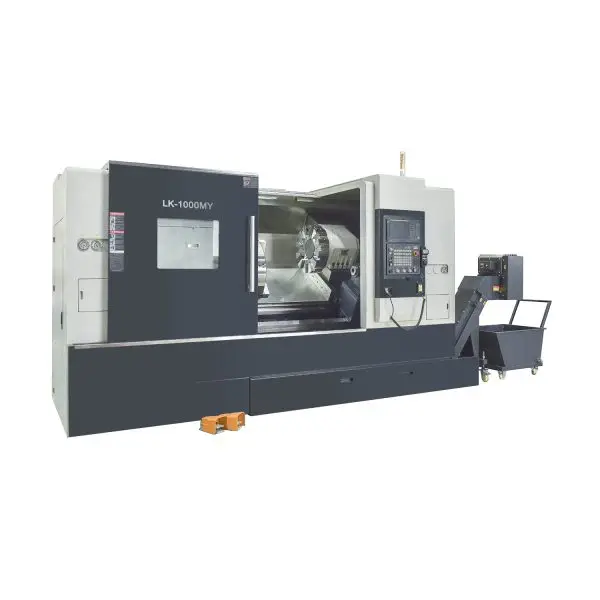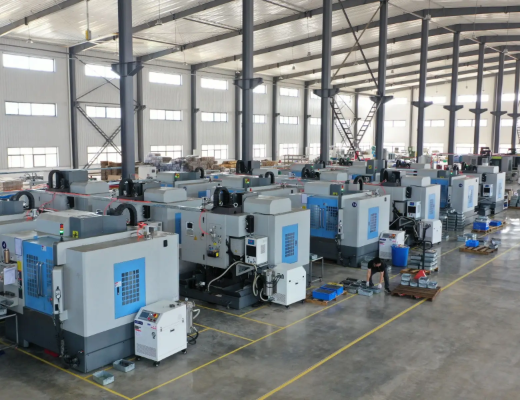
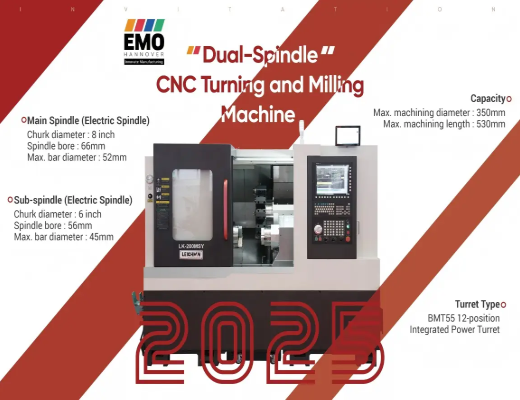
Manufacturing complex components requires careful attention to cycle times and procedural flow. At Leichman, a subsidiary brand of HOSTON, we frequently analyze how machine configurations impact the total time required to complete a single part from raw material to finished product. The implementation of dual-turret technology offers a distinct shift in how work is distributed during the machining process. By evaluating the mechanics of a CNC turret lathe and the specific advantages of a twin turret CNC lathe, we can determine how to effectively reduce idle time and increase the output of intricate parts.
Mechanics of Simultaneous Machining
The core advantage of using a twin turret CNC lathe lies in its ability to perform multiple operations at once. In a traditional single-turret setup, the tool must move between different positions to address various features of the part, which creates waiting periods where the spindle is not actively cutting. By using two turrets, we can engage two different cutting tools simultaneously on the same workpiece. This configuration allows one turret to handle roughing passes while the other performs finishing or drilling operations. For our production team at Leichman, this reduction in idle time directly contributes to a shorter cycle for complex parts that require significant material removal and precise detailing.
Enhancing Work Distribution
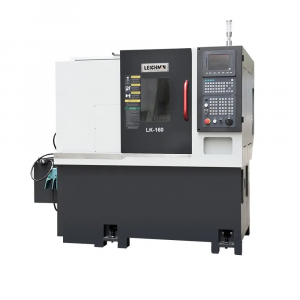
Strategic distribution of tasks between turrets allows for better balance in the production workflow. A modern CNC turret lathe is designed to handle multiple axes, which provides the flexibility needed to machine complex geometries without moving the part to a second machine. When we utilize the secondary turret to support operations that were previously sequential, we eliminate the need for manual intervention or secondary setups. This approach ensures that the part remains centered in the machine for the duration of the cycle, reducing the potential for error that often arises when re-clamping components. As we look at the specifications of equipment like the Leichman LK-160, we see how the integration of these dual systems supports the goal of consistent, repeatable precision.
Impact on Total Production Efficiency
Efficiency in a machining environment is often measured by the amount of time a part spends on the spindle. By adopting a twin turret CNC lathe, we see a reduction in the total duration of the production cycle because the machine can process multiple surface features concurrently. This is particularly beneficial for complex parts that would normally require a lengthy sequence of tool changes. As a provider of advanced manufacturing solutions, Leichman focuses on how these dual-turret systems allow our clients to maximize throughput without sacrificing part quality. A CNC turret lathe setup with dual capability effectively doubles the potential for tool engagement, allowing for a more rapid transition from raw stock to a completed, high-precision component.
Achieving shorter production cycles for intricate parts is a common objective for many manufacturing facilities. The shift toward using a twin turret CNC lathe provides the technical agility to perform operations that were once time-intensive, effectively streamlining the path from design to finished component. At Leichman, we prioritize the integration of systems that offer these tangible performance benefits, ensuring that our technical approach meets the requirements of demanding industrial applications. By refining how we distribute tasks across dual-turret platforms, we provide a reliable path for increasing productivity while ensuring every part meets the necessary specifications.