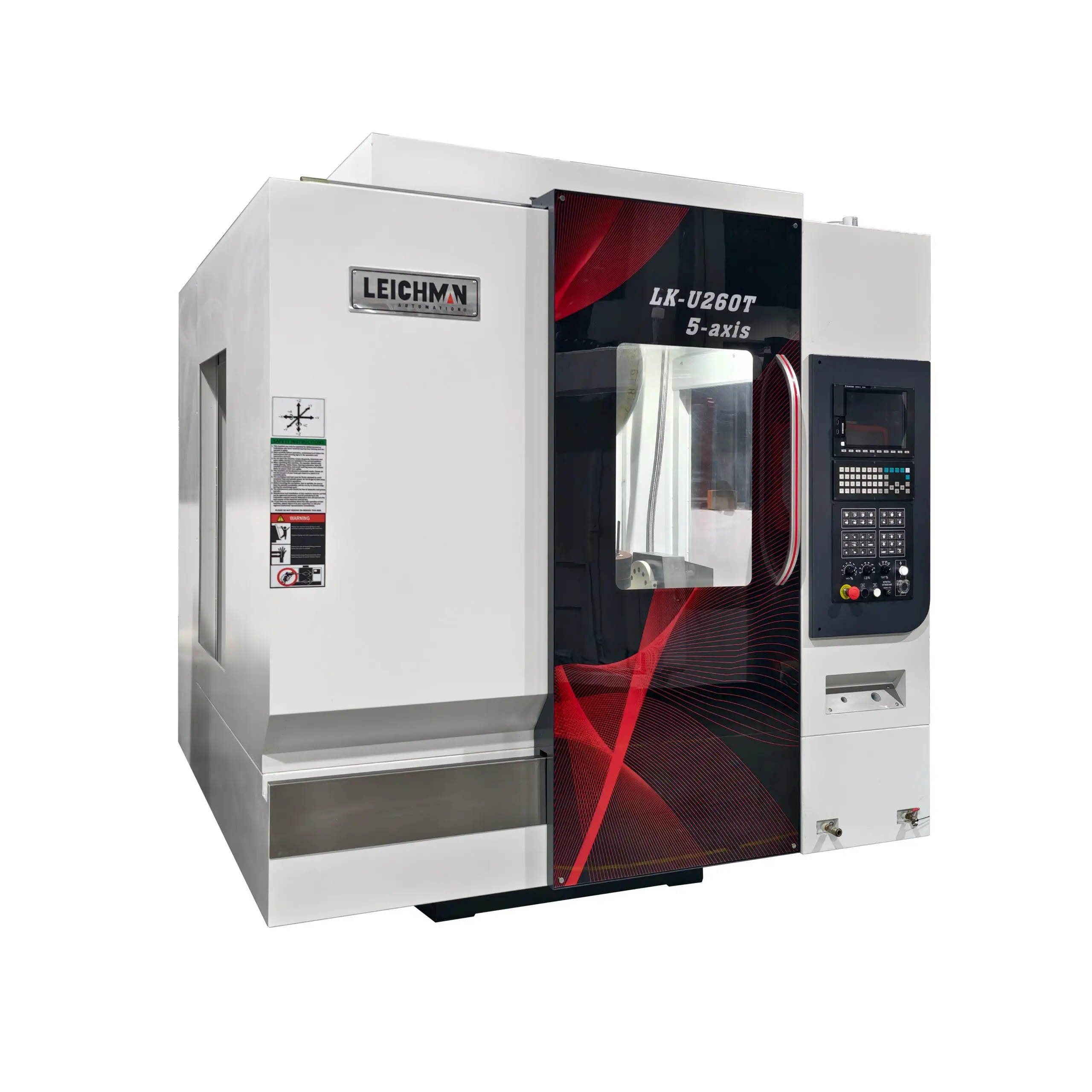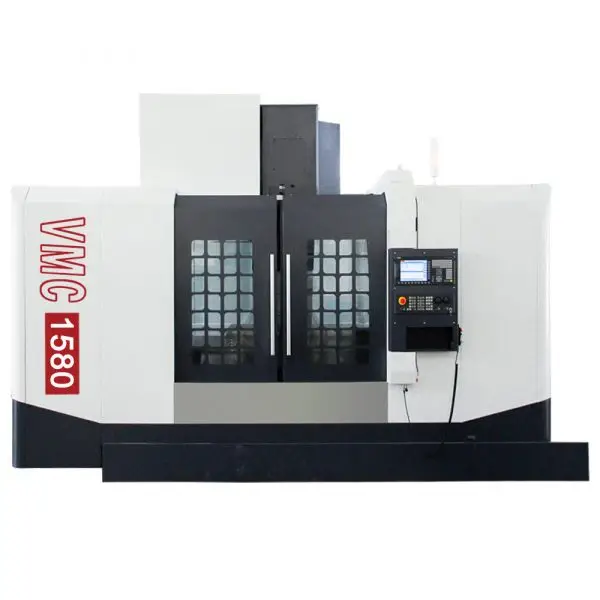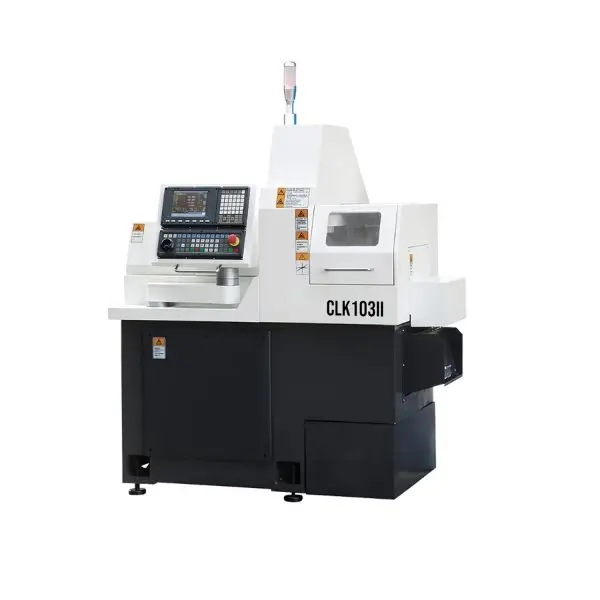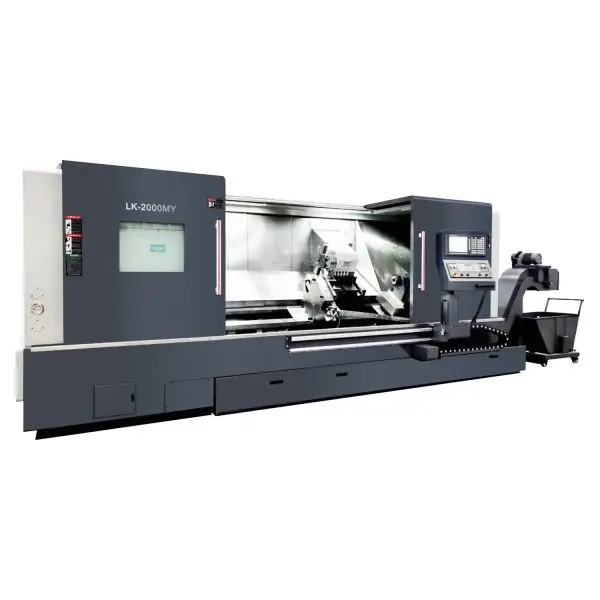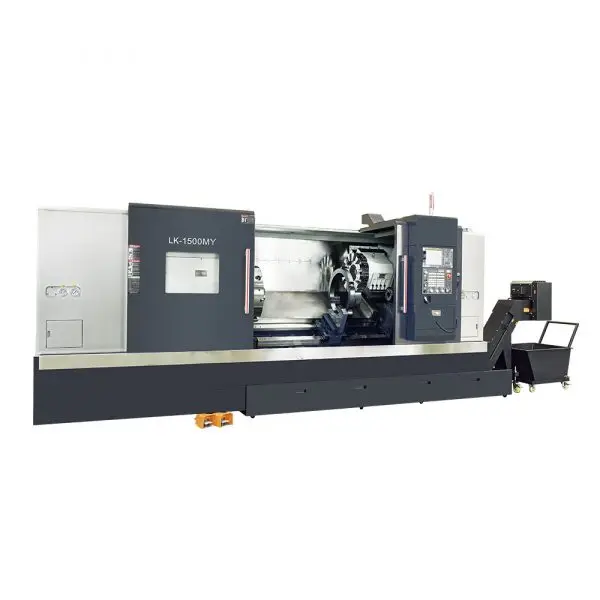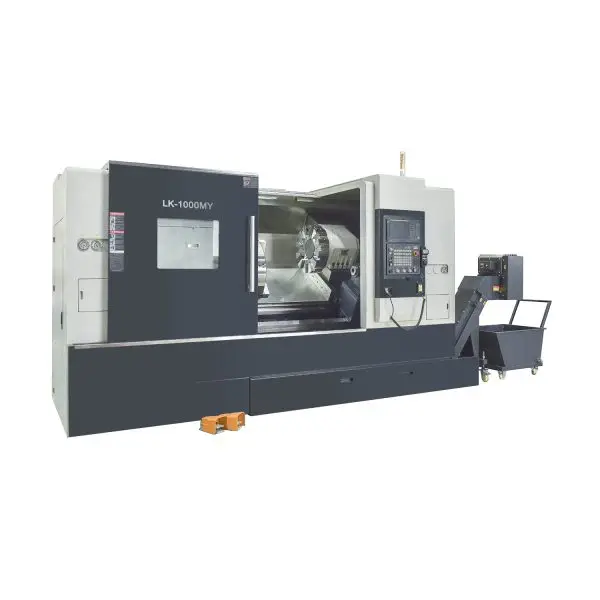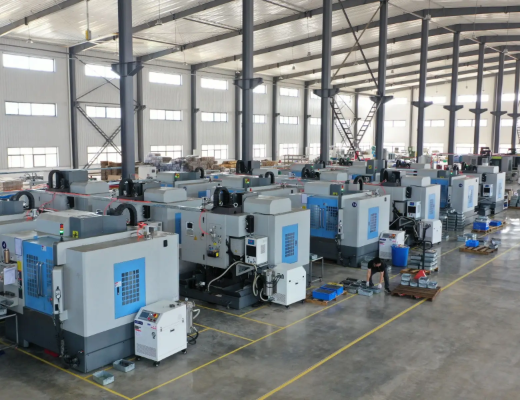
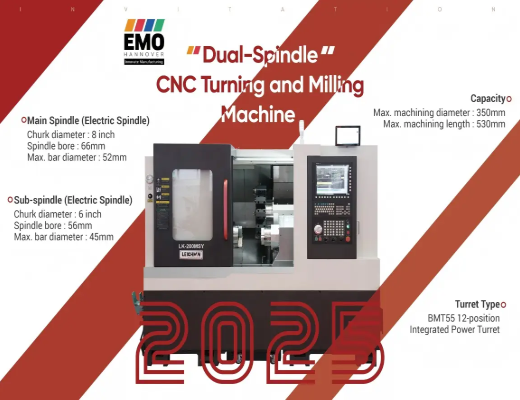
Automotive manufacturers often face challenges when balancing production speed with the high dimensional accuracy required for critical vehicle components. At Leichman, a subsidiary brand of HOSTON, we frequently analyze how specific turning equipment enhances the workflow for high-volume parts such as transmission shafts, gears, and fasteners. Implementing a reliable CNC turret lathe provides a practical solution for turning operations that demand repetitive precision and material removal efficiency. By focusing on the mechanical strengths of these systems, production teams can generate complex parts that meet the rigorous standards expected within the automotive supply chain.
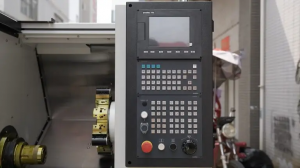
Versatility in Turning Automotive Components
A horizontal turret lathe excels in environments where varied geometry needs to be processed on a single machine platform. We find that the ability to index tools quickly allows for seamless transitions between roughing and finishing passes, which is essential when producing components like gear blanks. The rigidity of the bed design supports heavy cuts on steel and aluminum alloys commonly found in automotive assemblies. By utilizing a CNC turret lathe, operators gain the flexibility to handle multiple turning profiles without extensive downtime for manual tool changes. This efficiency directly impacts the throughput of components, helping to ensure that production schedules remain consistent while maintaining the required tolerances for fit and function.
Enhancing Repeatability and Precision
Consistency represents a primary concern during the mass production of automotive parts. A horizontal turret lathe provides the stability required to achieve uniform results across thousands of cycles. We observe that the integration of precise motion control systems within the CNC turret lathe ensures that every part conforms to the engineering specifications. This level of repeatability reduces the rate of scrap and rework, which is a major factor in controlling manufacturing costs. When we evaluate the design of our machines, we emphasize structural integrity to minimize thermal expansion, as even minor variations can affect the final dimensions of parts intended for high-stress automotive environments.
Workflow Optimization Through Automated Tooling
Integrating advanced software with machine hardware enables a more streamlined manufacturing process. Modern automotive parts often require complex contours, and a CNC turret lathe manages these paths through accurate interpolation. We utilize the turret indexing speed to maximize the number of tools available for different operations, such as boring, turning, and threading, all within one setup. This consolidation of processes reduces the number of times a part must be handled, which helps prevent potential damage and minimizes cumulative errors. As we work with diverse clients at Leichman, we see that focusing on efficient tool management and machine utilization allows facilities to handle high-demand production periods with confidence.
Technical Considerations for Facility Integration
Applying this equipment to automotive workflows requires an analysis of part volume and complexity. By leveraging the technical capabilities of a robust horizontal turret lathe, manufacturers can address the dual requirements of speed and quality. Our experience at Leichman suggests that prioritizing machines with high structural rigidity and efficient control systems is a productive way to handle the diverse needs of automotive component manufacturing. Consistent focus on these fundamental aspects ensures that your production environment operates with the necessary reliability to support long-term output goals without unnecessary technical hurdles.